

 English
 中文简体
中文简体 русский
 Español
 Inquiry
 Contact Us
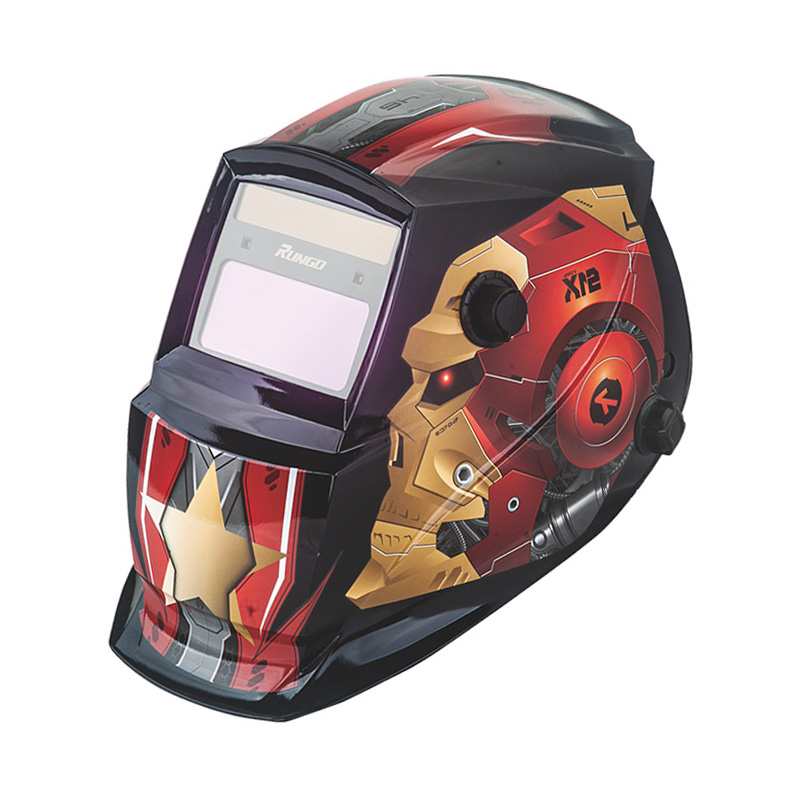

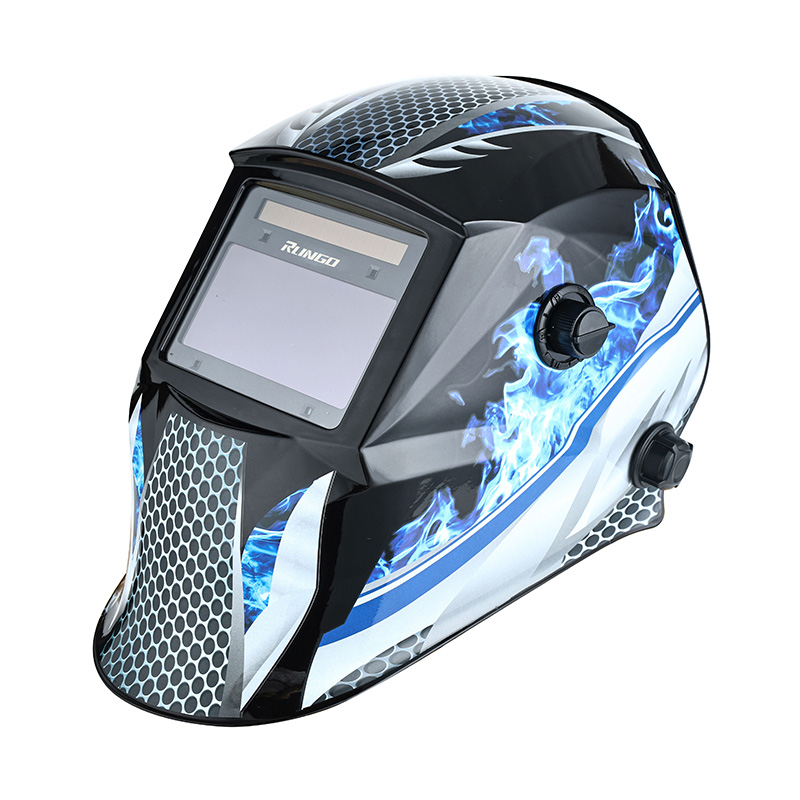
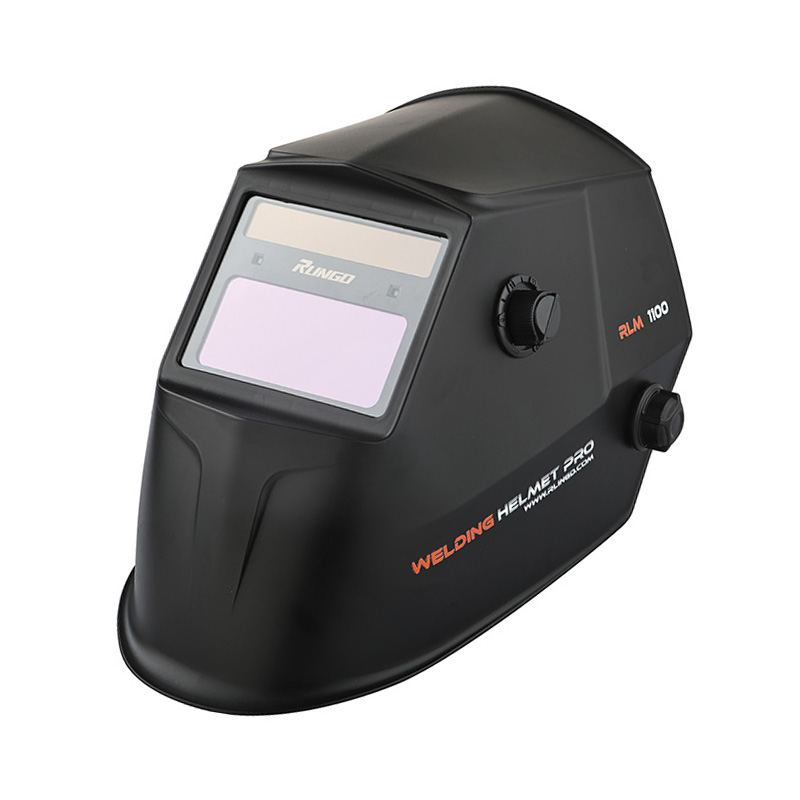
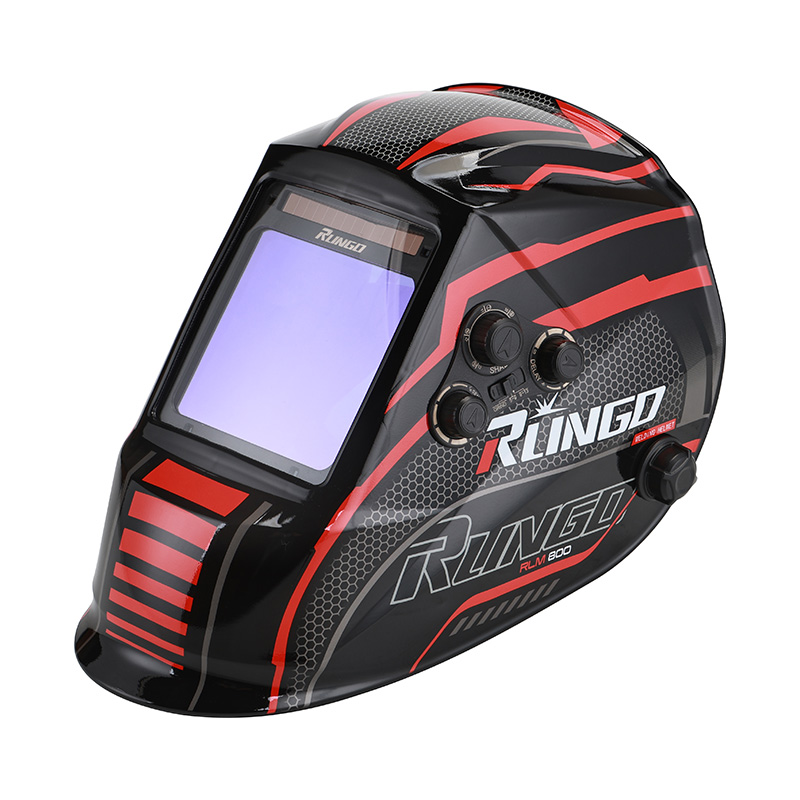
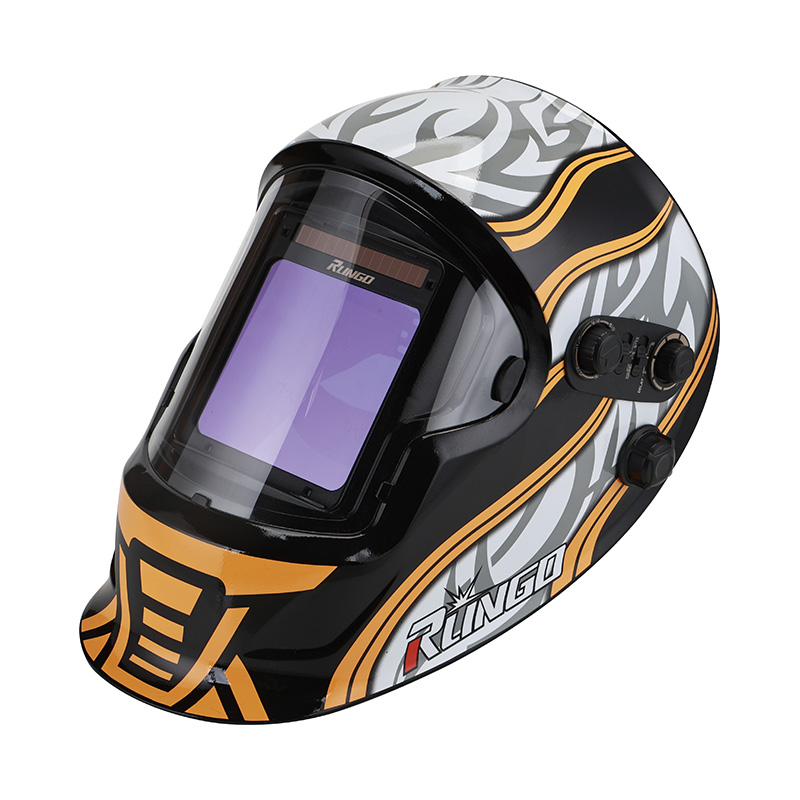
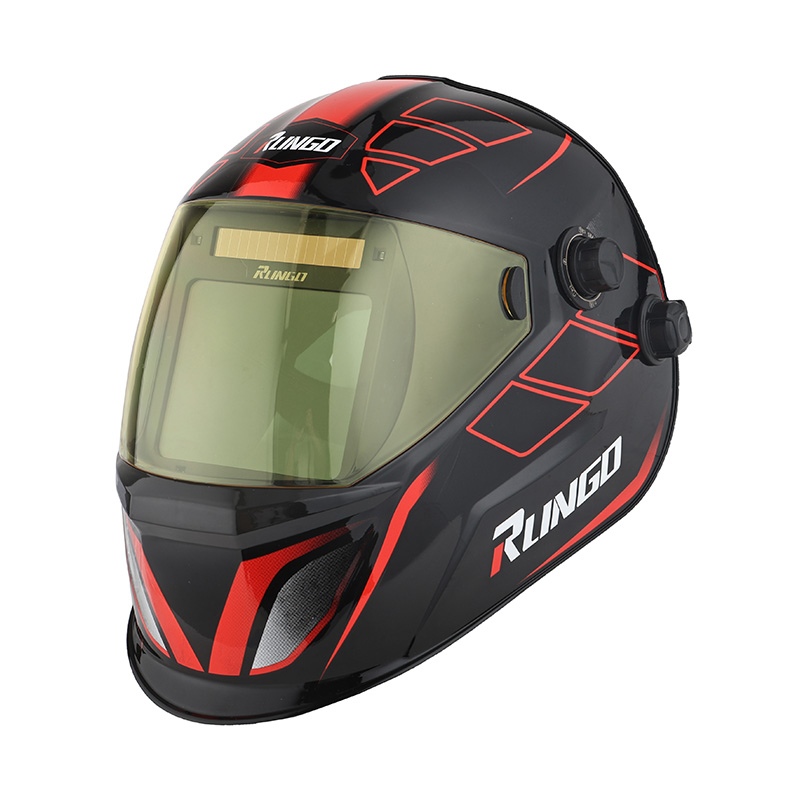

Welding work does not always happen in a large workshop with plenty of room to m...
Read More
-
What Is a Welding Helmet Protective Sheet?
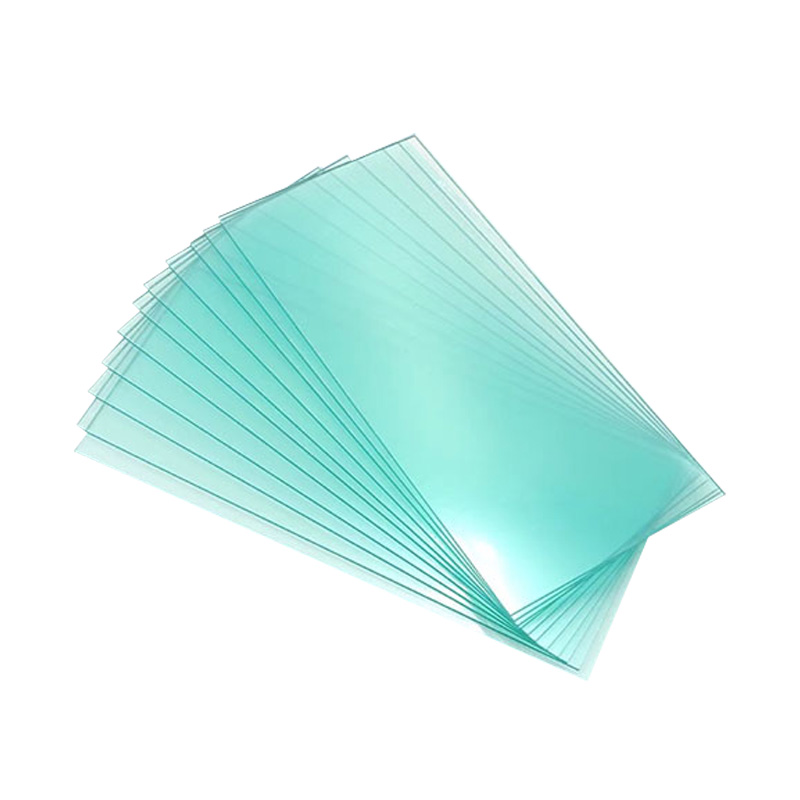
A Welding Helmet Protective Sheet is the clear cover placed over the lens area of a welding helmet. It sits on the outside or inside of the lens, depending on the helmet design, and helps protect the filter from sparks, dust, spatter, and everyday wear.
It is a small part, but in welding work, small parts matter more than people think. Once the protective sheet gets scratched or dirty, the helmet becomes harder to use, and the lens underneath starts wearing out faster than it should.
For welding shops, fabrication plants, and industrial suppliers, a Welding Helmet Cover Lens is usually treated as a consumable item. It is something buyers keep in stock and reorder regularly along with helmets, replacement lenses, and other welding accessories.
Product Features
The main job of a protective sheet is simple: protect the lens without getting in the way.
- High-impact resistance : A good cover sheet needs to handle sparks, flying particles, and the general rough treatment that comes with welding work. It should absorb daily wear so the lens underneath stays in better shape for longer.
- Heat resistance : Welding environments can get hot, and the sheet has to hold up without warping or losing shape. That is especially important in jobs where the helmet is used for long periods.
- Clear visibility : The sheet should stay transparent enough for the user to see the work area properly. If it becomes cloudy too quickly, it stops doing its job well.
- Proper fit : Different helmets use different lens sizes, so the protective sheet needs to match the helmet properly. A poor fit makes installation annoying and can affect how well the lens is protected.
- Easy replacement : Since this is a wear part, it should be easy to swap out when needed. That is one reason a Welding Helmet Cover Lens works well as a repeat-order item in the B2B market.
Simple Production Process
The production process is pretty direct, but the details still matter.
- It starts with the raw material. Most protective sheets are made from clear plastic materials such as polycarbonate or similar transparent sheets. These materials are chosen because they strike a decent balance between clarity and durability.
- Next, the material is cut into the correct size and shape. That part sounds simple, but it matters a lot. If the size is even slightly off, the sheet will not fit the helmet properly.
- After cutting, the edges are trimmed and cleaned up. Rough edges can make the product harder to install and give it a cheap feel.
- Then the sheets go through inspection. Workers usually check clarity, thickness, surface condition, and dimensions. Since the product is meant to protect the lens, the transparency has to stay stable.
- Finally, the finished sheets are packed for shipment. Because they are flat and lightweight, packing is usually simple, but it still needs to keep them from bending or getting scratched in transit.
Common Applications
Welding helmet protective sheets are used anywhere welding helmets are part of the daily routine.
In fabrication shops, they are part of regular helmet maintenance. Welders work around sparks, heat, and dust all the time, so replacing the cover sheet regularly helps extend the life of the lens.
In manufacturing plants, they are often used for repair work, equipment assembly, and metal processing. Workers may not think much about the cover sheet itself, but they notice pretty quickly when the lens underneath stays cleaner for longer.
Construction crews also use them during on-site welding and steel installation. These jobs tend to be dusty and rough, so having a replacement protective layer on hand makes sense.
For distributors, the Welding Helmet Cover Lens is a useful accessory product because it fits naturally into welding helmet sales, spare parts programs, and industrial safety supply lines. It also moves well through retail and export channels because it is easy to understand and easy to stock.
What Buyers Usually Care About
When buyers source welding helmet protective sheets, they usually focus on a few practical things.
- Clarity is usually the first check. The sheet needs to stay clear enough for the user to see through it without too much distortion.
- Fit matters just as much. If the sheet does not match the helmet size or lens frame properly, installation becomes a hassle and the product quickly loses value.
- Durability is another big one. Buyers want a sheet that can handle normal welding conditions and protect the lens for a reasonable amount of time before replacement.
- Thickness and flexibility are worth looking at too. If the sheet is too thin, it may wear out early. If it is too stiff, it can be awkward to install or use.
- Packaging efficiency is important for importers and wholesalers. These sheets are usually bought in volume, so buyers want packaging that protects the product without taking up too much space.
Wholesale and Custom Services
Welding helmet protective sheets are a good fit for wholesale programs because they are lightweight, easy to pack, and easy to customize.
Manufacturers can usually provide different sizes, thicknesses, and shapes to match various helmet models. Some buyers want standard sheets for common helmets, while others need more specific sizes for particular product lines.
OEM and ODM services are also common. Buyers may request custom packaging, logo printing, barcode labels, or private-brand cartons. That is useful for distributors who want to build a more complete welding accessory line instead of selling only standard replacement parts.
Some importers also prefer mixed packaging or bulk sets to make warehouse handling easier. Since the product is flat and low-weight, different packing styles are usually easy to arrange.
For buyers who sell helmets and accessories together, the Welding Helmet Cover Lens can be added as a spare part or bundled accessory. That gives the end user more value and gives distributors another item to keep in stock.
Summary
A Welding Helmet Protective Sheet is a simple replacement part, but it is something many welding users need on a regular basis. By adding an extra layer in front of the lens, it helps reduce damage from sparks, dust, and daily wear, which can help extend the service life of the helmet.
For distributors and importers, this product is easy to include in a welding accessory range because it is lightweight, easy to store, and often purchased as a spare item. The key is finding a reliable supplier who can provide stable quality, accurate sizing, and consistent production for repeat orders.
-
-
-