
 English
 中文简体
中文简体 русский
 Español
 Inquiry
Industry News
Home / News / Industry News / Auto-Darkening Welding Filter Lens Makes Visibility a Key Part of Welding Protection
2026-09-25
Welding protection is often discussed in terms of shielding and safety. Yet there is another part of the experience that deserves more attention: visibility.
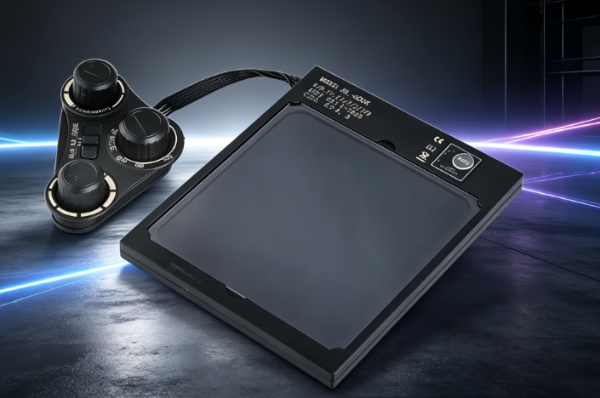
A welder needs to see the working area before, during, and after welding. The view affects how the work is approached, how the weld area is observed, and how easily the surrounding surface can be checked. When the viewing experience changes, the way a welding helmet is used can change with it.
This is where the Auto-Darkening Welding Filter Lens has become an important part of welding equipment design. Instead of treating the filter as a simple layer between the eyes and the welding area, manufacturers and buyers are paying more attention to how the lens supports the overall viewing experience.
The shift is meaningful for the welding equipment industry. Protection is no longer considered separately from visibility. The two are becoming more closely connected.
Welding protection is often discussed in terms of shielding and safety. Yet there is another part of the experience that deserves more attention: visibility.
A welder needs to see the working area before, during, and after welding. The view affects how the work is approached, how the weld area is observed, and how easily the surrounding surface can be checked. When the viewing experience changes, the way a welding helmet is used can change with it.
This is where the Auto-Darkening Welding Filter Lens has become an important part of welding equipment design. Instead of treating the filter as a simple layer between the eyes and the welding area, manufacturers and buyers are paying more attention to how the lens supports the overall viewing experience.
The shift is meaningful for the welding equipment industry. Protection is no longer considered separately from visibility. The two are becoming more closely connected.
A welding helmet has an obvious protective role. It creates a barrier between the user and the welding environment. However, protection does not mean that the user should lose awareness of the work area.
A clear view helps the welder understand the position of the workpiece and observe what is happening around the welding point. It also makes it easier to move between preparation, welding, and inspection. These simple actions are part of everyday welding work.
This gives the filter lens a different position within the helmet. It is not only there to block unwanted light. It also affects what the user can see and how the work area feels through the helmet.
For buyers, this can change the way a welding helmet is evaluated. Instead of looking only at the outer shell or overall appearance, attention may also move toward the filter lens. The lens has a direct relationship with the user's view.
| Welding Helmet Element | Relationship with Visibility |
|---|---|
| Outer shell | Creates the main protective structure |
| Filter lens | Controls the user's view of the welding area |
| Viewing area | Influences how much of the work can be observed |
| Lens design | Can affect the overall viewing experience |
| Adjustment features | Help match the helmet with different working preferences |
The growing focus on visibility also reflects a broader change in product expectations. Users often want equipment that fits naturally into their working habits. A filter lens that responds to changing light conditions can become part of that experience rather than simply an additional protective component.
Traditional welding protection often requires the user to think about when the lens should be darkened. An auto-darkening design approaches the problem differently.
The lens can remain in a lighter viewing state when the user is preparing or positioning the work. When welding begins, the filter changes to a darker state. This allows the user to maintain a more continuous relationship with the work area instead of repeatedly adjusting the helmet or relying on a separate viewing method.
That difference may seem small, but it can influence the rhythm of welding work.
Preparation is easier to observe when the viewing area is not unnecessarily dark. The user can position the workpiece, check the surrounding area, and prepare for welding while keeping the helmet in place. Once welding starts, the lens responds to the change in the environment.
The result is not simply a darker or lighter lens. It is a different way of interacting with the helmet.
This is one reason the Auto-Darkening Welding Filter Lens has become relevant to product development. The lens is closely connected with the user's movement, attention, and view. Its role reaches beyond the basic idea of shielding the eyes.
The filter lens is one part of a larger helmet, but its position gives it a direct influence on the user's experience.
A helmet can have a strong outer structure and still feel inconvenient if the viewing area does not suit the work. A narrow or poorly positioned view may require more head movement. A design that allows a more natural view can make it easier to observe the work surface.
Lens design therefore needs to consider more than appearance. The shape, position, and relationship between the lens and the helmet can all affect how the user sees the work.
Manufacturers also need to consider different welding habits. Some users spend long periods working in one position. Others move frequently between different work areas. Some may need to inspect the surrounding surface often. These differences create varied expectations for the filter lens.
A practical welding helmet should therefore be considered as a complete system.
The filter lens supports the view. The helmet holds the lens in place. The overall structure determines how the equipment sits around the user's face. When these elements work together, visibility becomes part of the product design rather than an isolated feature.
This perspective also gives welding equipment manufacturers more room to develop different product directions without relying only on appearance.
Visibility can influence small decisions throughout a working session.
A welder may need to position a workpiece, check an edge, change direction, inspect the surrounding area, or prepare for another welding action. These tasks do not always happen under the same visual conditions.
With an Auto-Darkening Welding Filter Lens, the transition between preparation and welding can feel more natural. The user can keep the helmet on while working through different stages.
This can be especially relevant when the helmet is used frequently. Small interruptions may become noticeable over time. A design that reduces unnecessary adjustments can make the equipment feel easier to use.
There is also a psychological side to visibility. When users can maintain awareness of their work area, the helmet may feel less like an obstacle and more like part of the working process.
That distinction matters in product development. Welding equipment is used by people, not machines. Comfort, visibility, movement, and ease of operation all influence how a product fits into daily work.
For this reason, the filter lens is increasingly connected with the concept of user experience. The discussion is moving away from protection alone and toward how protection can coexist with a practical view.
Purchasing decisions in the welding equipment market often involve several considerations. The helmet needs to suit the intended work, but it also needs to be convenient enough for regular use.
The filter lens can influence that decision because it sits directly in the user's line of sight.
Buyers may consider how easily they can see the work area before welding. They may also think about how the lens behaves once welding begins. The transition between different viewing conditions becomes part of the overall experience.
For distributors and equipment suppliers, this creates another way to explain product differences. Rather than describing a welding helmet only through its external structure, they can discuss the relationship between the helmet and its filter lens.
A useful buying discussion may include questions such as:
These questions are practical because they connect product features with actual use.
They also help avoid a common problem in equipment purchasing. A product may look suitable when viewed from the outside, but its usefulness becomes clearer only when the user considers how it will be worn and used during real work.
The growing role of the filter lens points toward a broader change in welding helmet design.
For a long time, protective equipment could be viewed mainly through its protective function. Modern users often expect more from equipment that they wear throughout the working process. They may care about visibility, movement, comfort, convenience, and how naturally the equipment fits into their routine.
This does not reduce the importance of protection. Instead, it places protection within a wider user experience.
The Auto-Darkening Welding Filter Lens is a useful example of this change. Its function is directly related to protection, but its effect can also be felt in visibility and interaction.
A more user-centered design approach may therefore ask different questions. How does the user prepare before welding? How often does the user need to look away from the welding area? How does the helmet behave when the work changes? Can the user keep the helmet in place without making routine adjustments?
These questions can influence future product development.
They can also encourage manufacturers to think about the filter lens at an earlier stage of helmet design. Instead of treating it as a component added to an existing structure, the lens can be considered as part of the overall viewing system.
Product development begins with understanding how the equipment will be used.
For an Auto-Darkening Welding Filter Lens, this means looking closely at the relationship between protection and visibility. The lens needs to support the protective purpose of the helmet while also giving users a practical way to observe their work.
The viewing experience is influenced by several connected elements. Lens placement matters. The surrounding helmet structure matters. The way users move their heads matters. Even the transition between preparation and active welding can affect how the product feels.
Manufacturers may therefore approach lens development from several directions.
These considerations create opportunities for manufacturers to develop welding helmets around actual use rather than focusing only on external appearance.
The growing interest in visibility suggests that filter lenses may receive more attention as welding equipment continues to evolve.
A welding helmet is no longer simply something placed over the head during welding. It is part of the user's working environment. The helmet affects what the user sees, how the user moves, and how the user interacts with the work area.
The filter lens sits at the center of that relationship.
As users become more aware of viewing comfort and practical operation, the lens may become a more visible part of purchasing discussions. Manufacturers may also place greater emphasis on the connection between lens design and the overall helmet structure.
This could influence how welding equipment is presented in the market. Instead of describing a helmet only through its protective role, product information can explain how the filter supports different stages of work.
For distributors, this creates a more useful way to communicate with customers. For manufacturers, it creates another area for product development. For users, it makes the choice of filter lens a more relevant part of selecting welding protection.
The change is subtle but important. Visibility is no longer something that sits outside the discussion of protection. It is becoming part of how protection is experienced.
An Auto-Darkening Welding Filter Lens reflects this shift clearly. The lens protects the user's view while helping maintain a connection with the work area. Its value lies not only in what it blocks, but also in what it allows the user to continue seeing.
As welding equipment develops around real working habits, the filter lens has more opportunities to become a central part of that conversation.

Model: RLM 700
Model: RLM 1000
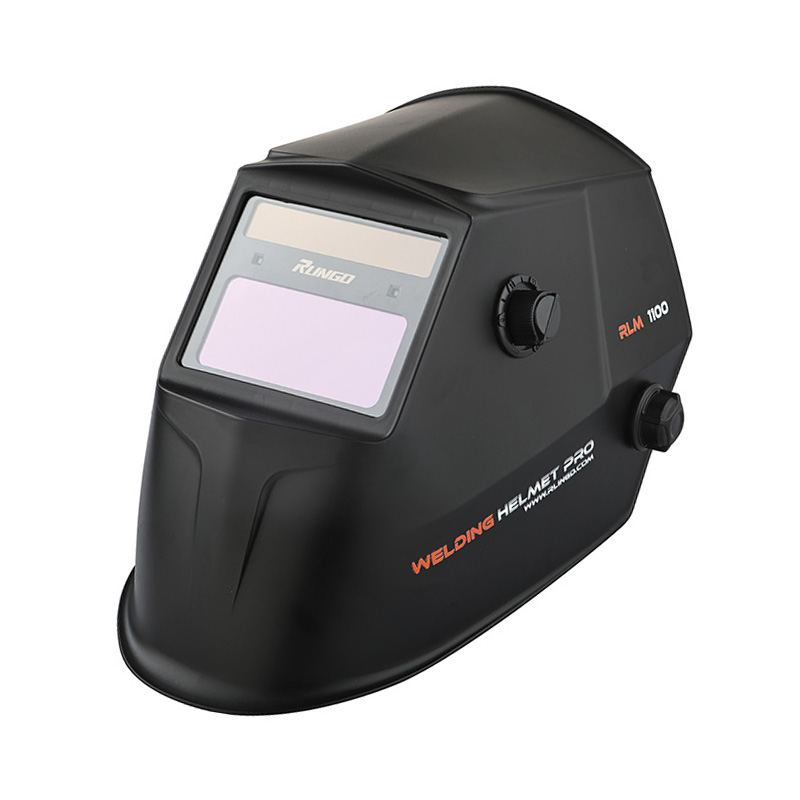
Model: RLM 1100
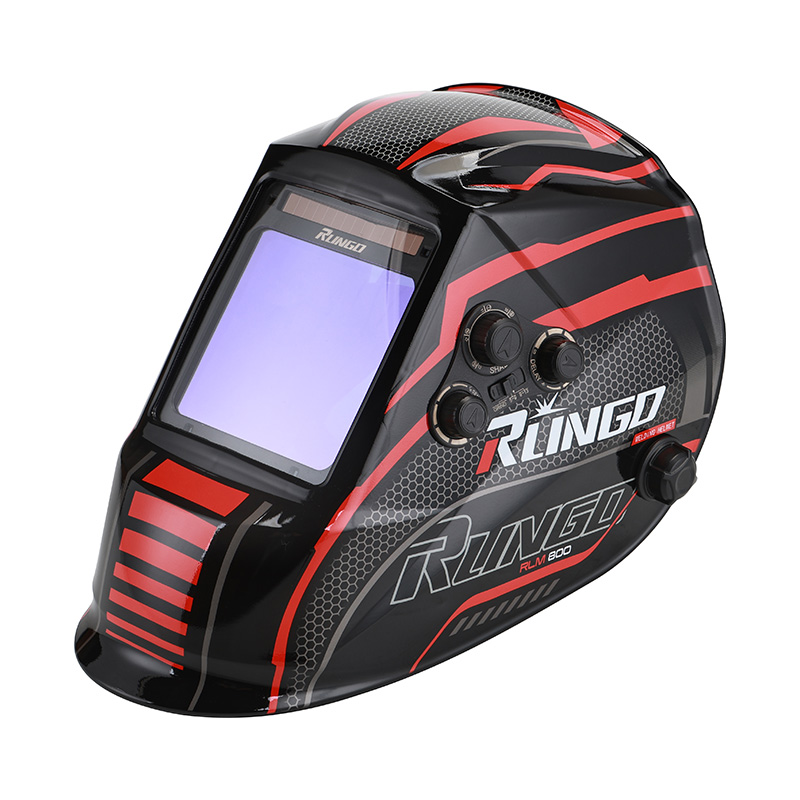
Model: RLM 800
Model: RLM 900
Model: RLM 1200

Building 7, Zeguo Electromechanical Pioneer Park, No.1 Park Road, Zeguo Town, Wenling,Taizhou City, Zhejiang Province, China
Tel: +86-0576-86442210
FAX: +86-0576-86442210
Phone: +86-15669702909
Copyright © Taizhou Ruiling Optoelectronics Technology Co., Ltd.
Auto Darkening Welding Helmet Factory