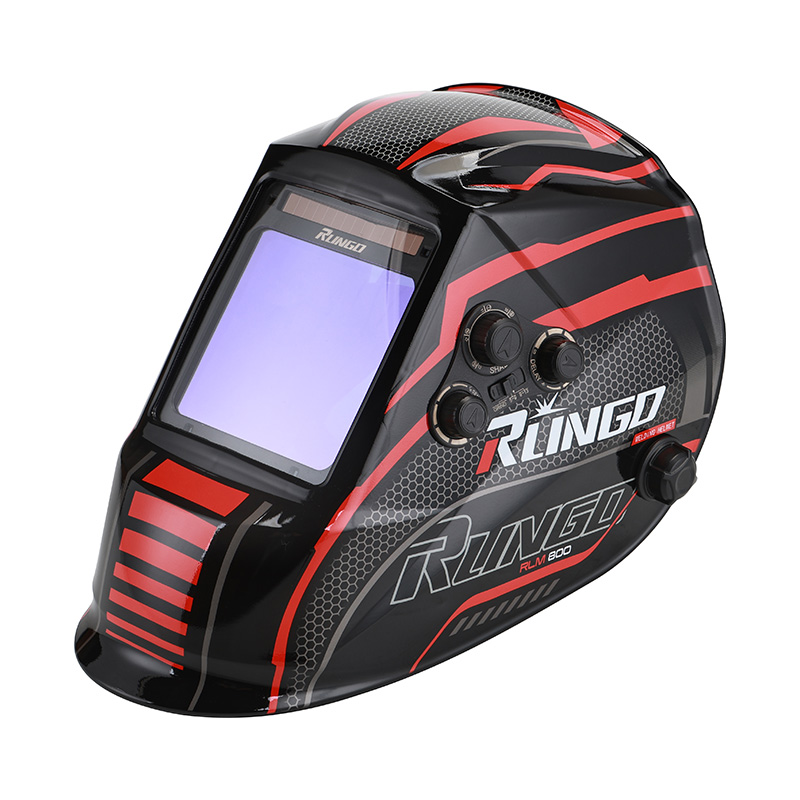
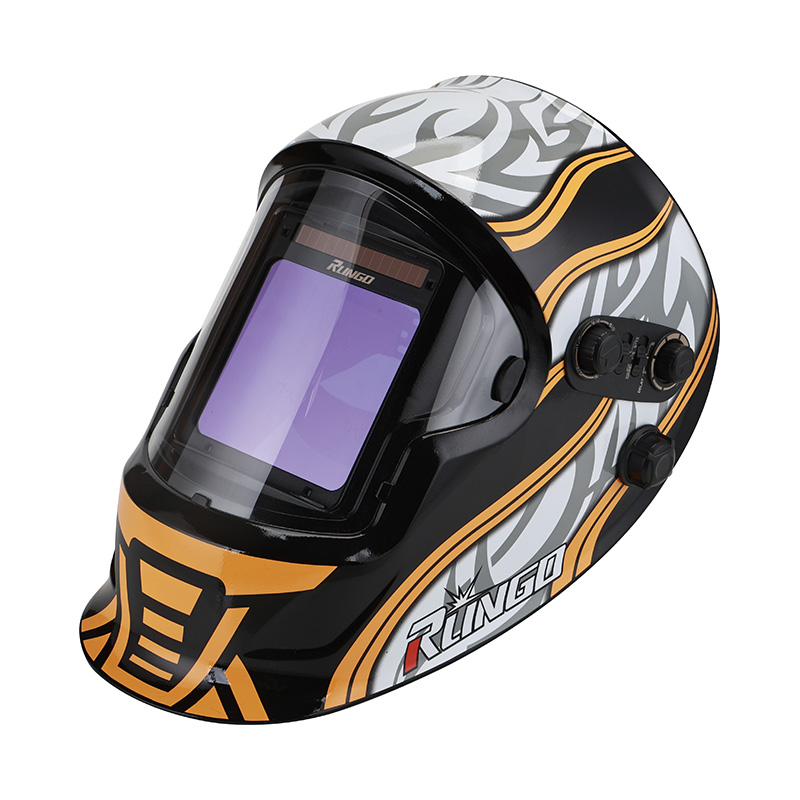
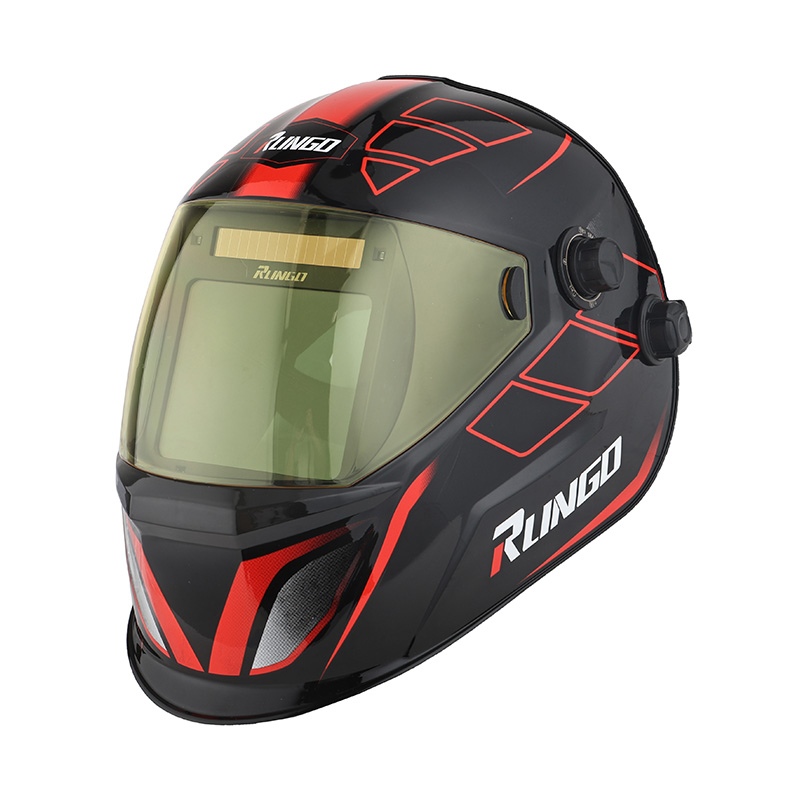
A welding lens may look like a small part of a welding helmet, but its role becomes noticeable the moment welding begins. Before the arc is created, the user needs to see the work area clearly. Once welding starts, the view needs a different level of protection.This creates an interesting change in how the lens behaves.
A Self Darkening Welding Lens is designed to respond to the change in light produced during welding. Its appearance can shift from a clearer viewing state to a darker state when the welding process begins. When welding stops, it can return to a lighter viewing state.
The change happens as part of the lens design. It is intended to reduce the need for the user to repeatedly move or adjust the helmet just to change between viewing and welding.
This simple change can influence the way a welding task feels. It can affect how the work area is viewed before welding, how the user follows the weld during the process, and how easily the surrounding area can be seen after the arc stops.
Understanding this process also helps buyers compare self-darkening lenses with more traditional welding lens designs.
What Happens to a Self Darkening Welding Lens When Welding Starts?
Before welding begins, the lens remains in a lighter viewing condition. This allows the user to see the work area and position the welding equipment. The user can check the joint, material, and surrounding workspace without removing the helmet.
When the welding arc appears, the light reaching the lens changes sharply. The lens responds to this change and moves into a darker state.
The purpose of this transition is not simply to make the lens look darker. The darker viewing condition is intended to provide a more suitable level of protection while the user observes the welding process.
The change is automatic. The user does not need to manually replace the lens or repeatedly lift the helmet to switch between two viewing conditions.
This creates a different workflow from a traditional fixed lens. The user can keep the helmet in place while moving from preparation into active welding.
How Does the Lens Know When Welding Has Started?
The change begins when the lens detects the strong light associated with the welding arc. A self-darkening lens contains a sensing and control system that responds to this change.
The exact internal construction can vary between products, but the basic idea is straightforward. The lens monitors the light around the welding area. When the light changes in a way associated with welding, the lens changes its viewing state.
This process is important because welding does not always take place in exactly the same environment. Indoor work, outdoor work, open work areas, and more enclosed spaces can present different background lighting.
The lens therefore needs to respond to the actual change in light rather than relying on the user to make a manual adjustment.
A simple way to understand the process is:
| Stage |
Lens Condition |
User Activity |
| Before welding |
Lighter viewing state |
Positioning and checking the work |
| Welding begins |
Responds to the arc |
Transition into darker viewing |
| During welding |
Darker viewing state |
Observing the welding process |
| Welding stops |
Returns toward lighter viewing |
Checking the work area |
This sequence is one reason self-darkening technology has become associated with convenience in welding helmets. The lens changes as the activity changes.
Why Does the Lens Become Darker During Welding?
The brightness produced during welding is very different from ordinary workplace lighting. Direct observation of the welding arc is not the same as looking at a workbench, workshop, or outdoor area.
A darker lens condition changes the amount of light passing through the viewing area. This allows the user to observe the welding process through a more suitable viewing condition.
The important point is that darkness is part of the protection system. It is not simply an aesthetic feature.
A welding helmet also needs to remain useful before and after the active welding process. If the lens stayed dark all the time, the user would have a harder time seeing the work area while preparing the task.
This creates a practical reason for the lens to have different states. A lighter state supports preparation and general viewing. A darker state is used during active welding.
The transition between these states is what makes a self-darkening design different from a fixed viewing lens.
What Happens When the Welding Arc Stops?
The lens does not remain in the darker state after welding ends. When the strong welding light disappears, the lens begins to return to its lighter viewing condition.
This change is useful because the work does not end when the arc stops. The user may need to inspect the joint, reposition the material, prepare another section, or move to a different part of the workspace.
With a self-darkening lens, the viewing condition changes along with the activity. The user can remain focused on the work rather than repeatedly lifting the helmet.
The return to a lighter state also helps restore a broader view of the surrounding area. This can make transitions between welding and preparation feel more natural.
The process can therefore be viewed as a continuous cycle:
Clearer viewing → welding begins → darker viewing → welding stops → lighter viewing
The cycle may repeat throughout a working session. Each new welding action can trigger another change in the lens.
How Does This Change Affect the Everyday Welding Experience?
The most noticeable difference may be workflow. With a traditional fixed lens, the user may need to raise the helmet to see the work area clearly before welding. The helmet then needs to be lowered again before the arc begins.
A self-darkening lens changes this sequence. The user can keep the helmet down while preparing to weld and allow the lens to change when welding begins.
This can reduce unnecessary movement. It can also make it easier to keep attention on the work area.
The effect can be particularly noticeable when a task involves repeated starts and stops. Welding may not always be one continuous action. A user may weld a section, stop, inspect the work, reposition the material, and start again.
A self-darkening lens can support this repeated workflow by changing between viewing conditions without requiring manual lens replacement.
Several everyday situations may benefit from this type of operation:
- Positioning the work
A lighter viewing condition can help the user see where the welding action will take place.
- Starting the weld
The lens responds as the welding arc begins.
- Following the weld
The darker state allows the user to observe the active welding area.
- Checking the result
When welding stops, the lens can return toward a lighter state for the next task.
The benefit is therefore connected to continuity rather than simply the darkness of the lens.
Can Self Darkening Lenses Support Different Welding Environments?
Welding takes place in many settings. A workshop may have controlled lighting. A construction area may have changing background conditions. Outdoor work can introduce natural light and changing surroundings.
A self-darkening lens needs to operate within these different visual environments. Its sensing function is designed to distinguish the strong light associated with welding from normal surrounding light.
This makes the lens relevant to a range of working situations. However, the actual suitability of a particular lens still depends on its design, the welding process, the helmet, and the working environment.
Users should not assume that every self-darkening lens will behave in exactly the same way. Different products can use different sensing arrangements and viewing designs.
This is an important consideration for buyers. A lens should be selected according to the actual work rather than simply because it has an automatic darkening function.
For professional users, the surrounding work environment can be especially important. A lens used in a busy workshop may face different conditions from one used in outdoor fabrication or occasional maintenance work.
The same basic technology can therefore serve different applications, but product selection still requires attention to the intended setting.
What Should Buyers Look at When Choosing a Self Darkening Welding Lens?
The automatic darkening function is only one part of the product. Buyers should also consider how the lens fits into the overall welding workflow.
Visibility before welding is important. A user needs to position materials and equipment without struggling to see the work area. The lens should provide a useful viewing experience when the welding arc is not active.
The change into the darker state also matters. A smooth and appropriate transition can influence how comfortable the helmet feels during repeated welding tasks.
The return to the lighter state is another consideration. Welding often involves more than the active arc. Users may need to inspect the work, move materials, or prepare another joint.
Buyers can use several questions when comparing products:
| Buying Consideration |
Why It Matters |
| Viewing clarity |
Helps with preparation and general work |
| Automatic darkening |
Allows the lens to respond when welding begins |
| Return to lighter viewing |
Supports work between welding actions |
| Sensor arrangement |
Influences how the lens responds to welding light |
| Lens coverage |
Affects the overall viewing area |
| Maintenance needs |
Helps keep the viewing area usable over time |
| Helmet compatibility |
Ensures the lens suits the intended helmet design |
These factors can provide a more balanced basis for selection. A self-darkening function is useful, but it should be considered alongside the complete working experience.
The lens also needs regular care. Dust, scratches, and residue can affect visibility. Keeping the viewing area clean and following the product's care instructions can help maintain its intended use.
Could Self Darkening Technology Influence Future Welding Helmet Design?
The changing lens has already influenced how people think about welding helmets. Instead of treating the viewing area as a fixed part of the helmet, manufacturers can design it around changing conditions.
This creates room for different approaches to helmet design. Viewing areas can be considered in relation to comfort, visibility, user movement, and the way welding tasks are performed.
Customization may also become more relevant. Different users have different working habits. A person who performs repeated welding tasks may have different preferences from someone who welds occasionally.
The wider trend is toward welding equipment that fits more naturally into the workflow. Rather than asking the user to constantly adapt to the equipment, product design can respond to changes in the task.
Self Darkening Welding Lenses are part of that shift. Their main feature is simple to describe: the lens changes when welding starts and returns toward a lighter condition when welding stops.
Yet that small change affects the entire rhythm of using a welding helmet. It connects preparation, active welding, inspection, and repositioning within one continuous viewing experience.


 English
 中文简体
中文简体 русский
 Español
 Inquiry