
 English
 中文简体
中文简体 русский
 Español
 Inquiry
Industry News
Home / News / Industry News / Mini Welding Helmet Brings Compact Protection to Everyday Welding Work
2026-09-11
Welding work does not always happen in a large workshop with plenty of room to move. Many jobs take place in small repair areas, personal workshops, maintenance spaces, garages, or temporary work locations. In these settings, the size and handling of protective equipment can affect the way a worker approaches the task.
This is where the Mini Welding Helmet has gained attention. Its compact form is designed around a simple practical idea. Welding protection should not make everyday work feel unnecessarily difficult.

A smaller helmet can be easier to store and carry. It may also feel more manageable when working around limited space. At the same time, compact design should not be viewed as a replacement for proper welding protection. Users still need to select protective equipment that matches the welding task and follow appropriate safety practices.
The growing interest in Welding Helmets also reflects a broader change in welding equipment. Users are looking for products that fit naturally into their working habits. They want protective gear that can move with them rather than equipment that only works well in a fixed workshop.
Welding environments can vary greatly. A large fabrication area gives workers more room to position themselves. A repair job may offer much less space. A worker could be dealing with a metal frame, vehicle component, pipe, machine part, or structure that limits movement.
In a tight area, bulky equipment can feel more noticeable. It may affect how a worker turns the head, changes position, or reaches the working area. A compact welding helmet can offer a more manageable form for situations where space is limited.
This does not mean that smaller automatically means more suitable. The right choice depends on the task, the working environment, and the user's protective needs. The value of a Mini Welding Helmet comes from how its size works with those factors.
Storage is another practical issue. Welding equipment often shares space with tools, materials, cables, and other protective gear. A compact helmet can be easier to place in a toolbox area, workshop cabinet, or vehicle without taking up unnecessary room.
For mobile workers, this can matter even more. Equipment may need to travel between different work areas. A helmet that is simple to carry can become a more natural part of a portable welding setup.
Limited space changes the way people work. A welder may need to bend, turn, reach, or move around an object while keeping a clear view of the work area. The helmet becomes part of that movement.
A compact design can help reduce the feeling of having a large object around the head. This can be useful when the surrounding structure is close to the worker.
Consider a repair task inside a narrow workshop area. The worker may already have limited room because of nearby equipment or materials. A smaller helmet can be easier to handle when changing position.
The same idea applies to maintenance work. Not every welding task involves a new structure placed conveniently on a workbench. Some repairs happen where the equipment is already installed. The working environment may determine how much freedom the user has.
| Working Situation | Why Compact Design May Matter |
|---|---|
| Small Workshop | Easier to Store and Handle |
| Repair Work | Supports Movement Around Existing Structures |
| Mobile Welding | Convenient to Carry Between Locations |
| Garage Projects | Fits Smaller Working Areas |
| Maintenance Tasks | Can Be Easier to Manage Around Equipment |
| Personal Workshop | Takes Less Storage Space |
The helmet itself does not solve every challenge in a confined workspace. Good preparation remains important. The surrounding area should be organized, the work surface should be stable, and appropriate protective equipment should be used for the specific task.
Everyday welding can involve many small jobs. A worker may not spend the entire day on one large project. Instead, the routine could include repairs, adjustments, fabrication tasks, and maintenance work.
For this type of use, convenience becomes part of the equipment decision.
A helmet that is easy to pick up, put on, store, and carry can fit more naturally into a busy workday. This may sound simple, but small conveniences can influence how people organize their tools.
The compact format can also be useful for users who have limited storage. A personal workshop does not always have a large equipment cabinet. Space may already be occupied by hand tools, power tools, materials, and spare parts.
A smaller helmet gives users another way to manage that space.
Portability is also becoming more relevant. Some welding work moves from one location to another. A worker may keep protective equipment in a vehicle and take it out only when needed. In this situation, carrying convenience can become an important part of product selection.
The Welding Helmet therefore fits a practical trend in welding equipment. Users are not only asking whether protective equipment performs its intended role. They are also considering whether it fits the way they actually work.
A Welding Helmet can suit different types of welding users, although the right choice always depends on the specific job and required protection.
Professional maintenance workers may appreciate compact equipment when moving between work areas. They often deal with different environments rather than one fixed workstation.
Small workshop operators may also value the design. When workspace and storage are limited, equipment that is easier to manage can make daily organization simpler.
DIY users and hobby welders represent another potential group. Their projects may take place in garages, home workshops, or other small spaces. They may also need to store their welding gear between projects rather than leave it in a dedicated work area.
Repair workers can face similar conditions. Their jobs may involve existing structures that cannot easily be moved into a spacious workshop.
The common factor is not the user's job title. It is the working environment.
| User Type | Potential Consideration |
|---|---|
| Maintenance Worker | Moving Between Different Work Areas |
| Workshop Operator | Managing Limited Workspace |
| Repair Worker | Working Around Existing Structures |
| DIY User | Storing Equipment Between Projects |
| Mobile Welder | Carrying Protective Equipment to Different Locations |
| Hobby User | Using Welding Gear for Occasional Tasks |
This is why compact welding equipment should be considered from a use-case perspective. A smaller design may be convenient for one task and less relevant for another.
Welding can require attention for extended periods. A helmet sits directly on the user's head, so its design can influence how natural the equipment feels during work.
Comfort is not simply about making a helmet feel light. It also involves how the helmet fits, how it stays in position, and how easily the user can adjust it.
A helmet that moves unexpectedly can become distracting. A helmet that does not fit the user's head properly may also become uncomfortable during repeated use.
This is one reason adjustment features matter. Different users have different head shapes and wearing preferences. A practical welding helmet should allow the user to create a secure and comfortable fit.
The shape of the helmet can also affect how the user interacts with nearby objects. A compact profile may feel less intrusive when the worker needs to look around equipment or move close to a workpiece.
Comfort can influence concentration. When protective equipment feels natural to wear, the worker can focus more easily on the task rather than constantly thinking about the equipment.
That does not mean compact size should replace other considerations. Protection remains the central purpose of a welding helmet. Comfort, visibility, fit, and usability should work together.
Choosing a Welding Helmet should begin with the work itself.
Users should consider the type of welding they perform, the environment where the work takes place, and the protective requirements of the task. A helmet intended for occasional workshop repairs may have different priorities from equipment used during regular professional work.
Visibility is another consideration. The user needs to be able to observe the working area appropriately while using the helmet. The viewing experience should support the task without encouraging unsafe positioning.
Fit should also receive attention. A helmet can have a compact exterior and still feel uncomfortable if it does not suit the wearer.
The following questions can help buyers compare options:
Where will the helmet be used?
A small workshop, garage, outdoor location, or maintenance area may create different needs.
How often will it be used?
Occasional users may have different priorities from people who weld as part of their regular work.
How will it be stored?
Storage space can affect whether a compact design provides a meaningful benefit.
How will it be carried?
Mobile users may place greater value on convenient handling.
Does the helmet fit comfortably?
Personal fit can affect the overall experience during work.
Does it provide the protection required for the task?
This should remain a key consideration regardless of size.
These questions help shift attention away from appearance alone. A Welding Helmet may look attractive because of its compact form, but practical suitability depends on the complete use case.
Small workshops have different needs from large industrial spaces. Every part of the workspace may serve several purposes. A workbench can become a welding area, repair station, assembly space, or storage surface depending on the project.
In this environment, compact equipment can make organization easier.
A Welding Helmet can be stored when it is not being used. It can also be moved quickly when another activity needs the same workspace. This flexibility may be particularly useful for users who do not have a permanent welding station.
There is also a connection between equipment size and workflow. When tools are easier to move, workers may spend less time rearranging the workspace.
The effect can be small, but the daily experience can feel different.
Imagine a workshop where a worker finishes a welding task and needs to move on to another repair. If the helmet can be placed away without occupying much space, the transition may be easier. The same applies when equipment needs to be loaded into a vehicle for another job.
Compact design therefore has a role beyond the helmet itself. It can influence how people organize their working environment.
Welding is not always tied to one location. Repairs and maintenance can happen wherever equipment or structures are located.
Mobile work creates a different relationship with tools. Every item must be carried, stored, and prepared before use. Large or awkward equipment can become a burden when many tools are already involved.
A Welding Helmet can fit naturally into this type of workflow because its compact form is easier to manage between locations.
The idea also connects with the growth of smaller workshops and personal fabrication spaces. Not every user needs a large collection of industrial equipment. Some people work on individual projects and prefer tools that can be packed away after use.
This creates demand for equipment that combines practical function with easier handling.
However, portability should never be treated as the only factor. A helmet still needs to be appropriate for the welding process and working conditions. Users should follow relevant safety guidance and make sure the equipment is suitable for the hazards present during the task.
The appeal of the Mini Welding Helmet comes from balance. It brings a smaller form to a category where protection remains essential. It can support easier carrying and storage while fitting into spaces where a larger helmet may feel less convenient.
As welding work becomes more varied in location and scale, compact protective equipment can have a natural place in everyday workshop routines.

Model: RLM 700
Model: RLM 1000
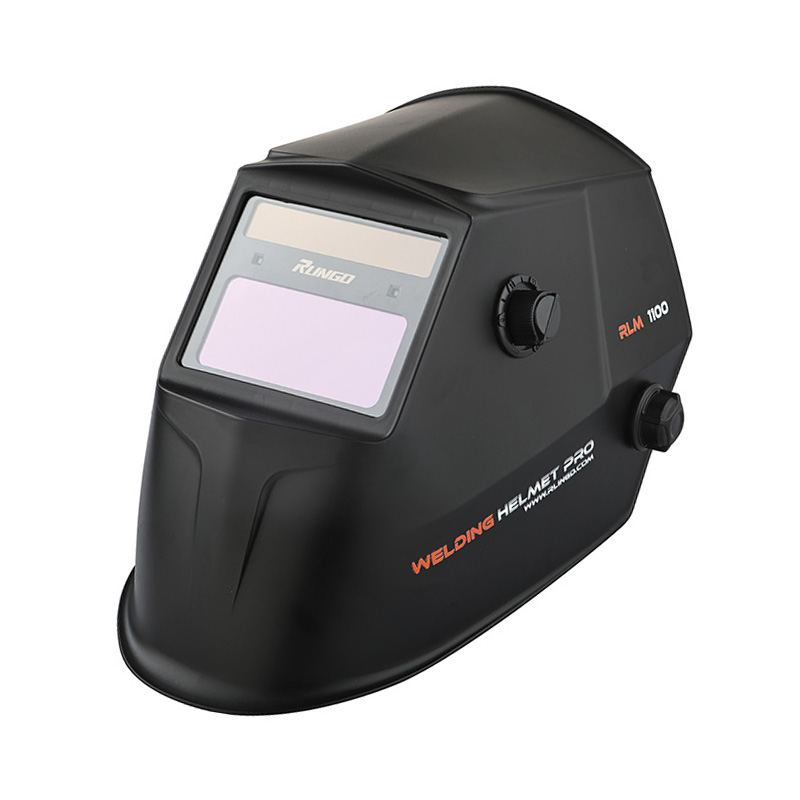
Model: RLM 1100
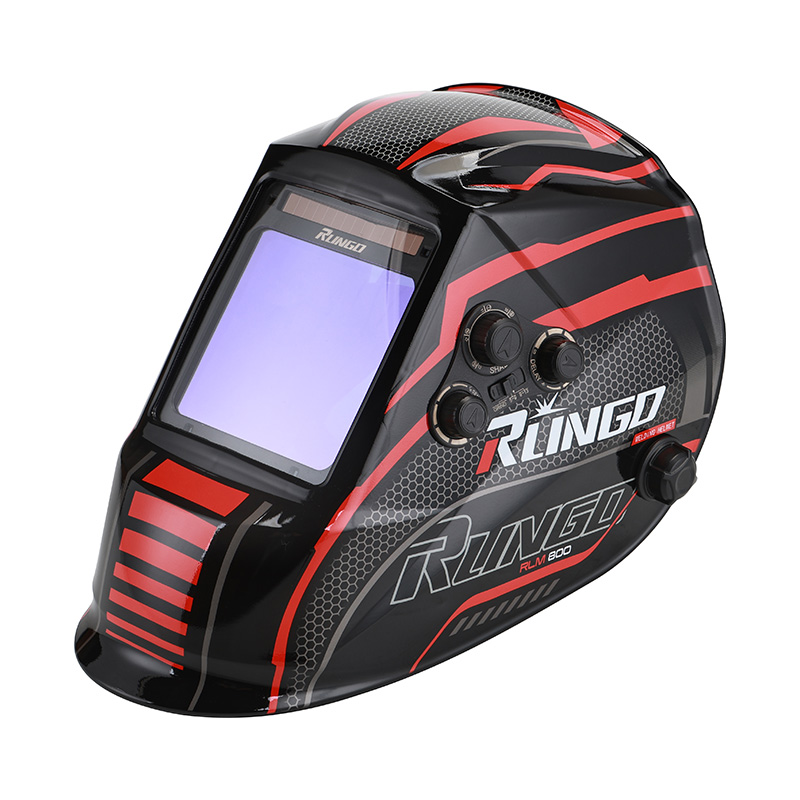
Model: RLM 800
Model: RLM 900
Model: RLM 1200

Building 7, Zeguo Electromechanical Pioneer Park, No.1 Park Road, Zeguo Town, Wenling,Taizhou City, Zhejiang Province, China
Tel: +86-0576-86442210
FAX: +86-0576-86442210
Phone: +86-15669702909
Copyright © Taizhou Ruiling Optoelectronics Technology Co., Ltd.
Auto Darkening Welding Helmet Factory