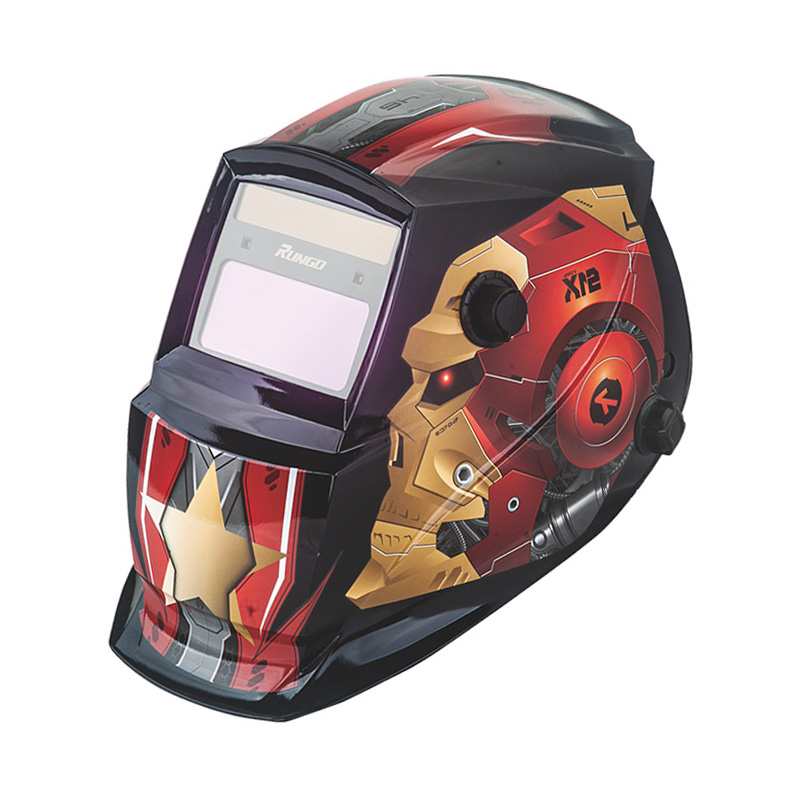
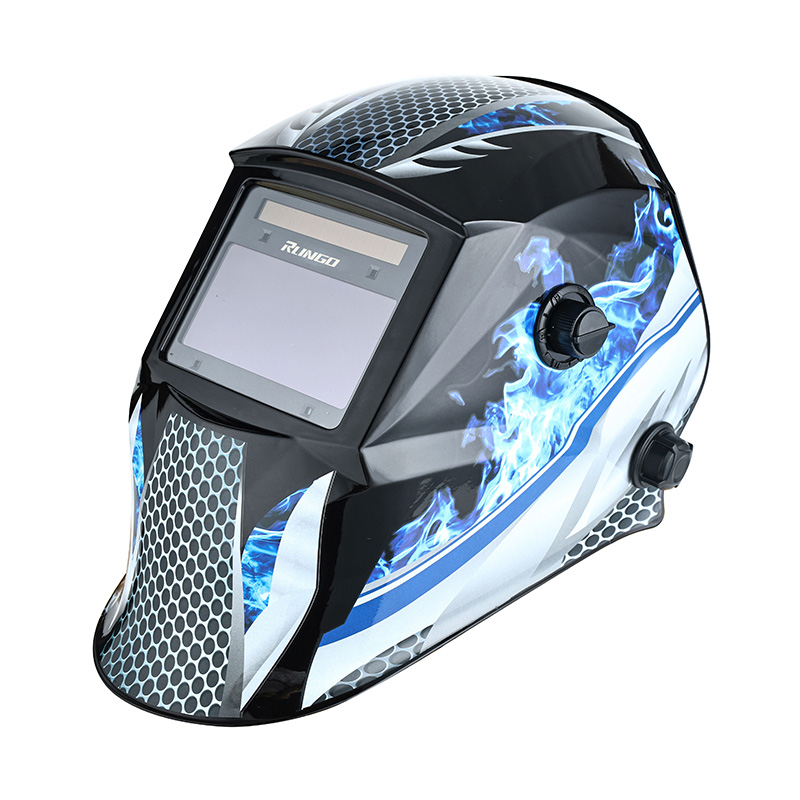
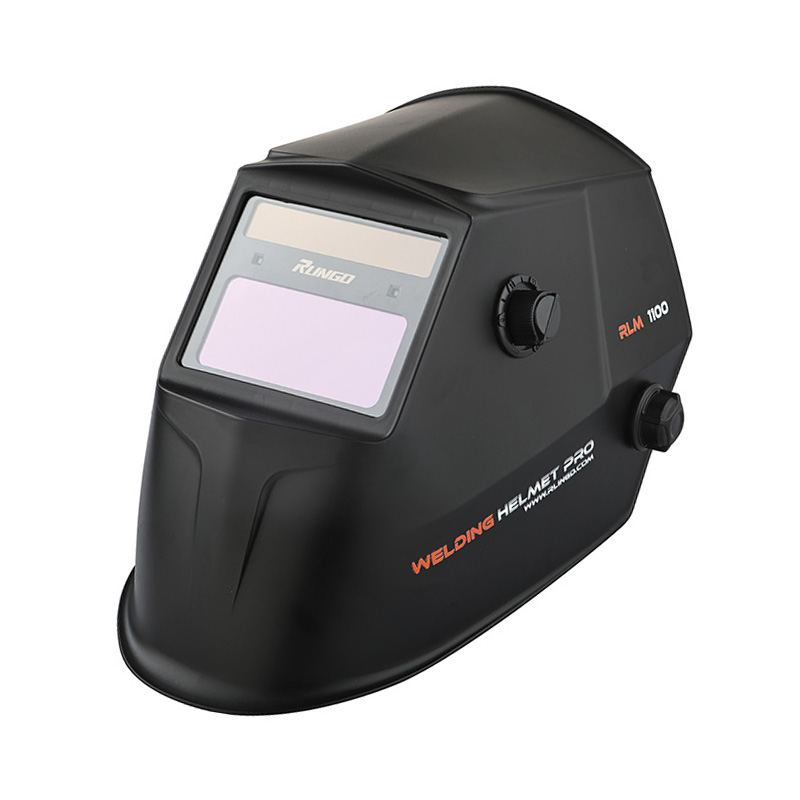
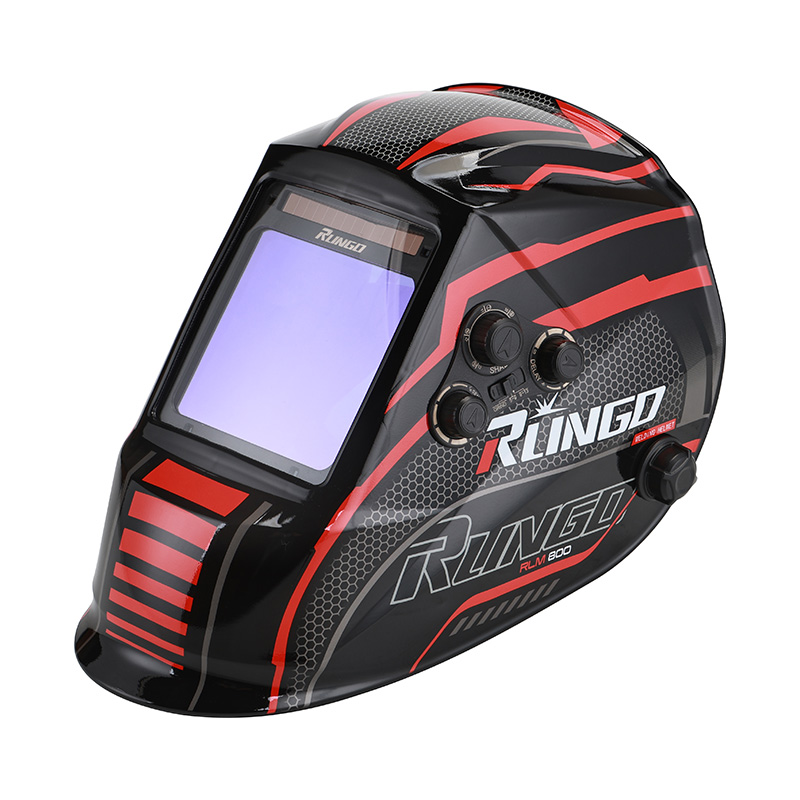
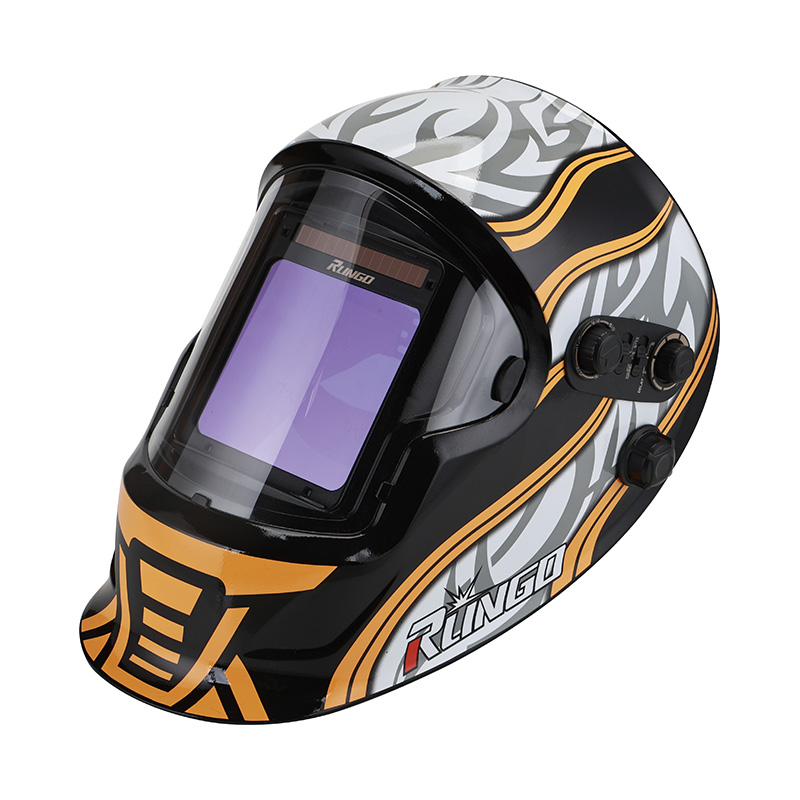
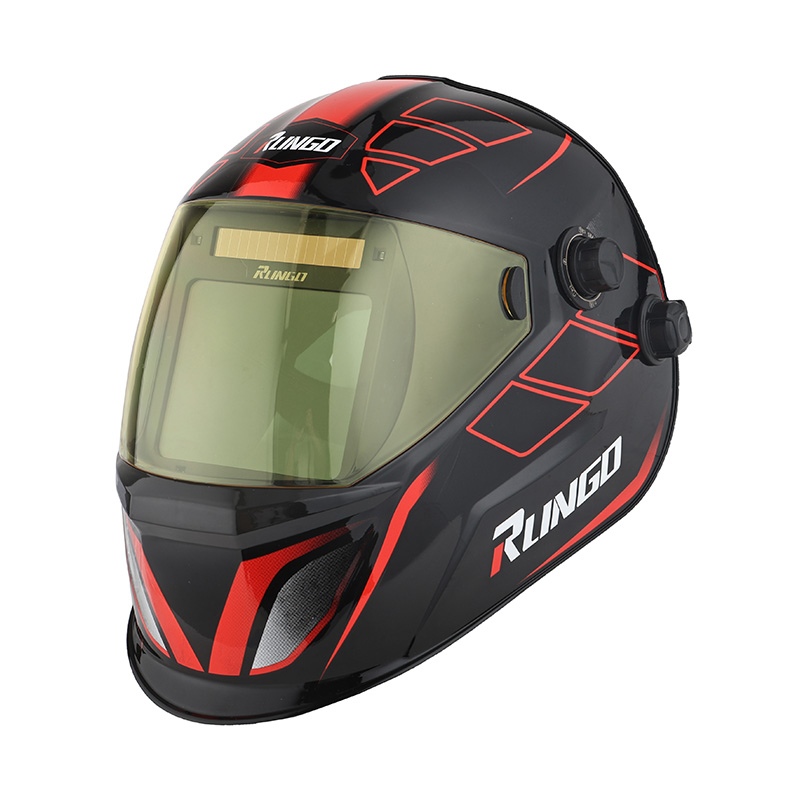
A welding helmet is a familiar part of workshop safety gear. It sits between the worker and the welding area, covering the face and helping create a more suitable viewing environment. Yet simply wearing a helmet does not mean it is being used properly.
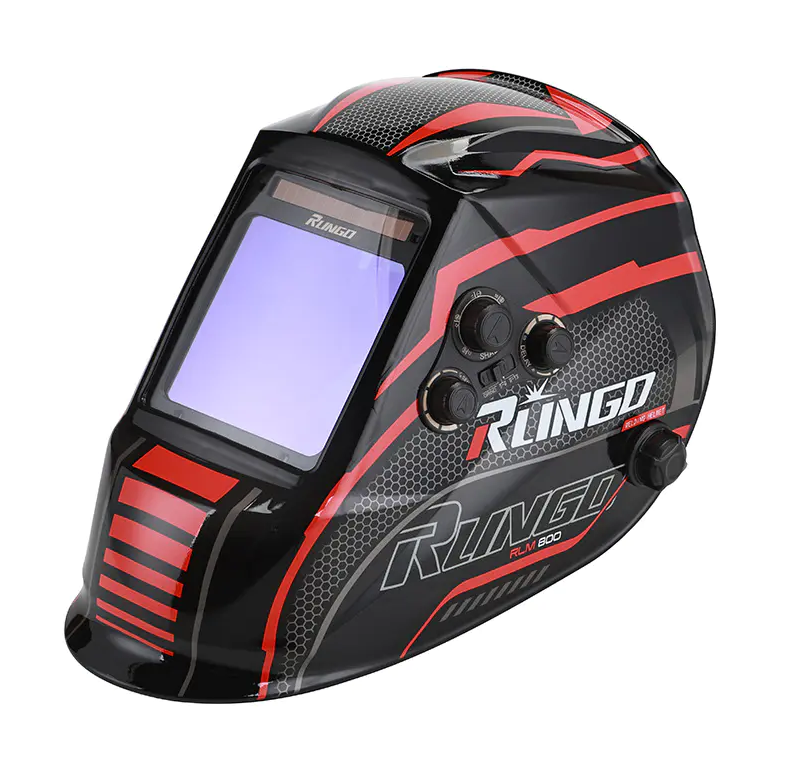
Proper welding helmet use involves several habits. The helmet needs to fit the user, match the work situation, and remain in suitable condition. The wearer also needs to understand how to position it and when to check it before starting work.
This has become an important topic as welding work takes place in many different environments. Small workshops, maintenance areas, fabrication spaces, and outdoor work sites can all have different conditions. A helmet that feels suitable in one setting may require different attention in another.
Welding work involves bright light, heat, sparks, and other conditions that can make direct viewing uncomfortable or unsafe. A welding helmet provides a barrier between the worker's face and the immediate work area. It also helps the wearer view the work through a protected viewing area.
The value of a helmet depends partly on how it is used. A poorly positioned helmet can interfere with visibility. A loose fit can become distracting during movement. Damage to the viewing area or other parts can also affect the user's experience.
Proper use therefore involves more than putting the helmet on before welding. Workers can pay attention to several basic habits:
- Choose a suitable helmet for the task.
- Check the helmet before use.
- Adjust the fit before starting work.
- Keep the viewing area clean.
- Use the helmet consistently during welding.
- Store it in a suitable place after work.
These steps are simple, but they can help make helmet use more consistent. They also encourage workers to treat protective equipment as part of the work process rather than as an item added at the last moment.
How Should a Welding Helmet Fit the User?
A welding helmet needs to stay in a comfortable position while the worker moves. If it shifts too easily, the wearer may need to adjust it repeatedly. That can interrupt the work and become distracting.
A suitable fit begins with the headgear. The helmet should sit securely without creating unnecessary pressure. The viewing area should also remain in a position that allows the worker to see the work area naturally.
Several points can be considered when adjusting the helmet:
1. Head position
The helmet should sit in a stable position when the user looks forward, down, or toward the work area.
2. Movement
The helmet should remain reasonably stable during normal head movement. Excessive movement can make the viewing experience less comfortable.
3. Face coverage
The helmet should provide suitable coverage for the intended welding activity. Users should avoid leaving parts of the face unnecessarily exposed.
4. Personal comfort
The wearer may use the helmet for repeated tasks. A comfortable fit can make it easier to keep the helmet in place throughout the work.
Fit is not simply a matter of comfort. It can also influence how naturally the user works. When the helmet stays where it should, the worker can focus more easily on the task.
What Should Workers Check Before Using a Welding Helmet?
A quick inspection can help identify visible problems before welding begins. This does not need to become a complicated process. The purpose is to make sure the helmet is in a condition suitable for use.
Workers can create a simple inspection routine.
| Area to Check |
What to Look For |
| Outer Shell |
Visible damage or cracks |
| Viewing Area |
Dirt, damage, or poor visibility |
| Headgear |
Secure and comfortable adjustment |
| Helmet Movement |
Smooth and stable positioning |
| Face Coverage |
Suitable coverage for the task |
| General Condition |
Signs that the helmet needs attention |
The viewing area deserves particular attention. Dirt or marks can make the work area harder to see. Damage can also affect the user's confidence in the equipment.
The headgear should also be checked. If the helmet does not stay in position, the user may spend more time adjusting it during work.
A short inspection can become part of the normal preparation routine. This approach is easier to maintain than checking the equipment only when a problem becomes obvious.
Can the Work Environment Affect Welding Helmet Use?
The same helmet may be used in different environments, but the surrounding conditions can change how it needs to be handled. A controlled workshop and an outdoor work area may create very different experiences.
Indoor welding areas may have stable working positions and organized equipment. Outdoor work can involve changing light, movement, and surrounding activity. Maintenance work may also require the user to work in less convenient positions.
The helmet should therefore be considered together with the work environment.
Indoor workshops may place more attention on repeated use and comfortable positioning.
Maintenance areas may require more movement around equipment and structures.
Outdoor work can create changes in surrounding light and working conditions.
Shared workspaces may require additional awareness of nearby people and activities.
These differences do not mean that workers need to change basic safety habits every time they move to another location. They show why helmet selection and use should match the actual working situation.
How Does Visibility Influence Proper Welding Helmet Use?
Visibility is a major part of the welding experience. Workers need to see the work area clearly enough to control their movements and follow the task.
A helmet that is difficult to see through can become frustrating. Dirt, scratches, or poor positioning may make the viewing experience less comfortable. Workers may then be tempted to move or lift the helmet when they should remain protected.
This is why maintaining the viewing area matters.
Before work begins, users can check whether the viewing area is clean and free from obvious damage. During repeated work, they can also pay attention to changes in visibility.
Good visibility does not mean removing the helmet for a clearer view.
Instead, proper use means keeping the helmet in place while using suitable equipment and maintaining the viewing area. This creates a more consistent working habit.
Visibility also influences helmet design. Manufacturers need to consider how users look at their work, how the helmet moves with the head, and how easily the wearer can maintain a natural working position.
Should Welding Helmets Be Used Throughout the Welding Task?
A welding helmet is intended to be part of the welding process, not something worn only for a few moments.
Workers may sometimes need to move between preparation, welding, inspection, and cleanup. Each activity can involve different conditions. The helmet should be used according to the requirements of the task and the surrounding work environment.
Consistency is important because work conditions can change quickly.
A worker may begin with preparation and then move directly into welding. If the helmet is not ready, there may be a temptation to delay putting it on.
A better approach is to include the helmet in the normal preparation routine.
This can involve:
- Preparing the helmet before work begins.
- Checking its condition.
- Adjusting the fit.
- Keeping the viewing area clear.
- Using the helmet as required during welding.
- Returning it to a suitable storage location afterward.
This routine can reduce unnecessary interruptions. It also makes protective equipment a normal part of the workflow.
What Role Does Cleaning and Maintenance Play?
A welding helmet is exposed to the working environment. Dust, smoke, dirt, and small particles can collect on its surfaces. Frequent use can also leave marks around the viewing area and headgear.
Cleaning helps maintain a clear and comfortable viewing experience. It can also make problems easier to notice.
Workers can keep maintenance simple by developing regular habits. The outer surface can be checked after use. The viewing area can be kept clean. The headgear can be inspected when the helmet is being prepared for another task.
Storage also matters.
A helmet should not simply be thrown into a toolbox with heavy equipment. Rough handling can create unnecessary damage. A suitable storage location can help keep the helmet ready for the next task.
Maintenance is therefore part of proper helmet use. It does not need to be complicated. Consistent attention can make the equipment easier to use and inspect.
How Can Workers Develop Better Welding Helmet Habits?
Good helmet use often comes from routine rather than complicated procedures. When the same basic steps are followed before and after welding, they become easier to remember.
Training can also help workers understand why each step matters. New workers may focus heavily on the welding task itself. They may not immediately notice how helmet fit, visibility, or storage affects the overall experience.
A practical workplace routine can include a few clear habits.
Before work:
Check the helmet, viewing area, headgear, and general condition. Make adjustments before entering the active welding stage.
During work:
Keep the helmet positioned correctly. Pay attention to visibility and avoid unnecessary handling of the equipment while welding.
After work:
Clean the helmet when needed. Check for visible changes and store it where it is less likely to be damaged.
This type of routine can also help workshops manage shared equipment. Workers are more likely to notice problems when inspection becomes part of normal practice.
Proper welding helmet use is therefore not limited to the moment the helmet covers the face. It begins before welding starts and continues through cleaning, storage, and preparation for the next task.


 English
 中文简体
中文简体 русский
 Español
 Inquiry