
 English
 中文简体
中文简体 русский
 Español
 Inquiry
Industry News
Home / News / Industry News / A Comfortable Welding Helmet Balances Fit, Visibility, and Practical Use
2026-08-28
Welding work demands attention. The person using the helmet needs to focus on the work area while wearing protective equipment for extended periods. A welding helmet is therefore more than a protective covering. Its fit, visibility, adjustment, and everyday handling can influence how practical it feels during a work session.
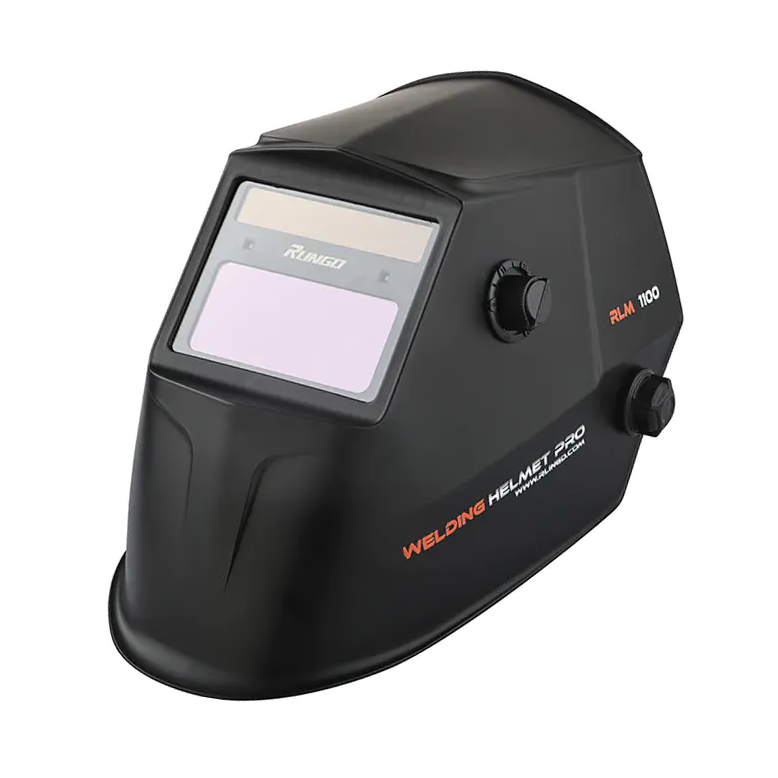
Comfort has become an important consideration when people compare welding helmets. A helmet that fits poorly may become distracting. A design that limits visibility may make positioning more difficult. A product that feels complicated to adjust may also interrupt the natural flow of work.
These concerns have encouraged greater attention to practical welding helmet design.
A comfortable welding helmet does not need to rely on one feature. Instead, several elements can work together. Headgear, weight distribution, viewing area, adjustment, ventilation, and overall shape can all influence the user experience.
The right balance depends on the work and the person wearing the helmet.
Fit is one of the most noticeable aspects of a welding helmet.
A helmet should sit securely without creating unnecessary pressure. It should remain in position as the user moves. This is particularly relevant when welding involves different working angles.
A helmet that shifts during movement can become distracting.
Headgear plays an important role here. Adjustable straps and support points allow users to position the helmet according to their head shape and wearing preferences.
The adjustment system should also be practical.
Welders often need to raise or lower the helmet during preparation, inspection, and other tasks. If the helmet is difficult to adjust, small interruptions can accumulate throughout the working day.
A well-considered fit can help the helmet feel like part of the work routine rather than an additional burden.
Several factors can influence this experience:
| Fit Consideration | Why It Matters |
|---|---|
| Headgear Adjustment | Helps position the helmet securely |
| Weight Distribution | Can influence pressure and balance |
| Helmet Shape | Affects how the helmet sits around the head |
| Padding | Can influence contact comfort |
| Adjustment Range | Supports different users and preferences |
| Movement | Helps the helmet remain practical during work |
Fit is personal.
A design that feels comfortable to one person may not feel the same to another. This makes adjustability particularly useful when a helmet is shared between workers.
Visibility is closely connected with practical use.
A welder needs to see the work area clearly enough to position the equipment and monitor the task. The viewing area of a helmet can therefore affect how naturally the user works.
A restricted view may require more head movement.
A broader viewing area can provide more visual awareness around the work zone, depending on the helmet design and application.
Visibility also involves more than the size of the viewing area.
The position of the lens matters. The clarity of the viewing surface matters. The helmet shape can also influence what the user can see from different angles.
A comfortable helmet should support the user's visual needs without forcing an awkward head position.
This becomes more noticeable during detailed work.
When a person needs to concentrate on a specific area for an extended period, unnecessary head movement can become tiring. A suitable viewing arrangement can make the work feel more natural.
At the same time, visibility should always be considered together with the protective requirements of the welding helmet.
A helmet should be selected according to the type of welding work and the applicable safety requirements.
People often focus on how heavy a helmet feels.
Weight matters, but distribution matters too.
A helmet that is not balanced properly can place more pressure on certain areas of the head and neck. During short tasks, this may be less noticeable. During longer work sessions, the difference can become more apparent.
The center of the helmet and the position of the headgear can influence how the weight is experienced.
A balanced design can help reduce the feeling that the helmet is pulling forward or backward.
This does not mean that a lighter helmet is automatically more suitable.
A helmet needs enough structure to provide the functions required for its intended use. The practical goal is to balance protection, structure, visibility, and wearing comfort.
A useful way to consider helmet weight is to ask how it behaves during movement.
Does the helmet remain stable? Does it shift when the user changes position? Does the headgear provide adequate support?
These questions can provide more useful information than looking at weight alone.
Headgear connects the helmet to the user.
Its design can influence stability, adjustment, and pressure distribution.
A good headgear system should allow the user to position the helmet comfortably. It should also hold the helmet in place during normal movement.
Adjustability is especially important.
Different people have different head shapes and wearing preferences. A helmet that provides flexible adjustment can accommodate more users.
Some users may prefer a tighter fit. Others may want more room around the forehead or sides of the head.
The adjustment mechanism should also be easy to operate.
Welding work already involves multiple steps. Complicated helmet adjustment can become an unnecessary distraction.
| Headgear Feature | Practical Consideration |
|---|---|
| Adjustable Straps | Helps personalize the fit |
| Stable Support | Helps keep the helmet in position |
| Comfortable Contact Points | Can reduce pressure during wear |
| Easy Adjustment | Supports quick changes between users |
| Secure Movement | Helps maintain position during work |
Headgear can also affect how the helmet moves when raised.
A smooth lifting motion can make preparation and inspection easier. The helmet should move in a predictable way without becoming difficult to control.
These details may seem small, but they become more noticeable when the helmet is used repeatedly.
The shape of a welding helmet affects more than appearance.
It can influence visibility, movement, ventilation, and compatibility with other protective equipment.
A compact shape may make movement around a work area easier. A broader shape may provide additional coverage. The right choice depends on the work environment and the equipment used with the helmet.
Welding does not always happen in the same position.
A worker may bend forward, turn the head, look down, or work in a confined area. The helmet needs to remain practical during these movements.
A poorly matched shape can make some positions feel awkward.
The helmet should also work with other protective equipment where required.
For example, users may wear protective clothing, gloves, hearing protection, or respiratory equipment depending on the task and environment.
The welding helmet should not interfere unnecessarily with the equipment required for the job.
This is another reason why practical design matters.
Welding work can create a warm working environment.
Heat and moisture around the head can affect comfort, especially during longer sessions.
Helmet design can influence airflow around the user.
Some designs include ventilation features intended to improve the wearing experience. These features can help manage the feeling of heat inside the helmet, depending on the product and environment.
Ventilation should not be considered separately from protection.
A welding helmet must continue to meet the requirements associated with its intended application. Any ventilation arrangement needs to be compatible with the helmet's protective design.
Comfort is important, but safety remains central.
Users should follow the manufacturer's instructions and applicable workplace requirements when selecting and using protective equipment.
Longer work sessions can reveal design differences that may not be obvious during brief use.
A helmet may feel comfortable for a short task but become less comfortable after repeated use.
This is why several features should be considered together.
Fit can affect pressure. Weight distribution can affect neck comfort. Visibility can influence head movement. Headgear can affect stability. Ventilation can influence the feeling of heat.
These factors interact.
For example, a helmet with a good viewing area may still feel uncomfortable if the headgear creates pressure. A well-balanced helmet may not feel practical if the viewing arrangement does not suit the task.
A useful checklist can include:
Fit
Does the helmet remain secure without unnecessary pressure?
Visibility
Does the viewing arrangement support the intended welding task?
Balance
Does the helmet sit naturally when raised and lowered?
Adjustment
Can the user change the fit without difficulty?
Movement
Does the helmet remain practical when the user changes position?
Comfort
Do the contact areas feel suitable during repeated use?
Compatibility
Can the helmet be used appropriately with other required protective equipment?
Looking at these factors together gives a clearer picture of everyday usability.
There is no single design that fits every welding situation.
Different welding tasks can involve different working positions, environments, and durations.
A workshop worker may spend much of the day in a familiar work area. A construction worker may need to move between locations. A maintenance worker may work in tighter spaces.
The helmet should reflect those conditions.
| Work Situation | Design Considerations |
|---|---|
| Workshop Welding | Comfort and repeated adjustment |
| Fabrication Work | Visibility and stable positioning |
| Maintenance Work | Movement and practical handling |
| Construction Work | Fit and compatibility with other equipment |
| Detailed Welding | Clear viewing arrangement |
| Occasional Welding | Simple adjustment and convenient storage |
The goal is not to choose a helmet based on one attractive feature.
Instead, users should consider how the helmet will behave throughout the actual task.
Trying on a helmet before purchase can also help when possible. Users can check whether the headgear feels secure, whether the helmet stays in position, and whether the viewing area suits their normal working posture.
Product instructions and applicable safety requirements should also be reviewed.
A welding helmet is used before, during, and after welding.
The user needs to put it on, adjust it, lower it, raise it, and store it. These actions form part of the daily workflow.
Practical handling can therefore influence the overall experience.
A helmet that is easy to adjust can reduce interruptions. A design that is easy to raise can support quick visual checks. A stable headgear system can help the helmet remain positioned during movement.
Storage is another consideration.
The helmet should be kept in an appropriate place where the viewing surface and other parts are protected from unnecessary damage.
Regular inspection also matters.
Users should check the helmet according to the manufacturer's care and maintenance guidance. If parts become damaged or worn, they should be addressed according to applicable workplace procedures.
A comfortable welding helmet is not defined by comfort alone.
Its value comes from how fit, visibility, balance, adjustment, movement, and practical handling work together. Different welding tasks may place different demands on these features. A suitable helmet should therefore be selected according to the actual work environment, the user's needs, and the applicable protective requirements.
This approach allows comfort to become part of a broader equipment selection process rather than an isolated feature.

Model: RLM 700
Model: RLM 1000
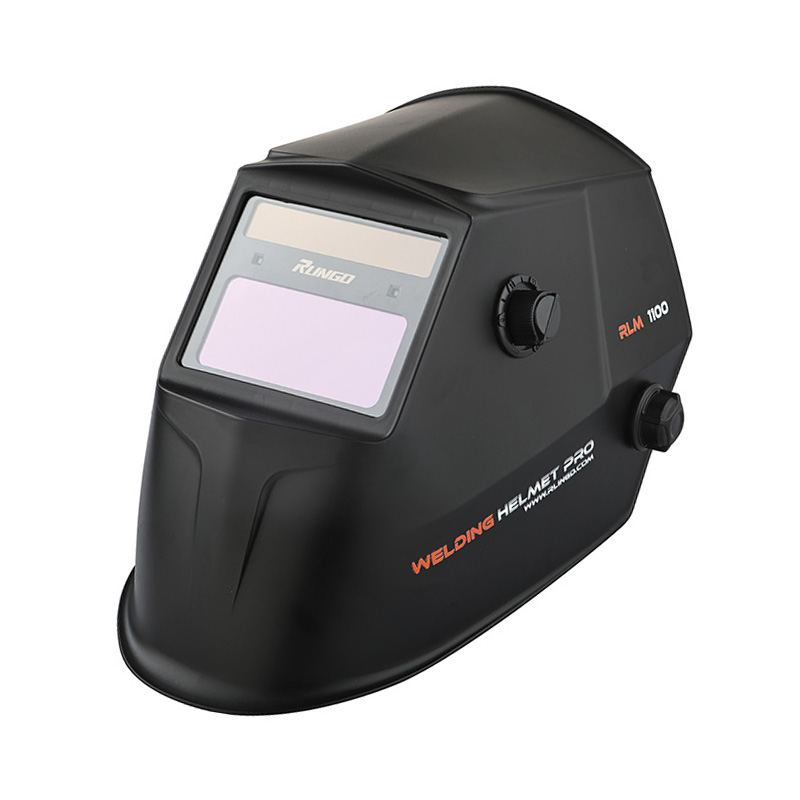
Model: RLM 1100
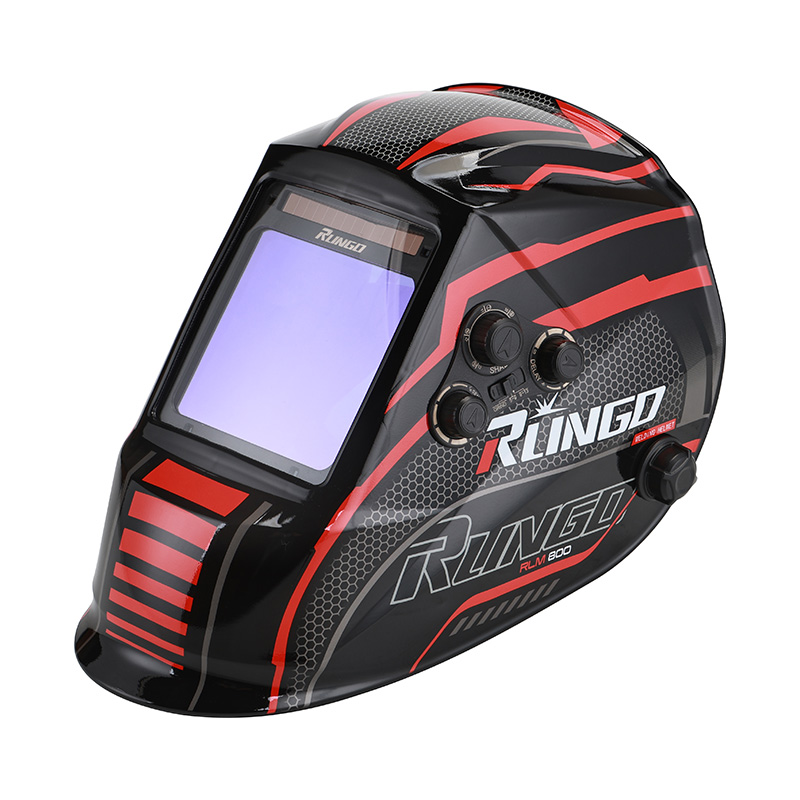
Model: RLM 800
Model: RLM 900
Model: RLM 1200

Building 7, Zeguo Electromechanical Pioneer Park, No.1 Park Road, Zeguo Town, Wenling,Taizhou City, Zhejiang Province, China
Tel: +86-0576-86442210
FAX: +86-0576-86442210
Phone: +86-15669702909
Copyright © Taizhou Ruiling Optoelectronics Technology Co., Ltd.
Auto Darkening Welding Helmet Factory