
 English
 中文简体
 русский
 Español

 Inquiry
Industry News
Home / News / Industry News / Can an Auto Dimming Helmet Improve Productivity in High-Volume Welding Operations?
2026-10-21
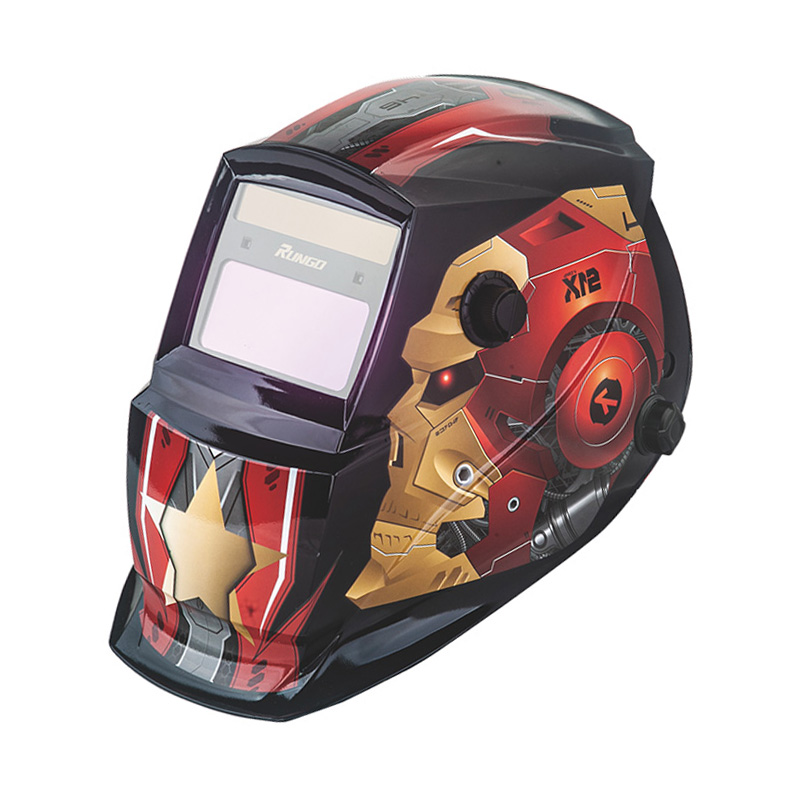
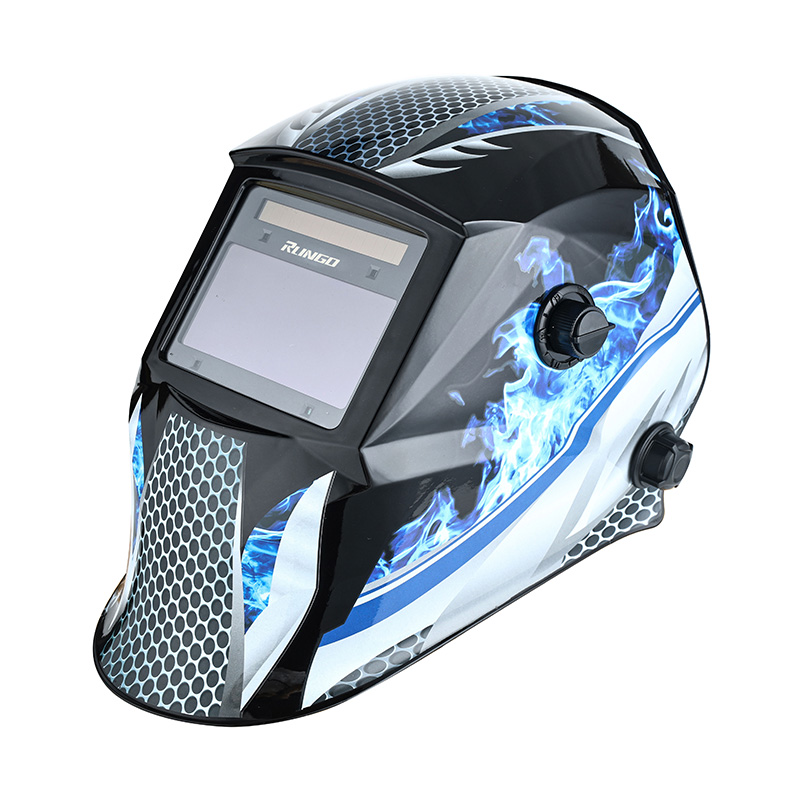
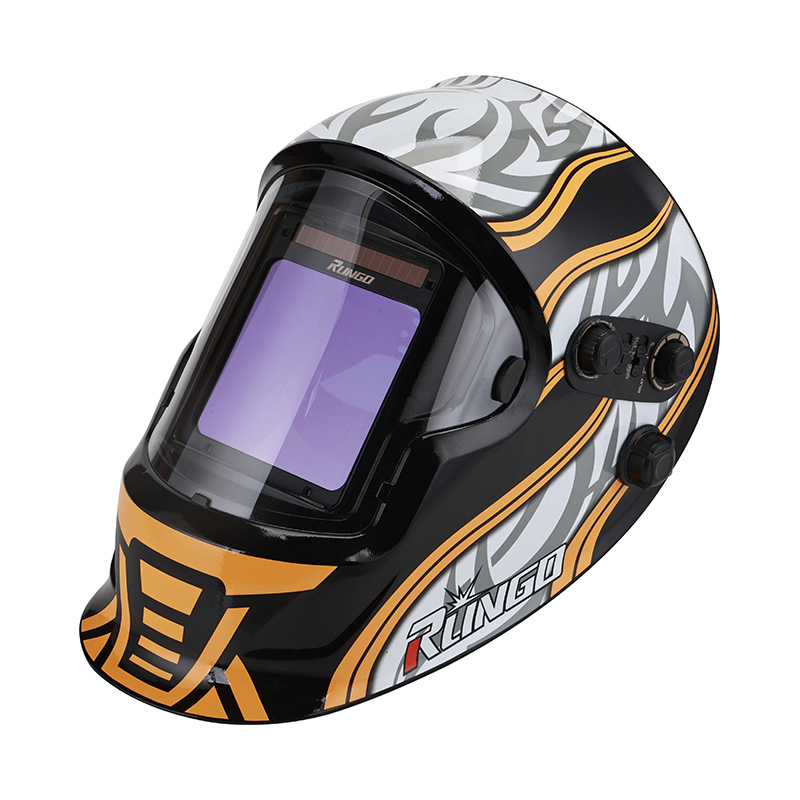
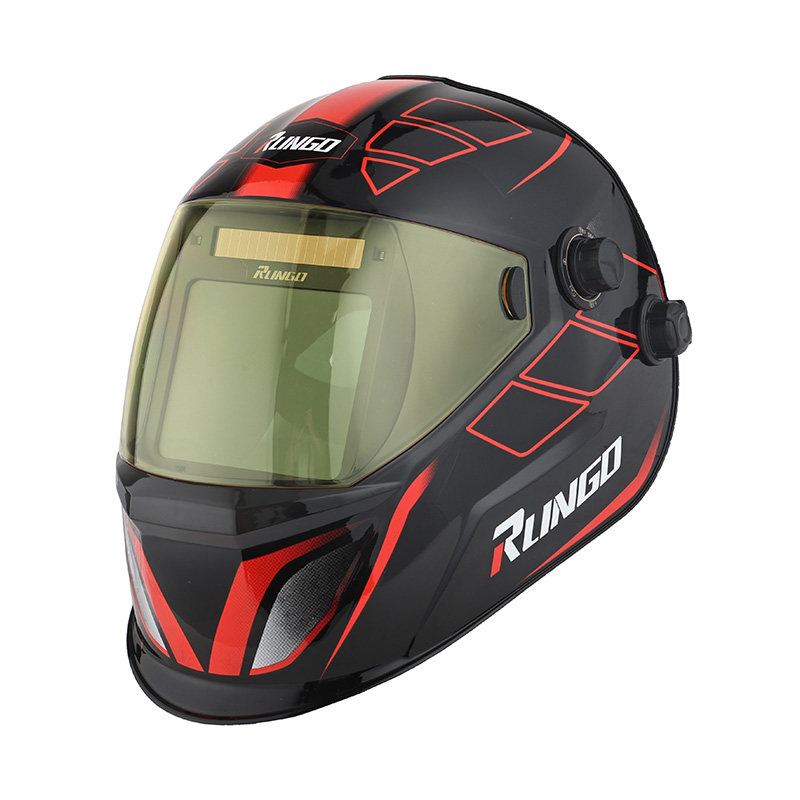
High-volume welding shops care about output, consistent quality, safe practices. Productivity isn't just about how fast someone welds. It's also the time spent positioning parts, checking joint alignment, restarting the arc, messing with protective gear. An Auto Dimming Helmet can smooth out some of those transitions by automatically changing the filter shade when it senses an arc.
That can mean faster work cycles and less helmet up-down, especially in fab shops doing lots of short welds. But results depend on the process, helmet quality, operator habits, the wider production setup. Know the benefits and limits before deciding if it's worth the investment.
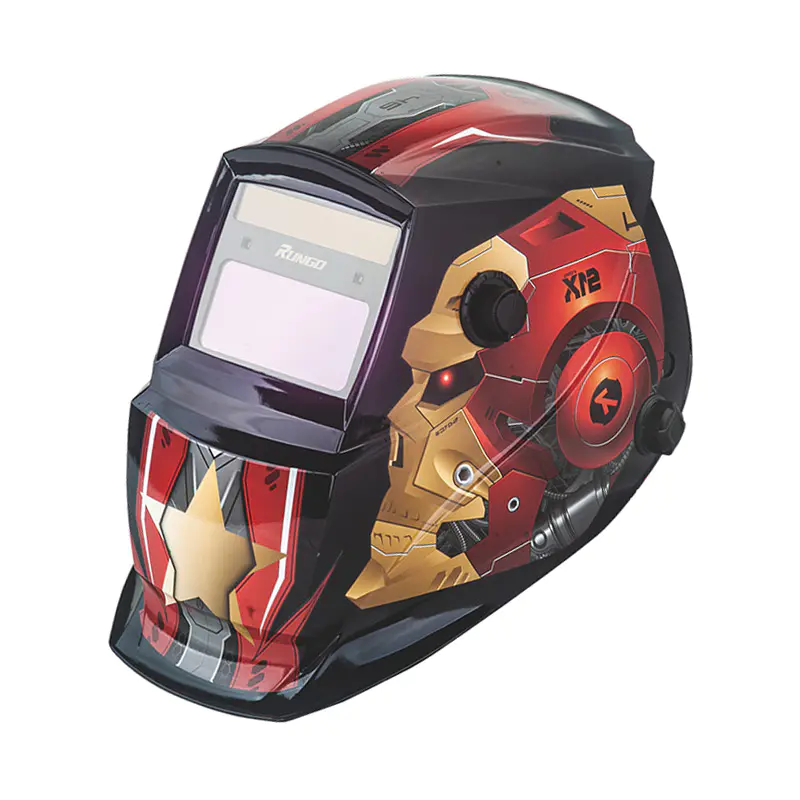
A passive helmet has a fixed-darkness filter. Welders lift it to position a torch, inspect a joint, prep the next weld, then lower it before striking. An auto-darkening helmet uses sensors to detect the arc and switch from a lighter state to a selected dark shade. When welding stops, the filter goes back to light according to its design and settings.
That means less lifting and lowering between repetitive welds. Operators can hold a more consistent position while checking joint alignment and finding the next weld. Over hundreds of short cycles, even small reductions in repeated movement add up.
A few operational improvements might help.
None of this guarantees higher output. Material handling, fixture design, welding parameters, operator skill, quality-control requirements—they all influence production rates.
Not every auto-darkening helmet suits every workshop. Match specs to the welding process and working conditions.
| Helmet feature | Potential productivity benefit | What to check |
|---|---|---|
| Reliable arc detection | Supports consistent filter switching | Performance under the intended welding conditions |
| Clear light-state visibility | Helps with joint alignment between welds | Visibility in the actual work environment |
| Appropriate shade range | Supports suitable protection for different tasks | Manufacturer guidance and applicable safety requirements |
| Multiple sensors | Can improve detection when one sensor is obstructed | Sensor placement and suitability for the work position |
| Comfortable headgear | Helps reduce discomfort during extended shifts | Fit, balance, weight, and adjustability |
| Dependable power supply | Helps prevent interruptions from low power | Battery condition and maintenance requirements |
The most feature-loaded model isn't automatically the right pick. The helmet has to provide appropriate protection, visibility, comfort for the specific application.
Productivity gains matter only when finished welds meet quality requirements. An Auto Dimming Helmet can help operators identify joint boundaries, maintain a stable position, prepare the torch more accurately before welding.
But the helmet doesn't directly control penetration, fusion, porosity, bead geometry. Those depend on joint preparation, material condition, shielding gas, consumables, welding parameters, operator technique. Optical quality and appropriate shade selection still matter. Before buying for a production line, verify specs suit the intended processes. Evaluate visibility during representative tasks.
A practical trial should compare cycle times, positioning errors, rework rates, operator feedback before and after. Keep other production conditions as consistent as possible for meaningful results.
Productivity improvements can't compromise protection. Before each shift, inspect the filter, sensors, cover lenses, headgear, power source. Clean sensor areas as instructed. Replace damaged cover lenses when necessary.
Confirm the selected shade suits the welding process and current. Verify relevant safety ratings and certifications. Check that the filter switches reliably under actual working conditions. Damaged helmet or inconsistent filter? Stop using it until resolved.
An auto-darkening helmet is one part of a safe welding setup. Operators still need suitable gloves, protective clothing, effective ventilation, respiratory protection when required. Additional safeguards may be necessary to protect nearby workers from welding radiation and other hazards. Follow the manufacturer's operating instructions and the workplace's established welding safety procedures.
Before rolling helmets out across a whole line, run a trial with operators who do repetitive welding. Track average cycle time, completed parts per shift, rework frequency, downtime linked to helmet handling, operator comfort.
Include purchase costs, maintenance, battery replacement, training in the total investment. If the trial shows consistent improvements, estimate whether recovered production time justifies those costs.
Results will vary. An Auto Dimming Helmet may offer more workflow benefits when operators do frequent short welds than when each operation is long and uninterrupted. Match the helmet to the application, maintain it correctly, measure performance under real production conditions. That's how manufacturers make informed purchasing decisions. With appropriate equipment and operator training, auto-darkening technology can support smoother workflows, improved comfort, more efficient high-volume welding operations.

Model: RLM 700
Model: RLM 1000
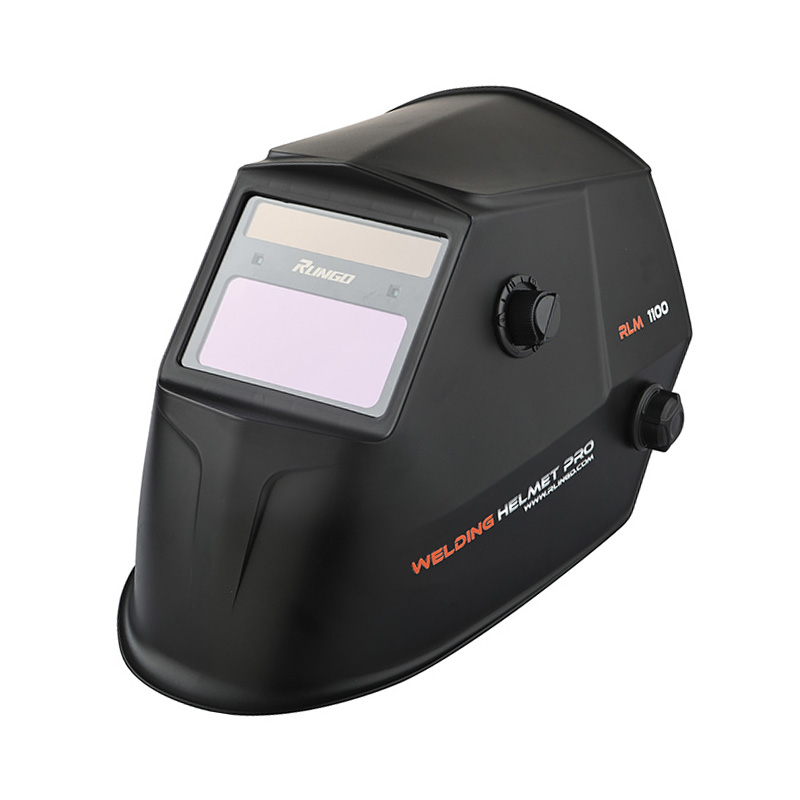
Model: RLM 1100
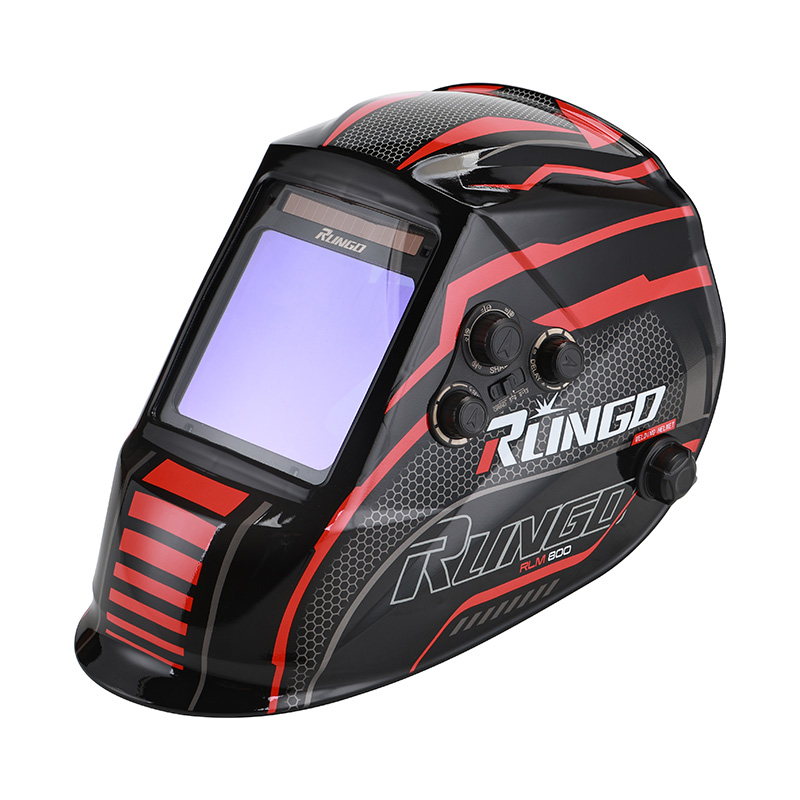
Model: RLM 800
Model: RLM 900
Model: RLM 1200

Building 7, Zeguo Electromechanical Pioneer Park, No.1 Park Road, Zeguo Town, Wenling,Taizhou City, Zhejiang Province, China
Tel: +86-0576-86442210
FAX: +86-0576-86442210
Phone: +86-15669702909
Copyright © Taizhou Ruiling Optoelectronics Technology Co., Ltd.
Auto Darkening Welding Helmet Factory