
 English
 中文简体
中文简体 русский
 Español
 Inquiry
Industry News
Home / News / Industry News / When to Replace Cover Lenses and Sensors in a Full Face Auto Darkening Welding Helmet
2026-10-16
A welding helmet can look totally fine from the outside and still have parts quietly going bad. Scratched cover lenses, grubby sensors, or an auto-darkening filter that's on its way out all mess with your visibility and how safely you can run a bead. If you wear a full face auto darkening welding helmet day in and day out, checking these bits should just be part of your routine.
Cover lenses don't last forever, and they really don't in shops where sparks, grinding dust, and metal spatter are part of the scenery. Sensors need love too—they're the things that actually see the arc and tell the filter to go dark. Once you know what to look for, it's easier to tell when a quick clean does the job and when a part has to go.
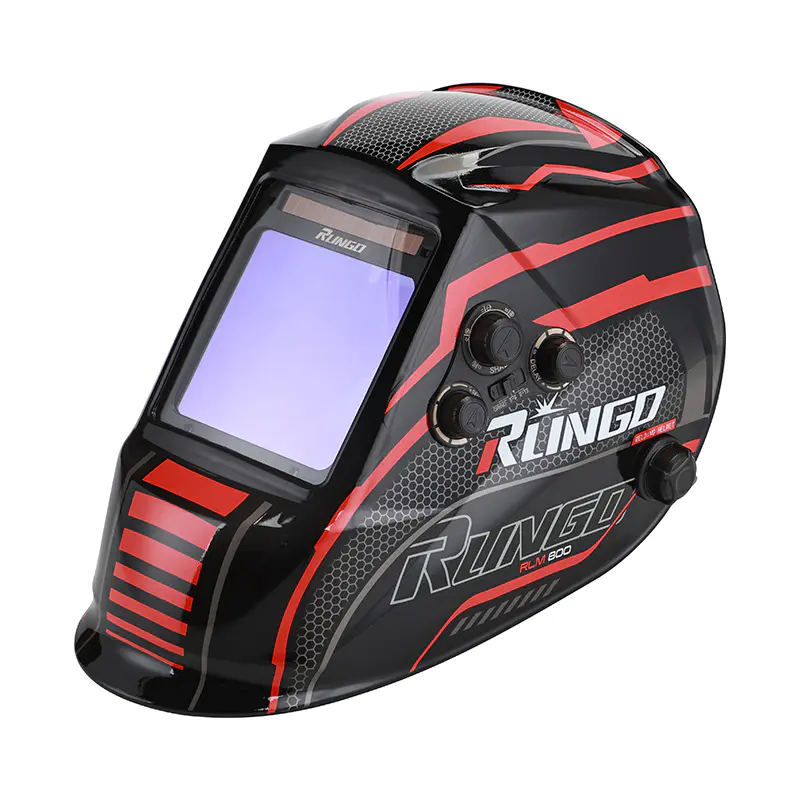
The outer cover lens takes the brunt of the abuse. It stands between the auto-darkening filter and all those sparks, spatters, and dust. The inner lens does the same from the inside, keeping the filter safe and the view clear.
Give it enough time, and either lens turns cloudy, scratched, or stained. When that happens, tracking the workpiece gets harder, and your hand gets less steady on the joint.
Sensors have a different gig. They pick up the light from the arc and tell the filter when to darken. Block one or damage it, and the filter starts responding on its own time.
Don't sleep on either one. A crystal-clear cover lens won't rescue a faulty filter, and sensors that work fine won't make a damaged lens safe to look through.
Cover lenses are consumables, so how often you replace them depends on how much you weld and what your shop throws at you. A lens on a hobbyist doing the odd repair outlives one that faces heavy spatter every shift.
Give the lens a good once-over. You're looking for:
You don't have to wait until the lens is trashed. If you're squinting at the weld pool, check the cover lens before you fire up again.
| Condition | Recommended action | Reason |
|---|---|---|
| Light dust | Clean the lens | Takes surface debris off |
| Minor smudges | Clean, then look again | Brings clarity back if nothing's broken |
| Deep scratches or cracks | Replace the lens | Cuts visual distortion and risk |
| Burnt or melted areas | Replace the lens | Heat damage blocks the view |
| Loose or distorted edges | Fit a compatible replacement | Keeps the fit and coverage right |
| Repeated contamination | Look at the working environment | Helps you figure out why it keeps happening |
Match the replacement lens's dimensions and specs to the helmet maker's guidance. One that doesn't seat right leaves gaps or can slip mid-weld.
Sensor trouble is trickier to spot because the damage often isn't obvious. How many sensors you have and where they sit depends on the model, so check the manual before you go digging.
Watch for these red flags:
Don't keep welding with a filter that won't darken when it should. Hang up the helmet and use eye protection you know works before you go back at it.
It comes down to how hard you're pushing the helmet. The routine below is a reasonable place to start, but the manufacturer's instructions win.
| Inspection timing | What to check | What to do |
|---|---|---|
| Before each welding session | Lens condition, sensor cleanliness, visible damage | Clean or swap out damaged parts |
| During routine maintenance | Lens clarity, mounting clips, sensor windows, power supply | Follow the maintenance procedure |
| After heavy spatter or grinding | Burns, scratches, embedded bits, dust | Clean carefully; replace what's damaged |
| When darkening gets inconsistent | Sensors, settings, battery, filter response | Stop welding until it's sorted |
| At the recommended service interval | Overall condition and component wear | Run the checks or service called for |
Welders in busy fab shops may need to look more often, especially when grinding dust and hot spatter are constant. A quick log of replacements also tips you off when a part is wearing out way too fast.
A handful of daily habits cuts down on avoidable wear.
Depends on what's gone wrong. A scratched cover lens is usually a straight swap. A faulty sensor may be replaceable on some helmets; on others you're looking at the whole sensor or filter assembly.
Cracked filters, flickering you can't explain, or darkening problems that won't quit aren't things to ignore. Follow the service guidance, and don't crack open a sealed filter unless the maker says it's okay.
Before you order parts, confirm the helmet model, compatible part numbers, lens dimensions, and the specs you need. If the helmet took a serious hit or saw major heat damage, get the whole unit looked at the way the manufacturer recommends.
Regular checks keep a full face auto darkening welding helmet doing its job. Look at the lenses before you start, take sensor trouble seriously, and swap out what's damaged when it's time. Small stuff like that keeps your view clear and cuts down on equipment headaches down the road.

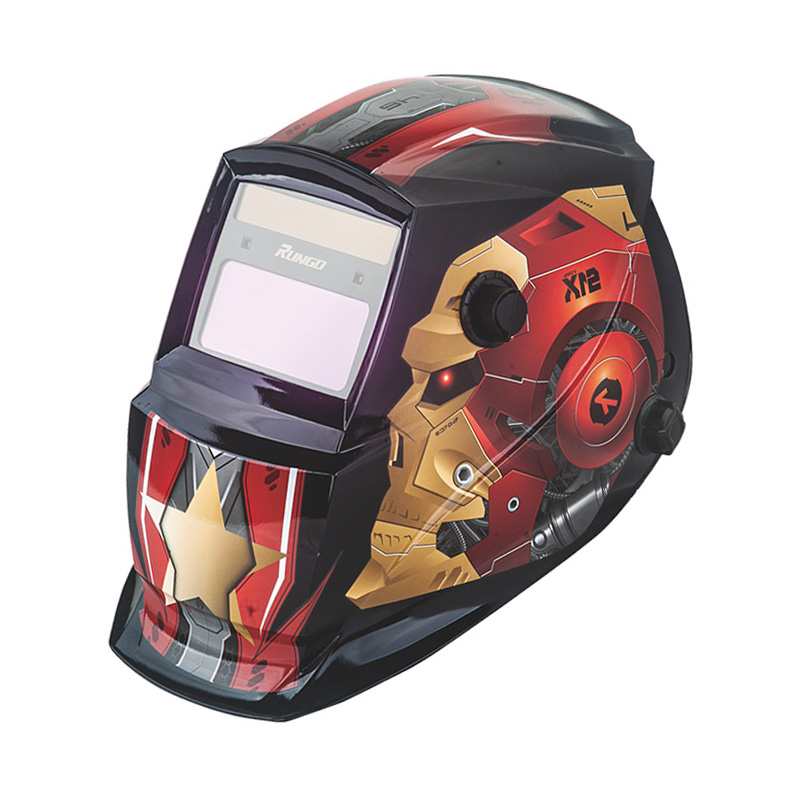
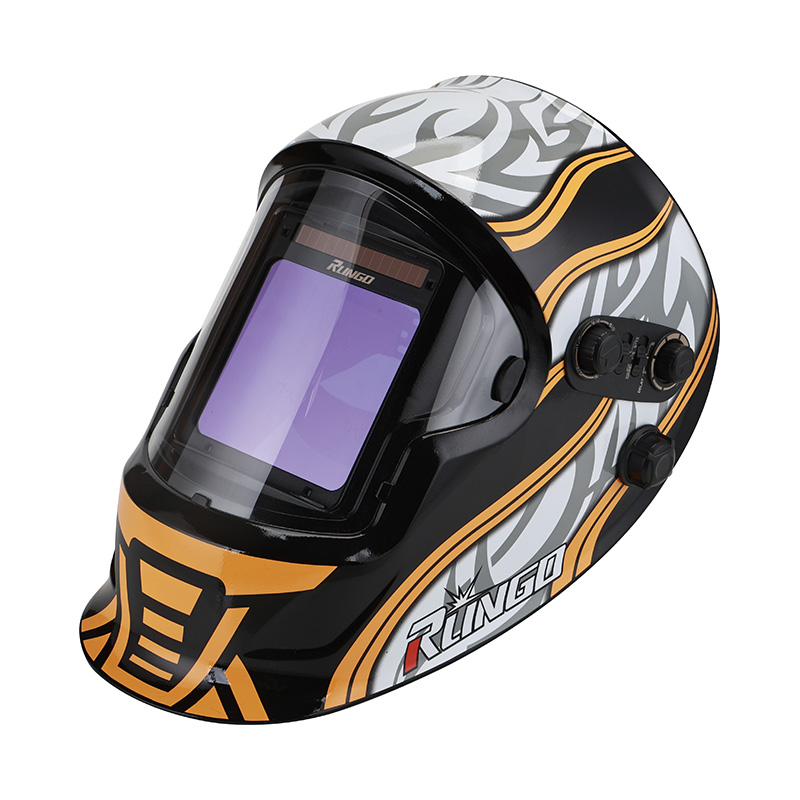
Model: RLM 700
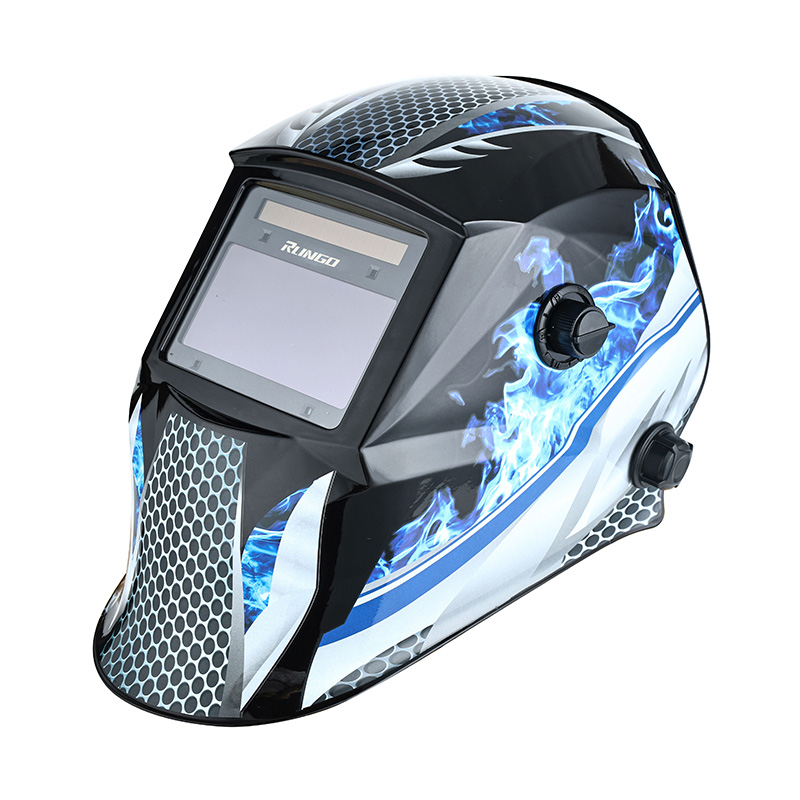
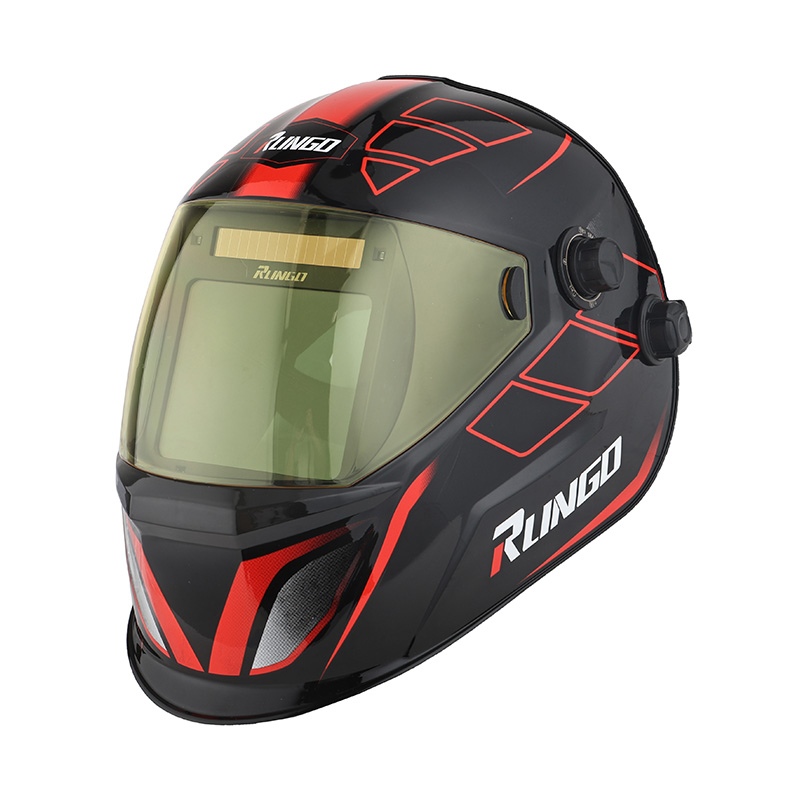
Model: RLM 1000
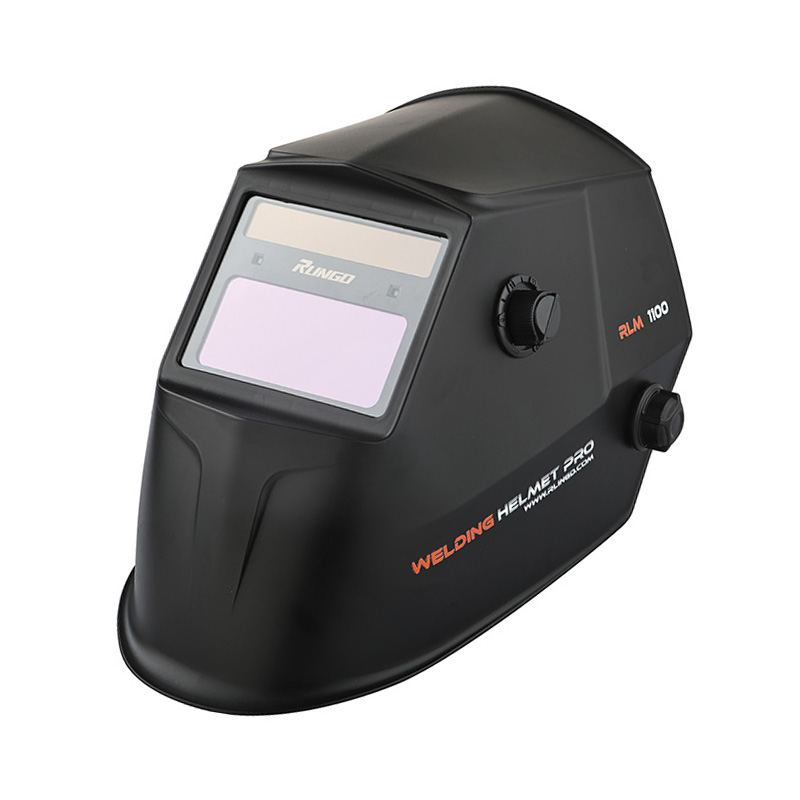
Model: RLM 1100
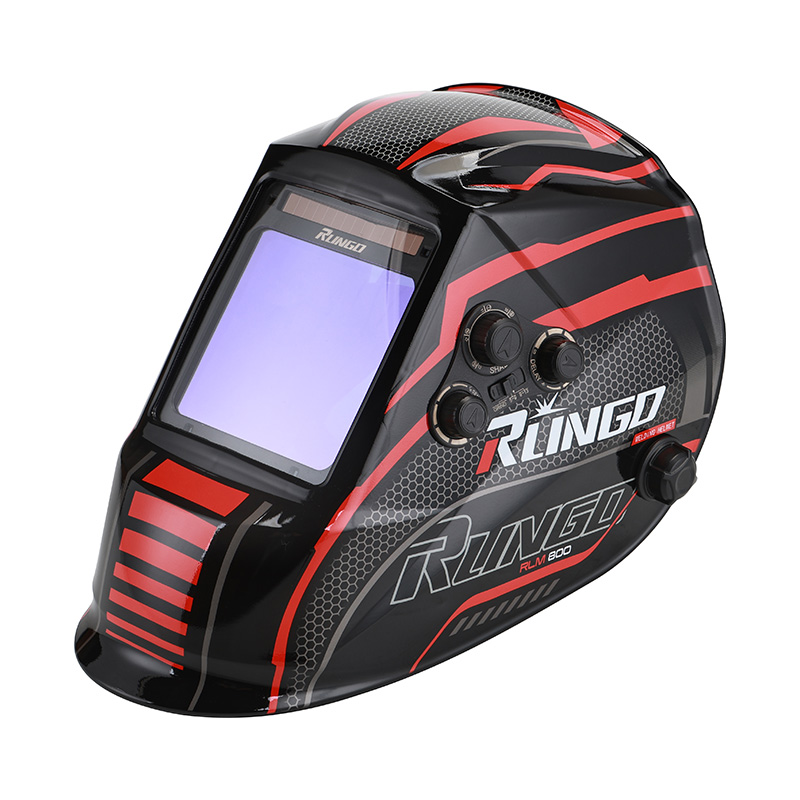
Model: RLM 800
Model: RLM 900
Model: RLM 1200

Building 7, Zeguo Electromechanical Pioneer Park, No.1 Park Road, Zeguo Town, Wenling,Taizhou City, Zhejiang Province, China
Tel: +86-0576-86442210
FAX: +86-0576-86442210
Phone: +86-15669702909
Copyright © Taizhou Ruiling Optoelectronics Technology Co., Ltd.
Auto Darkening Welding Helmet Factory