
 English
 中文简体
中文简体 русский
 Español
 Inquiry
Industry News
Home / News / Industry News / Are Larger Viewing Areas Becoming a Key Trend in Welding Hood Auto-Darkening?
2026-10-09
Welding helmets have changed considerably as welding technology and workplace requirements have developed. Auto-darkening filters, adjustable shade levels, improved optical quality, and lighter helmet structures have become common considerations for professional welders and welding equipment buyers.
Another design feature receiving attention is the size of the viewing area. A larger lens can give welders a wider field of vision and make it easier to monitor the workpiece, torch position, and surrounding area during fabrication.
For distributors, welding equipment brands, wholesalers, and OEM buyers, this raises an interesting product-development question: Are larger viewing areas becoming a key trend in Welding Hood Auto-Darkening designs?
The answer depends on the application and the user's priorities. A larger viewing area can provide practical benefits, but it also affects helmet size, weight, filter construction, optical performance, and cost. For manufacturers and B2B buyers, the real issue is how to balance these factors in a commercially useful product.
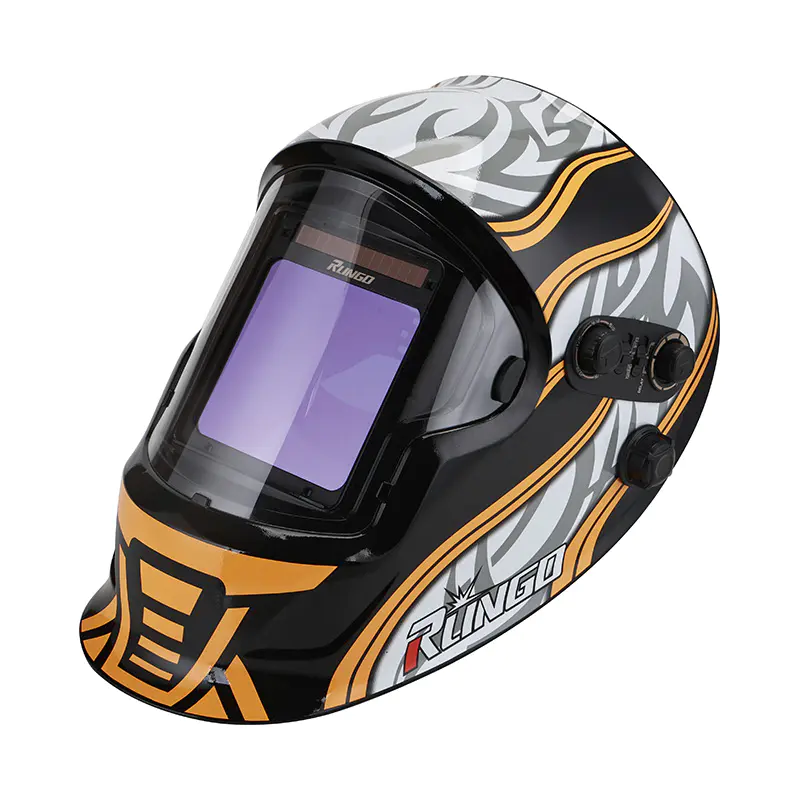
A welding helmet does more than protect the face and eyes from welding hazards. The operator also needs to see enough of the work area to position the torch or electrode correctly and monitor the weld as it develops.
A restricted field of view can make the welder move their head more frequently to check the surrounding area. A wider lens can provide more visual information without requiring as much head movement.
This can be useful when:
However, the actual field of view depends on more than the physical size of the lens.
This is an important distinction for buyers.
The viewing window may be larger, but optical quality, lens clarity, filter construction, and helmet geometry also affect what the welder can see.
A useful comparison looks at several variables together:
| Viewing factor | Why it matters |
|---|---|
| Lens size | Determines the physical viewing area |
| Optical class | Influences image clarity and distortion |
| Lens color | Affects how the workpiece appears |
| Peripheral visibility | Helps the user monitor the surrounding area |
| Filter response | Affects visibility when the arc starts and stops |
| Lens position | Changes the practical field of view |
For B2B buyers, requesting the complete optical specification is more useful than comparing viewing-window dimensions alone.
A larger viewing area needs a filter system that can darken the required region reliably.
Auto-darkening filters use sensors to detect the welding arc and adjust the lens to a darker state. Depending on the design, the filter may also provide adjustable shade levels, sensitivity settings, and delay controls.
When manufacturers enlarge the viewing area, they need to ensure that the filter continues to provide consistent protection and suitable optical performance across the entire window.
This can make filter engineering more complicated.
Sensor placement, filter dimensions, liquid-crystal layers, power supply, and electronic control all have to work together within the helmet structure.
Not every welding process requires the same helmet configuration.
MIG, TIG, stick welding, plasma cutting, and other operations generate different working conditions and may involve different preferences for visibility.
TIG welders, for example, may spend more time performing detailed work where seeing the joint and surrounding area clearly is important. Large fabrication jobs can create different visibility requirements because the operator may work across larger surfaces or in less accessible positions.
| Welding application | Viewing-area consideration |
|---|---|
| TIG welding | Detailed joint visibility |
| MIG welding | Monitoring weld pool and work area |
| Stick welding | General weld visibility and positioning |
| Fabrication | Wider view can help with large components |
| Maintenance welding | Useful when working in confined positions |
| Plasma cutting | Lens and peripheral visibility may matter |
These are general considerations. Helmet selection should follow the actual work process and applicable safety requirements.
A traditional helmet may give the operator a clear forward view while limiting peripheral visibility.
A wider viewing design can provide more information about what is happening around the immediate weld zone.
This may be useful when a welder needs to monitor:
Peripheral visibility can become particularly useful in fabrication shops where workers frequently move between different parts of a large assembly.
However, the helmet's shell structure still needs to provide suitable protection and meet the relevant requirements for its intended use.
Larger viewing windows may require larger filter assemblies and supporting structures.
That can increase overall helmet dimensions or weight, depending on the design.
Weight matters because welders may wear the helmet for several hours during a working shift. A heavier helmet can affect comfort, especially when combined with respiratory equipment, hearing protection, or other personal protective equipment.
For this reason, manufacturers are often balancing:
larger viewing area + optical quality + low weight + structural protection
Lightweight materials and more compact electronics can help offset the added size of a larger filter.
For B2B buyers, helmet weight should be compared alongside viewing dimensions.
A large window is of limited value if the image is distorted or difficult to interpret.
Auto-darkening welding filters are commonly evaluated using optical performance classifications defined by applicable standards. Buyers should review the optical specification provided for the actual product instead of relying on marketing terms such as "clear view."
Important areas can include:
The exact requirements depend on the applicable standard and helmet type.
For professional welding products, optical quality can have a direct effect on how comfortably the user observes the weld area.
Many modern auto-darkening helmets place emphasis on more natural color perception.
Traditional darkening filters can alter the appearance of the welding environment. Newer filter designs may aim to provide a more neutral view of the work area, particularly in the light state.
This can be valuable for welders who need to distinguish the workpiece, joint, filler material, and surrounding surfaces.
A larger viewing area can complement this approach because the operator can see more of the workspace while retaining the intended optical characteristics.
For product manufacturers, viewing area and color perception can therefore form part of the same product-positioning strategy.
Auto-darkening helmets use sensors to detect the welding arc.
Sensor placement and coverage need to provide reliable activation under the intended welding conditions. A large filter cannot simply be enlarged without considering how the sensors detect light from different positions.
Manufacturers should evaluate:
The exact sensor configuration varies between helmet models.
For B2B buyers, testing under representative welding conditions can provide more useful information than judging the sensor count alone.
The auto-darkening filter needs to transition to the selected dark state quickly after detecting the welding arc.
Response-time specifications can vary between products and should be reviewed according to the applicable standard and manufacturer's data.
Buyers should also consider whether the stated response applies under a particular temperature or battery condition.
A product with a larger viewing area still needs to maintain reliable darkening performance.
For this reason, the viewing window should not be evaluated separately from the electronics and filter system.
One potential ergonomic benefit of a wider field of view is that the welder may not need to reposition their head as frequently to inspect the surrounding work area.
This can be relevant during:
Reduced head movement does not automatically mean reduced fatigue because helmet weight, balance, and work posture also contribute.
A well-designed helmet should therefore balance field of view with weight distribution.
Two helmets with the same total weight can feel very different.
The position of the filter, battery, electronics, shell, and headgear affects the center of gravity.
A forward-heavy helmet can place additional pressure on the neck during extended use.
For B2B buyers, important ergonomic specifications include:
| Feature | What to evaluate |
|---|---|
| Total weight | Overall burden |
| Balance | How the helmet sits during use |
| Headgear | Adjustment and stability |
| Pivot system | Movement during raising and lowering |
| Viewing area | Forward and peripheral visibility |
| Shell shape | Compatibility with other PPE |
A large viewing window should be integrated into a balanced helmet design.
Many auto-darkening helmets use replaceable batteries, solar-assisted power, or combined power systems depending on the model.
A larger electronic filter may require careful power management.
Manufacturers need to consider:
For distributors, battery availability and replacement procedures can also affect after-sales service.
A larger viewing window can create a larger exposed area on the front of the helmet.
The lens needs to withstand normal workshop conditions and should be protected by suitable outer and inner cover lenses where the product design calls for them.
Welding environments can involve:
The viewing area therefore needs practical protection.
Replacement lens availability is an important B2B purchasing consideration because the outer cover can experience wear even when the electronic filter remains functional.
When sourcing an auto-darkening welding helmet, buyers should request more than the viewing-window dimensions.
| Question | Why it matters |
|---|---|
| What is the actual viewing size? | Confirms the usable visual area |
| What optical classification is specified? | Helps assess optical quality |
| What shade range is available? | Supports different welding processes |
| How many sensors are used? | Provides information about arc detection |
| What is the response specification? | Relates to filter switching |
| What is the helmet weight? | Important for long-duration use |
| How is the helmet balanced? | Affects comfort |
| What batteries are used? | Supports maintenance planning |
| Are replacement cover lenses available? | Useful for long-term service |
| What standards apply? | Supports market-specific compliance |
Manufacturers should provide documentation for the actual model being supplied.
For private-label welding equipment brands, a large viewing area can become one element within a broader product design.
Manufacturers may customize:
However, any change to the filter or shell should be evaluated against the complete helmet design and applicable safety requirements.
Sample testing is particularly important before mass production.
The answer depends on the job.
A welder performing detailed TIG work may appreciate a wider visual field. A fabricator working with large structures may also benefit from improved peripheral visibility.
For other applications, a standard viewing area may already provide sufficient visibility while keeping the helmet compact and lightweight.
This means a larger lens should be viewed as one design option, not a universal requirement.
For B2B buyers, the better question is whether the viewing area provides a measurable benefit for the target user without creating unwanted trade-offs in weight, durability, cost, or filter performance.
Before selecting a Welding Hood Auto-Darkening product, buyers can review:
Viewing area: Is the window large enough for the intended welding work?
Optics: Is the optical performance suitable for professional use?
Filter: Does the auto-darkening system provide the required shade range and response?
Sensors: Can the sensors reliably detect the welding arc?
Weight: Is the helmet comfortable for extended use?
Balance: Does the larger viewing system create excessive forward weight?
Durability: Are the lens and shell designed for workshop conditions?
Maintenance: Are batteries and replacement lenses available?
Compliance: Does the product meet the standards required for the target market?
This framework helps buyers compare the whole helmet instead of focusing on one headline feature.
Larger viewing areas are becoming an increasingly visible design consideration in auto-darkening welding helmets because they can support broader forward and peripheral visibility. They can be particularly useful for detailed work, large fabrication projects, and situations where operators need to monitor more of the work area.
At the same time, larger does not automatically mean more suitable. Filter quality, optical clarity, sensor performance, helmet weight, balance, durability, battery design, and applicable safety requirements remain important.
For manufacturers and B2B buyers, the practical approach is to evaluate the viewing area as part of the complete helmet system. The best product specification depends on the welding process, working environment, expected wearing time, and target market.
A larger viewing area can provide useful visibility, but its value comes from how well it works with the rest of the helmet. Optical performance, auto-darkening response, sensor coverage, ergonomics, and protective construction all need to support the same goal.
For distributors, wholesalers, and welding-equipment brands, product development can focus on the viewing experience while keeping the complete helmet comfortable and practical for daily welding work.
As Welding Hood Auto-Darkening designs continue to develop, larger viewing windows are likely to remain one of the specifications worth comparing. Buyers should evaluate the actual optical and ergonomic benefits alongside weight, durability, price, and compliance requirements.

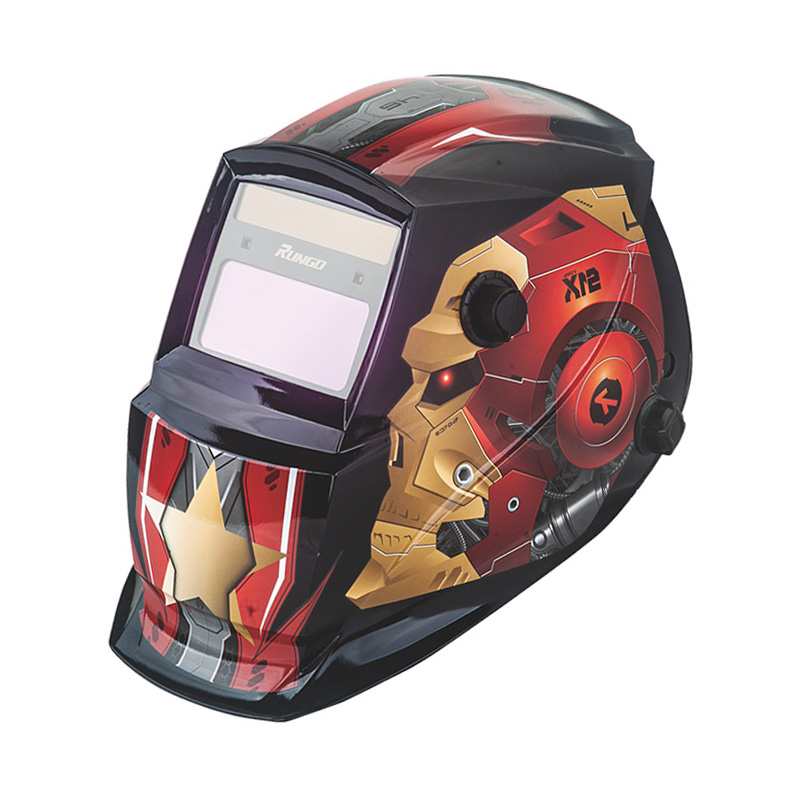
Model: RLM 700
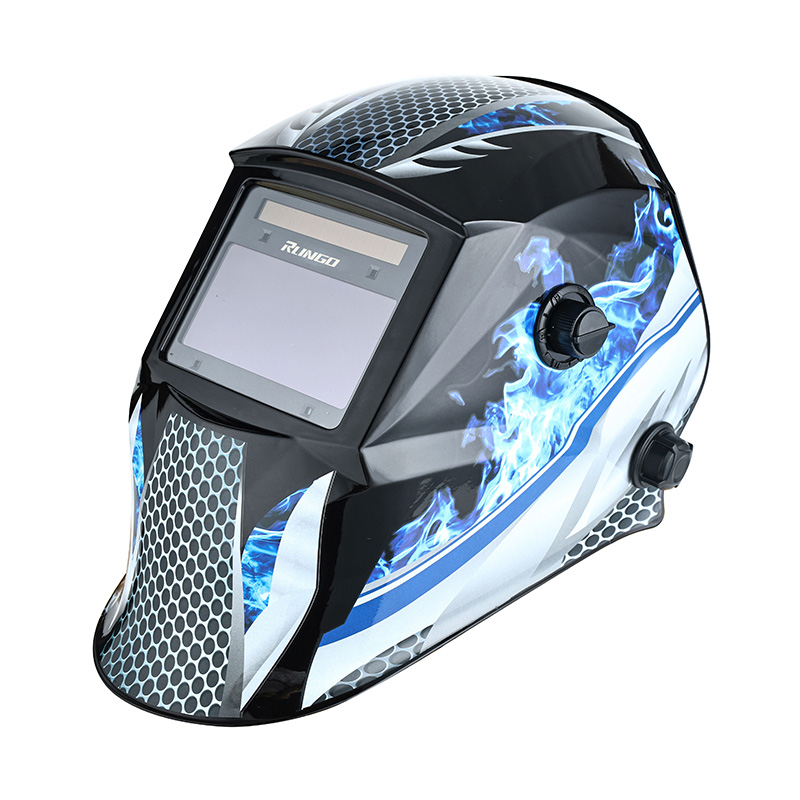
Model: RLM 1000
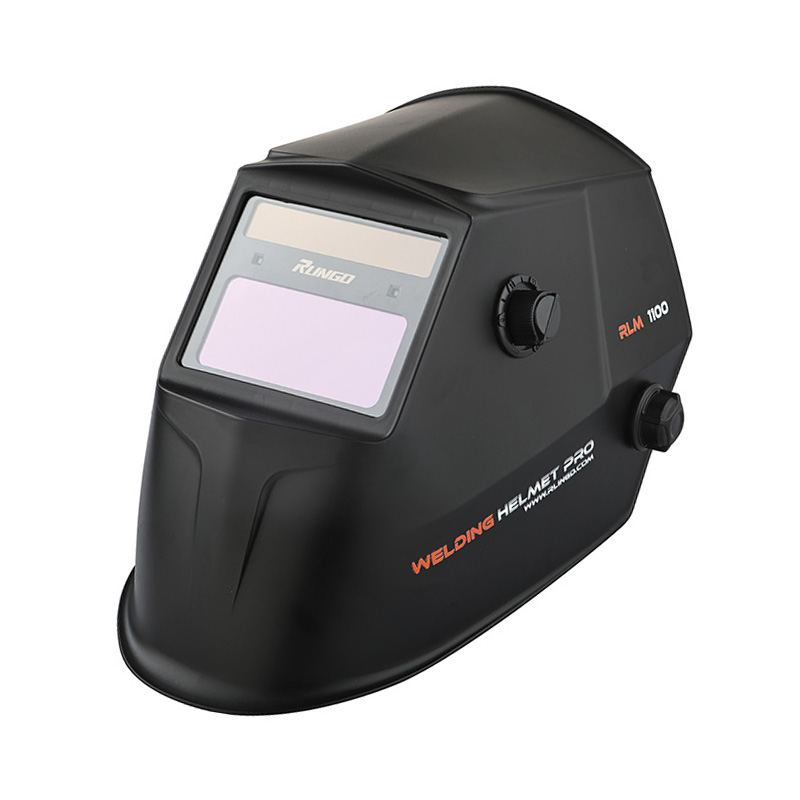
Model: RLM 1100
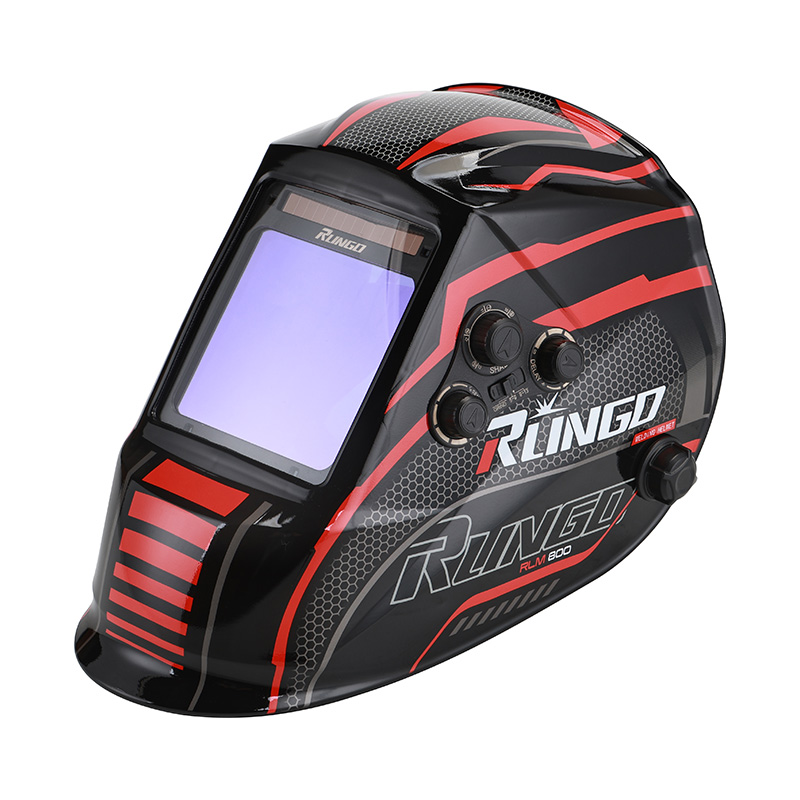
Model: RLM 800
Model: RLM 900
Model: RLM 1200

Building 7, Zeguo Electromechanical Pioneer Park, No.1 Park Road, Zeguo Town, Wenling,Taizhou City, Zhejiang Province, China
Tel: +86-0576-86442210
FAX: +86-0576-86442210
Phone: +86-15669702909
Copyright © Taizhou Ruiling Optoelectronics Technology Co., Ltd.
Auto Darkening Welding Helmet Factory