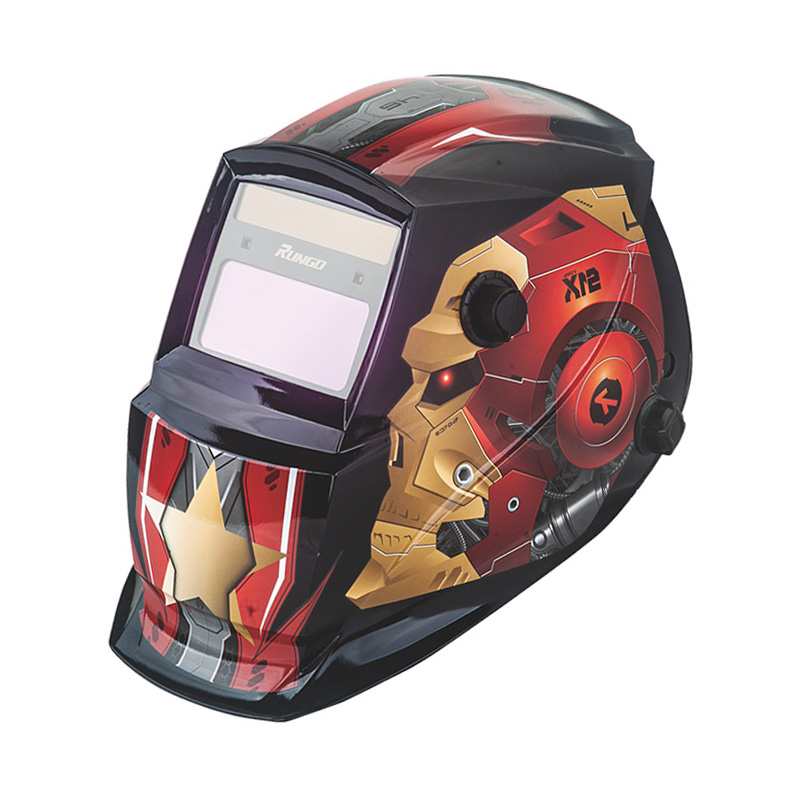
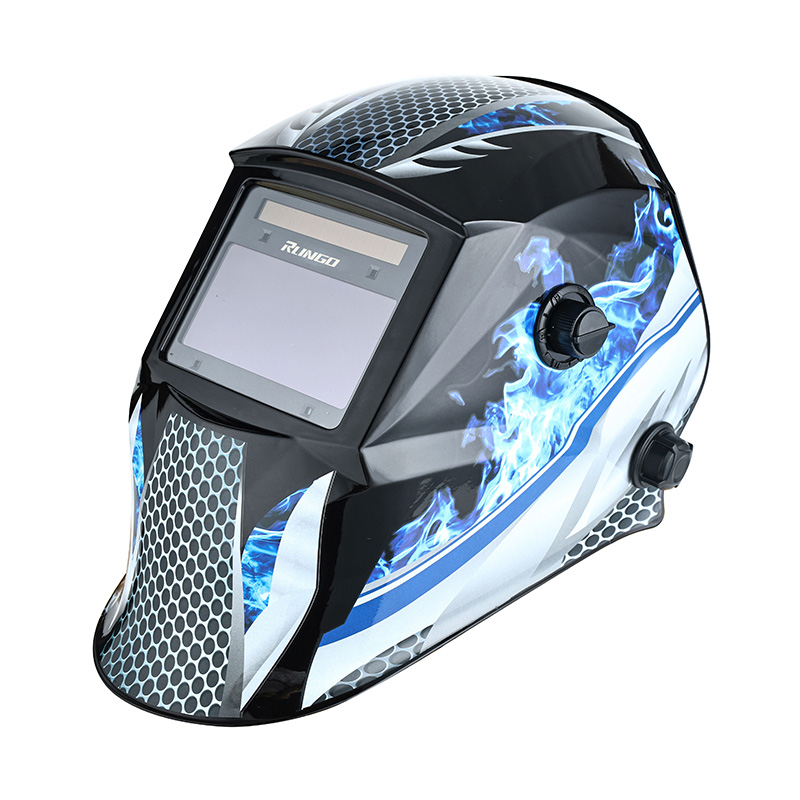
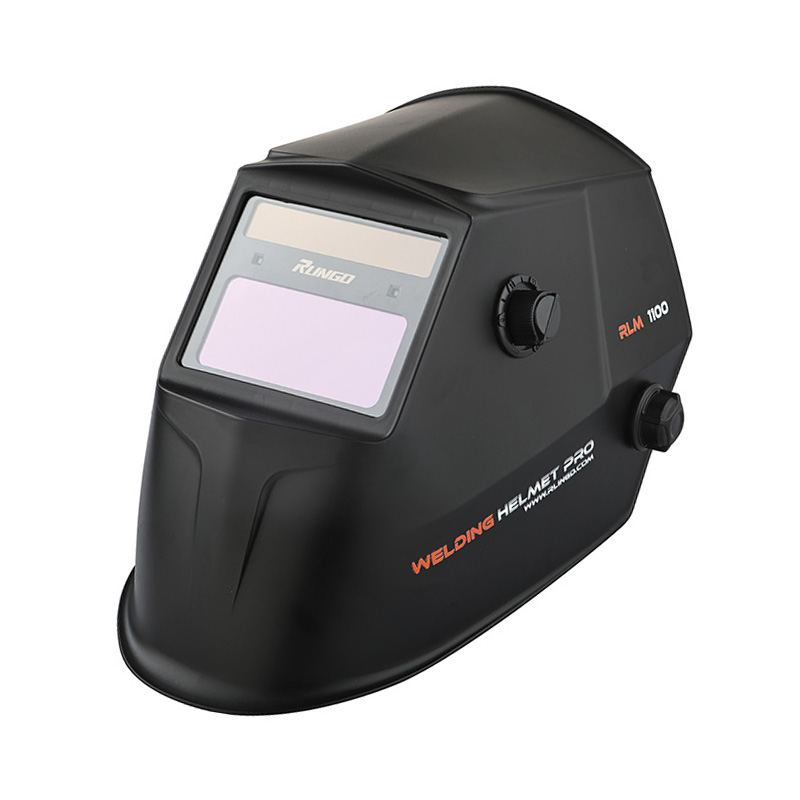
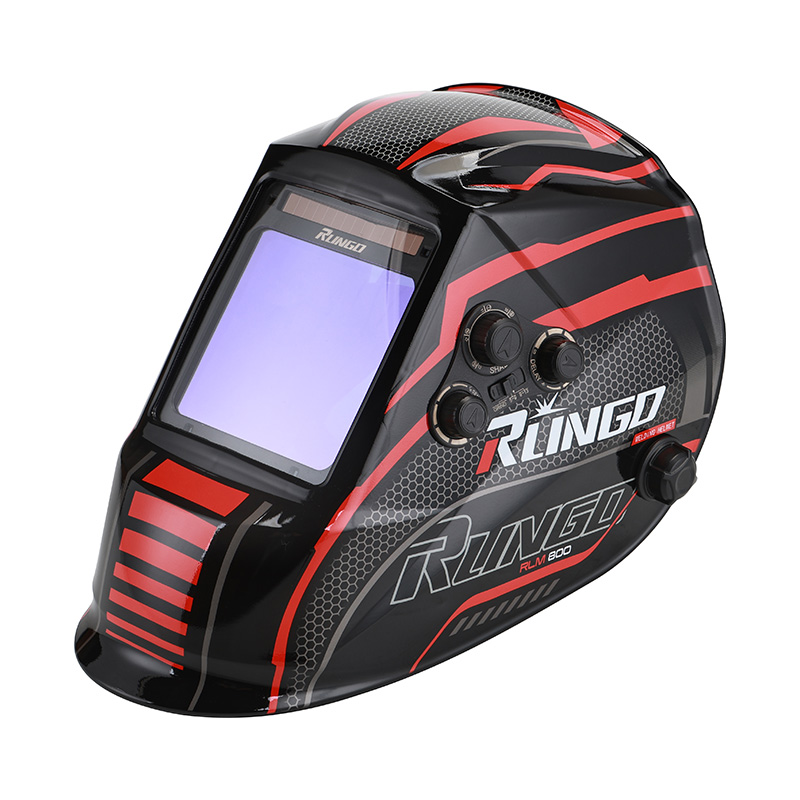
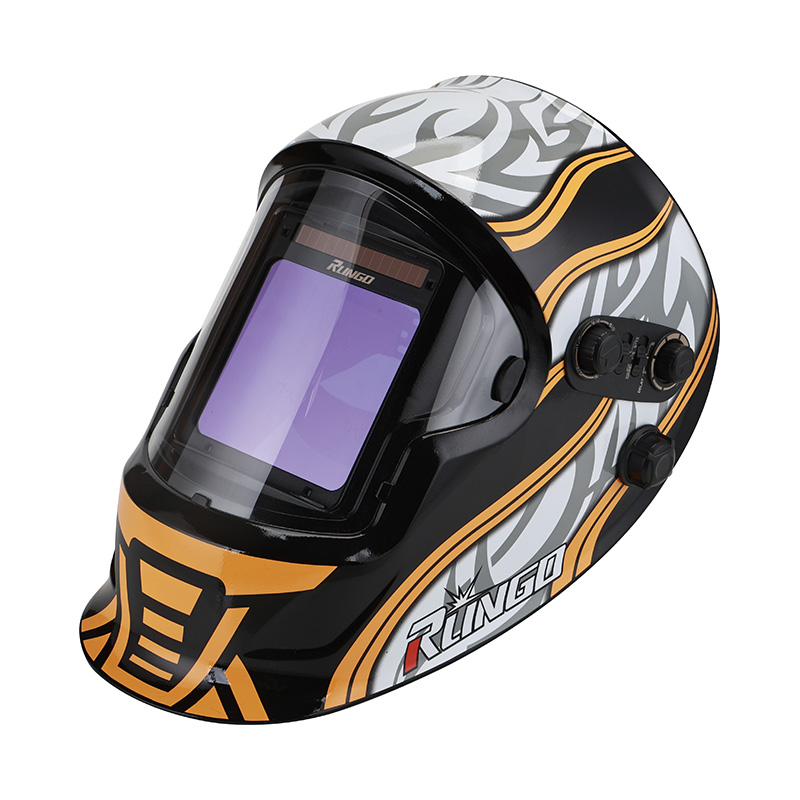
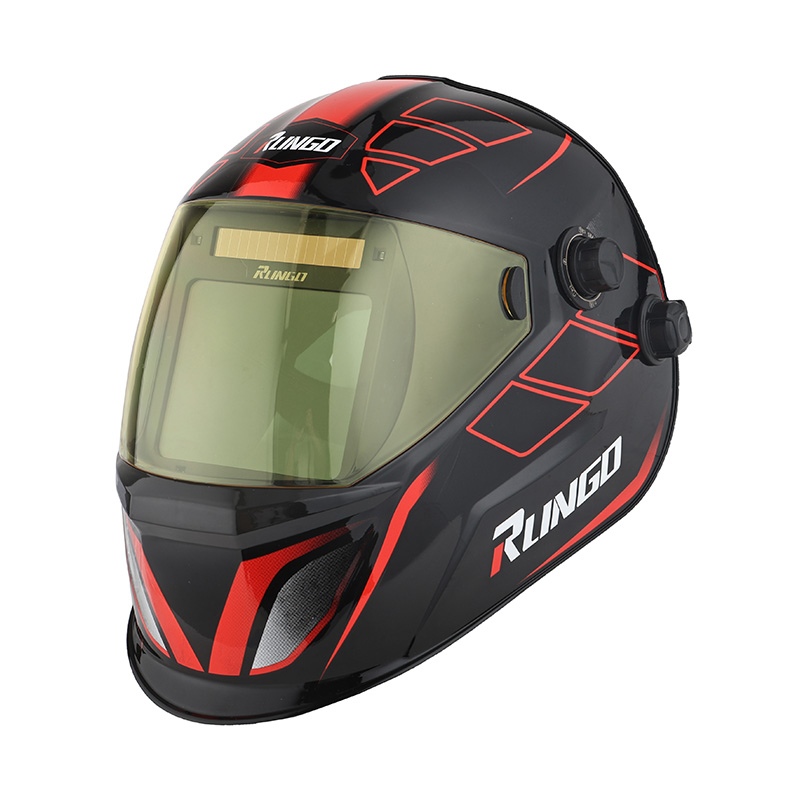
Welding work moves between brightness and darkness in seconds. The eyes face sudden light shifts, and attention stays under constant pressure. An auto change welding helmet is built to handle these shifts without interrupting the task flow.
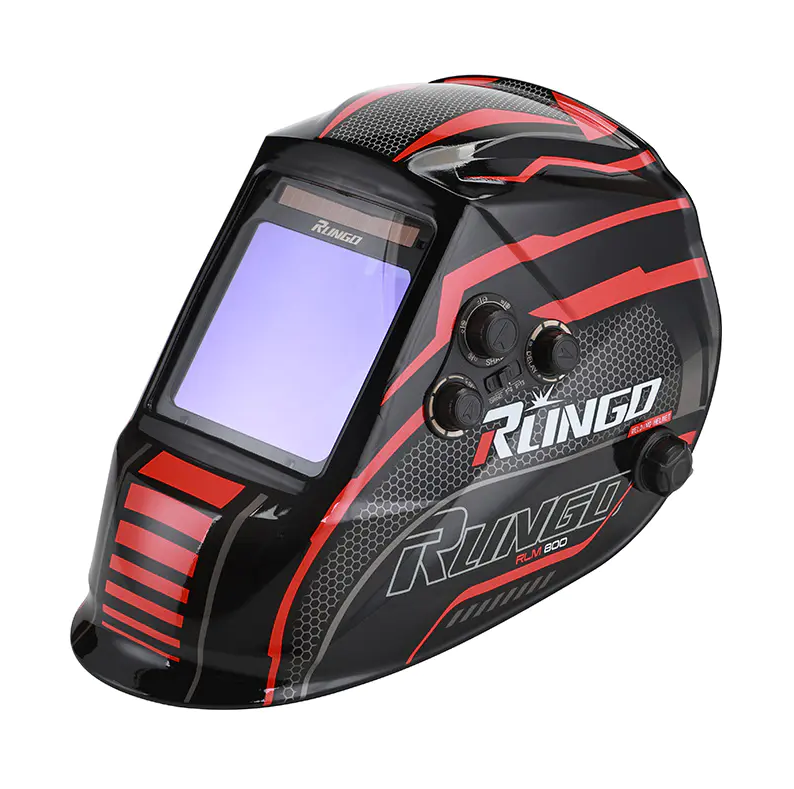
Instead of staying fixed in one shade, the lens adjusts based on surrounding light. This simple behavior changes how users interact with the work area. It also changes what features matter when choosing a helmet for daily use.
In current industry discussions, attention is not only on protection. Comfort, stability, and viewing experience are becoming equally important. The helmet is now part of the working rhythm, not just a shield.
How Does Light Response Behavior Shape Work Flow?
Light response is often the first feature users notice in real work conditions. It decides how smoothly the helmet adapts when welding starts or stops.
A steady response helps reduce pauses between actions. The user does not need to think about switching protection manually. This keeps movement continuous.
Unstable response can create small interruptions. Even short delays may affect timing during repeated work.
In real environments, lighting is rarely simple. Reflections, shadows, and angle changes all affect visibility. A stable response helps reduce visual disruption.
The goal is not only speed. It is also consistency across repeated use.
Why Does Viewing Clarity Change Work Experience?
Clear viewing affects how the work area is understood. It is not only about brightness control. It is about how stable the image feels during use.
When visibility feels uneven, users tend to adjust posture more often. This slows down natural movement.
A balanced visual field helps maintain focus. It also reduces eye strain during longer sessions.
Some users prefer a slightly darker tone, while others prefer a softer transition. What matters most is stability under different conditions.
What Role Does Reaction Speed Play in Safety?
Reaction speed is closely connected to exposure control. When the helmet responds quickly, sudden brightness is reduced.
This helps maintain visual comfort during repeated welding actions. It also reduces the need to pause between steps.
However, speed alone is not enough. Predictability is equally important. A stable pattern helps users understand how the helmet behaves in different situations.
When reaction behavior is consistent, the user can focus more on the task itself rather than the equipment.
How Does Comfort Affect Long Working Hours?
Comfort becomes more noticeable over time rather than at the beginning of use.
A helmet that feels fine in short sessions may become tiring during longer work periods if balance is not well managed.
Weight distribution plays a key role. If pressure is uneven, the neck and head feel more strain.
Airflow inside the helmet also affects comfort. Heat and moisture buildup can reduce concentration.
Comfort is not one feature. It is a combination of structure, balance, and internal space design.
What Features Should Be Compared Before Choosing?
Different helmets may look similar, but their internal behavior can vary. The following table helps summarize key points often compared during selection:
| Feature Area |
What It Affects |
Why It Matters in Daily Use |
| Light response behavior |
Transition between bright and dark states |
Keeps workflow stable during repeated tasks |
| Viewing clarity |
Visual stability and focus |
Reduces eye strain and improves control |
| Reaction consistency |
Predictability during use |
Helps maintain smooth working rhythm |
| Comfort design |
Head and neck pressure |
Supports longer working duration |
| Adjustment flexibility |
Fit and positioning |
Improves personal usability |
| Visibility range |
Surround awareness |
Supports safer movement in work area |
| Maintenance ease |
Cleaning and care routine |
Helps maintain long-term stability |
Each feature works together rather than separately. Small differences across these areas can change the overall experience.
Why Does Adjustment Flexibility Matter in Real Use?
Work habits are not identical. Some users work in fixed positions. Others move frequently across different angles.
Adjustment flexibility helps the helmet adapt to these differences. A stable fit reduces unnecessary movement during work.
Lens or viewing adjustments also help in different lighting environments. A single setting may not fit all conditions.
Simple adjustment systems are often preferred. They reduce time spent on setup and keep focus on the task.
How Does Visibility Range Influence Awareness?
Visibility is not only about what is directly in front. Surround awareness also plays a role.
A balanced viewing range helps users notice nearby movement without losing focus on the main task.
If the view feels too narrow, movement becomes more cautious. If it is too wide without clarity, focus may scatter.
The right balance helps maintain natural working behavior.
Lighting changes in different environments can also affect perception. A stable viewing experience helps reduce constant adjustment.
What Makes Durability Important Over Time?
Durability goes far beyond basic sturdiness—it hinges on whether a helmet can hold full functionality after constant repeated use.
Daily carrying, shifting around, and prolonged exposure to harsh workplace environments gradually wear down its internal structure.
Tiny parts like connecting joints and fit adjusters have to remain firmly secured. Once these pieces start slipping loose with time, the helmet becomes far less practical to use.
Surface resilience is another key factor. Built-up dust and grime will slowly hinder its overall performance day after day.
When assessing durability, consistent long-term performance always carries more weight than how new the helmet looks at first glance.
How Does Maintenance Affect Long-Term Stability?
Routine upkeep might seem straightforward, yet it plays an irreplaceable role.
Wiping the unit regularly preserves unobstructed vision; routine checks on adjustment mechanisms ensure the helmet maintains a proper, secure fit.
If maintenance steps are overly complicated, most users will skip them more and more often—and this gradual neglect will slowly degrade the helmet's working condition.
Helmets designed for easy cleaning and inspection maintain steady performance over a much longer service life.
Good maintenance does not require massive effort; it all comes down to sticking to simple regular checks.
Why Do Small Design Choices Change User Experience?
Small design details often influence comfort more than expected.
A slight change in shape can affect head pressure. A small difference in viewing angle can change perception.
Even control placement can affect how quickly adjustments are made during work.
These details may not be noticed individually, but they shape overall experience when combined.
Over time, users often notice comfort differences more than feature lists.


 English
 中文简体
中文简体 русский
 Español
 Inquiry