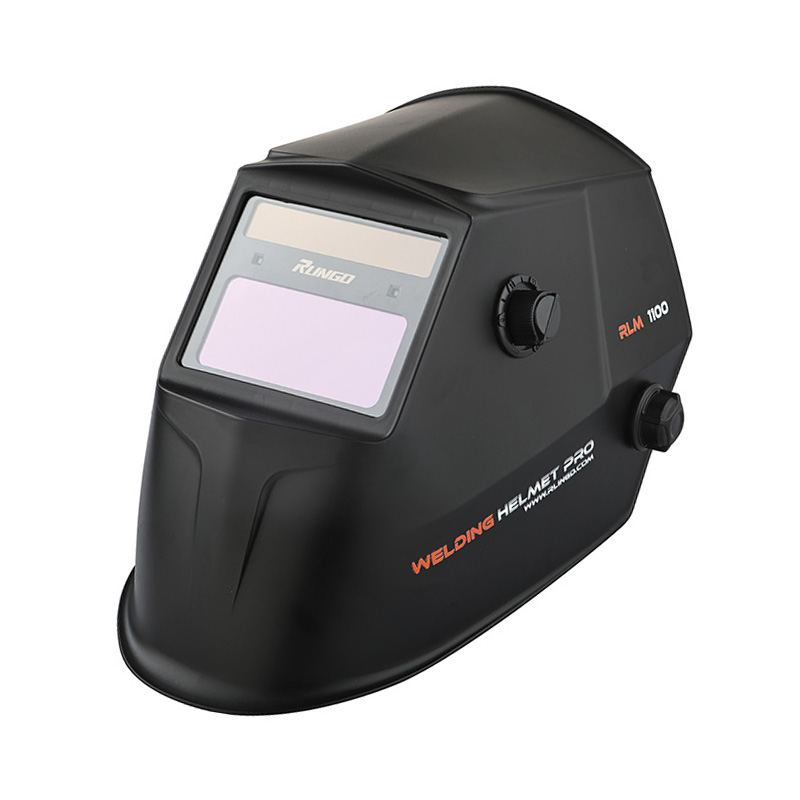
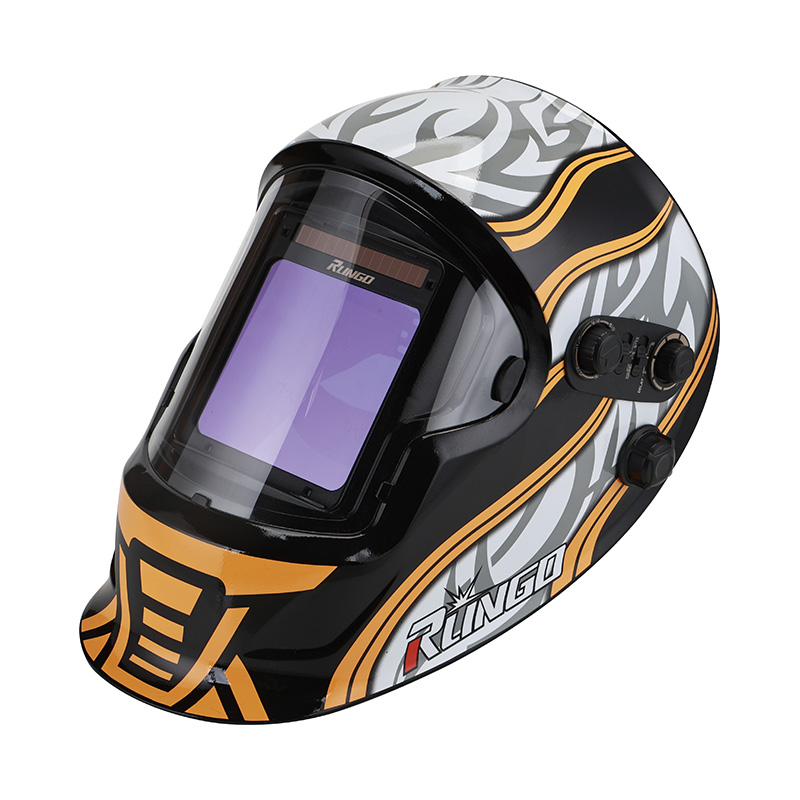
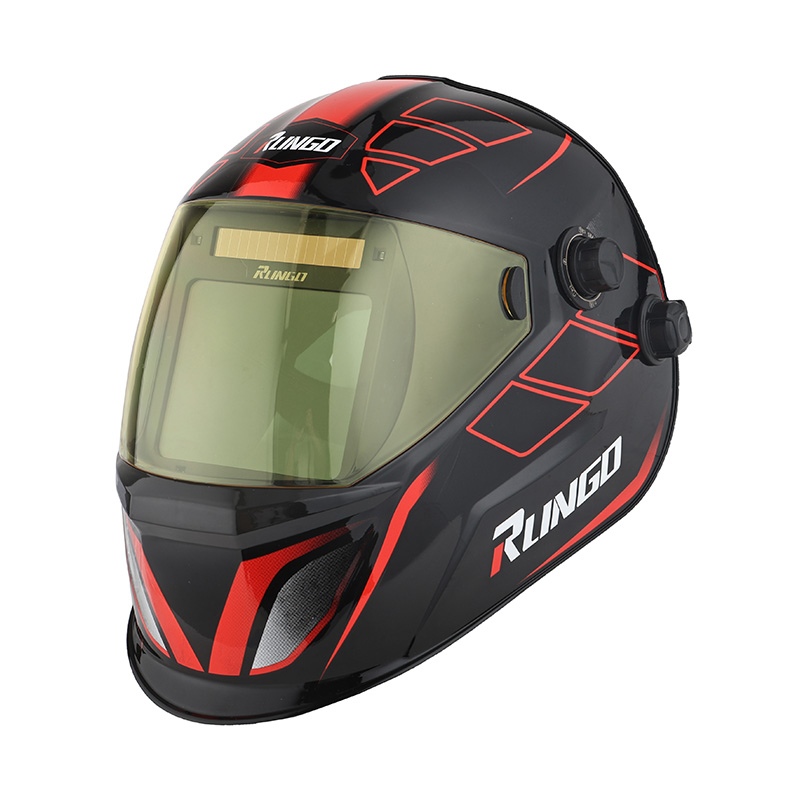
Auto darkening welding helmets are widely used in welding environments where visibility changes constantly and eye protection is part of daily work. Behind every helmet in circulation, there is a factory that handles structure design, material handling, assembly flow, and final checking.
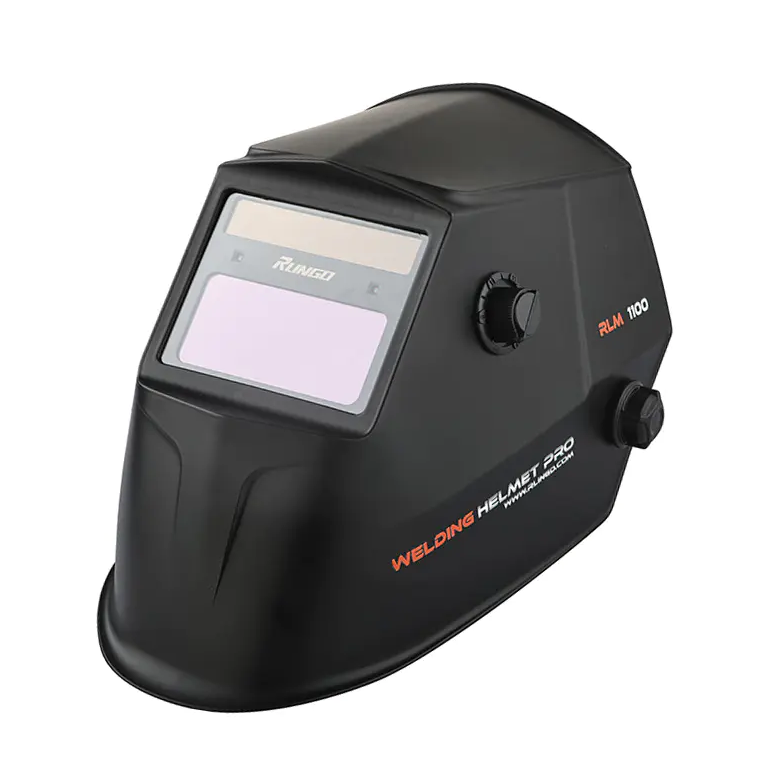
Choosing a Auto Darkening Welding Helmet Factory is not only a sourcing step. It is also a long-term decision that can influence product consistency, delivery stability, and communication efficiency over time. A careful selection process usually reduces later uncertainty.
What does "reliable factory" really mean in real sourcing work?
The word "reliable" is often used, but in practice it is not a single feature. It is a combination of behavior patterns that appear during production and cooperation.
A factory can be considered stable when it shows predictable performance in:
- production continuity across different orders
- communication that does not change without reason
- stable product appearance between batches
- controlled handling of customization requirements
- consistent packaging and shipment preparation
These points may seem simple, but they often decide whether long-term cooperation feels smooth or difficult.
A reliable factory is usually not the one that makes the most claims, but the one that behaves consistently across different situations.
Why does production structure matter more than appearance?
At first glance, two factories may offer similar helmet samples. However, internal production structure often determines what happens after the first order.
Factories with organized workflows tend to handle changes more calmly. Orders move through defined steps instead of being adjusted randomly during production.
This structure often affects:
- how raw materials are allocated
- how assembly lines are arranged
- how inspections are scheduled
- how final products are grouped for delivery
When structure is weak, even simple changes in order quantity or packaging can lead to delays or confusion.
A stable production structure does not always look impressive from the outside, but it creates predictable output over time.
How does material handling influence final stability?
Even though welding helmets are finished products, material handling at the factory level still shapes their consistency.
Factories usually work with multiple material types, each with different behavior during processing. Some materials are more stable under repeated shaping. Others require stricter control during assembly.
What matters in sourcing is not only the material itself, but how consistently it is handled.
Key observations include:
- whether material sourcing remains stable over time
- whether different batches feel visually consistent
- whether surface finish remains uniform across production runs
- whether structural parts maintain similar weight and balance
When material handling is controlled, product variation becomes less noticeable.
How important is quality control beyond final inspection?
Many people think quality control happens at the end of production. In reality, reliable factories often manage it throughout the entire process.
Instead of only checking finished products, they may monitor multiple stages:
- component alignment during assembly
- surface finishing consistency
- functional movement of adjustable parts
- visual uniformity under different lighting
- handling stability during repeated testing
This layered approach helps reduce unexpected issues later.
Factories with weak control systems often rely heavily on final inspection alone. That can still work for small batches, but may become less stable when production scales up.
What role does communication play in factory reliability?
Communication is often underestimated during early sourcing decisions. However, it becomes one of the most important factors during long-term cooperation.
Clear communication helps avoid misunderstandings in:
- product specifications
- order scheduling
- customization requirements
- packaging expectations
- shipment timing
Reliable factories usually maintain consistent responses. They do not frequently change explanations for the same topic.
Another important detail is response stability. It is not about speed alone. It is about whether answers remain consistent across different stages of discussion.
When communication is stable, production decisions become easier to manage.
Why does consistency matter more than sample quality?
A sample can show what a factory is capable of at one moment. However, consistency shows what the factory can maintain over time.
This difference is important.
A factory may produce a very good sample, but later batches may vary if internal control is not stable.
Consistency affects:
- appearance uniformity across orders
- structural stability over time
- fitting and assembly accuracy
- user experience in repeated use situations
In real sourcing, long-term cooperation depends more on consistency than on one-time performance.
A stable factory is usually recognizable by how similar each batch feels, not how impressive a single sample looks.
How does customization ability reflect factory strength?
Customization is often seen as a service feature, but it also reflects internal coordination ability.
Factories that handle customization well usually have clear internal communication between departments.
Common customization requests include:
- logo placement adjustments
- surface color or design changes
- packaging variations for different markets
- structural modifications within safe limits
What matters is not how many options are available, but how smoothly changes are handled during production.
Factories that struggle with coordination may accept requests but face delays later in execution.
What should buyers observe during early communication?
Before making a decision, it is useful to observe small details during early discussions. These often reveal more than product brochures.
Some useful indicators include:
- whether answers remain consistent over multiple conversations
- whether technical explanations stay clear and stable
- whether timelines are realistic and unchanged without reason
- whether sample feedback is reflected in later communication
- whether questions are answered directly or indirectly
These details help build a clearer picture of how the factory operates internally.
A stable communication pattern often reflects a stable production system.
How does packaging influence perceived reliability?
Packaging is not only about protection. It also reflects how carefully a Auto Darkening Welding Helmet Supplier manages final output.
Reliable factories usually pay attention to:
- protection during transportation
- internal arrangement of components
- clarity of labeling for identification
- resistance to movement during shipping
- consistency between different shipments
Packaging differences between orders can sometimes indicate inconsistency in production handling.
Even if the product itself is unchanged, unstable packaging can still create confusion during distribution.
Why is long-term cooperation harder than first orders?
First orders often receive more attention. Communication is usually more active, and production is closely monitored.
However, long-term cooperation depends on repeated performance, not initial results.
Challenges often appear later, such as:
- maintaining consistent quality over time
- handling repeated adjustments without disruption
- keeping communication stable during busy production periods
- managing larger or changing order volumes
Factories that perform well over time usually have stable internal systems rather than temporary effort.
How can risk be reduced when selecting a factory?
Risk reduction does not depend on a single action. It comes from gradual observation.
Practical steps often include:
- comparing multiple sample batches instead of one
- reviewing communication consistency over time
- observing how changes are handled in small requests
- checking whether production explanations remain stable
- evaluating packaging consistency across deliveries
These steps help identify patterns rather than isolated results.
A factory that performs steadily across small tests is more likely to remain stable in larger cooperation.
What defines a truly reliable welding helmet factory in practice?
In real sourcing situations, reliability is not defined by marketing descriptions or short-term performance. It is defined by behavior over repeated cycles.
A reliable factory tends to show:
- steady production output
- predictable communication style
- consistent product appearance
- controlled handling of customization
- stable packaging and delivery preparation
None of these elements alone is decisive. Together, they form a pattern that buyers can observe over time.
In the end, choosing a factory is less about finding a perfect option and more about identifying stable behavior that continues across different orders and conditions.


 English
 中文简体
中文简体 русский
 Español
 Inquiry