
 English
 中文简体
中文简体 русский
 Español
 Inquiry
Industry News
Home / News / Industry News / How Do China Auto Darkening Welding Helmet Compare in Quality and Price
2026-06-12
China Auto Darkening Welding Helmet have become a regular topic in industrial sourcing conversations. They appear in workshops, construction sites, and manufacturing environments across different regions. The interest is not only about availability. It is also about how quality and price interact within this product category.
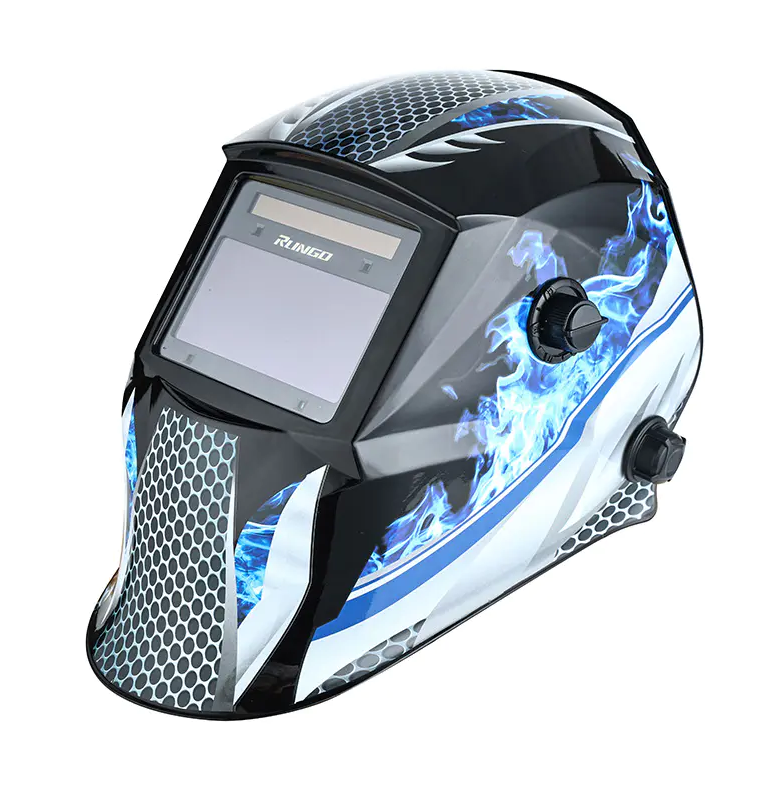
At first glance, many helmets look similar. The shape is familiar. The structure is standard. Yet, when buyers compare options across suppliers, differences start to appear in feel, performance stability, and pricing patterns.
This comparison is not always straightforward. It depends on production approach, material choices, assembly control, and supply chain structure.
Quality variation is often linked to production consistency. Even when products follow a similar design outline, the way they are assembled can differ.
Some production lines focus on stable repetition. Parts are handled in a controlled sequence. Each unit passes through similar handling conditions. This creates a more uniform output.
Other production setups allow more flexibility in process flow. While this can support faster adjustments, it may introduce small differences between batches.
These differences are not always visible at first. They often appear during repeated use, where small variations in fit, comfort, or response become noticeable.
Key areas where variation is often observed include:
None of these points define the product alone. Together, they shape how consistent the experience feels over time.
Material choice plays a quiet but important role. It affects how the helmet feels, how it behaves during use, and how long it maintains stable performance.
Some materials are selected for flexibility. Others are chosen for structural stability. A balance is often needed between weight, durability, and comfort.
In general, material differences influence:
When material handling becomes more complex, production time increases. That added time often reflects in pricing structure.
Price does not always follow material alone, but material sets the foundation for cost direction.
Price differences do not come from a single factor. They are usually the result of multiple small decisions across production and distribution.
A simplified view helps illustrate this:
| Influencing area | Effect on price behavior |
|---|---|
| Material selection | Changes base production cost |
| Assembly control | Affects labor and process time |
| Production scale | Influences unit efficiency |
| Packaging method | Impacts handling and logistics |
| Quality inspection level | Adds control steps before shipment |
Each layer adds its own influence. When combined, they create the final pricing range seen in the market.
Some suppliers focus on streamlined production. Others invest more steps in checking and refinement. Both approaches shape how pricing is formed.
Not necessarily. Price and consistency are related, but not directly proportional.
Higher pricing may reflect additional processing steps, more detailed inspection, or refined packaging methods. These elements can improve stability, but they do not guarantee uniform results across all batches.
Similarly, lower-priced options may still maintain acceptable consistency when production systems are well controlled.
Consistency depends more on process control than price alone. This includes:
Price often reflects effort, but consistency reflects system discipline.
Scale changes how production behaves.
Large-scale production often allows more stable material planning. Machines run in longer cycles. Output becomes more predictable. This can support steady pricing patterns.
Smaller production batches may offer more flexibility. Adjustments can be made quickly, but the rhythm of output may vary more often.
A simple comparison:
Large-scale production
Smaller-scale production
Neither structure is fixed in quality outcome. Both depend on how processes are managed.
Quality management is often layered rather than centralized in one step.
Some suppliers apply checks during multiple stages. Components are reviewed before assembly. Semi-finished products are observed during processing. Final units are checked before packaging.
Other suppliers rely mainly on final-stage checks. This simplifies workflow but may reduce early detection of small inconsistencies.
Common focus points in quality observation include:
The depth of these checks often influences both reliability and pricing structure.
Custom orders bring extra variables to both quality standards and overall pricing.
Buyers often ask for adjustments to product looks, labels or packaging. These changes call for extra work to align everything during production.
Suppliers with formal custom procedures will lock in all requirements ahead of production. This avoids mix-ups, yet extends prep time.
Looser, more flexible custom processes let teams make changes faster. Poor communication here, however, can lead to uneven quality.
Customization affects these aspects:
Each tweak to daily operations will be reflected in pricing and production performance.
Packaging isn't just about keeping items safe. It also makes a big difference when it comes to moving and storing goods.
Good packaging helps avoid damage in transit and makes handling work easier, so deliveries tend to go without a hitch.
Companies usually adopt these practical packaging methods:
Logistics will also add to your overall costs. The shipping method, travel distance and storage time all have a say in the final price.
The product itself might stay exactly the same, but how it's packed and shipped can totally change buyers'opinions on its value.
When comparing Adjustable Auto Darkening Welding Helmet suppliers, buyers often notice patterns rather than isolated differences.
These patterns may include:
These observations build gradually. They become clearer after repeated interaction rather than initial contact.
Over time, suppliers tend to show recognizable behavior patterns in communication, production rhythm, and delivery structure.
Short-term comparisons often focus on visible differences. Long-term cooperation reveals deeper patterns.
Some suppliers maintain stable output behavior across multiple orders. Communication remains steady. Product variation stays within a narrow range.
Others show more fluctuation depending on order type or production timing. This may not be obvious at the beginning but becomes more noticeable over time.
Long-term observation often shifts focus from price alone to overall predictability.
Key long-term considerations include:
These factors often influence sourcing decisions as much as initial pricing comparisons.
China auto darkening welding helmets sit in a market where quality and price are closely linked but not strictly proportional. Differences emerge through production behavior, material choices, inspection depth, and supplier structure. Over time, these small elements combine to form the real experience behind each sourcing decision.

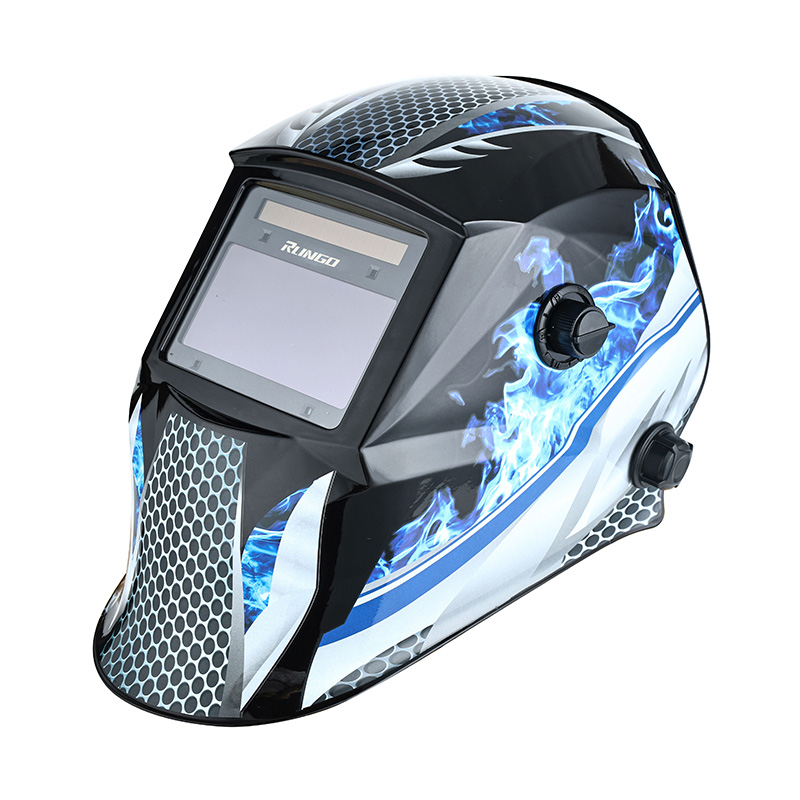
Model: RLM 700
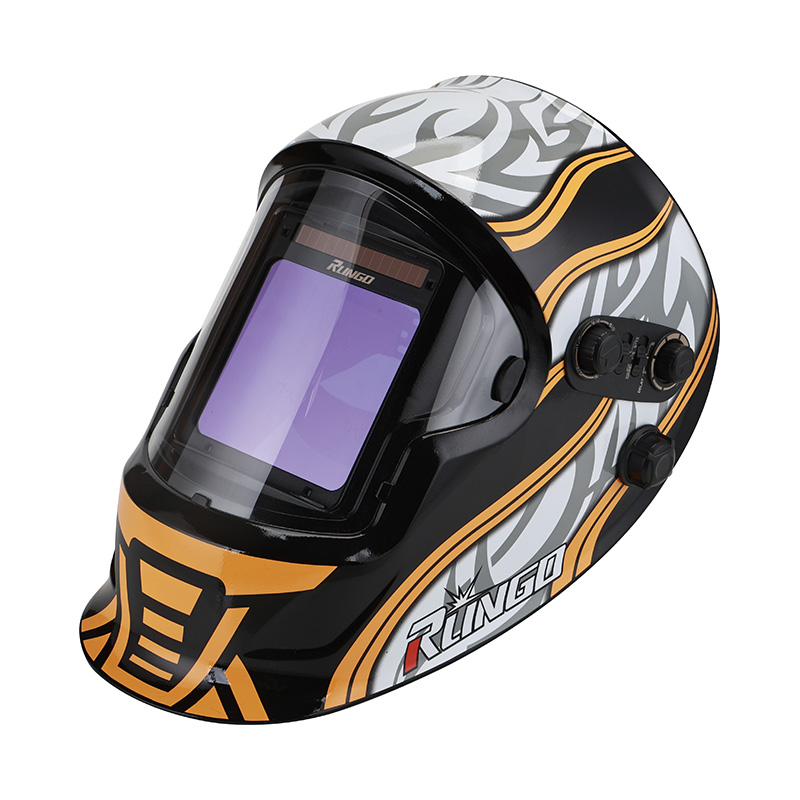
Model: RLM 1000
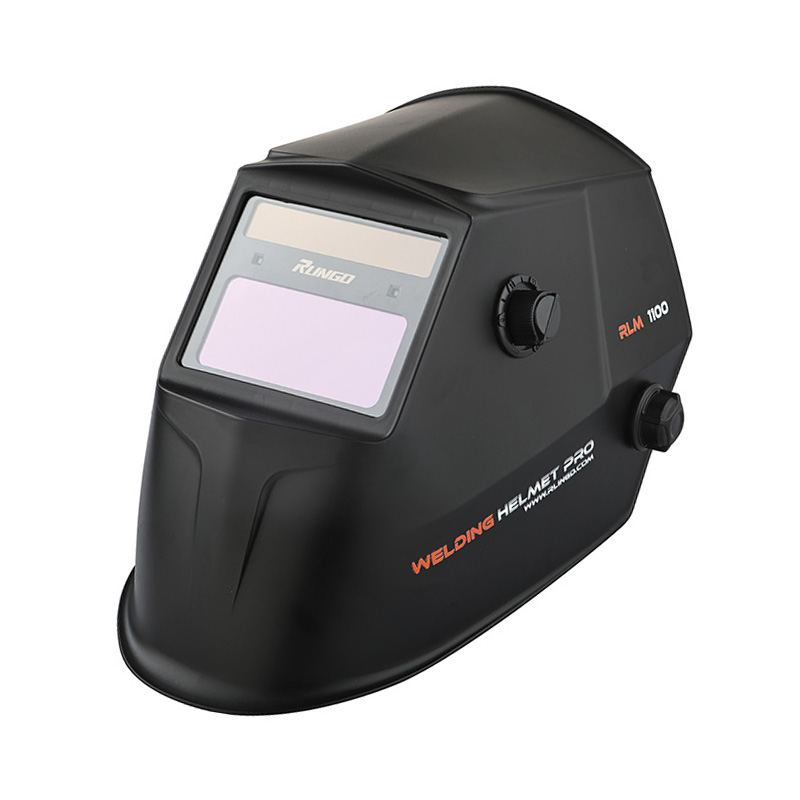
Model: RLM 1100
Model: RLM 800
Model: RLM 900
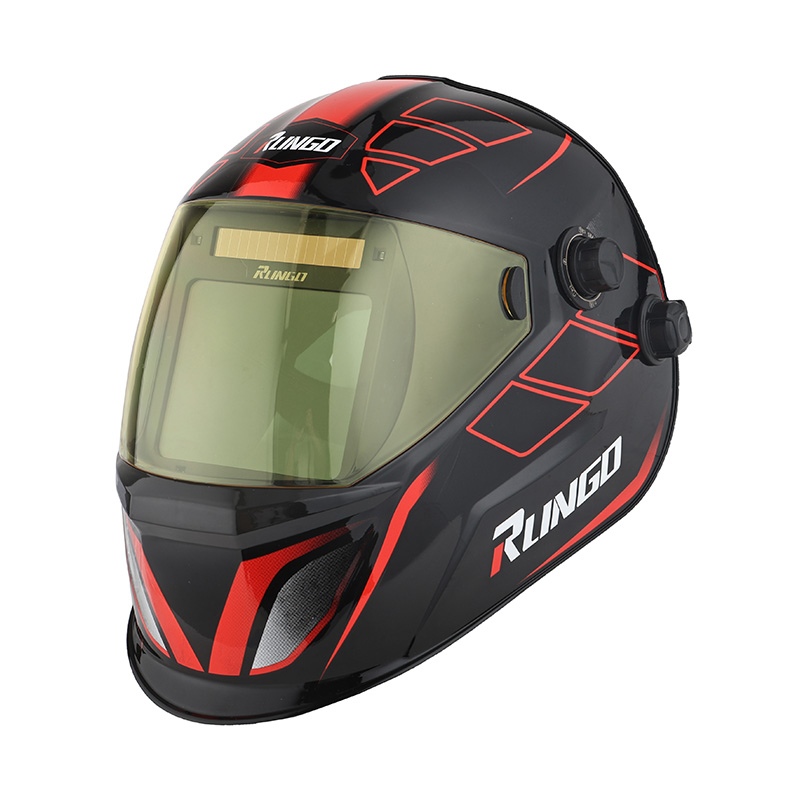
Model: RLM 1200

Building 7, Zeguo Electromechanical Pioneer Park, No.1 Park Road, Zeguo Town, Wenling,Taizhou City, Zhejiang Province, China
Tel: +86-0576-86442210
FAX: +86-0576-86442210
Phone: +86-15669702909
Copyright © Taizhou Ruiling Optoelectronics Technology Co., Ltd.
Auto Darkening Welding Helmet Factory