
 English
 中文简体
中文简体 русский
 Español
 Inquiry
Industry News
Home / News / Industry News / True Color Auto Darkening Welding Helmet Maintenance Tips for Longer Lifespan
2026-07-03
True color auto darkening welding helmet is built for demanding welding environments where visibility and protection need to stay stable at the same time. The lens reacts quickly to changes in brightness, while true color viewing helps the working area look closer to natural tones.
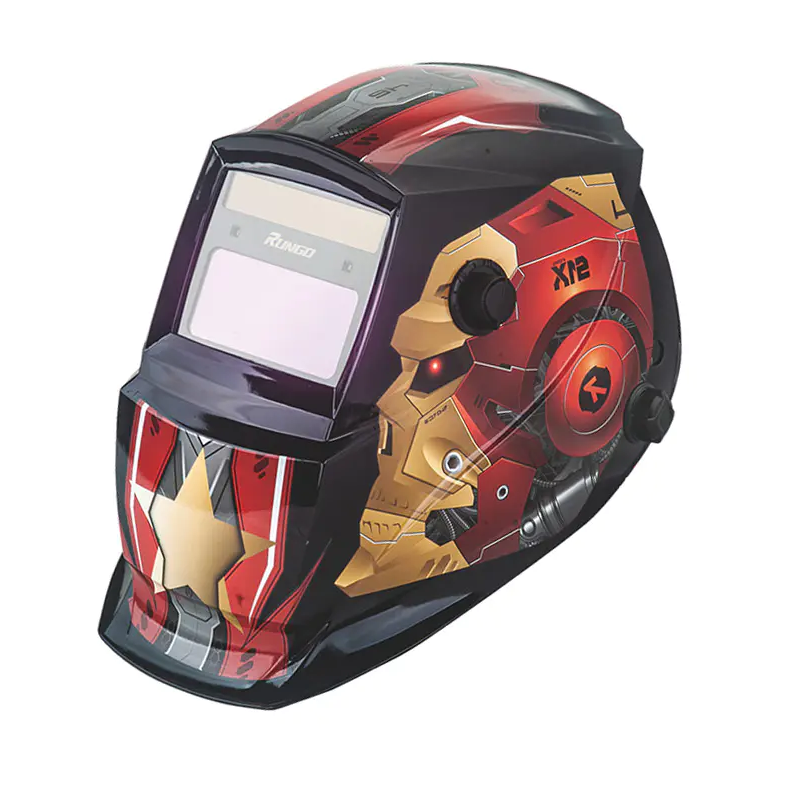
Even so, long service life does not depend only on product design. Daily handling, storage habits, and small maintenance routines often decide how long the helmet can keep steady performance.
Wear and tear usually develops slowly. Dust, heat, impact, and careless cleaning are common reasons behind gradual performance changes.
During welding work, fine particles and smoke can settle on the outer lens. These particles are small, but they affect how light enters the viewing area.
When the surface is not clean, the image may feel slightly dull or uneven. The helmet still works, but clarity is reduced.
A simple cleaning habit helps maintain stable viewing conditions:
This is not about appearance only. It is about keeping the light path clear so the lens system can respond naturally.
A clean surface also reduces eye strain during longer welding sessions.
Where and how the helmet is stored has a slow but steady effect on its condition.
A helmet left in unstable surroundings may face dust accumulation, moisture exposure, or heat stress over time. These factors do not cause sudden failure, but they gradually change how the equipment behaves.
Typical storage issues include:
To reduce these effects, simple habits are enough:
These small steps help maintain both structure and lens stability.
The lens is the most sensitive part of the helmet. Even minor surface damage can affect how light is processed.
True color viewing depends on consistent light filtering. If the lens is scratched or covered with residue, the viewing tone may feel uneven.
Common issues include:
To reduce these risks:
Lens care is less about repair and more about prevention. Once damage appears, it usually cannot be reversed.
Auto darkening helmets rely on a power source to support fast lens reaction. When power conditions are unstable, response time may feel less consistent.
This does not always stop function completely, but small delays or uneven shading can appear.
Possible signs include:
To maintain stable performance:
Stable energy supply supports stable reaction speed.
Welding workspaces are cramped, full of moving gear and handheld equipment. No matter how careful workers are, accidental knocks and bumps happen all the time.
Lots of minor knocks add up over time and slowly throw off internal parts or damage the helmet's outer shell.
Long-term impact damage can bring on these issues:
A few easy daily habits cut these risks way down:
These small routines stop gradual structural damage before it becomes noticeable.
Welding naturally creates consistent high heat. Even though welding helmets are built to withstand hot conditions, constant heat speeds up overall wear and tear.
Prolonged heat exposure slowly causes:
You can slow heat-related aging with simple storage rules:
Heat won't break the helmet straight away, but frequent exposure shortens how long it works reliably.
Some small habits are often overlooked because they seem unimportant at first. Over time, they influence performance more than expected.
Common overlooked issues include:
These actions slowly change how the helmet performs, even if it looks normal on the outside.
| Area | Common issue | Simple habit to improve lifespan |
|---|---|---|
| Lens surface | Dust and residue buildup | Gentle wipe after use |
| Storage environment | Moisture and heat exposure | Keep in dry shaded place |
| Power system | Irregular response | Regular usage and check |
| Helmet structure | Impact stress | Careful placement and handling |
| Inner response system | Vibration effects | Avoid dropping or rough movement |
Long-term performance is often shaped more by daily behavior than by occasional maintenance.
Each time the helmet is used, stored, or moved, small physical interactions take place. These repeated actions slowly influence durability.
Helpful handling habits include:
These actions reduce small, repeated stress that builds up over time.
Auto Darkening Welding Helmet Factory aren't just safety gear—they directly change how well you can see your workpiece while welding.
Sticking to routine maintenance keeps everything working reliably:
Instead of fixing problems once they pop up, quick daily care keeps the helmet running smoothly without interrupting your work.
How often should the lens be cleaned?
A light cleaning after each work session helps keep visibility stable.
Can small scratches affect viewing quality?
Yes, even minor surface marks can change how light passes through the lens.
Does storage really affect helmet lifespan?
Yes, humidity, dust, and heat gradually influence long-term performance.
What is the most important maintenance habit?
Keeping the lens clean and protected from damage is the most important routine.
Can rough handling reduce helmet performance?
Repeated impact or careless movement can slowly affect stability and response quality.

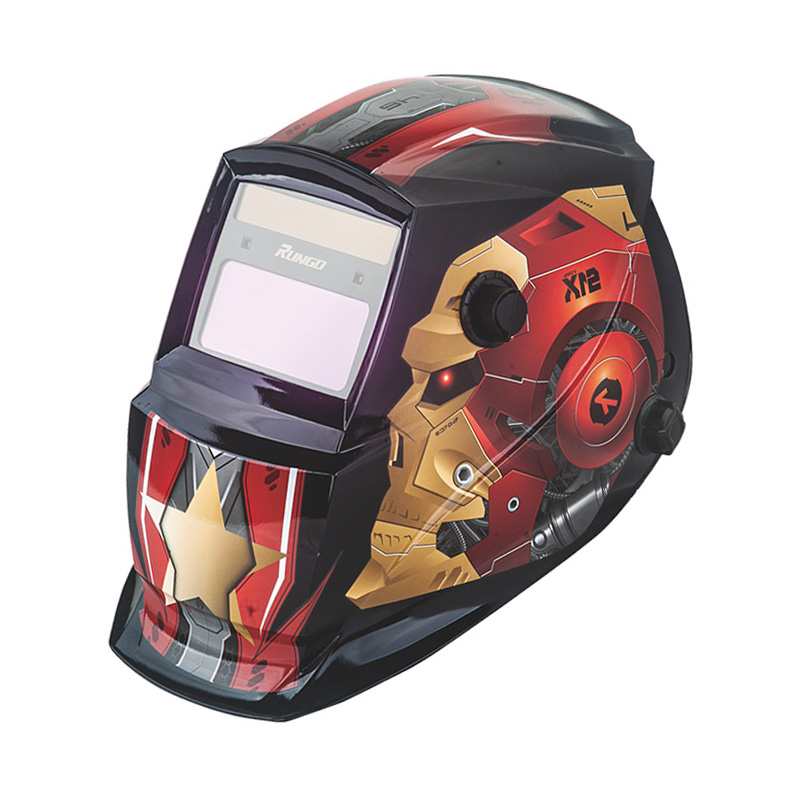
Model: RLM 700
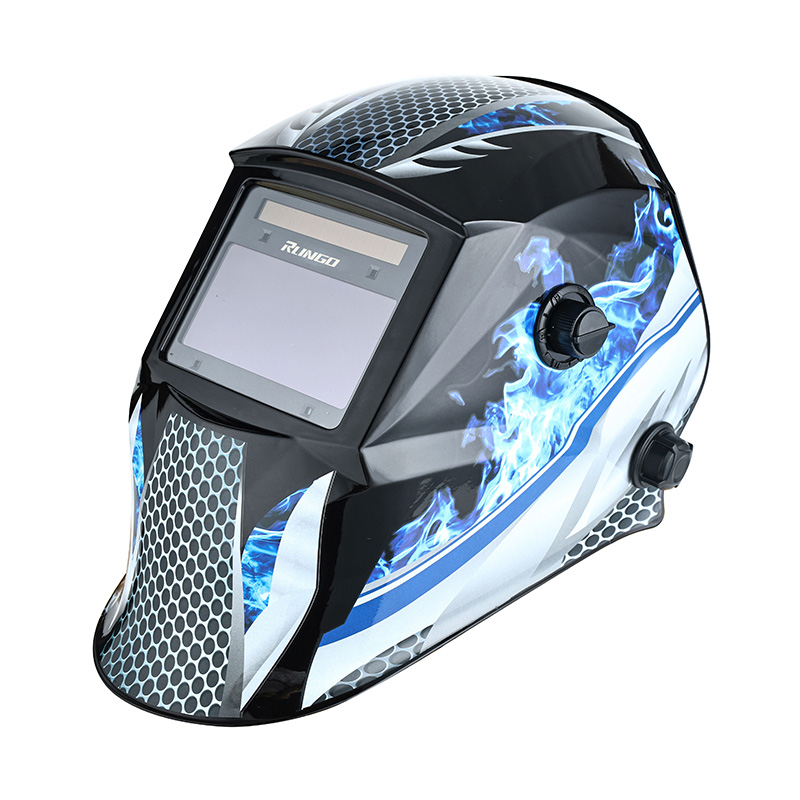
Model: RLM 1000
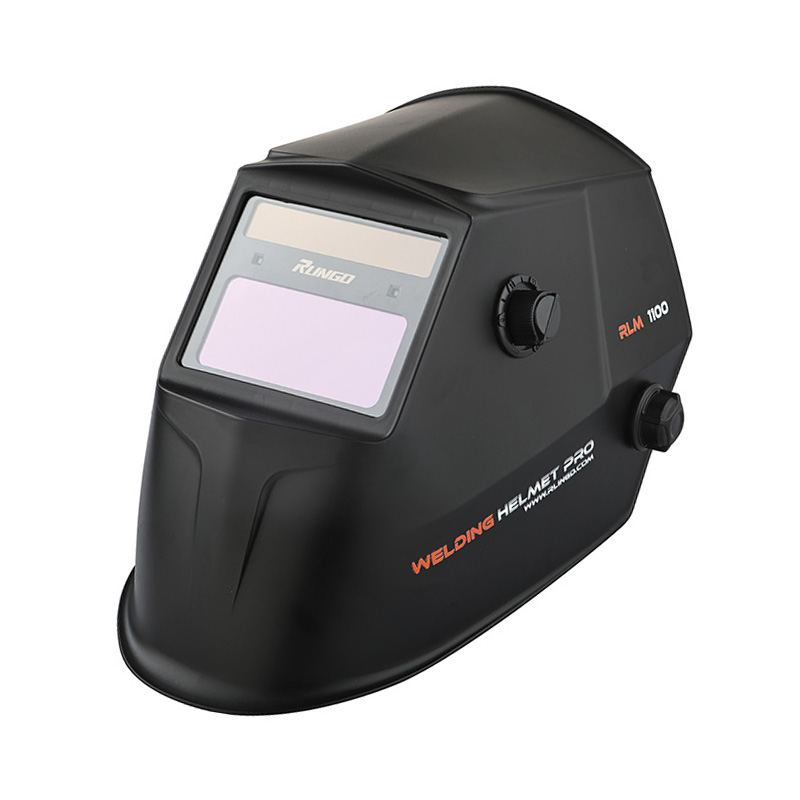
Model: RLM 1100
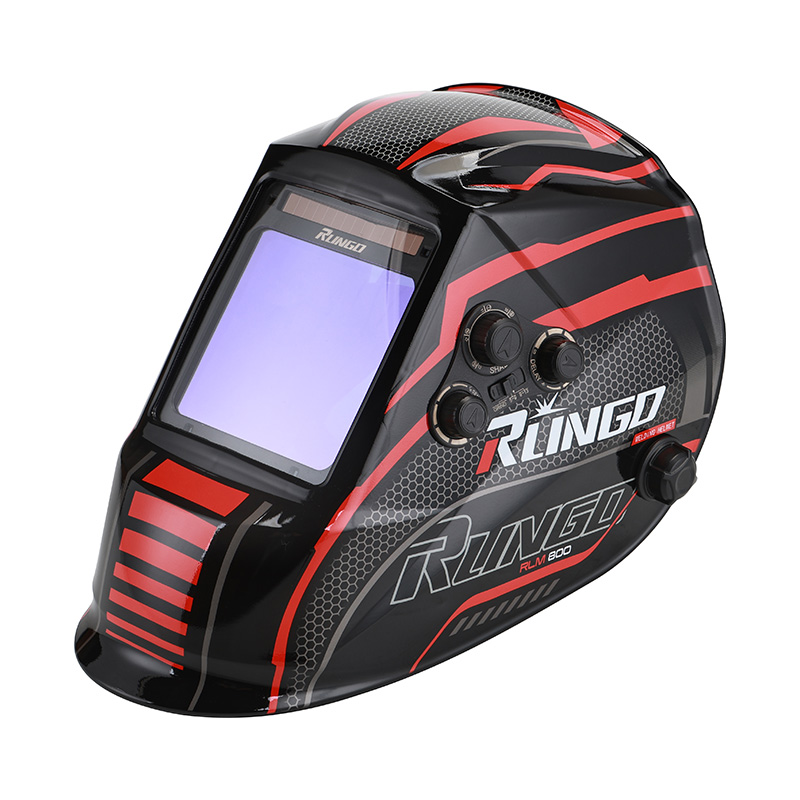
Model: RLM 800
Model: RLM 900
Model: RLM 1200

Building 7, Zeguo Electromechanical Pioneer Park, No.1 Park Road, Zeguo Town, Wenling,Taizhou City, Zhejiang Province, China
Tel: +86-0576-86442210
FAX: +86-0576-86442210
Phone: +86-15669702909
Copyright © Taizhou Ruiling Optoelectronics Technology Co., Ltd.
Auto Darkening Welding Helmet Factory