
 English
 中文简体
中文简体 русский
 Español
 Inquiry
Industry News
Home / News / Industry News / What Features Should You Look for in a Full Face Auto Darkening Welding Helmet
2026-07-10
Full face auto darkening welding helmet is used in many welding environments where protection and visibility need to work together without interruption. On paper, most helmets look similar. In real work situations, small differences in design and response often decide whether the user feels comfortable or constantly distracted.
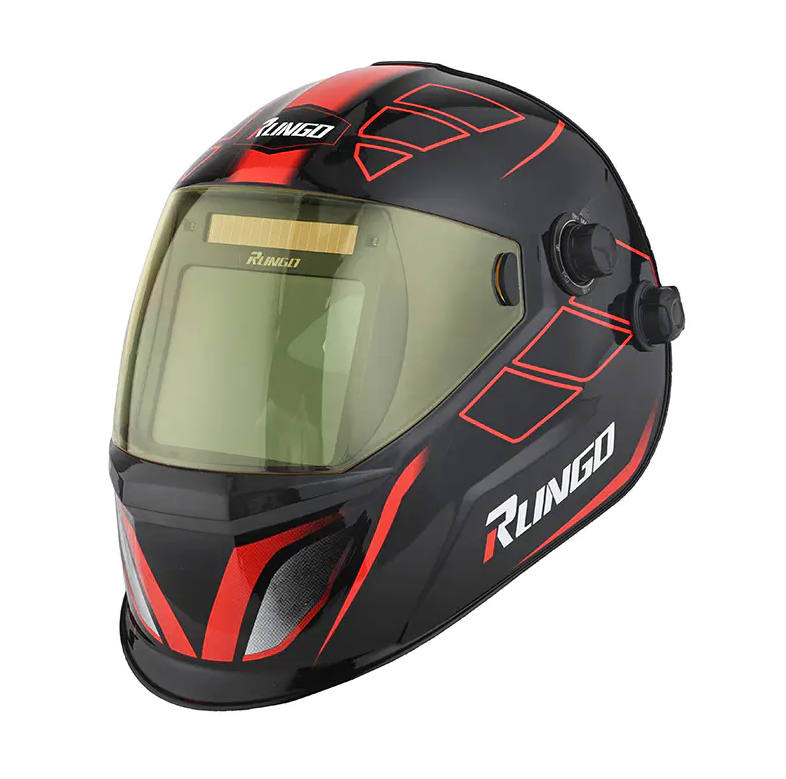
A helmet is not just a shield. It becomes part of the workflow. Once welding starts, the user relies on it for visibility, timing, and protection. That is why the details matter more than people usually expect.
When people talk about welding helmets, clarity is usually the first thing mentioned, but it is not just about "seeing clearly." It is about how stable the view feels during different stages of work.
A good full face helmet keeps the scene readable even when light conditions shift quickly. The transition should not feel abrupt or confusing. Some helmets feel smooth when idle but become slightly unstable once the arc starts repeatedly. That small inconsistency can affect concentration over time.
True color viewing is often preferred because it avoids the heavy dark tone that older systems used to create. The working area feels closer to natural light, which helps the user judge position and movement more easily.
Auto darkening is often described in simple terms, but in actual use, response behavior is more noticeable than specifications.
When welding begins, the lens should adjust without drawing attention. If the reaction feels delayed, even by a small amount, the moment becomes uncomfortable. It is not about numbers. It is about whether the transition feels seamless.
In daily use, good response behavior feels like this:
Once users experience unstable response, it becomes hard to ignore, even if other parts of the helmet are fine.
Full face design is not only about extending protection on paper. It changes how the user moves and works.
Compared with partial coverage, full face helmets reduce exposure from multiple directions. Sparks and heat rarely come from a single angle in real environments. Movement is also not always predictable.
With full face coverage, users usually feel:
It allows attention to stay on welding instead of constantly adjusting position for safety.
At the beginning, comfort is often not a priority. But after continuous use, even small discomfort becomes noticeable.
A helmet that feels fine for a few minutes may feel heavy after longer sessions. The issue is not always weight alone. Balance and pressure distribution matter just as much.
Some helmets press slightly on certain points of the head or shift during movement. Over time, this creates fatigue without the user realizing the cause immediately.
A more comfortable design usually feels simple:
Comfort does not improve welding quality directly, but it reduces unnecessary physical strain.
The lens is the core of the helmet, but its performance is not only about clarity. It is about consistency over time.
In real environments, lenses face dust, heat, and repeated light exposure. A stable lens keeps its behavior predictable. An unstable one may still work but feels slightly different from one moment to another.
That difference may be subtle:
These details may not stop work, but they slowly affect user confidence.
Safety in China Auto Darkening Welding Helmet is not only about blocking sparks or light. It also includes how reliably the helmet reacts during unexpected moments.
A good helmet should behave in a predictable way. When conditions change suddenly, the response should not feel uncertain.
Key expectations usually include:
In practice, users trust helmets that behave the same way every time, more than ones that only perform well under ideal conditions.
Different users wear helmets differently. Even the same person may change posture depending on the task. That is why adjustability plays a quiet but important role.
A helmet that can be tuned slightly feels more natural over time. It does not force one fixed position.
Common adjustments influence:
These small changes help match different working habits without replacing equipment.
Durability is not always visible at the beginning. Most helmets look fine when new. The difference appears after repeated exposure to heat, movement, and handling.
Some helmets slowly loosen or change behavior after long use. Others remain stable even after the same conditions.
Durability is often reflected in:
In real work environments, durability is less about resistance to extreme events and more about resisting daily repetition.
| Feature area | What users actually feel | Practical impact |
|---|---|---|
| Viewing clarity | Stable and natural vision | Less visual fatigue |
| Response behavior | Smooth transition | Better timing control |
| Full face coverage | Broader protection | More focus on work |
| Comfort fit | Stable head support | Reduced fatigue |
| Lens consistency | Predictable behavior | Higher confidence |
| Adjustability | Flexible fit | Better personal adaptation |
| Durability | Long-term stability | Lower replacement need |
The same helmet can feel different depending on where it is used. A clean workshop and a dusty construction site create very different demands.
In more demanding environments, small weaknesses become more noticeable. Dust accumulation, heat exposure, and frequent movement all test stability in different ways.
That is why feature selection is often less about specification and more about matching real conditions.
Even advanced helmets need basic care. Most performance changes do not happen suddenly. They build up slowly.
Simple habits help keep performance stable:
Nothing complicated is required. Just consistency.
What is the most important feature in a full face welding helmet?
Stable viewing and predictable response behavior usually matter most in daily use.
Does full face design improve comfort?
It improves protection coverage, which indirectly reduces distraction during work.
Why does lens consistency matter?
Because small changes in behavior affect how stable the visual experience feels over time.
Is adjustability really necessary?
It helps match different users and working habits without changing equipment.
Does durability only mean strong material?
Not only. It also includes long-term stability of performance and moving parts.

Model: RLM 700
Model: RLM 1000
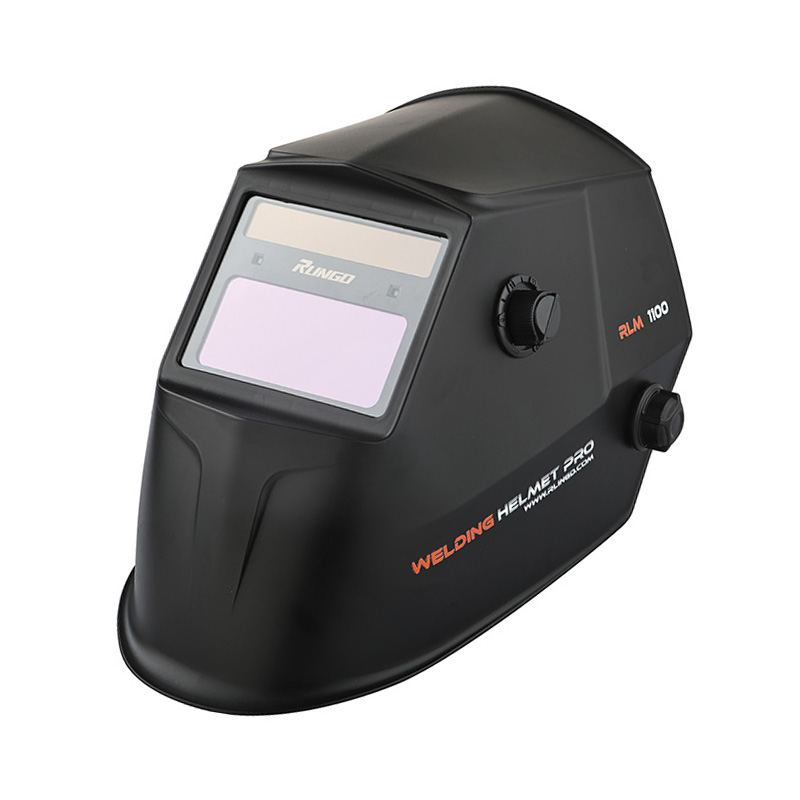
Model: RLM 1100
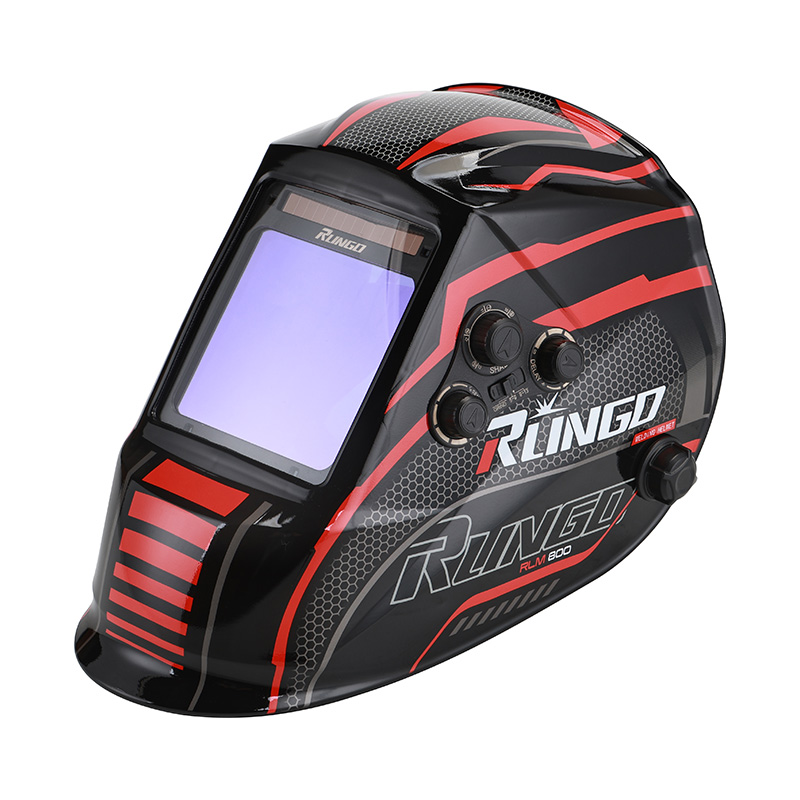
Model: RLM 800
Model: RLM 900
Model: RLM 1200

Building 7, Zeguo Electromechanical Pioneer Park, No.1 Park Road, Zeguo Town, Wenling,Taizhou City, Zhejiang Province, China
Tel: +86-0576-86442210
FAX: +86-0576-86442210
Phone: +86-15669702909
Copyright © Taizhou Ruiling Optoelectronics Technology Co., Ltd.
Auto Darkening Welding Helmet Factory