Evaluating the Basic Protective Capabilities
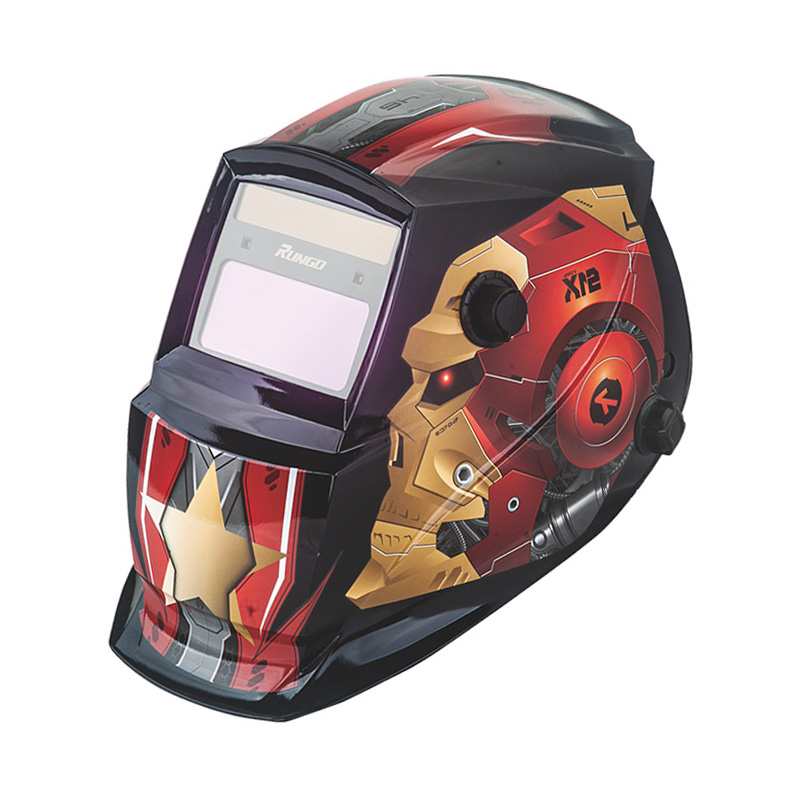
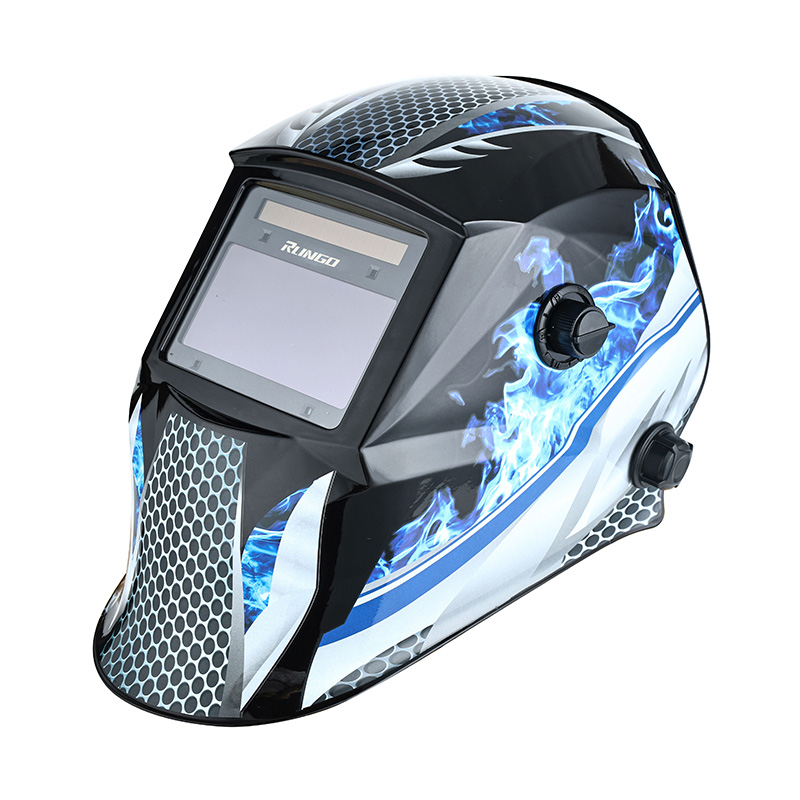
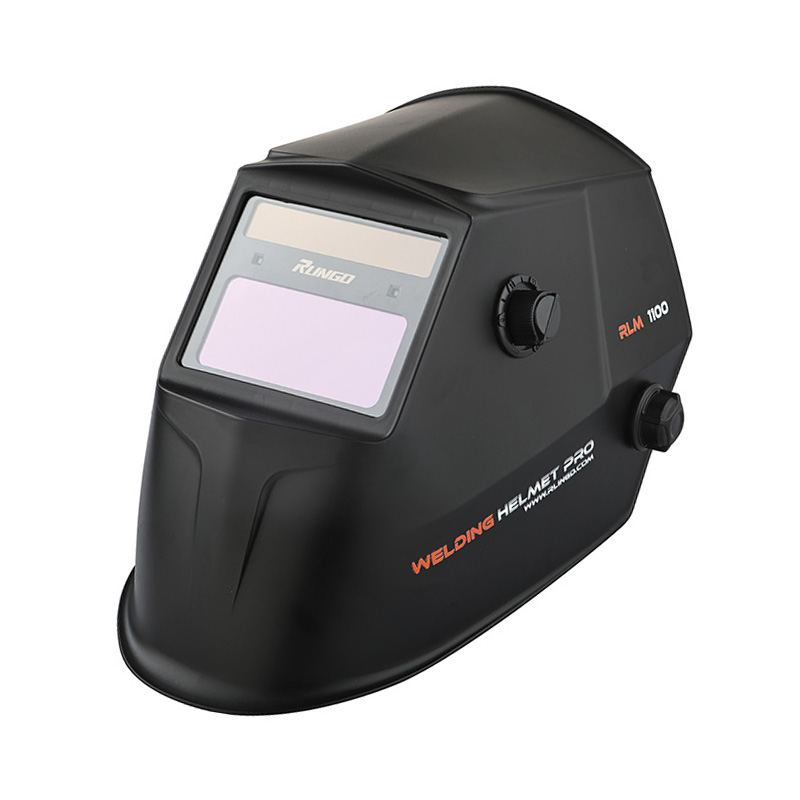
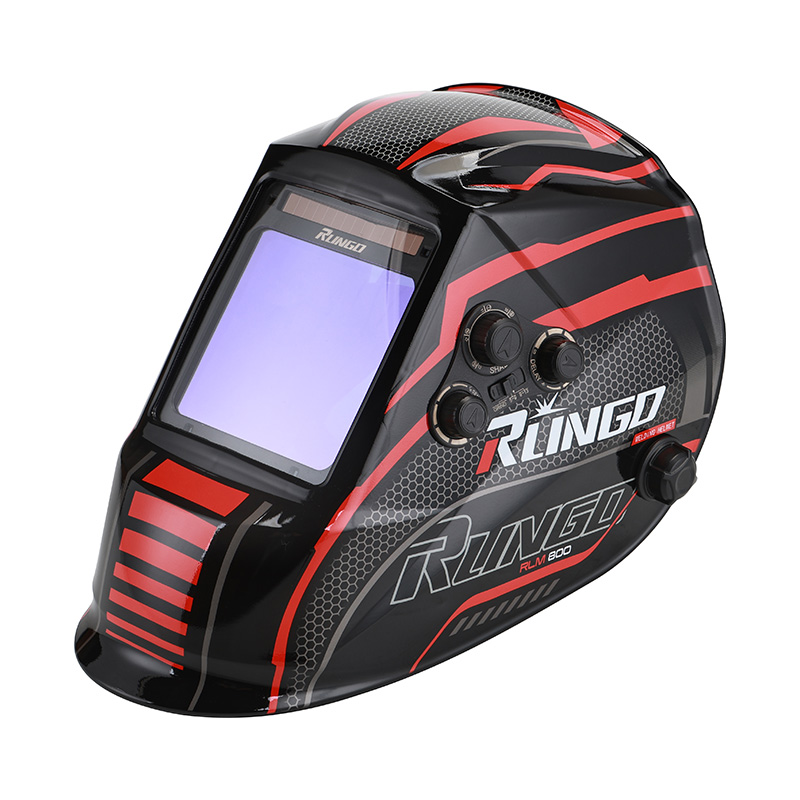
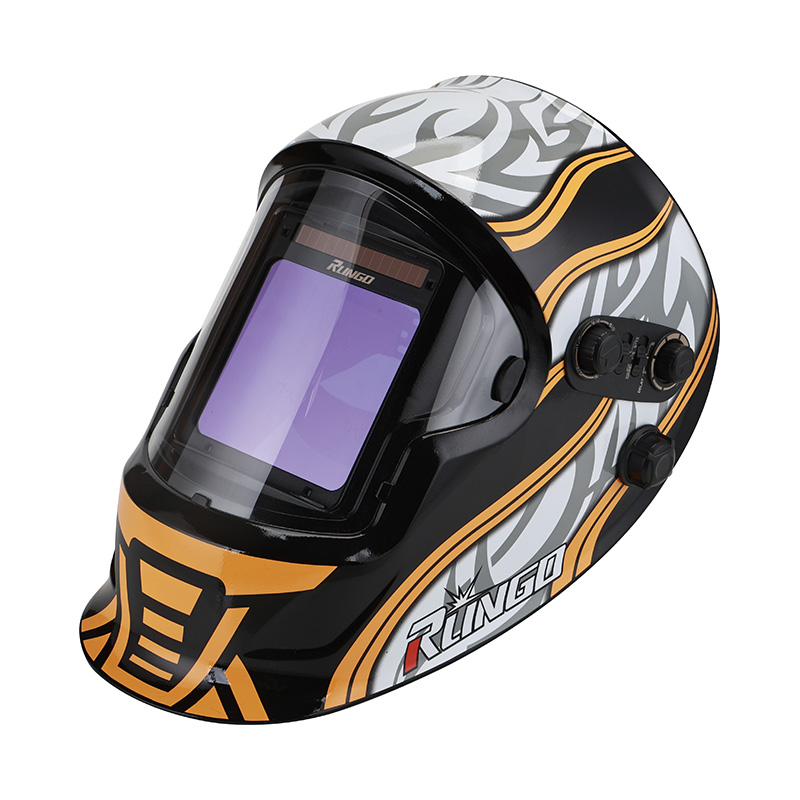
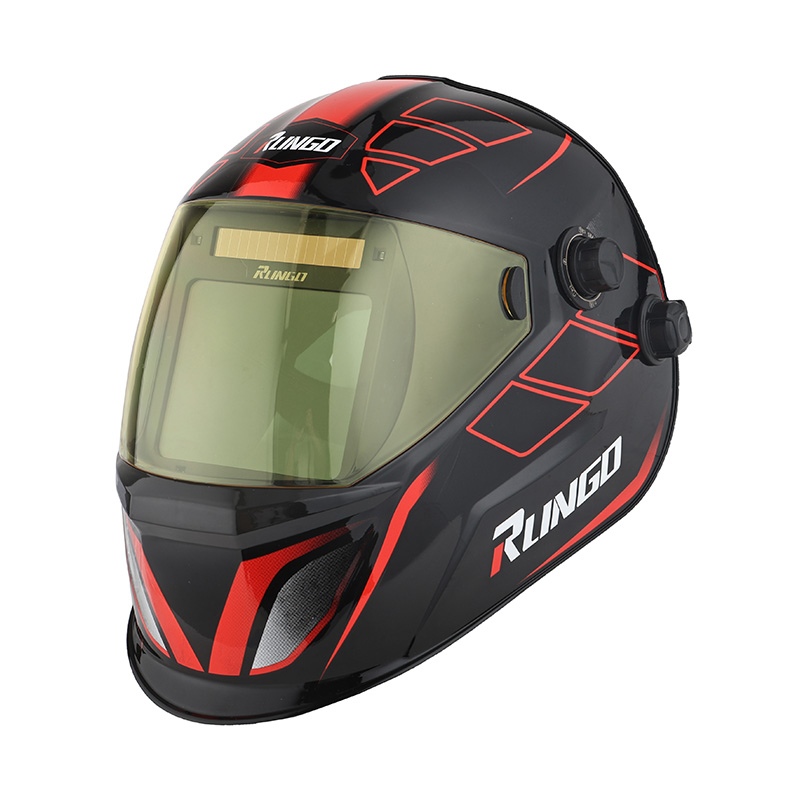
The Auto Adjusting Welding Helmet is widely appreciated for its ability to automatically darken in response to arc light, offering good eye protection during welding operations. Despite this advanced optical protection, users often wonder whether such a helmet can also safeguard them from mechanical hazards such as sparks, molten metal spatter, abrasive dust, and airborne particles. While the outer shell of most welding helmets provides a degree of physical protection, it is important to recognize the limits of this capability. The primary function of a welding helmet is to protect the eyes and face from harmful radiation and bright arc light, not to serve as a full mechanical barrier. Understanding these limitations helps users make informed choices about additional protective equipment.
How the Helmet Responds to Common Welding Hazards
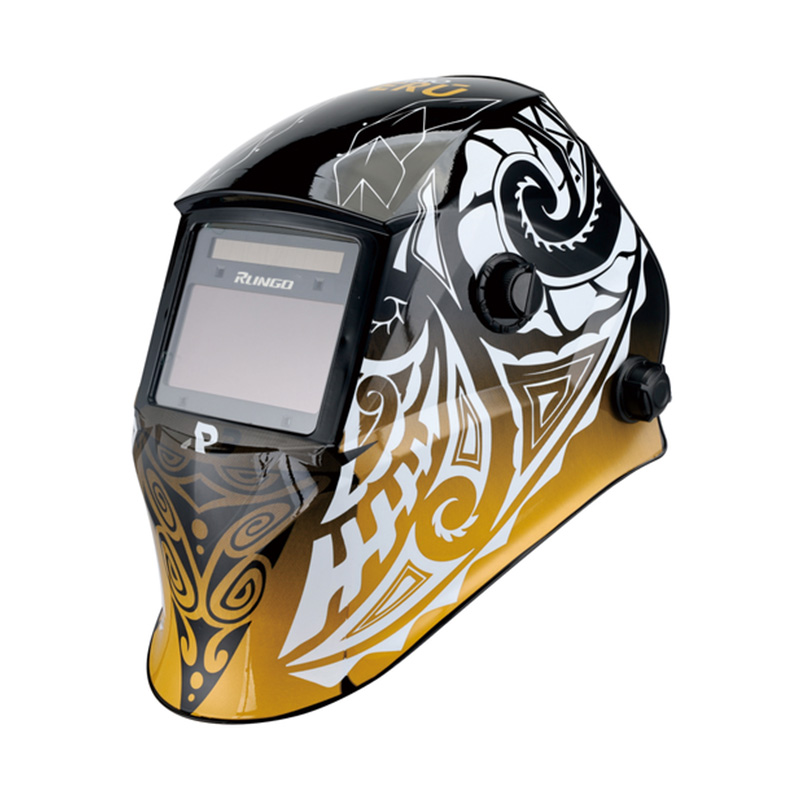
Modern helmets are designed with durable materials such as high-temperature nylon, reinforced polymer composites, or flame-resistant fiberglass. These materials offer resistance to heat and some impact, making them effective against light sparks or small debris. However, molten metal splatter generated during high-amperage welding, grinding activities, or cutting operations can exceed the helmet’s protective limits. While the helmet’s shell may deflect minor splashes, it is not rated to fully withstand sustained exposure to hot metal. Similarly, the auto-darkening lens is engineered for optical clarity and quick light response, not for resisting strong impacts. If struck by larger particles or projectiles, the lens may crack or suffer permanent damage, compromising both safety and performance.
Limitations in Protecting Against Dust and Fine Particles
Dust control is another point to consider. Welding environments often contain metal dust, grinding residue, or chemical fumes, none of which can be effectively blocked by a welding helmet alone. The helmet does not form a sealed enclosure around the face, leaving openings around the neck, sides, and bottom. As a result, fine particles can easily enter the breathing zone. Users relying solely on the helmet may underestimate the risk of inhalation hazards. Welding fumes, like those created when joining stainless steel or galvanized metals, pose significant respiratory risks and require specialized protection. Using only the helmet does not address these airborne contaminants, making additional respiratory equipment essential.
Why Additional Protection Is Necessary
Because the helmet’s mechanical protection is inherently limited, supplemental equipment plays a vital role in ensuring comprehensive safety. A face shield, worn in conjunction with the welding helmet during grinding or cutting, can provide improved impact and splatter resistance. Flame-resistant clothing, gloves, and aprons further protect the torso and hands from sparks and hot debris. For environments with heavy dust or fume exposure, certified respirators or powered air-purifying respirator (PAPR) systems are crucial. Many helmets are designed to be compatible with these respirators, allowing users to integrate respiratory protection without compromising visibility or comfort. Combining different types of protective equipment ensures a layered defense that addresses multiple hazards simultaneously.
Practices for Safe and Effective Use
To improve safety, users should evaluate the specific tasks being performed and choose protective gear accordingly. For light welding with minimal splatter, the helmet alone may be sufficient. However, when engaging in tasks like flux-core welding, aluminum welding, or grinding, additional gear becomes essential. Inspecting the helmet regularly for damage ensures that both the shell and lens remain capable of offering their intended protection. Cleaning off dust, replacing worn lens covers, and storing the helmet properly can extend its service life. Above all, users should remain aware that the helmet is only one component in a broader safety system.
While the Auto Adjusting Welding Helmet provides good optical protection and moderate defense against heat and minor sparks, it is not designed to withstand significant mechanical hazards or block fine airborne particles. For comprehensive safety, welders must combine the helmet with additional protective equipment such as face shields, flame-resistant clothing, and appropriate respiratory protection. By adopting a layered approach to personal protective gear, users can ensure a safer and more controlled working environment across various welding and fabrication tasks.


 English
 中文简体
中文简体 русский
 Español
 Inquiry