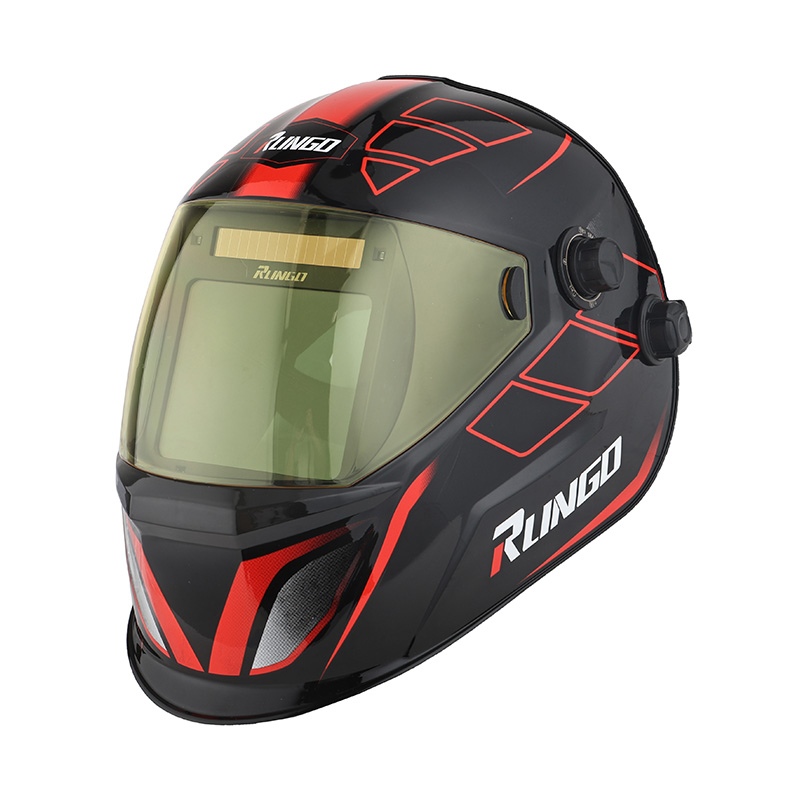
Understanding the Role of Sensitivity Settings
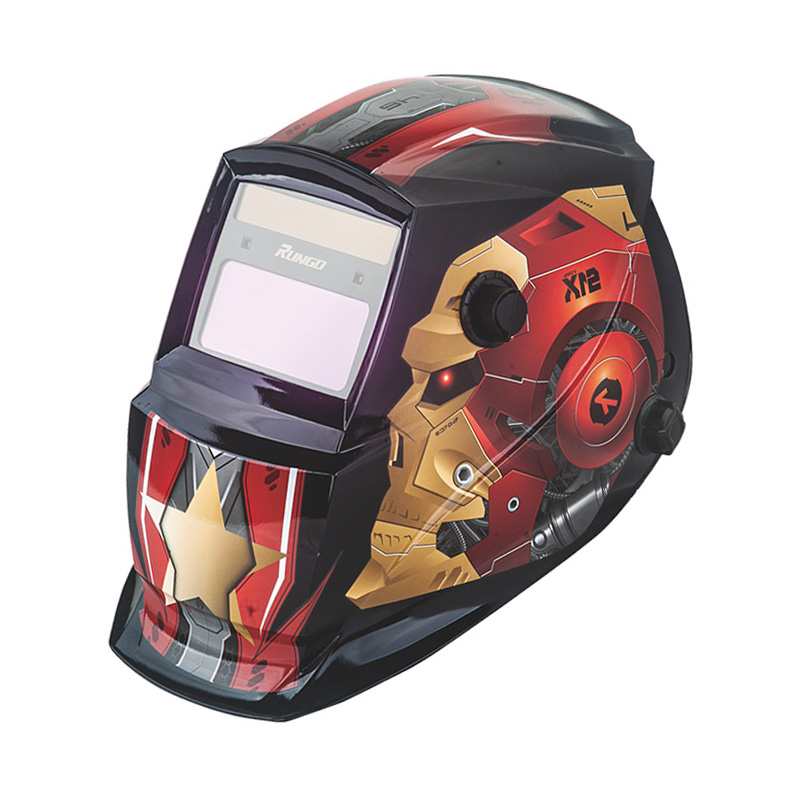
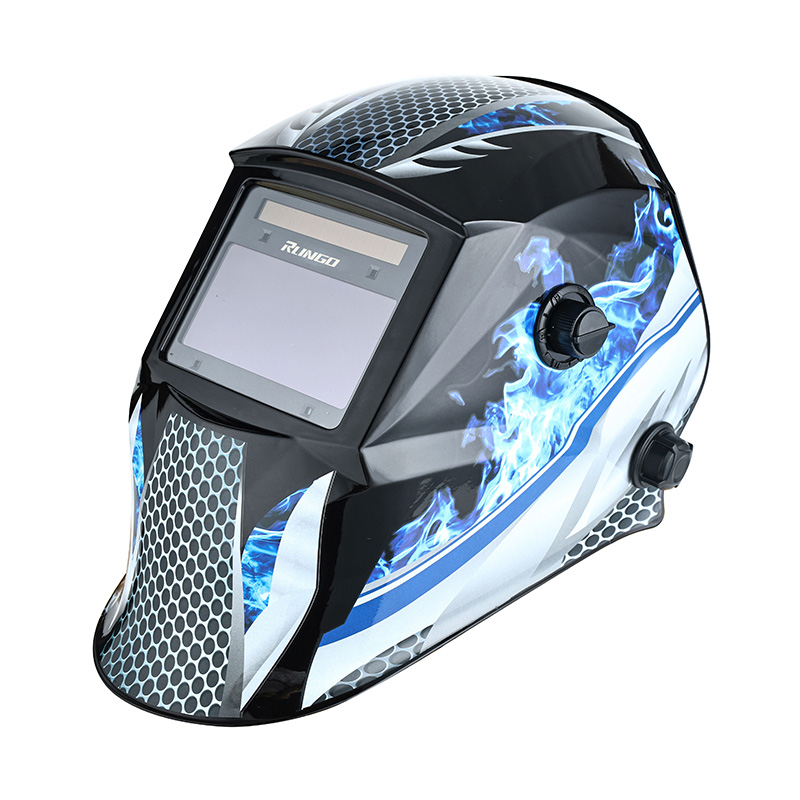
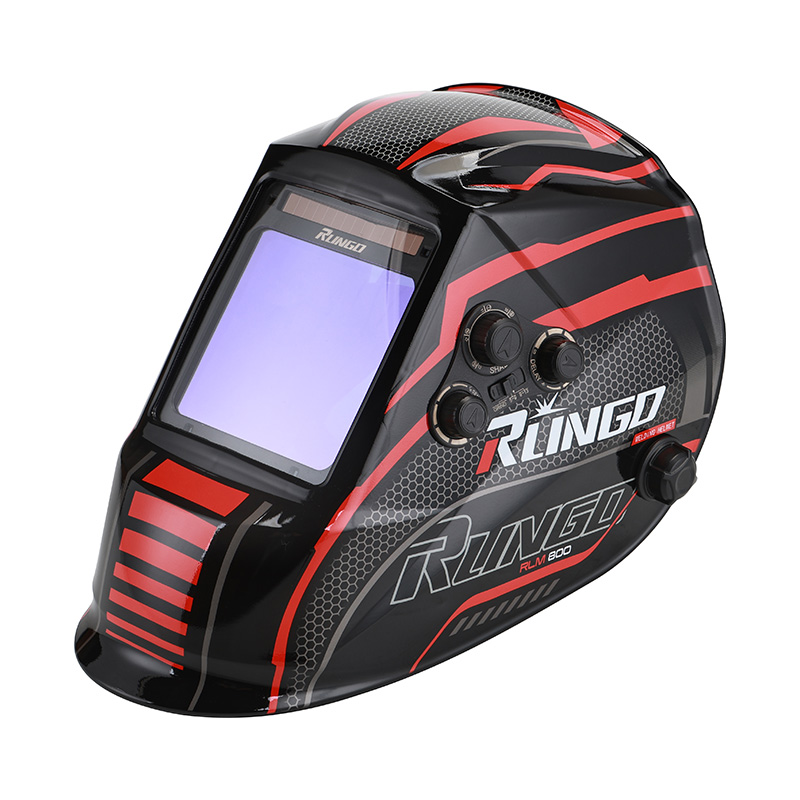
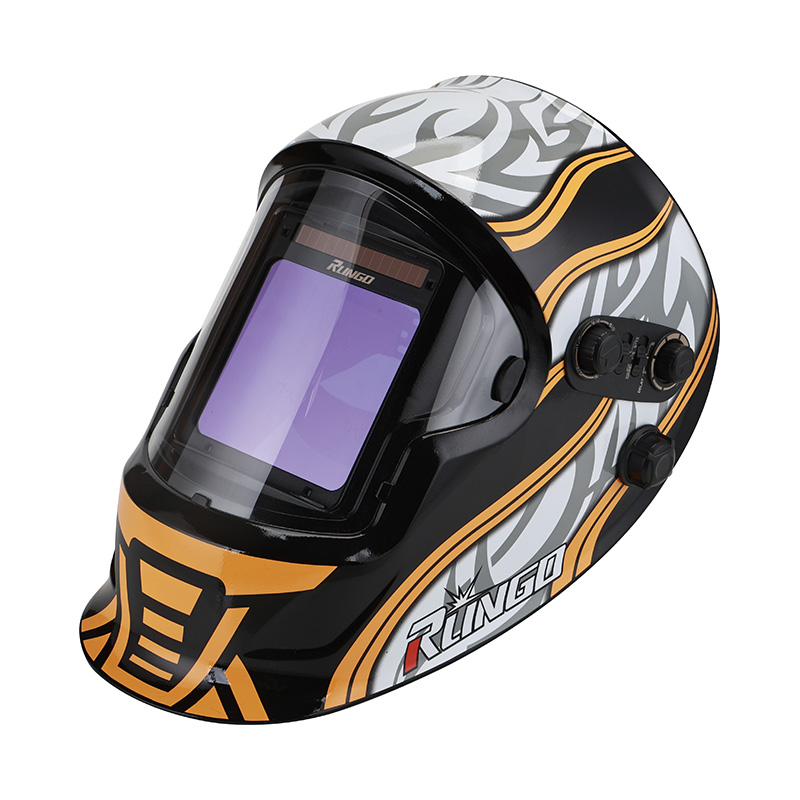
The Auto Lens Welding Helmet is widely used across different welding applications because of its ability to automatically darken when an arc is detected. One of the most crucial features affecting its performance is the sensitivity setting. Sensitivity determines how easily the helmet detects the welding arc and activates the darkening filter. If the sensitivity is set incorrectly, the lens may delay darkening or fail to darken altogether, exposing the welder’s eyes to harmful light. Conversely, overly high sensitivity may cause the lens to trigger unexpectedly from nearby welding activity or bright ambient light. Understanding how this setting works is essential for ensuring eye protection, consistent visibility, and proper functioning of the helmet in various work environments.
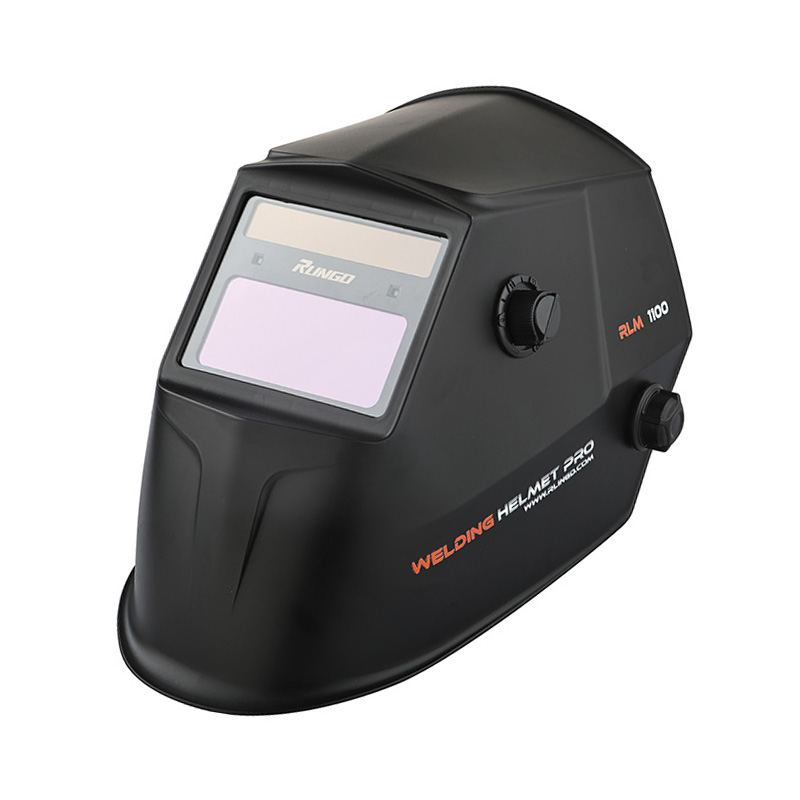
Adjusting Sensitivity for Different Welding Conditions
Sensitivity should always be adjusted based on the type of welding process, amperage level, and workplace lighting conditions. Lower amperage welding, such as TIG or micro-welding, produces a weaker arc. In these cases, higher sensitivity is necessary to ensure the lens triggers reliably. On the other hand, high amperage welding processes like stick welding or heavy MIG do not require sensitivity because the arc is already bright and easily detected. Lighting conditions also play an important role. In a brightly lit workshop, the helmet may need slightly lower sensitivity to prevent false triggering, whereas dim environments may require higher sensitivity so the faint arc is detected quickly. Making small incremental adjustments ensures the welder can find the suitable setting without sudden changes that compromise safety.
Recognizing Signs of Incorrect Sensitivity Settings
Welders can often identify an incorrect sensitivity setting through common symptoms. If the lens flashes or allows brief bursts of bright light when starting a weld, the sensitivity is likely too low. This can cause eye fatigue, discomfort, and long-term vision risk. If the lens darkens randomly when no welding activity is occurring, the sensitivity is likely too high. Such false triggers can interrupt workflow and make it difficult to see the workpiece. In some cases, environmental reflections, fluorescent lights, or nearby welding stations can interfere with the sensor when sensitivity is set improperly. Recognizing these signs early allows the welder to make corrections before they affect safety or productivity.
Techniques for Finding the Ideal Sensitivity Level
A practical approach is to begin with a medium sensitivity setting and adjust gradually. Welders can perform a simple arc test by striking a short arc and observing the response. If darkening is delayed, increase sensitivity. If the helmet darkens before the arc is struck or reacts to surrounding movement, decrease sensitivity. Some helmets offer test modes that simulate an arc for calibration, making adjustments safer and more precise. It is also helpful to evaluate sensitivity while wearing the helmet in actual working posture, since sensor angles and reflections may differ when the helmet is lifted versus lowered. Consistency and patience are key to achieving an ideal balance.
Environmental Factors That Influence Sensitivity
Wind, dust, sunlight, and reflective surfaces can interfere with sensor performance. Outdoors, bright sunlight may cause false triggers if sensitivity is too high. Indoors, shiny metal surfaces may reflect the arc, confusing the sensor. Welders should consider repositioning themselves or adjusting the helmet angle in addition to changing the sensitivity. In workshops with multiple welders, cross-triggering is common, and lowering sensitivity slightly or adjusting sensor shade delay can help reduce disruptions without compromising safety.
Proper adjustment of the sensitivity setting in an Auto Lens Welding Helmet is essential for ensuring reliable arc detection, reducing false triggers, and protecting the welder’s eyes. By understanding how sensitivity interacts with welding conditions, recognizing signs of incorrect settings, and making deliberate adjustments, welders can achieve a safe and efficient welding experience. Mastering sensitivity control not only improves visibility and comfort but also enhances overall welding performance across various working environments.


 English
 中文简体
中文简体 русский
 Español
 Inquiry