Understanding the Trigger Sensitivity Challenge
The Auto Flash Welding Helmet is designed to protect welders by automatically darkening when an arc is detected. However, during low-current welding operations, the arc can be weaker, less intense, and more difficult for the sensors to identify. This situation may cause delayed darkening or, in some cases, a complete failure to activate the darkening filter. Such issues can expose the welder’s eyes to flashes of bright light or ultraviolet radiation, which can be harmful even when the arc appears small. Understanding the reasons behind this sensitivity challenge helps users take effective steps to ensure the helmet performs reliably in low-amperage conditions.
Why Low-Current Arcs Are Difficult to Detect
Low-current welding—commonly seen in TIG welding, thin-sheet welding, or precision repair work—produces an arc that is narrower and less intense than in high-amperage operations. Auto-darkening sensors depend on the brightness and intensity of the arc to trigger the lens. When the output current is low, the arc may fall below the sensor’s detection threshold. Additionally, ambient lighting around the welding area can interfere with sensor performance. Bright workshop lights or strong daylight can reduce the contrast between the surrounding environment and the welding arc, making it harder for the helmet’s sensors to distinguish the trigger signal.
Role of Sensitivity Settings in Trigger Performance
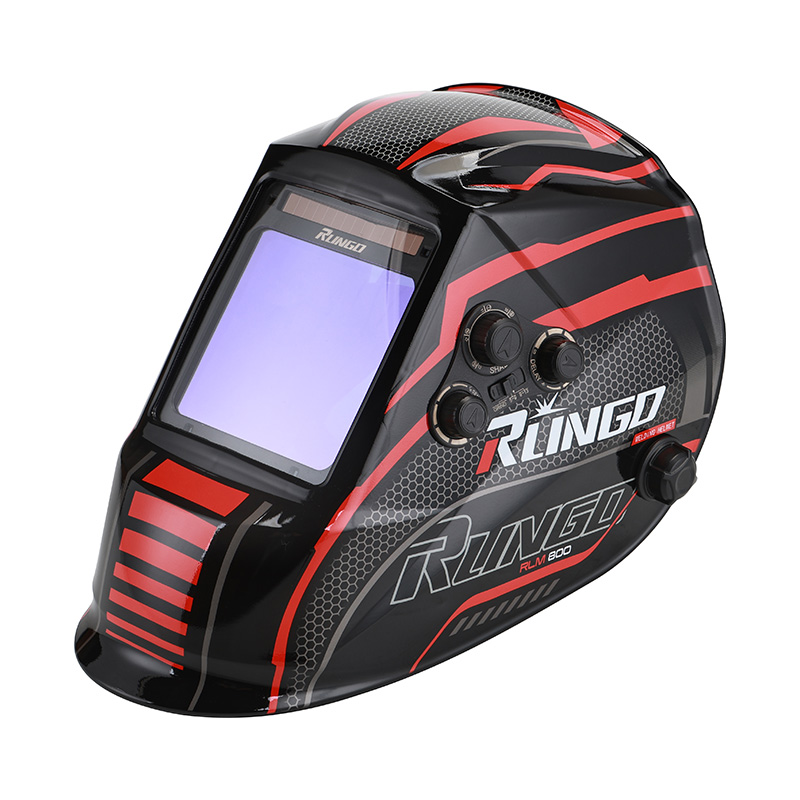
Most modern helmets include adjustable sensitivity controls that determine how easily the lens reacts to light changes. When welding at low amperage, the sensitivity should be set to a higher level, allowing the sensors to respond to even minimal arc intensity. If the sensitivity is set too low, the helmet may only darken during brighter arcs, causing delayed activation or inconsistent performance. By fine-tuning the sensitivity to match the welding conditions, the helmet becomes more dependable during delicate or precision tasks. This ensures that welders receive consistent protection even when working with thin materials requiring lower currents.
Impact of Sensor Quality and Quantity
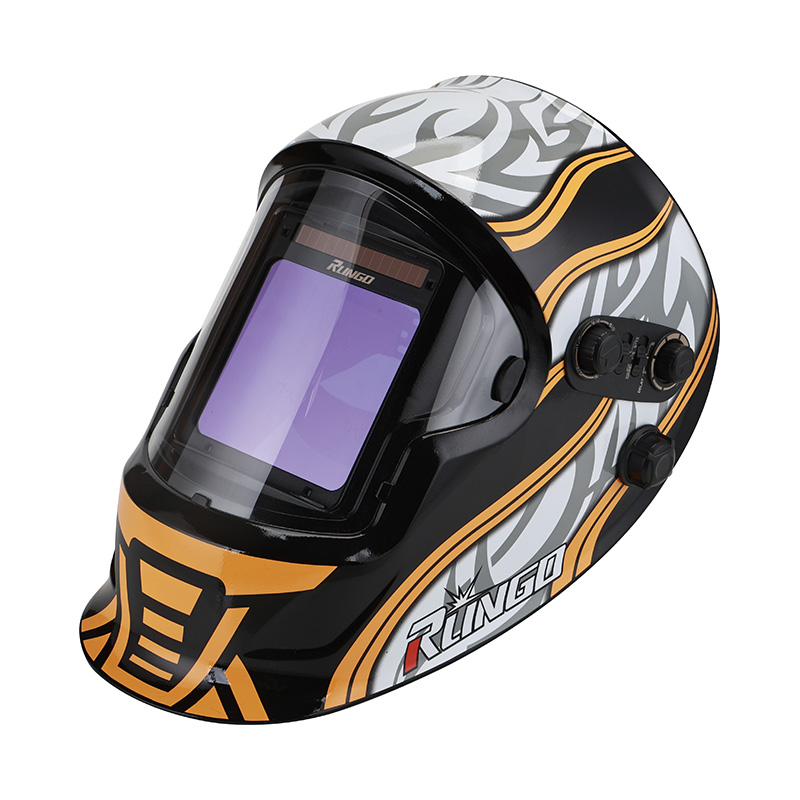
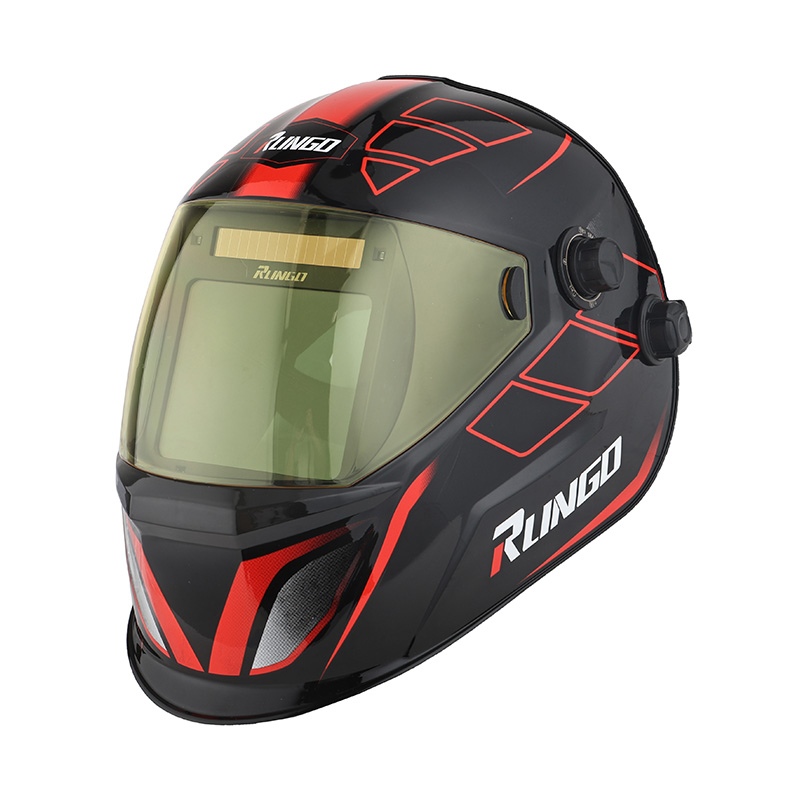
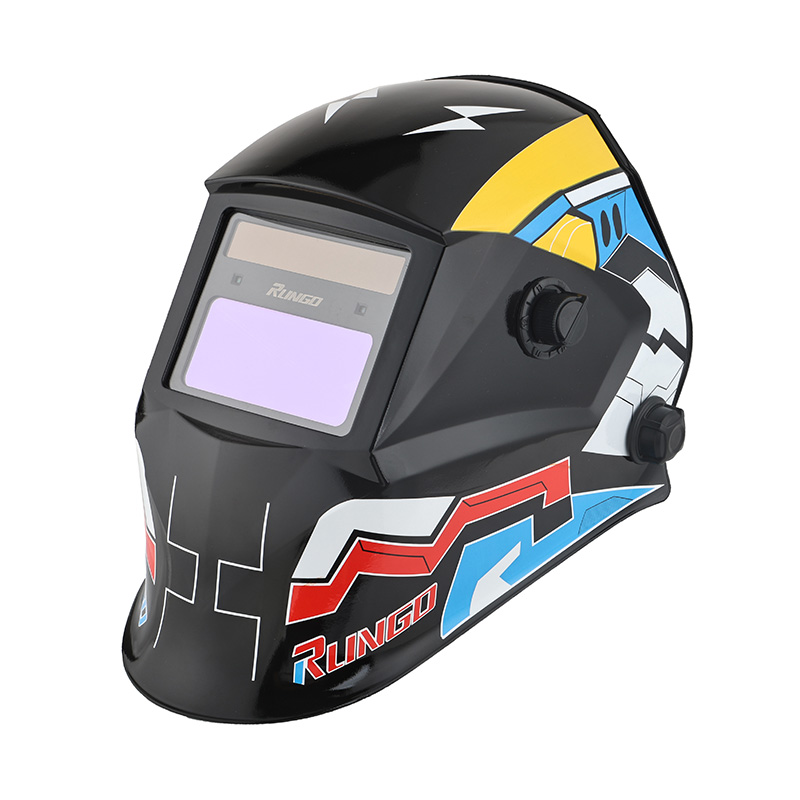
The number and quality of arc sensors significantly influence performance during low-current welding. Helmets with only two sensors may struggle to detect slower, weaker arcs, especially if part of the sensor area becomes obstructed by the welder’s position or protective gear. Helmets equipped with four sensors provide broader coverage, ensuring that at least one sensor remains exposed to the arc even when the welder is positioned at an angle. In addition, higher-grade sensors react more quickly and are more sensitive to small changes in light intensity. Choosing a helmet with advanced sensor technology greatly reduces the risk of non-activation during low-current work.
How Workplace and Welding Conditions Affect Triggering
Environmental lighting plays a crucial role in auto-darkening performance. Welding outdoors under sunlight or in brightly lit workshops can reduce sensor responsiveness. Positioning the workpiece so that the sensors face the arc directly helps improve detection. The cleanness of the helmet also matters: dirt, spatter, or scratches on the sensor window may block or diffuse light, preventing the arc from triggering the lens. Regular cleaning of the sensor area ensures unobstructed visibility and reliable performance. Additionally, using appropriate shade levels prevents the arc from appearing too faint to the sensors while maintaining comfort for the welder.
Practical Steps to Ensure Reliable Darkening
To avoid non-triggering during low-current welding, welders should adjust sensitivity settings to a higher level, choose a helmet with multiple sensors, and keep the sensor window clean. Testing the helmet before beginning work—such as striking a test arc—helps verify that the lens responds correctly. Maintaining proper head and work angles ensures the sensors remain in direct view of the arc. By taking these steps, welders can reduce the risk of flash exposure and work more confidently, even during low-amperage or precision welding tasks.


 English
 中文简体
中文简体 русский
 Español
 Inquiry