Understanding the Role of Viewing Size
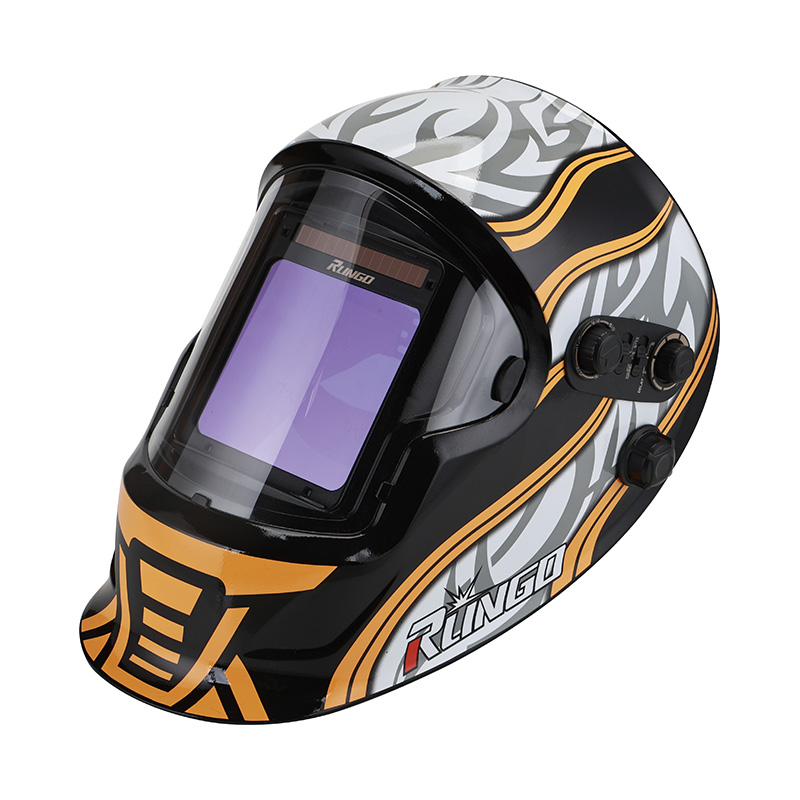
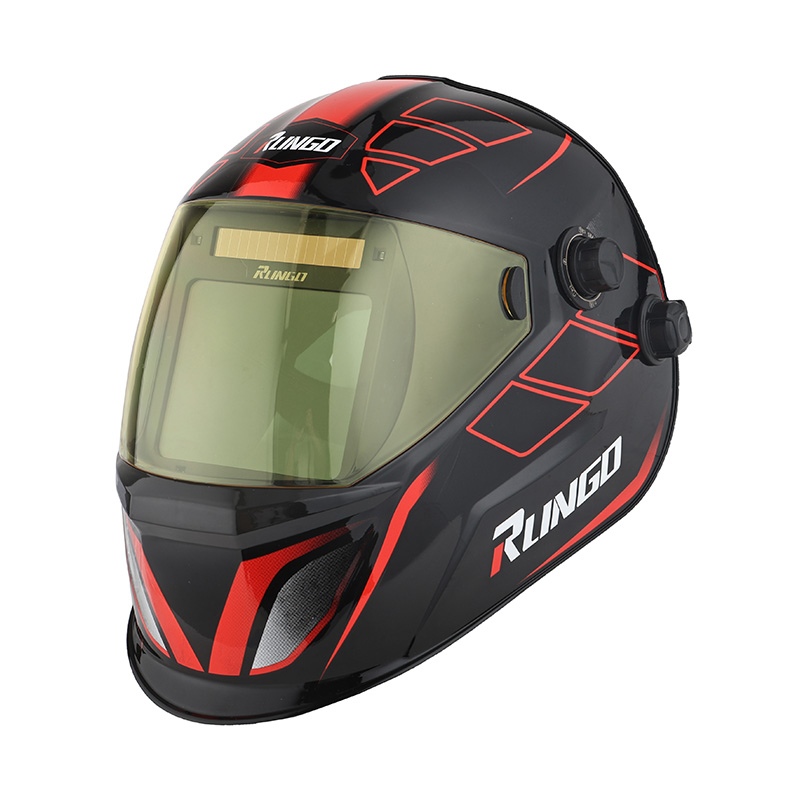
The viewing window on an Auto Darkening Filter Welding Helmet plays a critical role in determining overall welding performance, user comfort, and work accuracy. While darkening speed, optical clarity, and shade range are important, the size of the viewing area directly affects what the welder can see at any given moment. A larger or smaller window can significantly change how efficiently a welder completes tasks, especially in dynamic working environments where mobility and visibility are essential. Understanding the advantages and limitations of both window types helps welders choose the suitable helmet for their applications.
How Viewing Size Affects Welding Efficiency
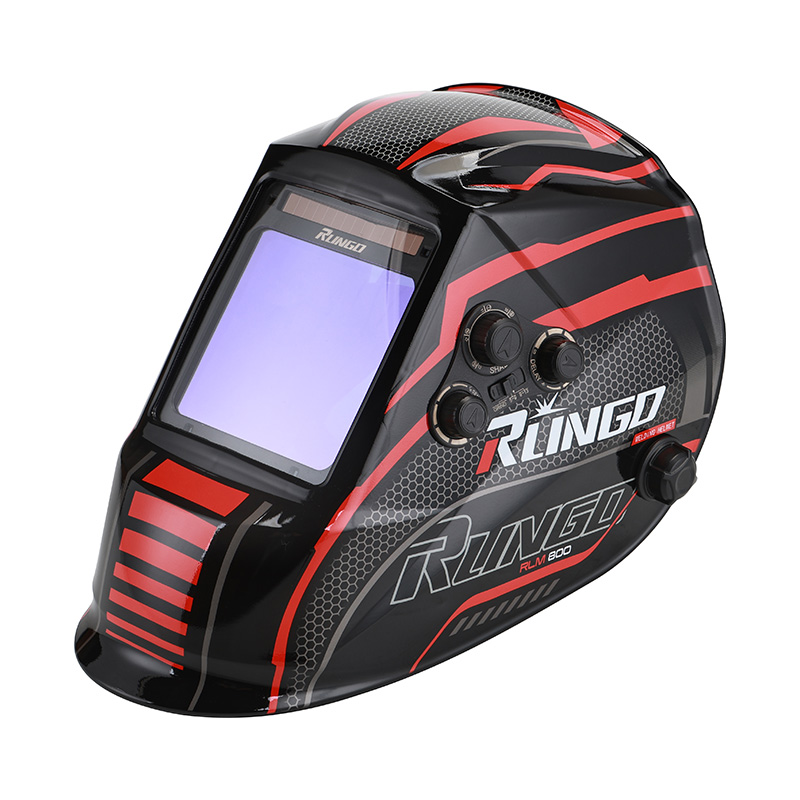
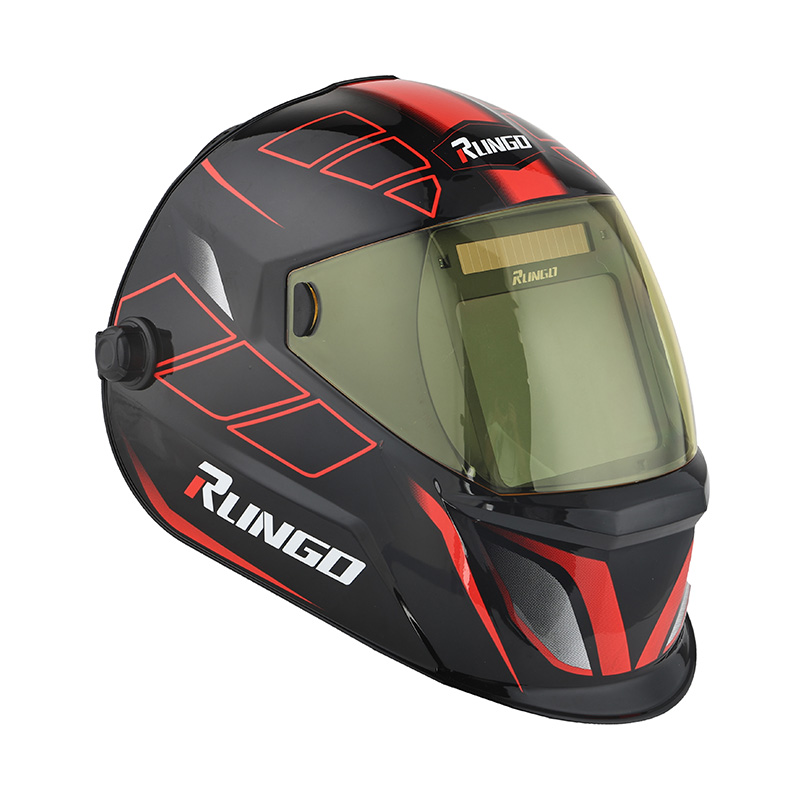
Welding efficiency is closely linked to the welder’s ability to perceive the work area clearly. A larger viewing window provides a broader field of view, reducing the need to constantly reposition the head or torso. Welders can observe the arc, joint, and surrounding material simultaneously, allowing for smoother hand movements and improved tracking of the weld path. This is particularly beneficial in processes such as MIG or flux-core welding, where continuous bead placement is important. Conversely, a smaller viewing area narrows the visible workspace, potentially slowing workflow if the welder needs to adjust their position more frequently to maintain visual clarity.
Advantages of Large Viewing Windows
Large-view helmets offer several practical benefits for professional and heavy-duty welding environments. The increased visibility reduces eye strain because welders do not have to focus through a confined opening. It also enhances situational awareness, allowing them to monitor peripheral elements such as sparks, equipment edges, or nearby workers. This can contribute to improved safety, especially when welding in crowded or multi-operator areas. The wide field of vision also supports tasks requiring precision and control, such as TIG welding on thin materials. Many welders find that large windows help maintain consistent weld quality while decreasing physical fatigue during long work sessions.
Limitations of Large Viewing Windows
Despite their benefits, large windows may add weight to the helmet, which can affect comfort over extended periods. More lens material and a larger auto-darkening filter structure often result in extra mass that must be supported by the headgear. Additionally, larger windows can consume more battery power and may be more expensive to replace if damaged. In tight spaces, such as pipe welding or confined industrial installations, the additional bulk of a large-view helmet can sometimes hinder movement or make positioning more difficult. These factors mean that a large window is not universally ideal for all welders.
Advantages of Small Viewing Windows
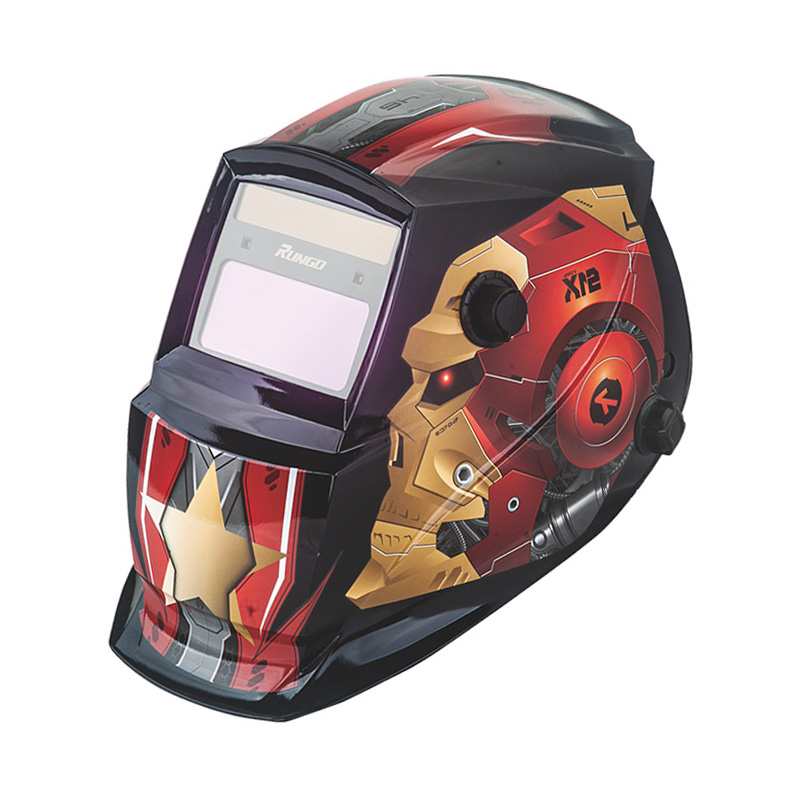
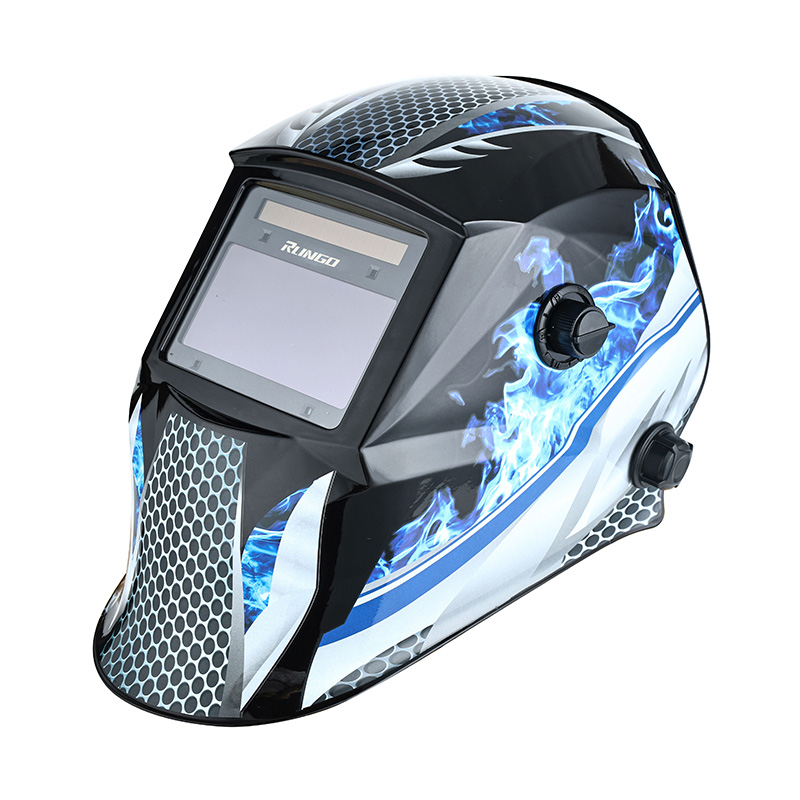
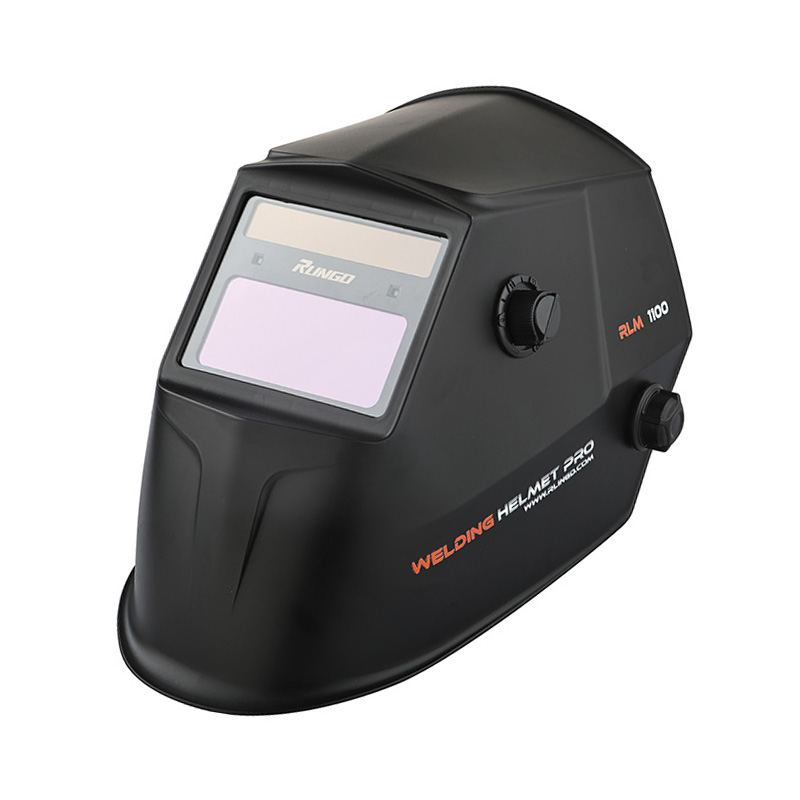
Smaller viewing windows offer compactness and lighter weight, which many welders appreciate for long-duration work or overhead welding. A lighter helmet reduces neck strain and makes head movement easier. The smaller filter area may also respond more consistently in low-amperage conditions, as it is easier for sensors to detect arc brightness across a confined optical zone. For welders working in restricted spaces, a small-window helmet offers better maneuverability and less risk of bumping into surrounding equipment. Additionally, replacement lenses for smaller windows are generally more affordable.
Limitations of Small Viewing Windows
The narrow field of view can make it challenging to see the full weld area or maintain alignment when following long seams. Welders may need to reposition frequently to keep the arc centered in their line of sight, which can slow down productivity. Limited peripheral vision may reduce awareness of surrounding hazards, requiring welders to be more deliberate in monitoring their environment. For beginners, a small window may feel restrictive and make it harder to learn proper torch positioning or movement.
Choosing the Right Viewing Window for Your Needs
Selecting between a large or small viewing window depends on welding style, work environment, and personal comfort preferences. Professionals performing long, continuous welds may benefit from a wider view, while welders in confined or overhead settings may prefer a compact helmet. Considering factors such as helmet weight, lens replacement cost, and ergonomic needs ensures a more informed decision.


 English
 中文简体
中文简体 русский
 Español
 Inquiry