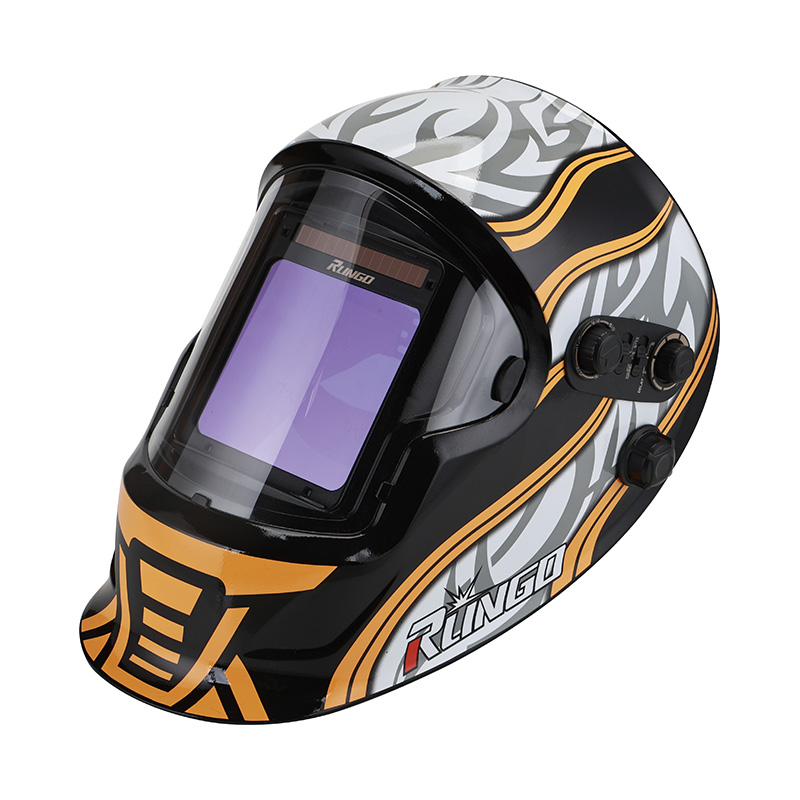
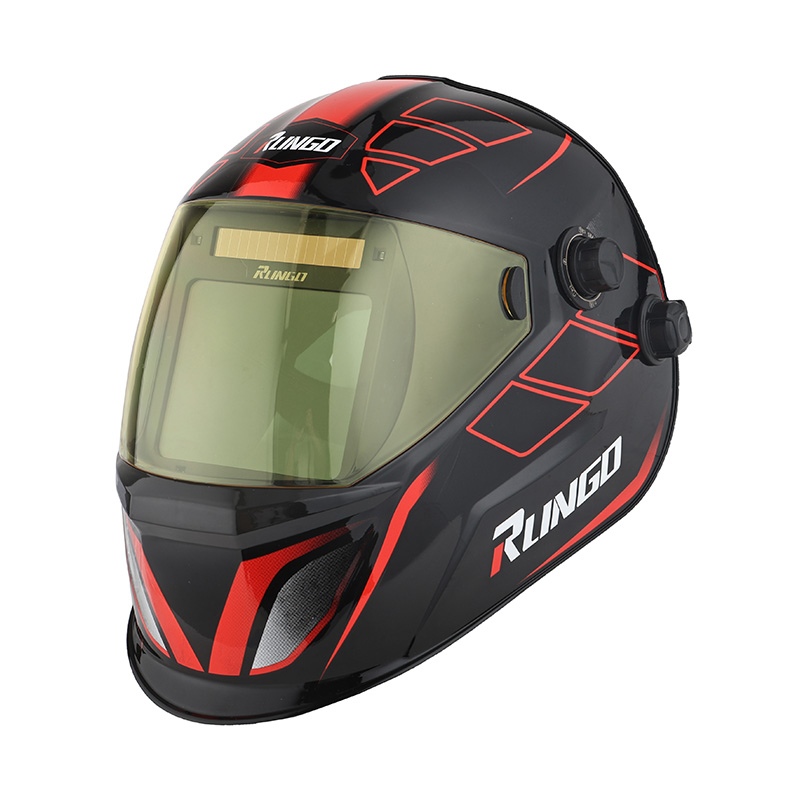
The Auto Dimming Helmet Visor is a critical component for welders, protecting from intense light while allowing clear visibility during non-welding periods. One of the important performance metrics of these visors is their reaction speed when exposed to varying welding light intensities.
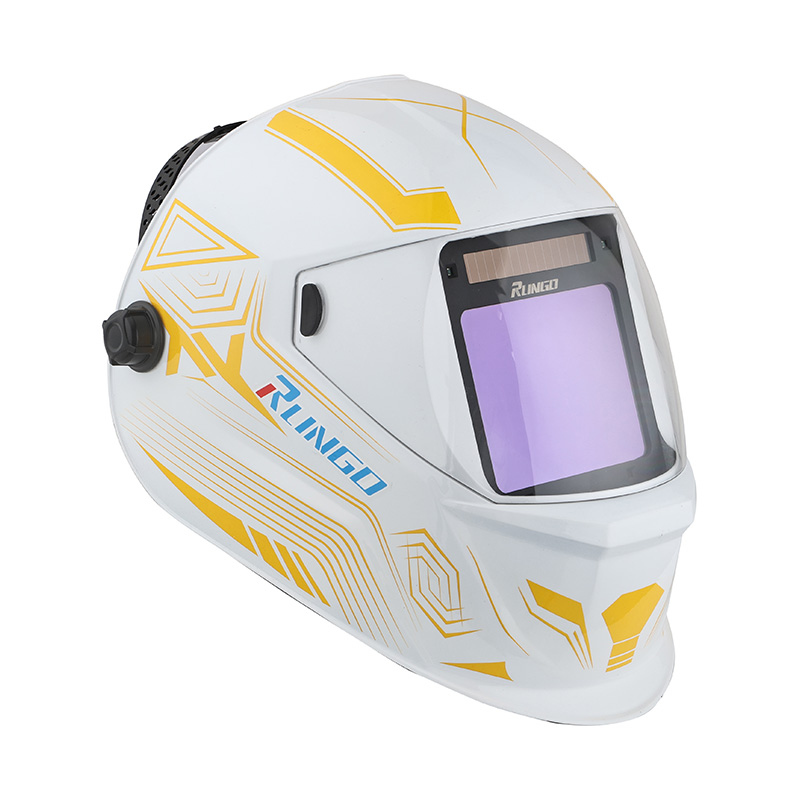
1. How Auto Dimming Works
- Light Sensors: Auto-dimming visors contain photoelectric sensors that detect the brightness of the welding arc.
- Liquid Crystal Display (LCD): Once light intensity reaches a threshold, the visor’s LCD rapidly darkens to the pre-set shade level.
- Millisecond Response: High-quality visors switch from light to dark in milliseconds, protecting the eyes from harmful ultraviolet and infrared radiation.
2. Factors Affecting Reaction Speed
- Welding Intensity: High-intensity arcs require faster visor response to prevent eye strain or flash burns.
- Ambient Light Conditions: Bright surroundings may cause sensors to adjust sensitivity, affecting the response time.
- Sensor Placement: Sensors positioned correctly on the visor ensure suitable detection and reaction speed.
3. Performance at Low Welding Intensities
- Gradual Darkening: At lower welding light levels, the visor may darken more slowly to prevent unnecessary dimming.
- Reduced Eye Fatigue: A slightly slower response at low intensities is often desirable to maintain visibility while providing protection.
- Consistency Across Operations: High-quality visors maintain stable protection even at moderate arc levels.
4. Performance at High Welding Intensities
- Rapid Activation: When exposed to bright arcs, the visor must respond almost instantly to avoid eye damage.
- Safety Margin: Reaction speeds below 1/25,000 of a second are common in top-tier visors, ensuring the welder’s eyes are never exposed.
- Avoiding Flicker: Fast response prevents flickering, which can cause disorientation or temporary vision impairment.
5. Maintaining Suitable Response Speed
- Regular Sensor Cleaning: Dust or debris on sensors can delay activation. Regular cleaning ensures consistent performance.
- Battery Condition: For battery-powered visors, low power can slow the response speed. Ensuring proper battery charge is critical.
- Calibration Checks: Periodic calibration ensures that the visor responds accurately to varying light intensities.
6. Testing Reaction Speed
- Simulated Welding Tests: Manufacturers often simulate different arc intensities to measure response times.
- Field Verification: Welders can perform practical tests by striking arcs under different conditions and observing visor behavior.
- Response Time Standards: ISO and ANSI standards define acceptable reaction speeds to ensure eye protection.
7. Advanced Features Enhancing Speed
- Multiple Sensors: Visors with multiple sensors can detect light from different angles, reducing response delays.
- Adaptive Technology: Some visors adjust reaction speed based on real-time arc intensity for smoother transitions.
- Memory Settings: Advanced visors can recall preferred shade levels and response times for consistent performance across shifts.
8. Long-Term Considerations
- Sensor Wear: Over time, sensors may degrade, slowing reaction speed; replacement or maintenance is necessary.
- Lens Quality: Scratched or damaged LCD layers can affect darkening speed. Maintaining lens integrity is essential.
- Proper Storage: Storing visors in protective cases reduces exposure to sunlight or heat, which can impact sensor sensitivity.
The reaction speed of an auto-dimming welding visor is a critical aspect of welder safety. A well-designed Auto Dimming Helmet Visor responds quickly to both low and high welding light intensities, protecting eyes from UV and infrared radiation while maintaining visibility during operation. Factors such as sensor placement, battery condition, and ambient light influence performance, making regular maintenance and calibration essential.


 English
 中文简体
中文简体 русский
 Español
 Inquiry