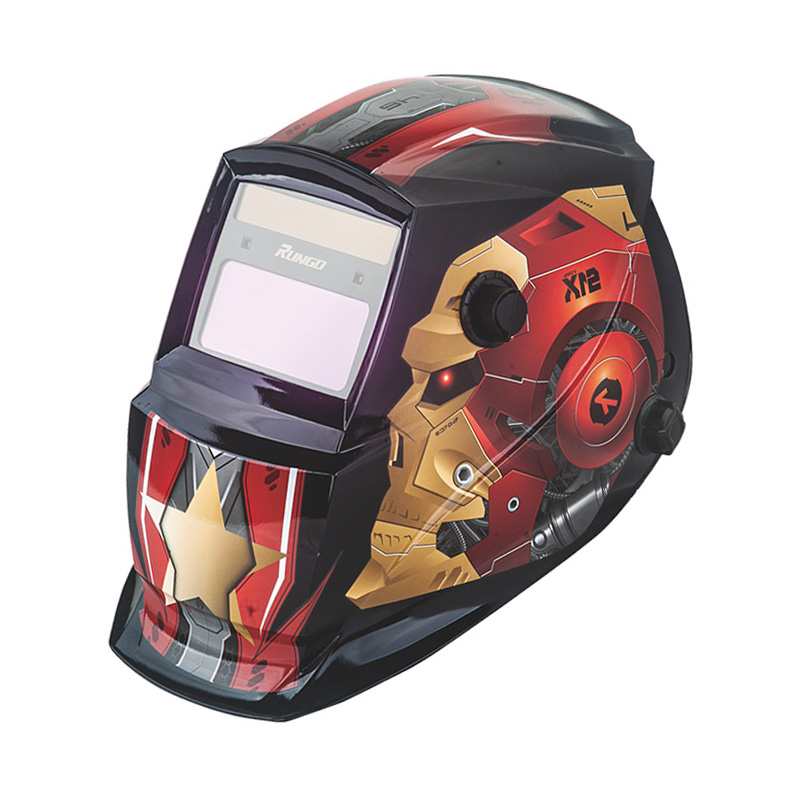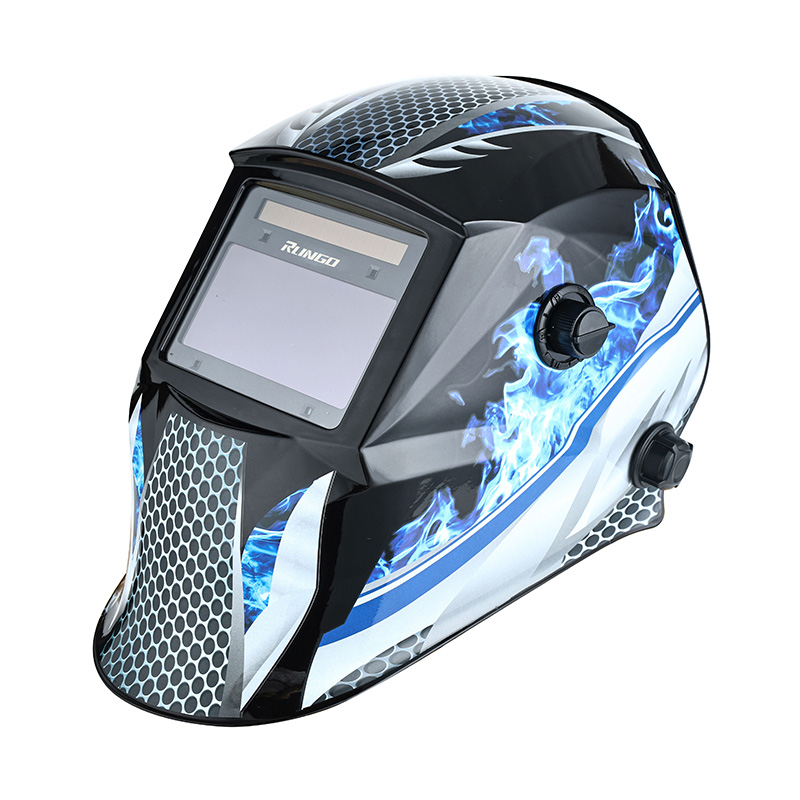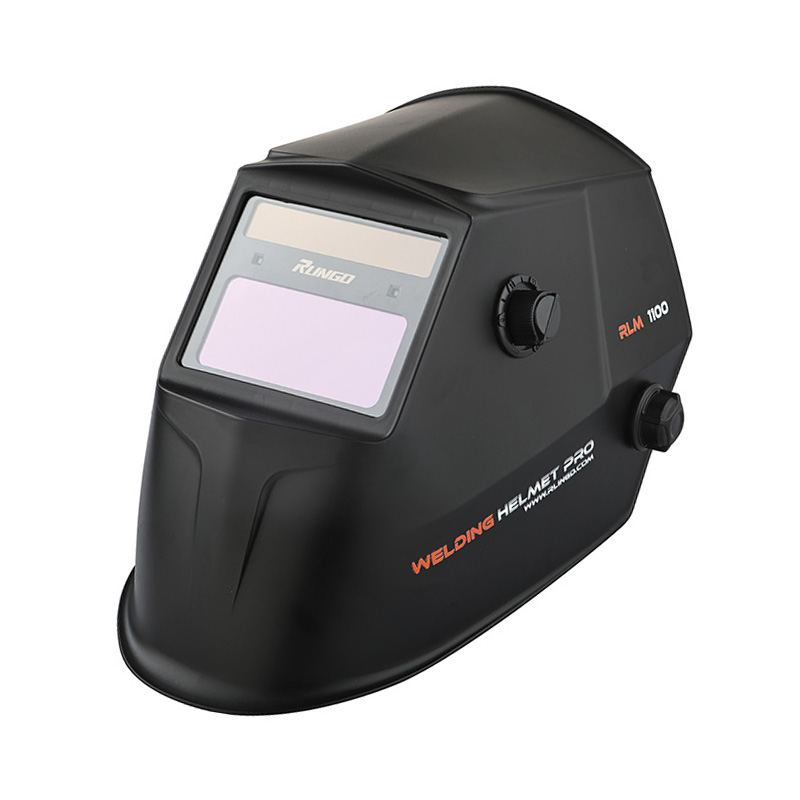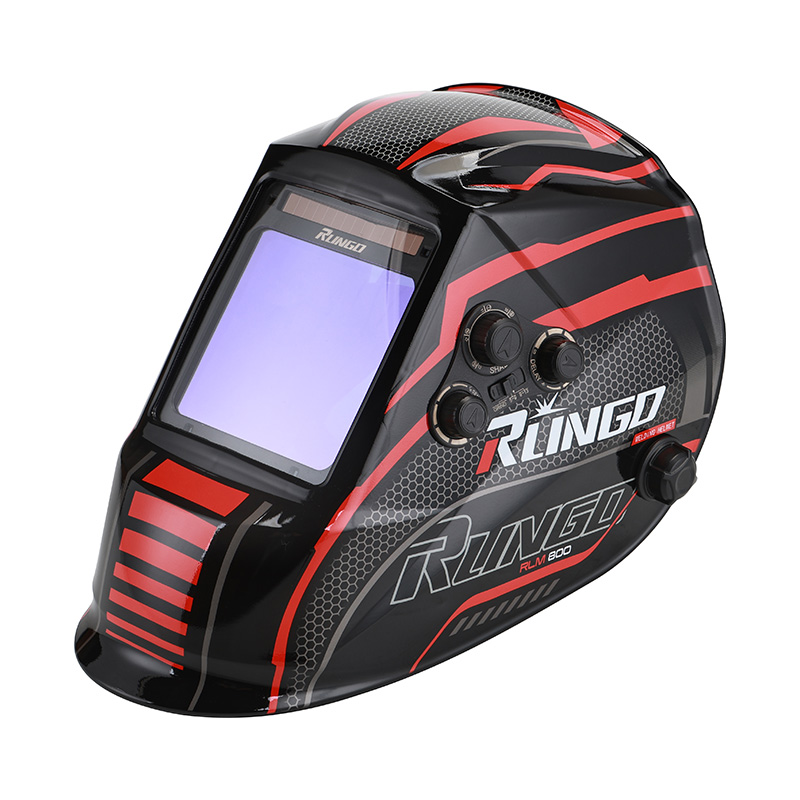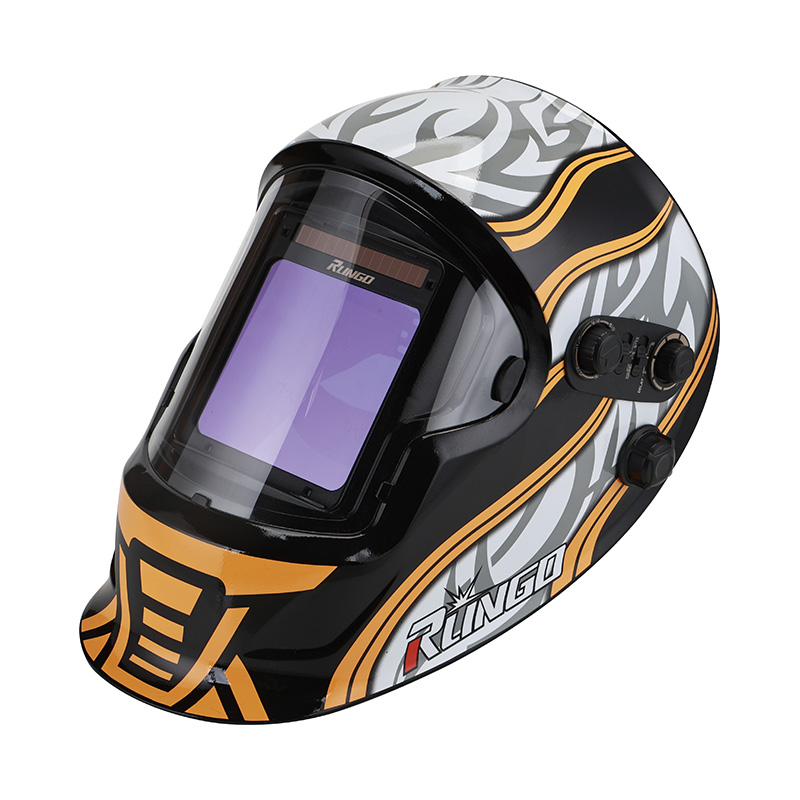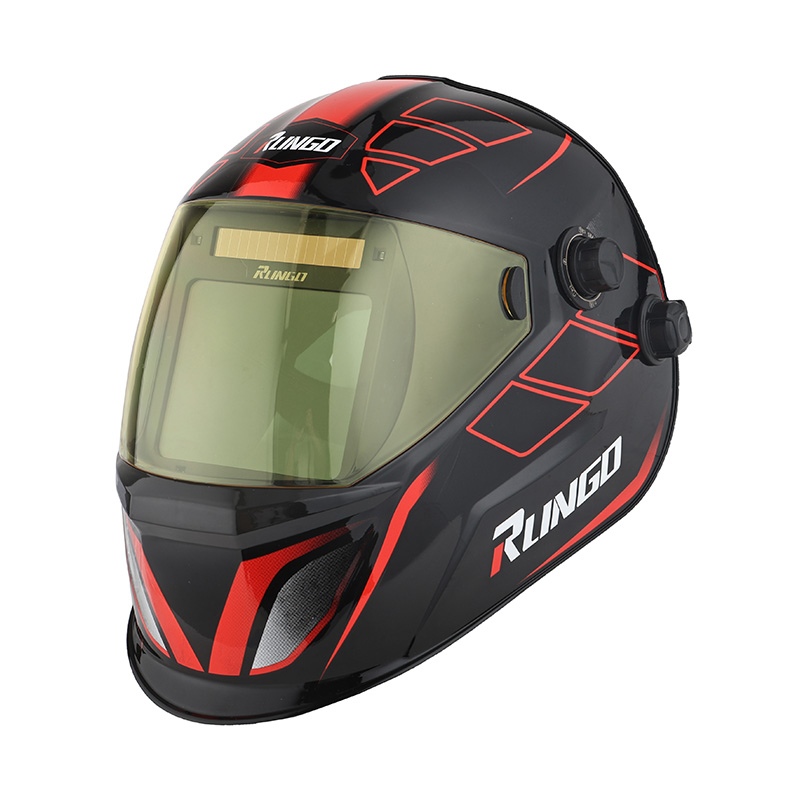
The Full Face Auto Darkening Welding Helmet is designed to provide both safety and convenience for welders by automatically adjusting the shade of the lens according to the brightness of the welding arc. However, one common concern among users is whether the helmet’s auto darkening function is affected when the battery is low. Understanding this relationship is critical to ensure consistent performance and safety during welding operations.
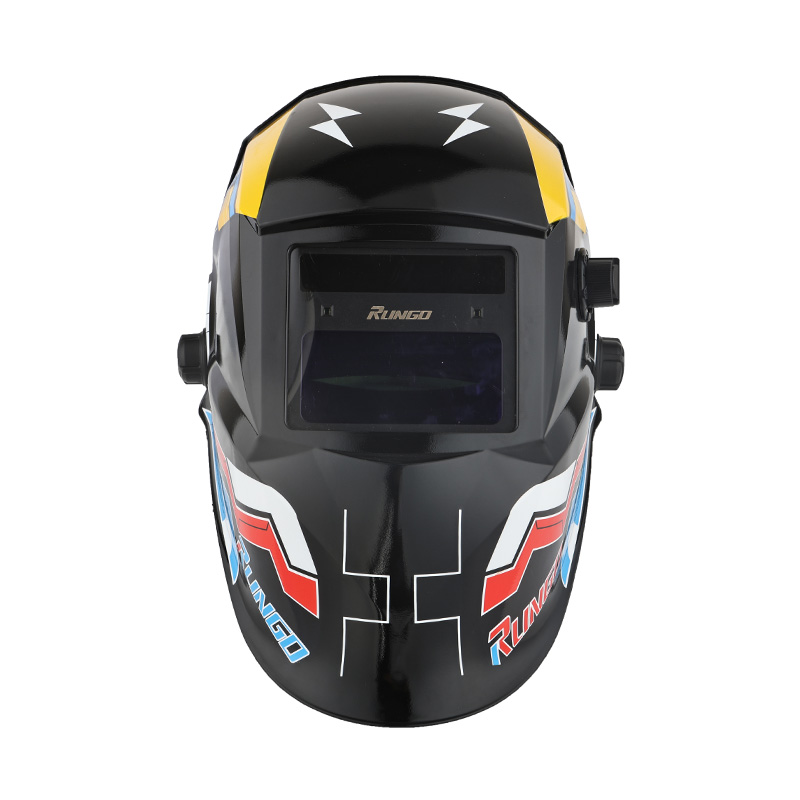
1. Understanding Auto Darkening Mechanism
- Photoelectric Sensors: Auto-darkening helmets use sensors to detect the intensity of light from the welding arc. These sensors trigger the lens to switch to a darker shade.
- Electronic Control: The signal from the sensors is processed by a small electronic circuit powered by the helmet’s battery.
- Rapid Response: Typically, the lens can switch from light to dark within milliseconds, protecting the welder’s eyes from harmful UV and infrared radiation.
2. Battery Role in Auto Darkening Performance
- Power Supply: The battery provides the energy required to operate the sensors and the liquid crystal display (LCD) that darkens the lens.
- Consistency of Operation: A fully charged battery ensures consistent and rapid darkening every time the welding arc is struck.
- Impact of Low Power: When the battery charge decreases, the helmet may experience slower response times, reduced darkening intensity, or inconsistent shade changes.
3. Indicators of Low Battery
- Warning Signals: Many modern helmets include LED indicators or audible alerts to warn users of low battery conditions.
- Reduced Sensitivity: The helmet may not detect the welding arc immediately or may revert to the light state too quickly.
- Flickering Lens: A weak battery can cause the LCD lens to flicker or fail to maintain the selected shade level.
4. Mitigating Low Battery Effects
- Regular Battery Checks: Inspect the battery level before each welding session to ensure it is sufficient for operation.
- Use Rechargeable Batteries: Some helmets allow rechargeable batteries, which can be topped up to maintain consistent performance.
- Backup Power Options: Certain models integrate solar panels or dual power systems to reduce dependence on the battery alone.
5. Maintenance Practices for Reliability
- Clean Contacts: Ensure that battery contacts are free from dust, corrosion, or debris, which can reduce power flow.
- Replace Batteries Timely: Follow the manufacturer’s recommendations for battery replacement intervals.
- Check Sensor Alignment: Misaligned or blocked sensors may amplify the effect of a low battery, further delaying lens darkening.
6. Operational Practices
- Pre-Welding Test: Before starting work, strike a test arc to verify that the helmet darkens correctly.
- Gradual Battery Replacement: Avoid using helmets with very low batteries during high-intensity welding to prevent exposure to harmful light.
- Avoid Bad Temperatures: Batteries perform poorly in bad cold or heat, which can exacerbate low battery issues.
7. Long-Term Considerations
- Durability of Helmets: Repeated operation under low battery conditions may stress electronic components over time.
- Sensor Calibration: Helmets should be periodically tested for sensor accuracy, especially if battery performance fluctuates.
- Upgrading Components: High-quality Full Face Auto Darkening Welding Helmet models often offer improved power efficiency and extended battery life to maintain reliable auto darkening performance.
The performance of an auto darkening welding helmet is closely tied to the condition of its battery. When the battery is low, welders may experience delayed lens response, inconsistent shading, or flickering, all of which can compromise safety and efficiency. Regular battery checks, proper maintenance, and using helmets with dual or rechargeable power sources can help mitigate these issues.