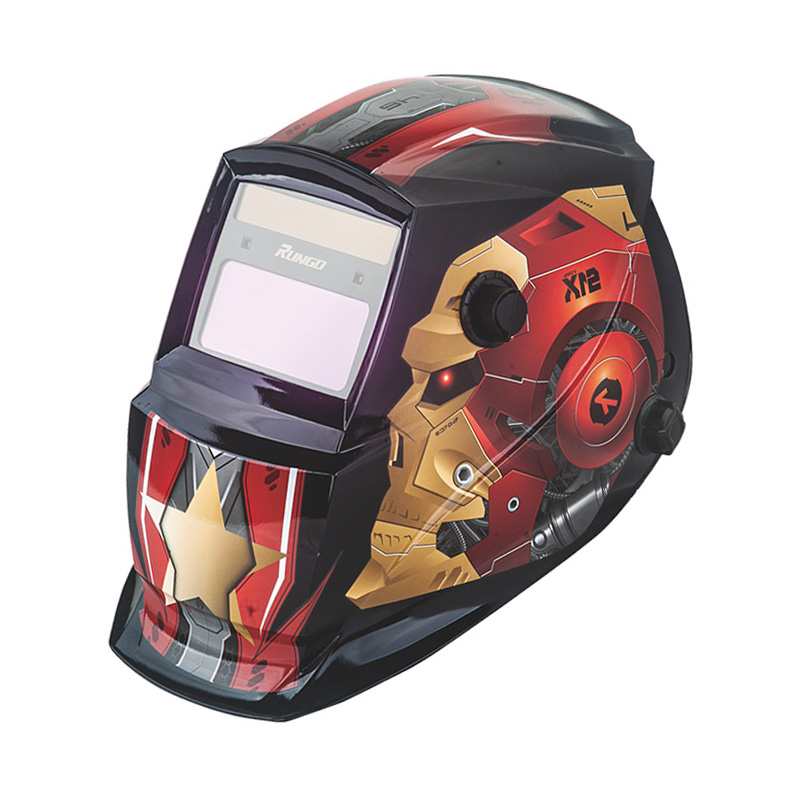
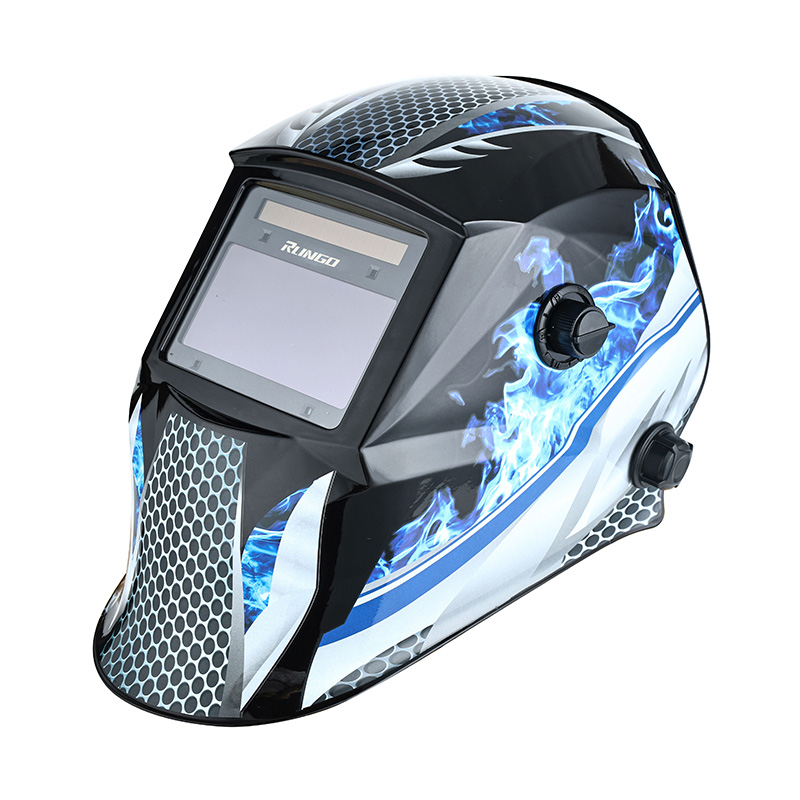
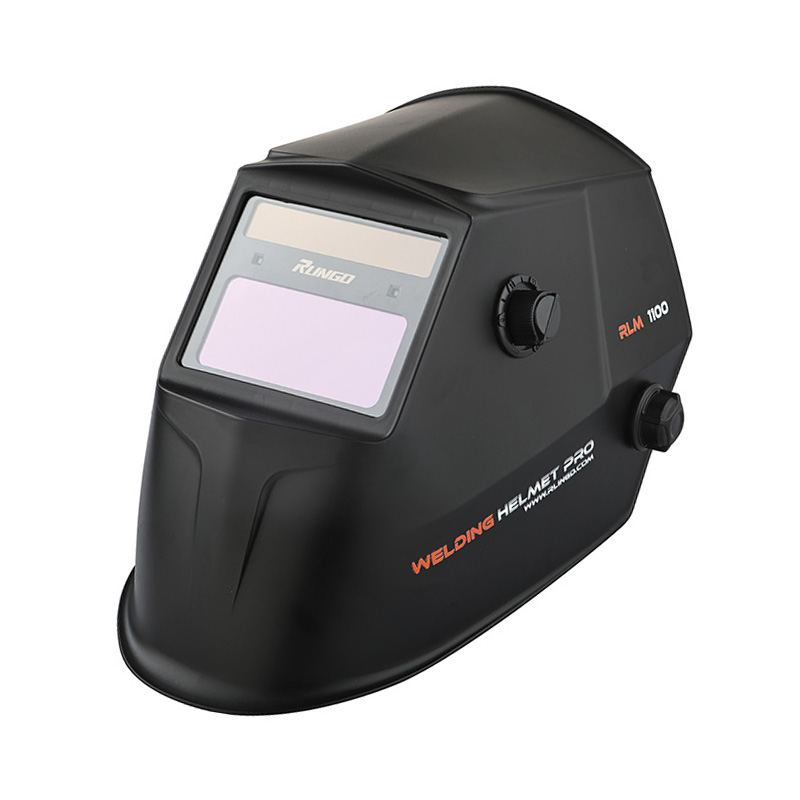
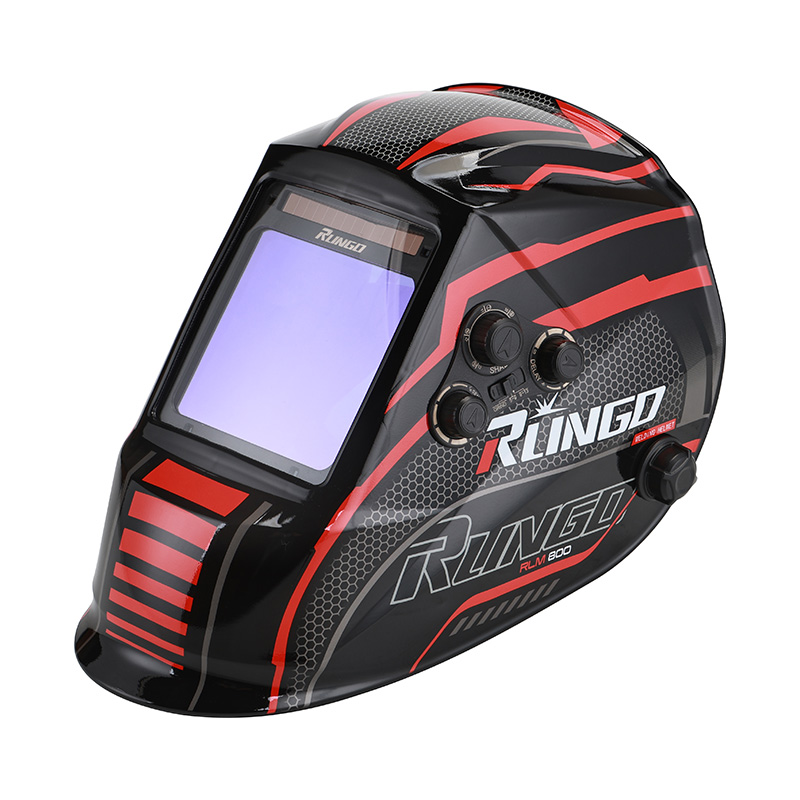
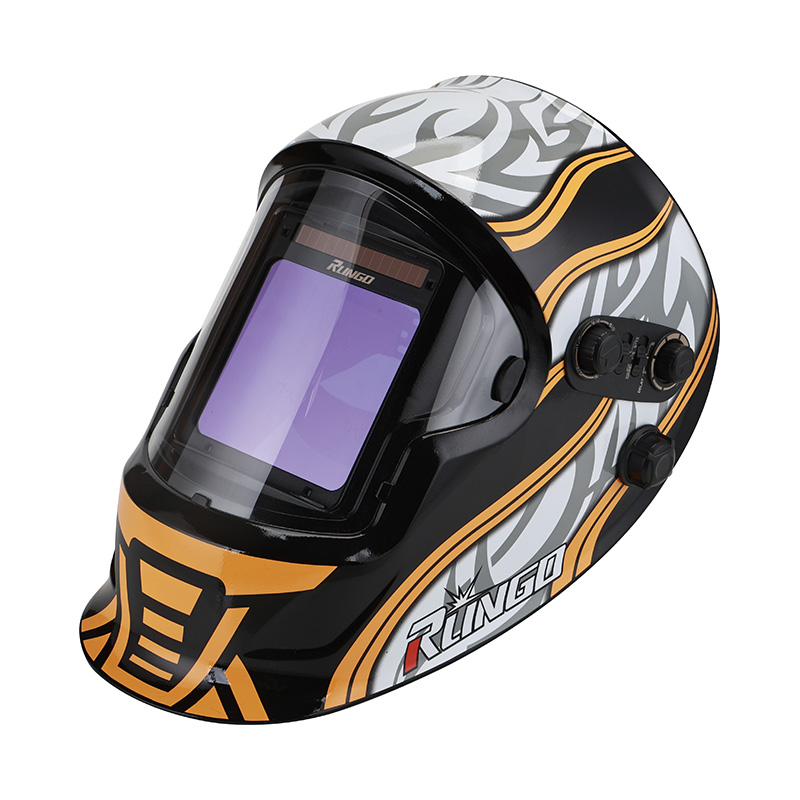
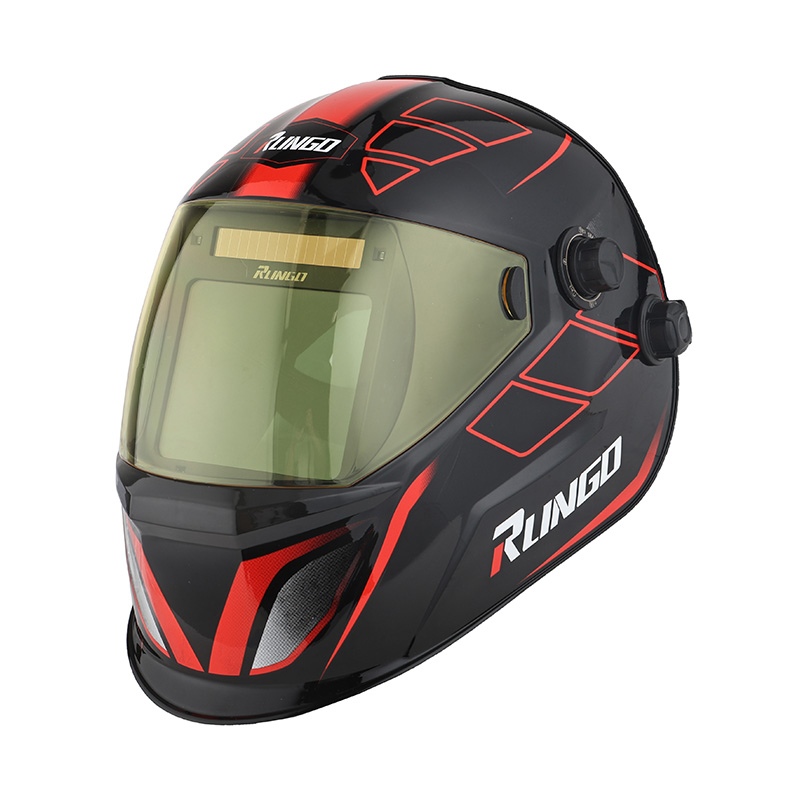
A Auto Flash Welding Helmet is essential for protecting welders from intense light and sparks while maintaining clear vision. Optical clarity is a critical factor in welding safety and performance, as poor visibility can cause mistakes, fatigue, or even accidents. Evaluating the clarity of a welding helmet requires a combination of technical specifications, visual tests, and user experience considerations.
- Safety importance: Clear vision reduces errors and prevents eye strain.
- Performance relevance: High optical quality allows precise weld placement.
- Helmet reliability: Clarity ensures that protective features like the auto-darkening function work effectively.
Understanding how optical clarity is measured helps welders choose the right helmet for both safety and productivity.
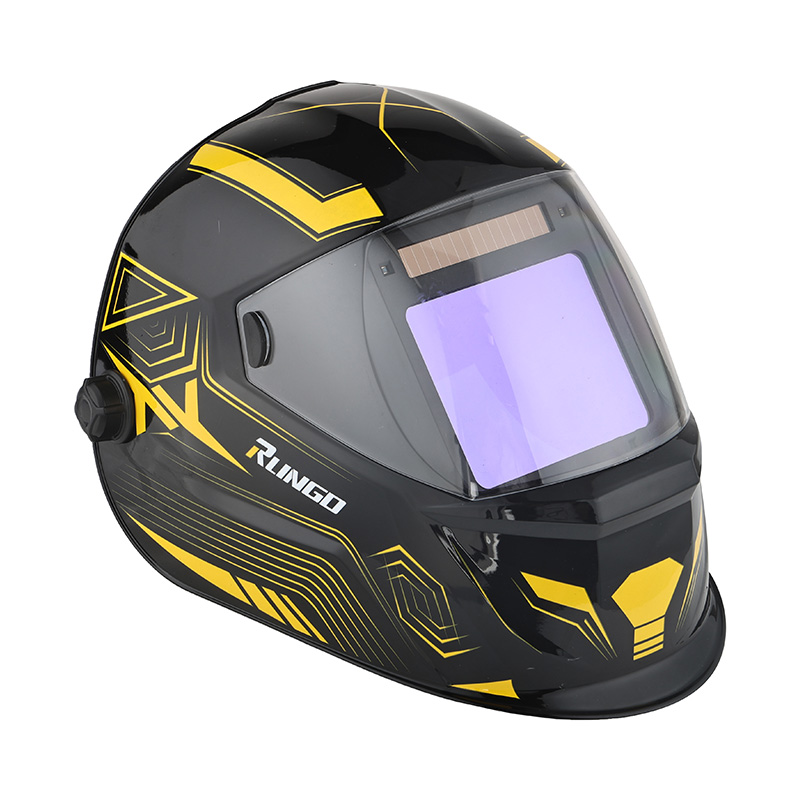
Optical Standards and Ratings
Industry standards provide measurable criteria for assessing helmet lenses.
Optical Class Ratings: ANSI Z87.1 and EN379 classify lenses based on distortion, light diffusion, and visual comfort.
Class 1: High optical clarity, distortion.
Class 2: Moderate quality, suitable for general welding.
Class 3: Acceptable for occasional or low-intensity work.
Diffusion of Light (DOL): Measures how evenly the lens transmits light, impacting the visibility of the weld pool.
Shade Accuracy: Ensures the lens darkens to the appropriate level for the arc, preventing glare or over-darkening.
Checking these ratings helps welders identify helmets that meet both professional and safety standards.
Auto-Darkening Performance
The auto-flash feature of welding helmets affects perceived clarity during work.
- Response time: Faster lens darkening reduces exposure to bright arc light.
- Consistency: Uniform darkening across the lens prevents distortion or uneven visibility.
- Multiple sensors: Ensure coverage even if the arc is at an angle, maintaining clear vision.
- Adjustable settings: Allow welders to choose suitable darkness for visibility and comfort.
Effective auto-flash technology directly impacts optical clarity in real-world welding conditions.
Lens Construction and Materials
The materials used in the helmet lens determine how accurately welders see their work.
High-quality glass or polycarbonate: Reduces optical distortion and enhances clarity.
- Multi-layer coatings: Anti-scratch, anti-fog, and anti-reflective coatings improve visibility.
- UV/IR filtration: Protects eyes without altering true color perception of the work area.
- Lens thickness and uniformity: Prevents warping or uneven transparency.
Investing in quality materials ensures consistent optical performance and longer lens life.
Visual Testing Methods
Practical evaluation involves hands-on testing of the helmet under real conditions.
- Viewing grids: Observing a grid or pattern through the lens reveals distortion or waviness.
- Arc simulation: Welding a small test piece allows evaluation of visibility during arc flashing.
- Peripheral vision check: Ensures clear vision across the entire lens, not just the center.
- Comfort assessment: Clear visibility should be maintained without eye strain during extended periods.
These tests help welders confirm that the helmet provides suitable clarity for everyday use.
Ergonomics and Comfort
Optical clarity is also influenced by the helmet’s fit and ergonomics.
- Headband adjustability: Ensures the lens aligns properly with the welder’s eyes.
- Balanced weight distribution: Prevents tilting or shifting that could obstruct vision.
- Cushioned interior: Reduces pressure points, allowing longer use without compromising line of sight.
- Lens position flexibility: Adjustable lens angles maintain clear viewing in various welding positions.
Comfortable design ensures that welders can take full advantage of the helmet’s optical clarity.
Conclusion
An Auto Flash Welding Helmet delivers suitable protection only if optical clarity is carefully evaluated and maintained. Assessing lens standards, auto-darkening performance, materials, visual testing, and ergonomics ensures that welders can work safely and accurately. By focusing on these factors, welders can select helmets that provide clear, undistorted vision while shielding their eyes from intense light, UV, and IR radiation. Proper evaluation of optical clarity enhances both performance and safety in all welding applications.


 English
 中文简体
中文简体 русский
 Español
 Inquiry