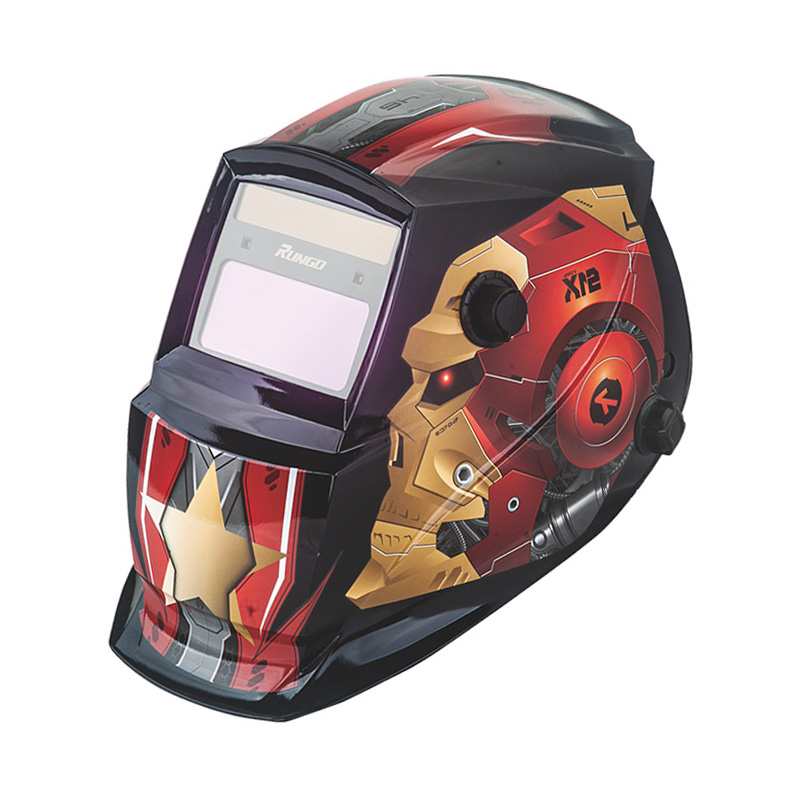
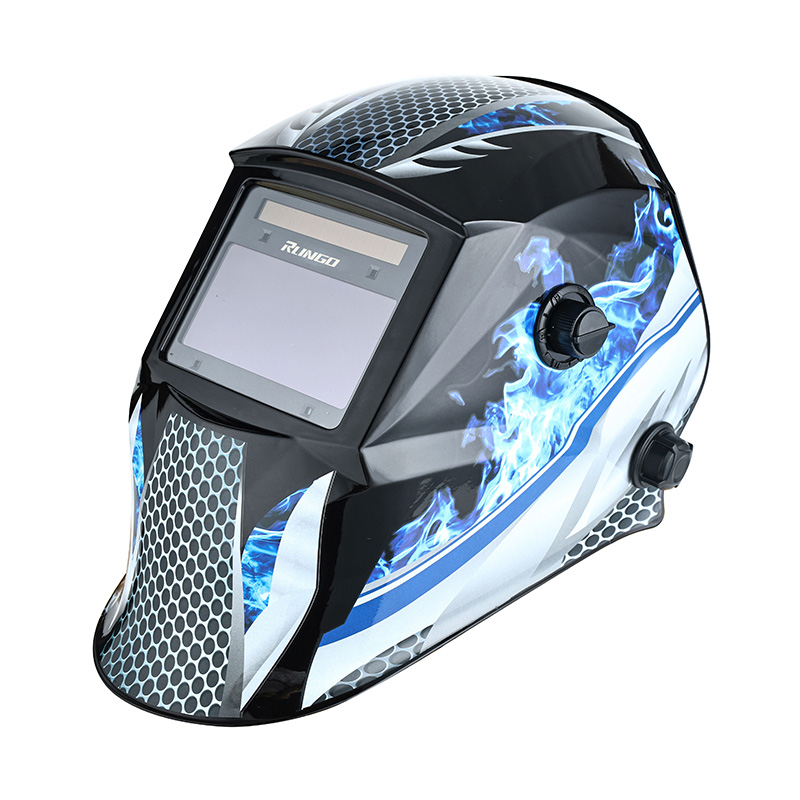
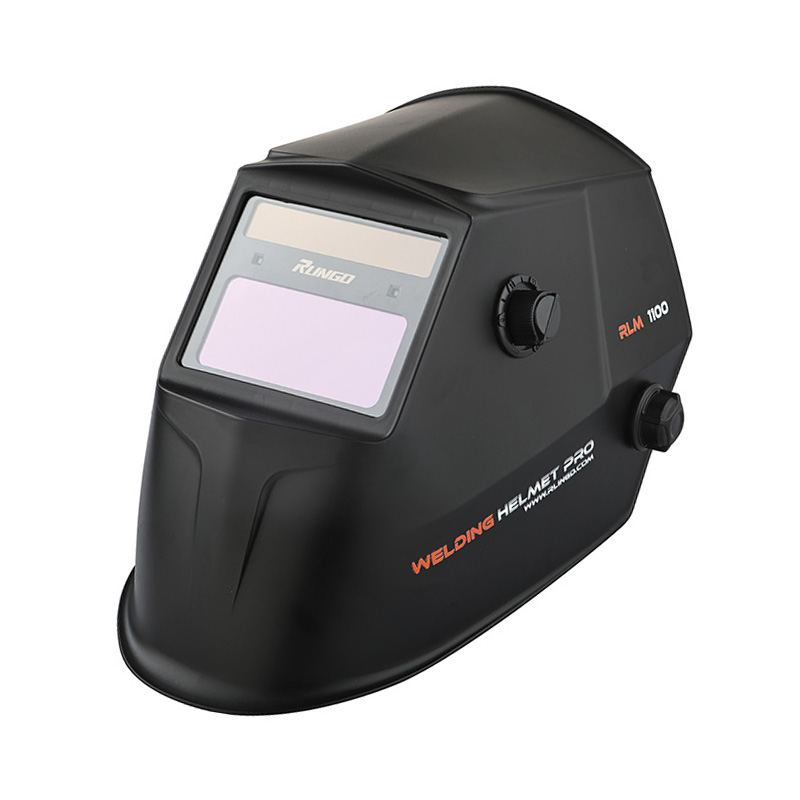
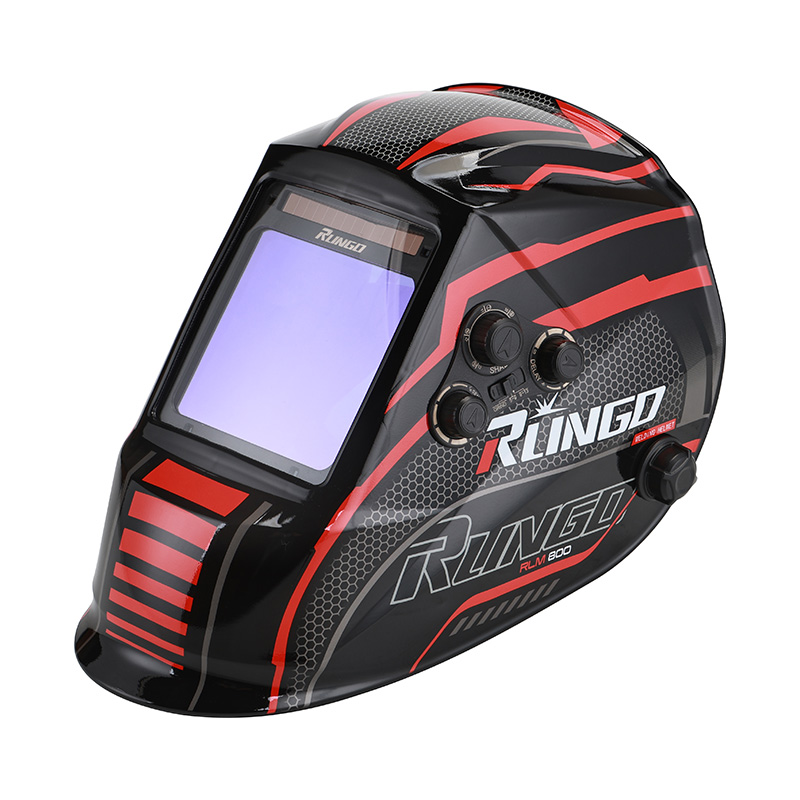
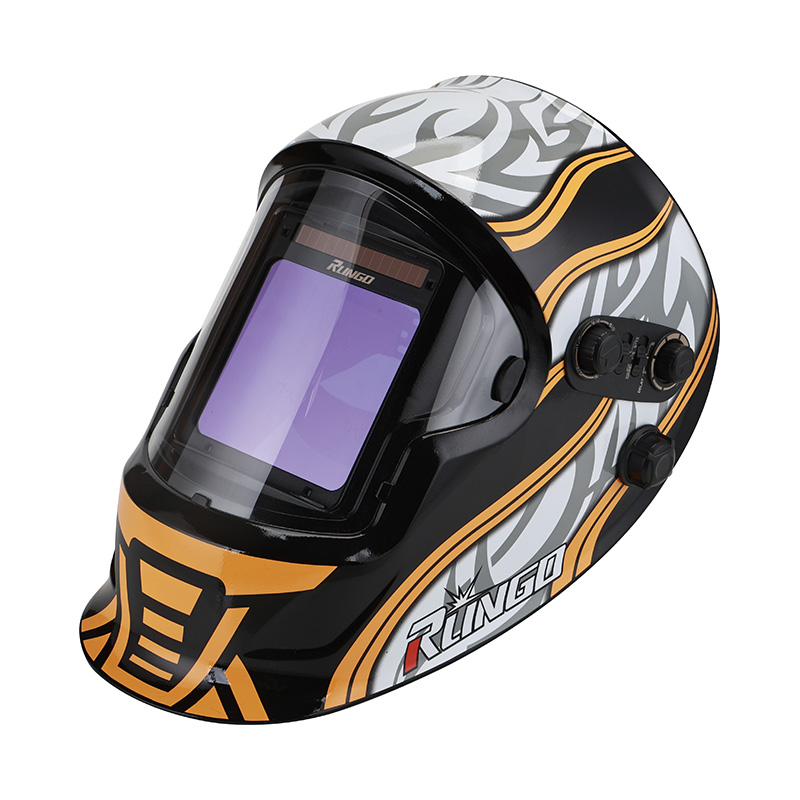
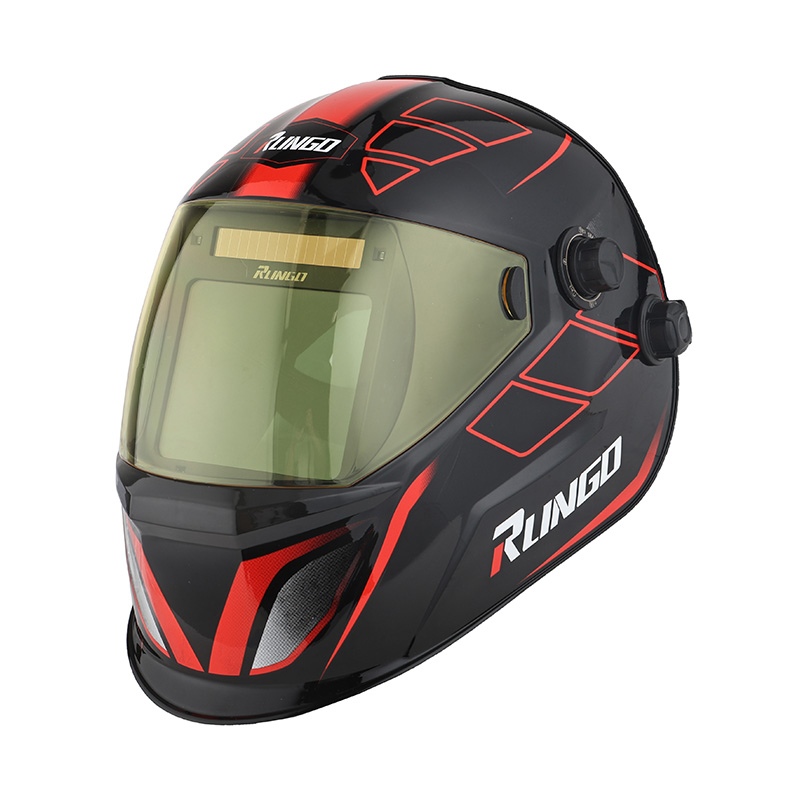
An Auto Adjusting Welding Helmet is designed to protect welders from the intense hazards generated during welding. UV (ultraviolet) and IR (infrared) radiation are among the dangerous exposures, capable of causing eye injuries, burns, and long-term health effects if not properly filtered. Understanding how modern helmets block these radiations is critical for both safety and compliance with industry standards.
- UV radiation hazards: Can cause arc eye, skin burns, and long-term eye damage.
- IR radiation hazards: Generates heat that can injure skin and damage the retina.
- Importance of protection: Helmets must provide reliable coverage in all welding scenarios.
Proper helmet design ensures both eyes and skin remain safe during high-intensity welding operations.
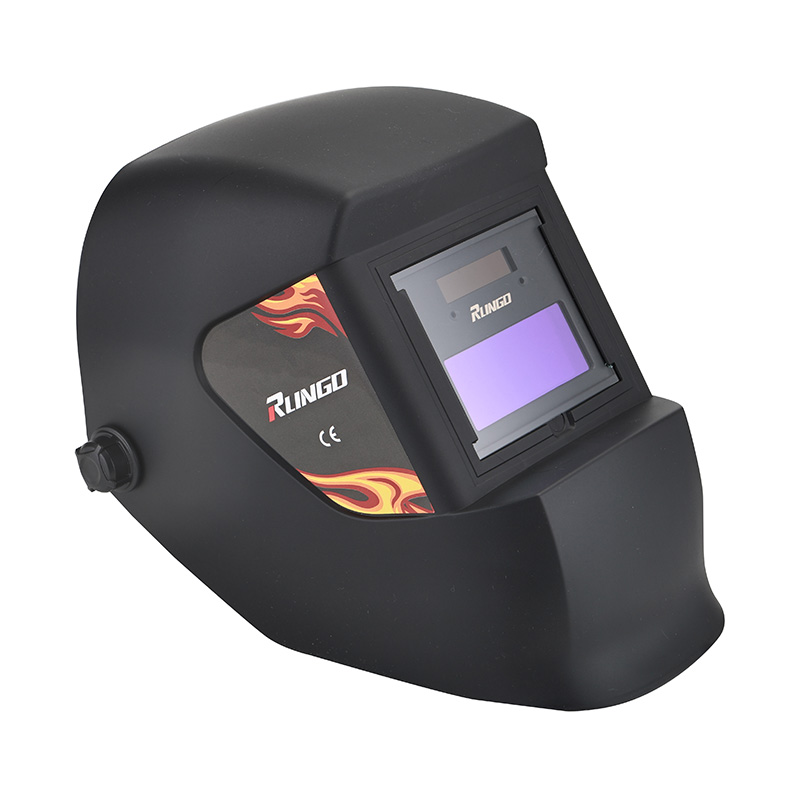
Lens Technology and Filtering
The primary method of UV/IR protection is through specialized lens technology integrated into auto-adjusting helmets.
- Fixed filters for UV/IR: Most auto-adjusting lenses incorporate a permanent UV/IR filter that blocks harmful radiation regardless of shade settings.
- Dynamic auto-darkening layers: The lens adjusts instantly to the arc’s brightness, reducing exposure while maintaining optical clarity.
- Multi-layer design: Combines filtering, shading, and optical clarity to provide full protection for the welder’s eyes.
- Compliance with standards: Filters meet or exceed ANSI and EN safety standards for welding.
These lens technologies ensure consistent protection even during frequent or intense welding activity.
Full-Face and Neck Coverage
Beyond the lens, a helmet must shield exposed skin from radiation.
- Full-face coverage: Protects eyes, nose, cheeks, and jaw from UV/IR reflection and scattered radiation.
- Neck shields: Often included in helmet designs to prevent burns and UV exposure on the neck.
- Side protection: Some helmets incorporate wrap-around designs to guard against peripheral radiation.
- Seamless integration: Ensures no gaps that could allow harmful radiation to reach sensitive skin.
Complete coverage reduces the risk of short-term burns and long-term damage.
Sensor-Driven Auto Adjustment
Auto-adjusting helmets rely on sensors to detect arc intensity and trigger lens darkening, enhancing UV/IR protection.
- Rapid response: Sensors detect the welding arc in milliseconds, immediately adjusting lens darkness.
- Multiple sensors: Ensure detection from various angles, even in high-intensity or complex welding positions.
- Variable sensitivity: Allows customization depending on welding process and arc strength.
- Fail-safe operation: Ensures the lens remains protective even if one sensor is blocked or malfunctioning.
This dynamic adjustment maintains suitable protection without requiring manual intervention, reducing the risk of accidental overexposure.
Durability and Material Resistance
UV/IR protection is also supported by the materials used in the helmet’s construction.
- Heat-resistant shell: Withstands radiant heat without warping or degrading.
- Impact-resistant lens housing: Protects internal filters from damage due to sparks and debris.
- Chemical resistance: Ensures performance in environments with fumes or splashes.
- Long-term clarity: High-quality materials prevent lens yellowing or degradation that could reduce UV/IR filtration.
Durable construction ensures the helmet continues to provide reliable radiation protection over time.
Ergonomics and Extended Use
Protection is only effective if the helmet is worn consistently. Comfort encourages proper use over long shifts.
- Adjustable headgear: Provides a secure and comfortable fit for prolonged welding.
- Balanced weight distribution: Reduces neck strain and fatigue, preventing improper wear.
- Padding and ventilation: Enhance comfort while maintaining complete coverage of the face and neck.
- Mobility: Allows welders to work in various positions without compromising protection.
Ergonomic design supports consistent protection, which is crucial in professional welding environments.
Conclusion
A Auto Adjusting Welding Helmet achieves UV and IR protection through a combination of advanced lens technology, full-face and neck coverage, sensor-driven auto-darkening, and durable materials. By integrating these features, the helmet shields the welder’s eyes and skin from harmful radiation, while the ergonomic design ensures comfort during extended use. This comprehensive protection allows welders to perform safely and efficiently in both high-intensity industrial and casual welding scenarios.


 English
 中文简体
中文简体 русский
 Español
 Inquiry