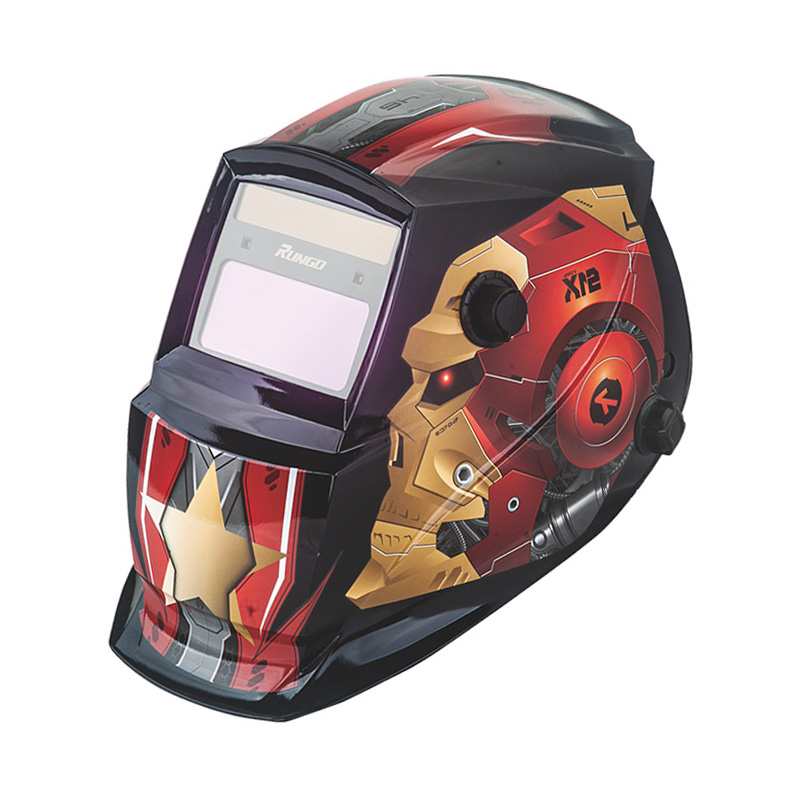
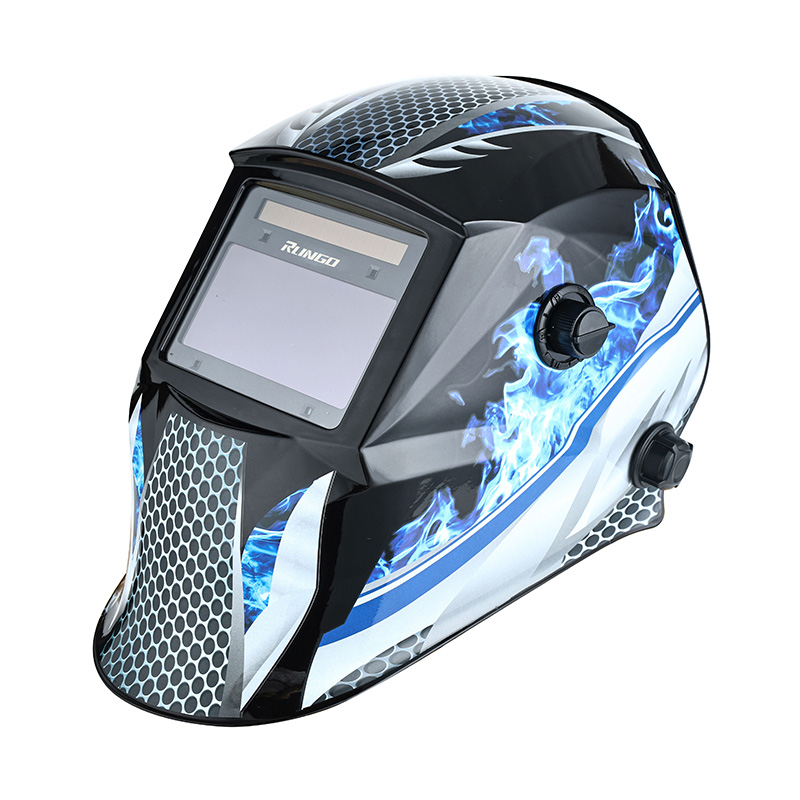
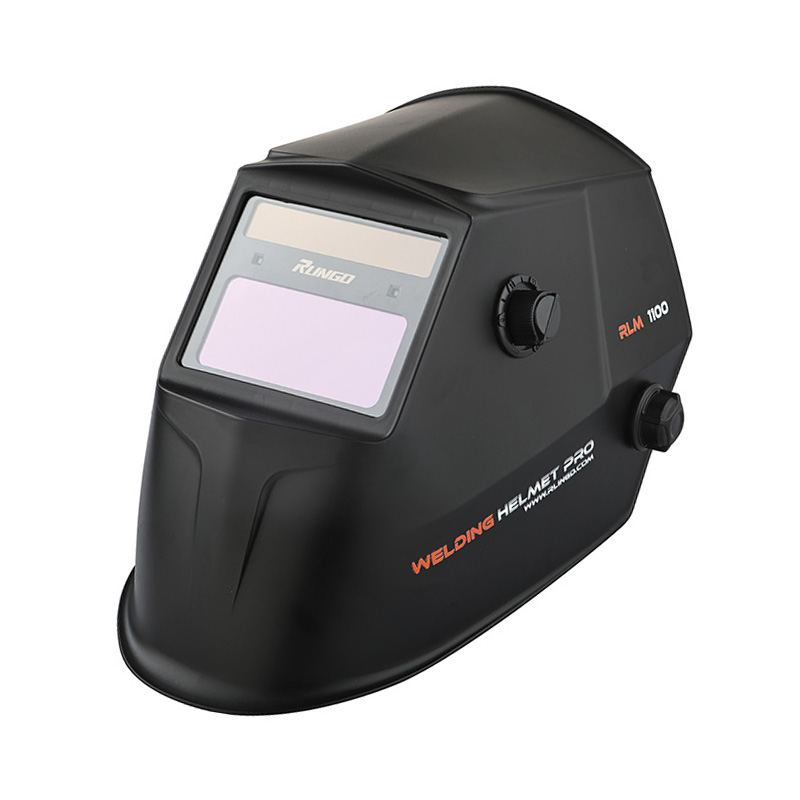
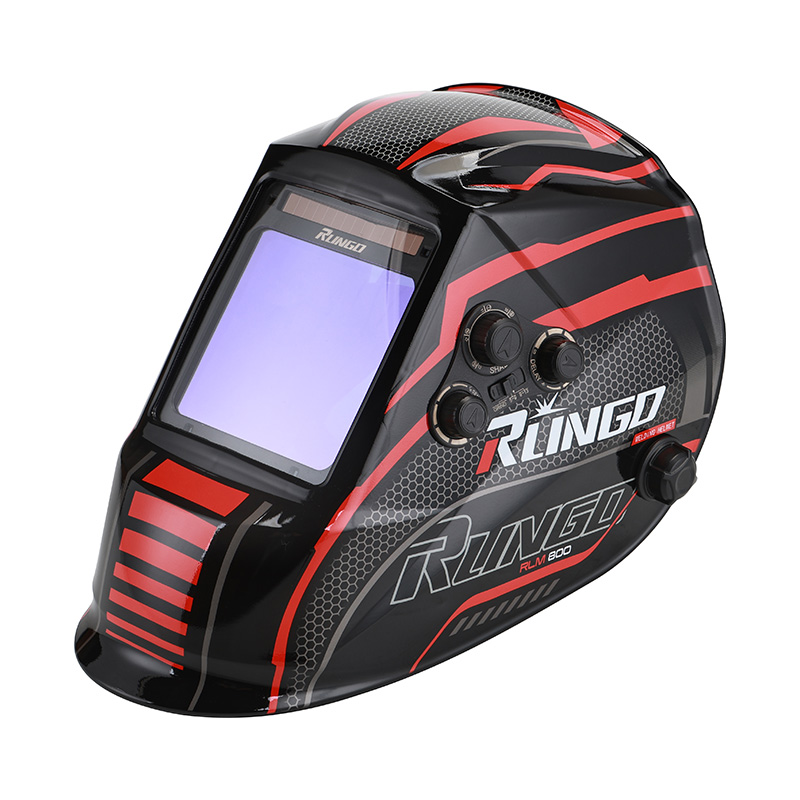
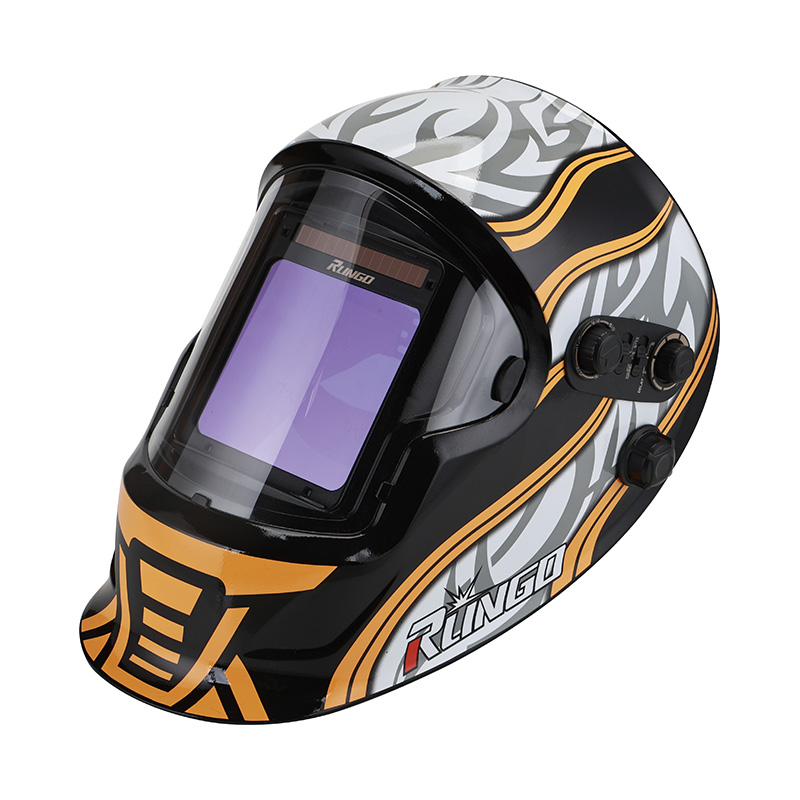
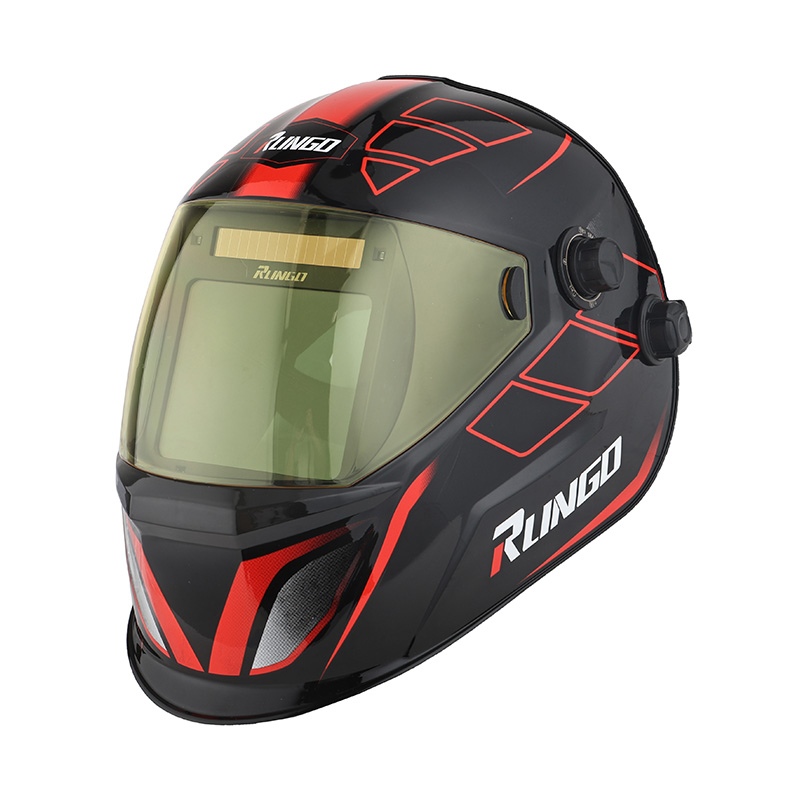
The Auto Adjusting Welding Helmet is an essential tool for welders, providing both protection and comfort during long working hours. One critical aspect of helmet design is the liner material, which directly affects sweat absorption, breathability, and overall wearer comfort.
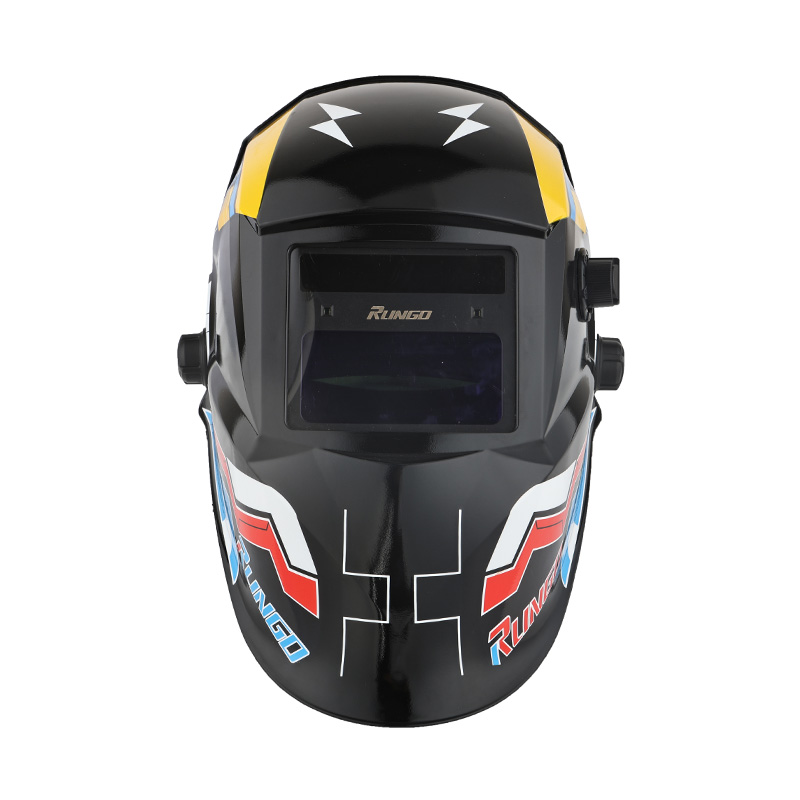
1. Importance of Liner Material
- Moisture Management: The liner is the layer in contact with the wearer’s forehead and scalp. Its ability to absorb sweat helps prevent slipping and irritation.
- Temperature Regulation: Breathable liners allow air circulation, reducing heat buildup inside the helmet.
- Extended Wear Comfort: High-quality liners reduce discomfort during long shifts, allowing welders to focus on precision tasks.
2. Common Liner Materials
- Foam Padding: Lightweight and soft, foam padding provides cushioning but may retain moisture if not treated for absorbency.
- Fabric Liners: Fabrics like cotton or polyester blends wick sweat away from the skin. Advanced fabrics may include moisture-absorbing or anti-bacterial treatments.
- Gel or Silicone Pads: Used in some helmets for shock absorption; however, they may limit airflow and reduce breathability if not designed properly.
3. Sweat Absorption Capabilities
- High Absorbency Liners: Materials such as terry cloth or microfiber efficiently capture sweat, keeping the skin dry and reducing slippage.
- Low Absorbency Liners: Synthetic or rigid liners may resist water but fail to manage sweat, causing discomfort during extended use.
- Treatment Options: Some liners are coated with hydrophilic finishes to improve absorption without adding bulk.
4. Breathability and Ventilation
- Mesh or Perforated Liners: Helmets with mesh liners allow air to flow freely, promoting evaporation and cooling.
- Impact on Fogging: Breathable liners reduce moisture accumulation inside the helmet, helping prevent lens fogging and maintaining clear visibility.
- Balancing Protection and Ventilation: While ventilation is important, liners must still provide a snug fit to prevent the helmet from shifting during welding.
5. Skin Comfort and Irritation Prevention
- Soft, Hypoallergenic Materials: High-quality liners reduce skin irritation and prevent rashes caused by prolonged contact with sweat-soaked surfaces.
- Anti-Odor Treatments: Some fabrics include antimicrobial or odor-resistant properties, enhancing comfort during repeated use.
- Adjustability: Helmets that allow adjustment of liner fit help maintain consistent contact and reduce hotspots where sweat can accumulate.
6. Maintenance and Hygiene
- Removable Liners: Many Auto-Adjusting Welding Helmet models offer removable liners that can be washed or replaced, extending the helmet’s lifespan and comfort.
- Regular Cleaning: Routine washing prevents sweat residue from hardening or causing unpleasant odors.
- Replacement Frequency: Liners that lose absorbency or become compacted should be replaced to maintain suitable sweat management.
7. Liner Material Impact on Helmet Performance
- Secure Fit: Proper sweat absorption and cushioning prevent the helmet from sliding, ensuring consistent eye protection.
- Weight Considerations: Lightweight liners reduce fatigue while maintaining absorbency and breathability.
- Long-Term Comfort: Well-designed liners allow welders to focus on their work without distraction from discomfort or heat.
8. Choosing the Right Liner
- Material Selection: Consider the intensity of work and environmental conditions. For hot environments, prioritize breathable, moisture-wicking liners.
- Fit and Adjustability: Helmets with adjustable headgear and liners accommodate various head shapes, enhancing comfort and sweat management.
- Durability: Liners that maintain their properties after repeated washing or heavy use provide long-term value.
The liner material in an auto-adjusting welding helmet plays a pivotal role in sweat absorption, breathability, and overall comfort. Choosing helmets with high-quality, breathable, and moisture-wicking liners ensures that welders remain dry, cool, and focused throughout long working hours. Features such as removable liners, antimicrobial treatment, and adjustable fit further enhance usability and hygiene.


 English
 中文简体
中文简体 русский
 Español
 Inquiry