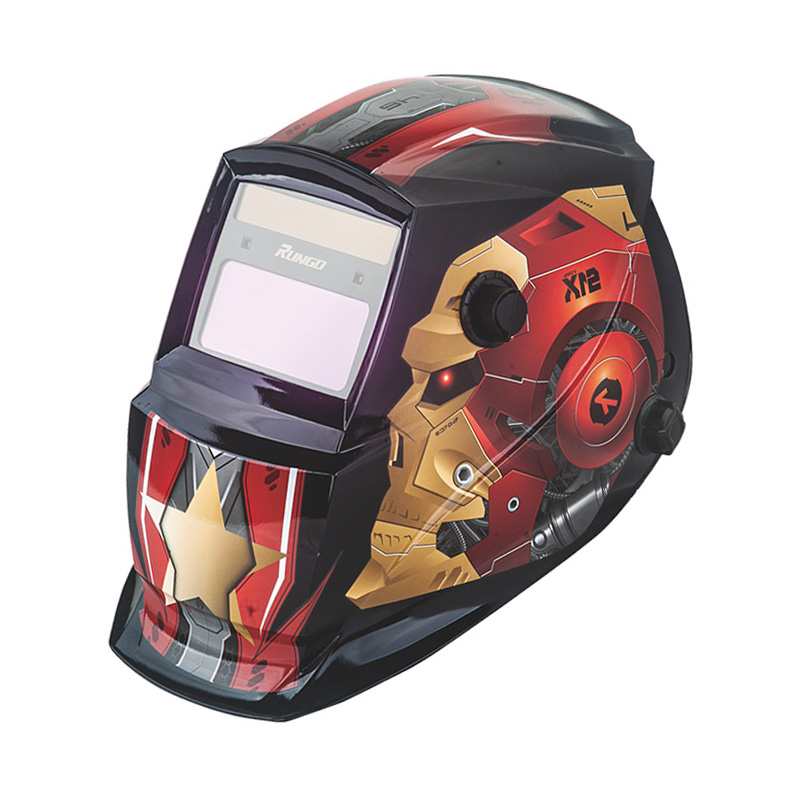
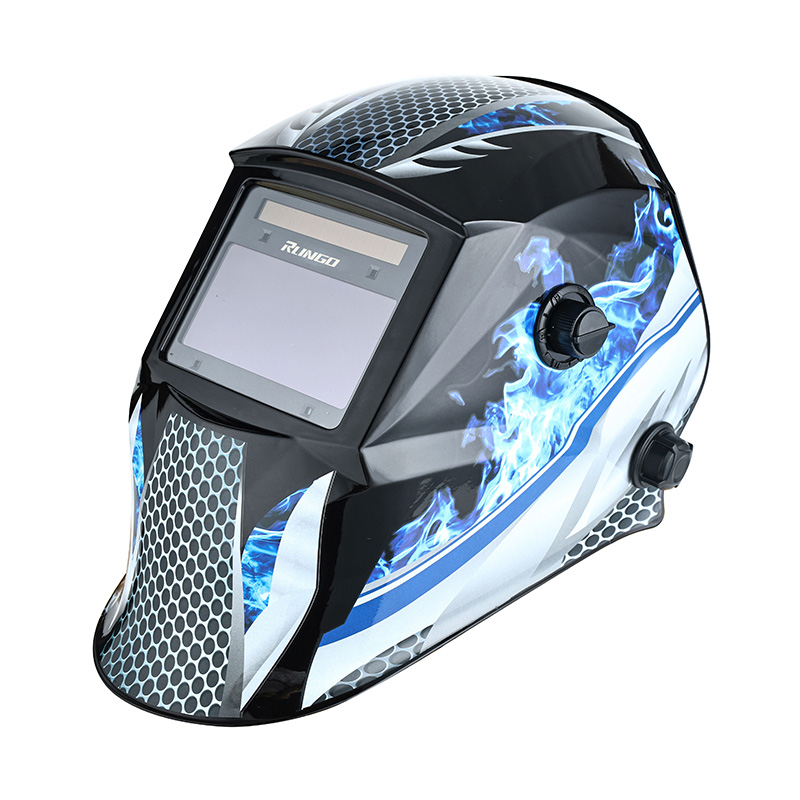
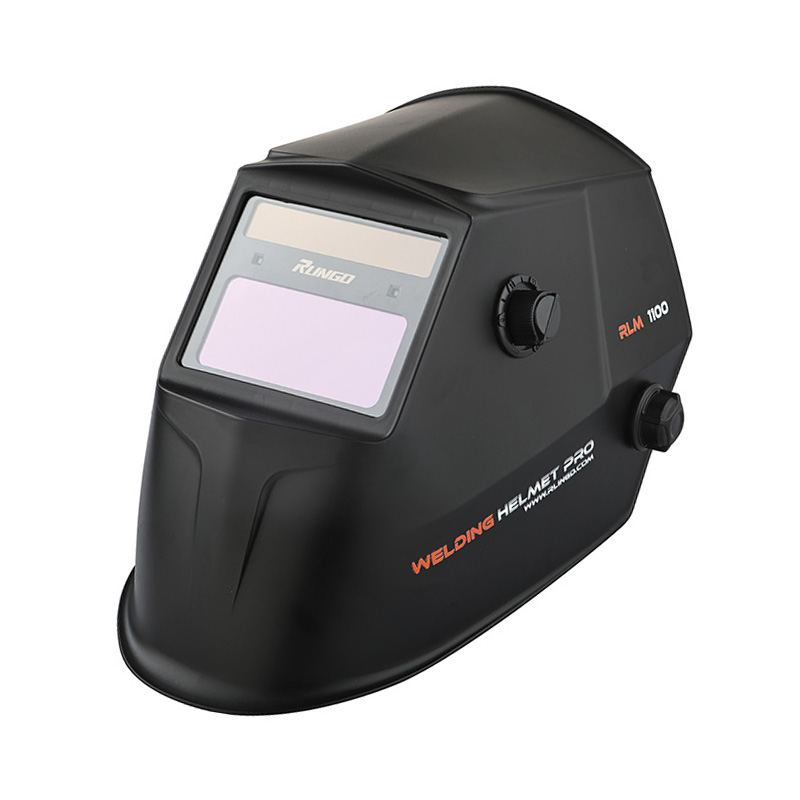
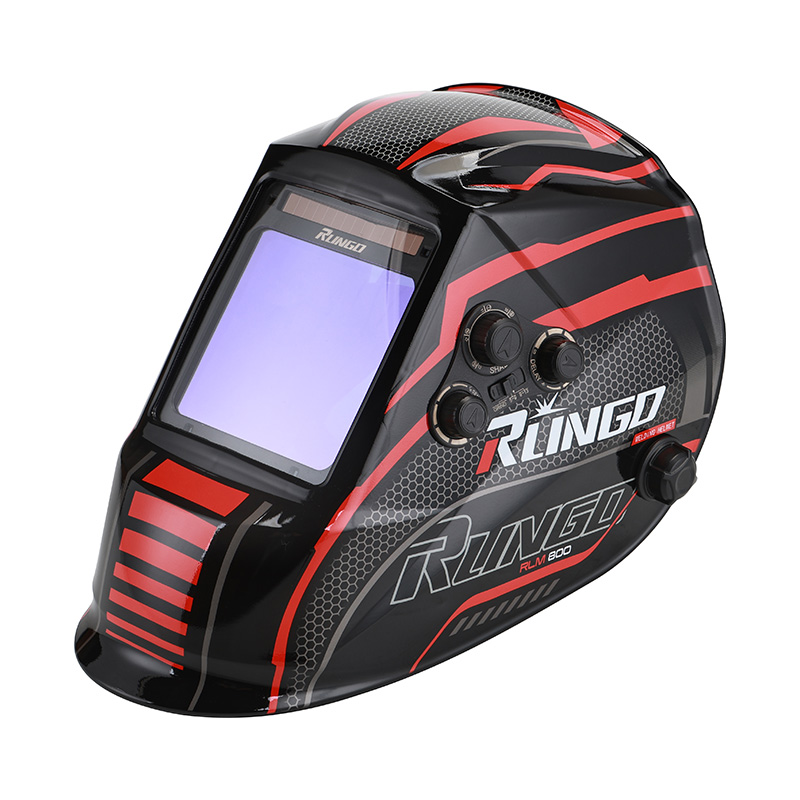
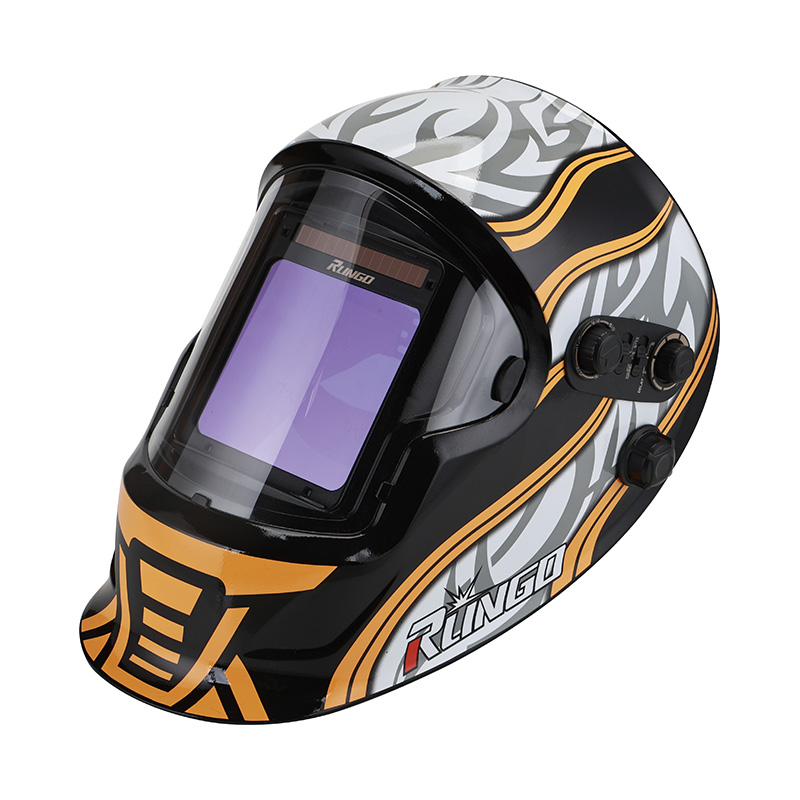
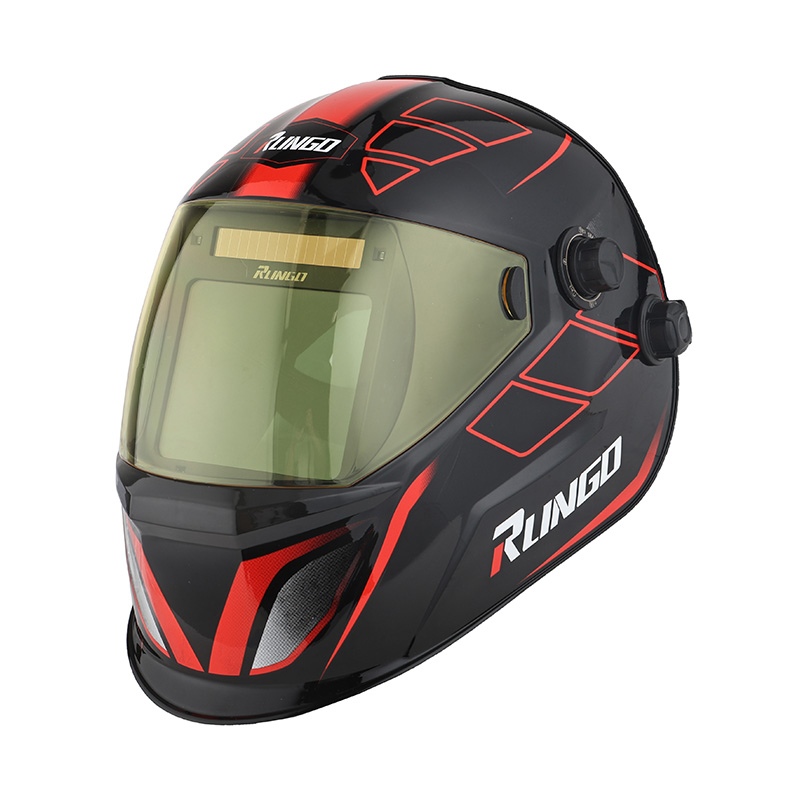
The Auto Flash Welding Helmet is an essential safety tool for welders, providing rapid lens darkening and full-face protection. In high-speed welding operations, stability becomes a critical factor. A helmet that is unstable or prone to shifting can compromise safety, reduce efficiency, and increase fatigue.
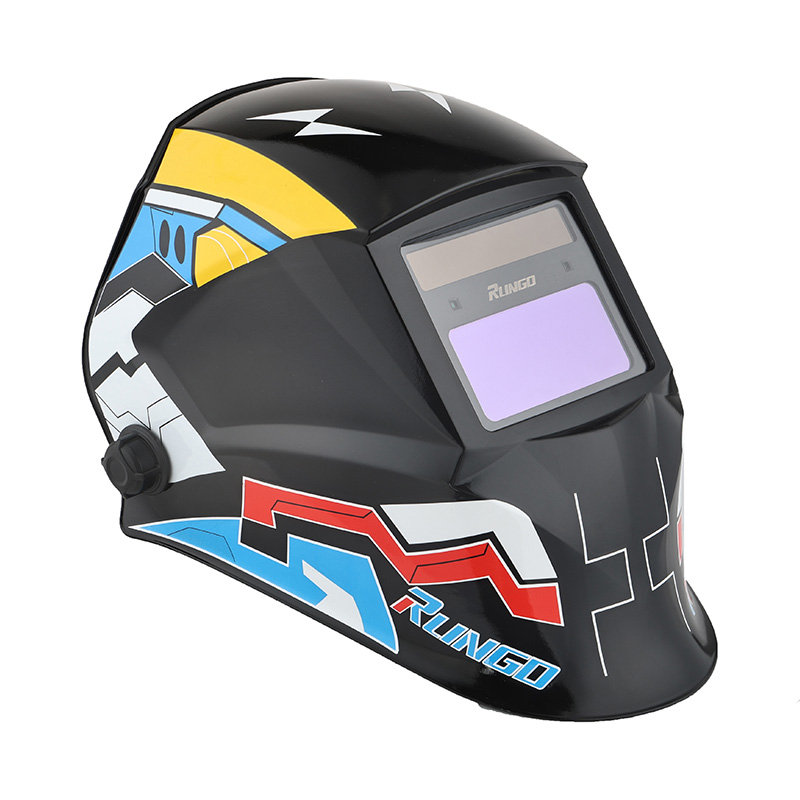
1. Importance of Stability in High-Speed Operations
- Eye Protection: Stability ensures the auto-darkening lens remains properly aligned with the welder’s eyes, providing continuous protection from ultraviolet (UV) and infrared (IR) radiation.
- Precision Work: High-speed welding requires consistent visibility. Any movement or wobble of the helmet can impair accuracy and weld quality.
- Operator Comfort: A stable helmet reduces head strain and discomfort, allowing the welder to maintain focus during long shifts.
2. Helmet Design Features Affecting Stability
- Headgear Configuration: Well-designed headgear distributes weight evenly across the head and maintains a secure fit.
- Adjustable Straps: Adjustable straps and ratchet systems help welders fine-tune the fit for individual head shapes.
- Helmet Shell Shape: Aerodynamic and ergonomically shaped shells reduce air resistance and prevent movement during rapid head motions.
3. Role of Auto Flash Mechanism
- Fast Lens Response: The auto flash feature reacts to arc intensity within milliseconds, and stability ensures the lens remains correctly positioned during rapid transitions.
- Sensor Alignment: Properly aligned sensors prevent false triggers or delayed darkening, which could compromise eye protection.
- Durable Electronics: High-quality helmets include reinforced circuits that withstand vibrations and impacts during high-speed operations.
4. Factors Influencing Helmet Stability
- Weight Distribution: Heavier helmets require careful balance; uneven weight can cause the helmet to tilt or slide.
- Headgear Fit: Poorly fitted headgear reduces stability and may cause helmet movement during sudden or rapid motions.
- Vibration and Impact: High-speed welding equipment can produce vibration that transmits to the helmet, making stability a critical concern.
5. Enhancing Stability Through Adjustments
- Tightening Ratchets: Ensure that ratchet systems are snug but not overly tight, providing a secure and comfortable fit.
- Proper Strap Positioning: Adjust straps to avoid pressure points while maintaining contact with the forehead and sides of the head.
- Test Fit Before Welding: Perform a quick head movement test to ensure the helmet remains stable during rapid motions.
6. Maintenance Practices for Consistent Stability
- Inspect Headgear Components: Regularly check for wear or loosened parts that could compromise helmet stability.
- Replace Worn Pads and Straps: Foam or fabric pads may degrade over time; replacing them maintains a secure fit and comfort.
- Check Shell Integrity: Cracks or deformation in the helmet shell can alter weight distribution and reduce stability.
7. Environmental Considerations
- Temperature Effects: bad heat or cold can affect helmet materials, causing expansion or contraction that may impact stability.
- Airflow and Ventilation: High-speed fans or environmental airflow may influence helmet positioning; a snug fit helps resist shifting.
- Workspace Layout: Ensure the welder has sufficient clearance to prevent the helmet from colliding with structures, which could destabilize it.
8. Training and Operational Practices
- Proper Helmet Handling: Educate welders on putting on and removing the helmet without causing the strap to loosen.
- Consistent Adjustment Checks: Encourage periodic adjustment of straps and ratchets during long welding sessions.
- Monitor for Wear Over Time: Helmets subjected to frequent high-speed operations should be inspected more frequently for stability concerns.
The stability of an auto flash welding helmet is a combination of design, fit, adjustment, and maintenance. In high-speed welding operations, a stable Auto Flash Welding Helmet ensures consistent eye protection, reduces operator fatigue, and maintains weld quality. Factors such as headgear design, weight distribution, sensor alignment, and proper maintenance all contribute to stability.


 English
 中文简体
中文简体 русский
 Español
 Inquiry