Introduction to Optical Clarity in Welding
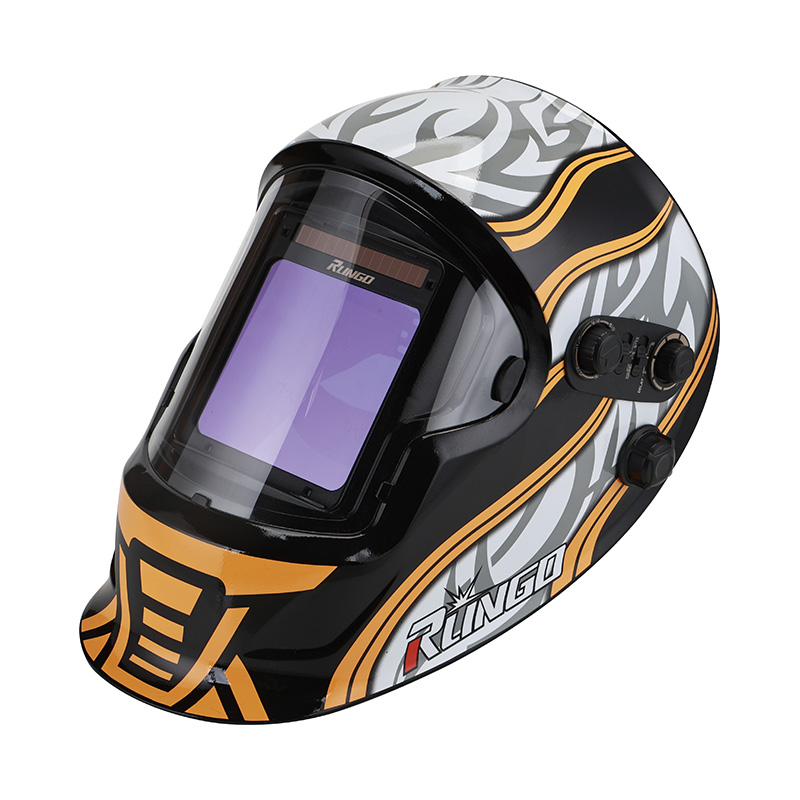
The Auto Lens Welding Helmet plays a crucial role in protecting a welder’s eyes while still allowing clear visibility of the welding arc and workpiece. Optical clarity is not only about seeing clearly but also about reducing eye strain, improving accuracy, and maintaining consistent weld quality. A helmet with poor visual performance can cause fatigue, misalignment, and long-term discomfort.
Multi-Layer Lens Construction
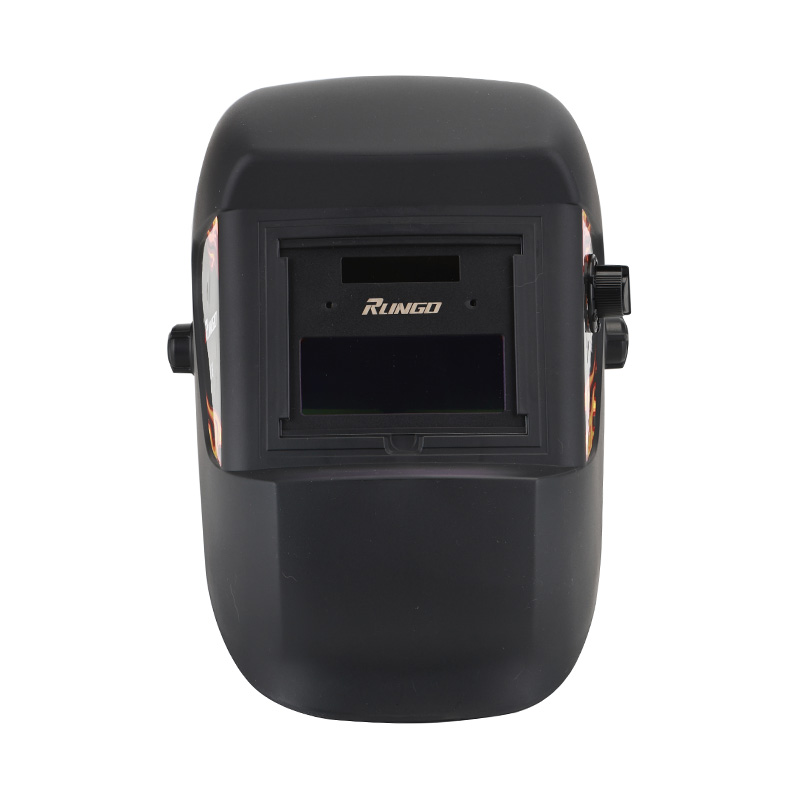
One of the primary ways optical clarity is achieved is through advanced multi-layer lens construction. Most modern helmets use a combination of protective filters, polarizing layers, and liquid crystal displays. Even when the lens appears light, ultraviolet and infrared radiation are permanently blocked by protective layers. The liquid crystal layer adjusts transparency when an arc is detected, while polarizing films help control glare. This layered structure ensures that the image remains sharp and evenly shaded, preventing distortion during welding.
High Optical Rating Standards
Optical clarity is often measured and verified through standardized optical ratings. These ratings evaluate factors such as light diffusion, variation in light transmission, and angular dependence. A helmet designed to meet high optical standards ensures that the welder sees a consistent image across the entire viewing area. This uniform clarity helps maintain accurate control of the weld pool, especially during precision tasks where even slight visual distortion can affect results.
True Color and Color Balance Technology
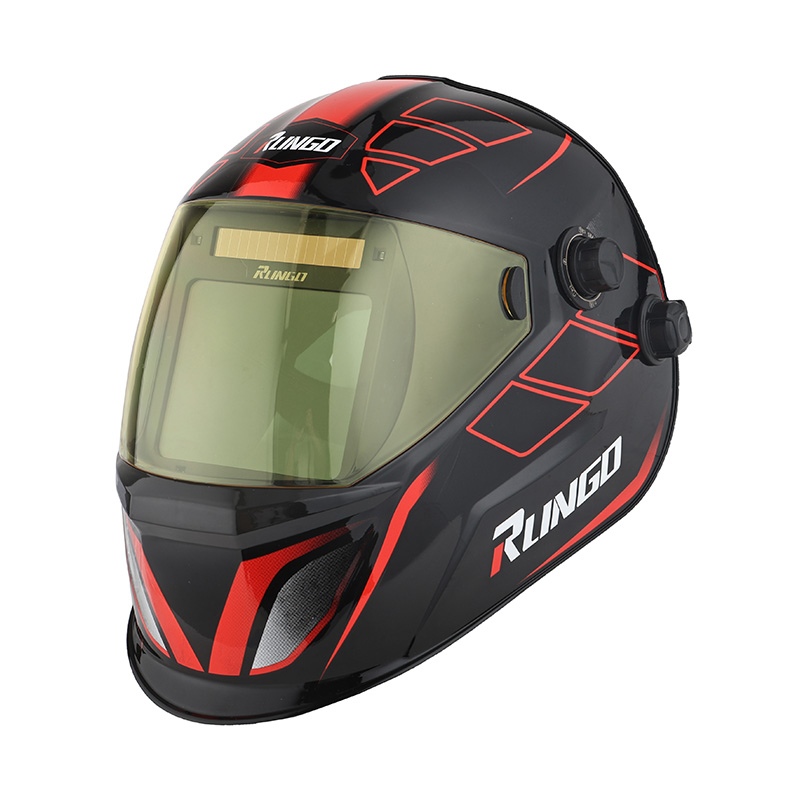
Many helmets improve clarity through color correction technologies often referred to as true color or natural color lenses. Traditional welding lenses tend to produce a green-tinted view, which can obscure details in the weld area. Modern auto lenses balance the color spectrum to present a more realistic view of the workpiece. This enhanced color accuracy allows welders to better distinguish joint lines, puddle edges, and surface textures, improving both comfort and precision during extended use.
Lens Surface Protection and Maintenance
Optical clarity also depends heavily on surface condition. Scratches, spatter buildup, and dust can significantly reduce visibility. High-quality helmets include replaceable outer and inner protective lenses that shield the main auto-darkening filter from damage. Regular inspection and timely replacement of these covers ensure that the viewing area remains clear. Proper cleaning with soft, non-abrasive materials helps maintain transparency and prevents permanent damage to the lens surface.
Anti-Fog and Light Diffusion Control
Fogging and internal condensation can quickly reduce visibility during welding, particularly in humid or temperature-variable environments. To address this, some helmets incorporate anti-fog coatings or improved ventilation designs. These features help regulate airflow and reduce moisture buildup inside the helmet. Controlling internal reflections and light diffusion also plays a role in maintaining clarity, ensuring that bright arc light does not scatter and obscure the weld pool.
Long-Term Performance and User Adjustment
Consistent optical clarity is also supported by adjustable settings that allow users to tailor the helmet to specific welding tasks. Sensitivity, delay time, and shade range adjustments help the lens respond accurately to different arc intensities. A well-calibrated Auto Lens Welding Helmet maintains stable performance across various welding methods, including low-amperage applications where visibility is especially critical. Proper adjustment ensures that clarity is preserved without unnecessary darkening or flicker.
Clear Vision for Better Welding Results
Maintaining optical clarity in a welding helmet is the result of thoughtful design, high-quality materials, and proper maintenance. Through multi-layer lens construction, color balance technology, protective surfaces, and user-adjustable settings, modern helmets provide a clear and comfortable viewing experience. A reliable Auto Lens Welding Helmet supports better weld accuracy, reduces eye fatigue, and enhances overall safety. By understanding how optical clarity is preserved, welders can make informed choices and maintain their equipment for long-term performance and visual comfort.


 English
 中文简体
中文简体 русский
 Español
 Inquiry