Introduction to Welding Helmet Safety
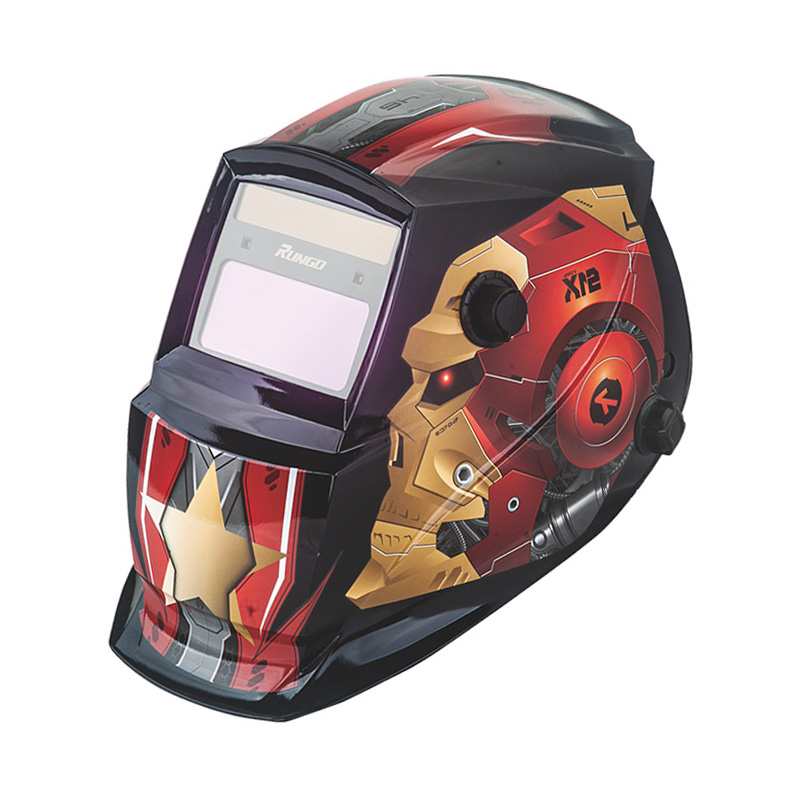
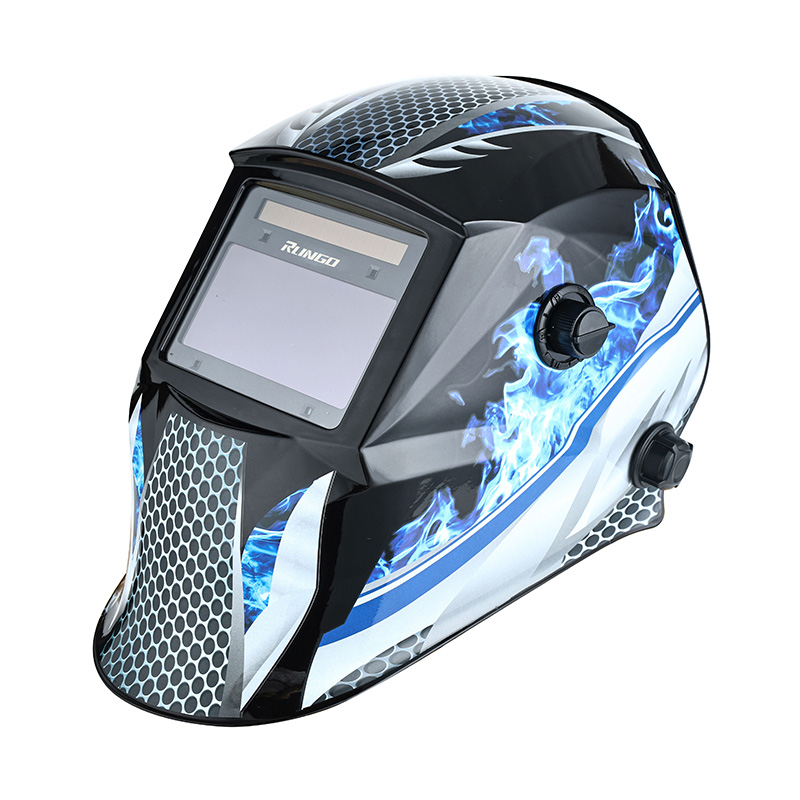
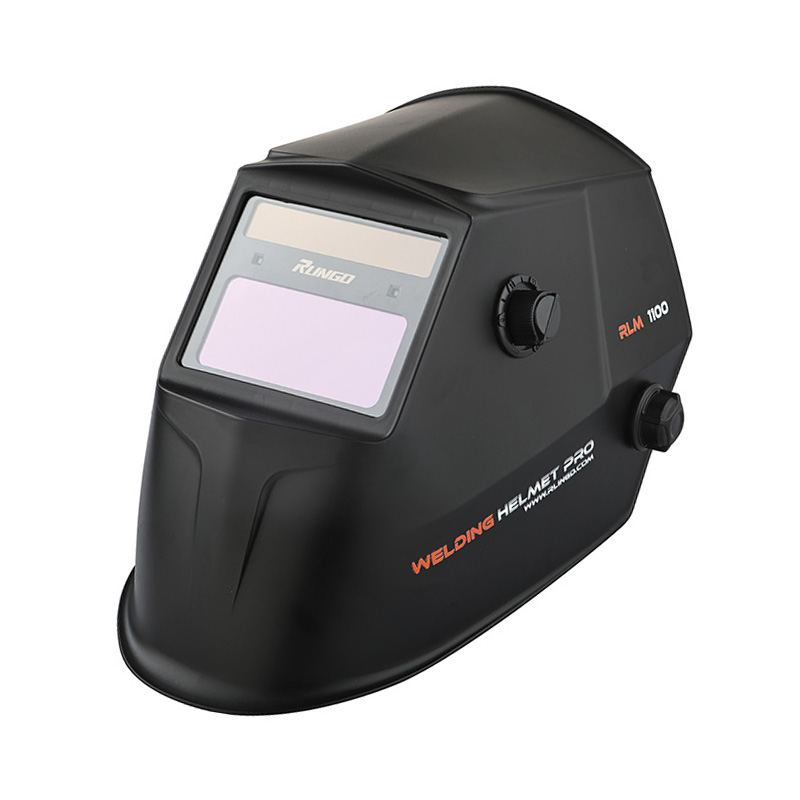
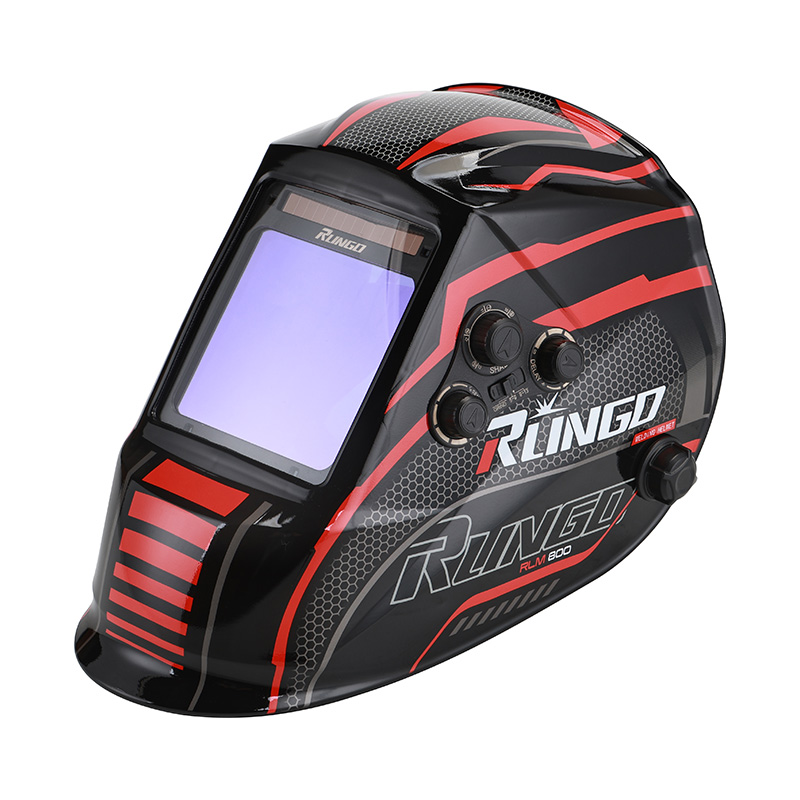
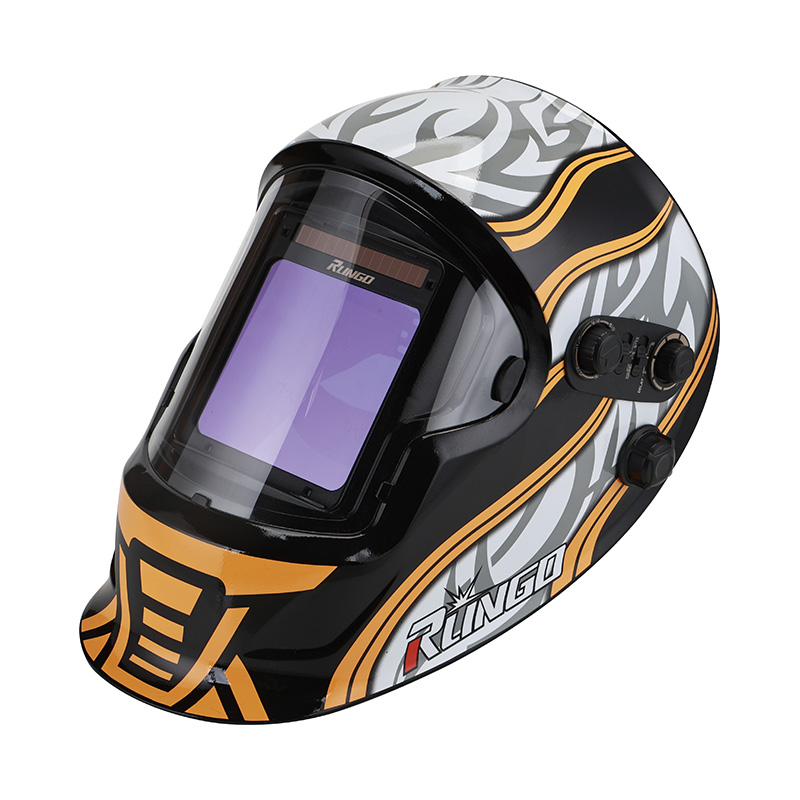
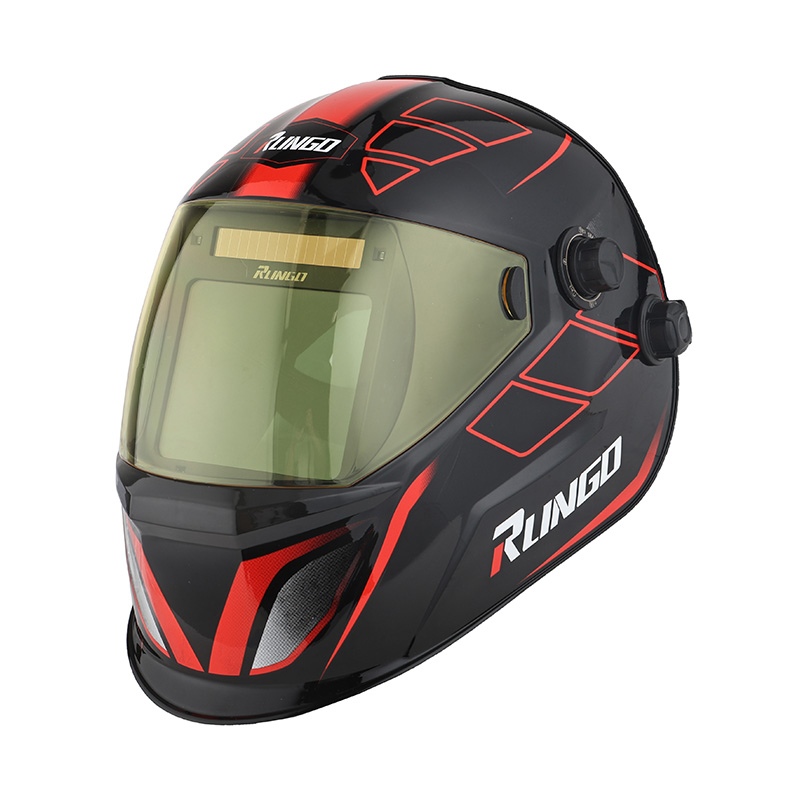
An Auto Adjusting Welding Helmet is designed to protect a welder’s eyes and face by automatically adapting lens shade and sensitivity to changing arc conditions. These helmets have become standard in many workshops due to their convenience, responsiveness, and visual protection. However, as welding environments grow more complex, many professionals compare this type of helmet with models that include integrated respiratory protection systems. Evaluating how these two options differ in overall safety helps welders select equipment that matches their exposure risks and working conditions.
Eye and Face Protection Performance
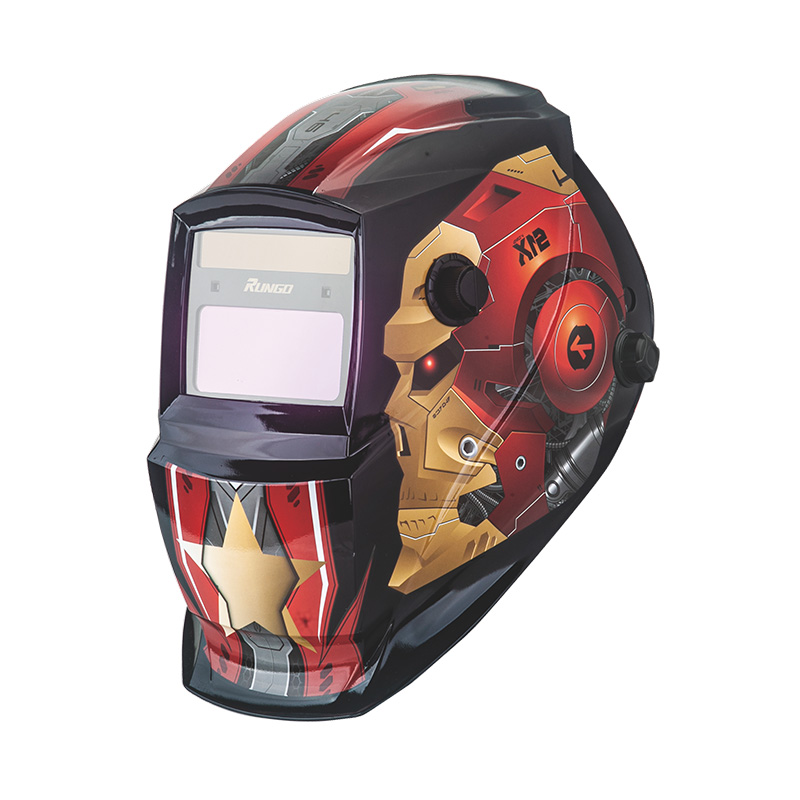
At the core of welding helmet safety is protection from intense light, ultraviolet radiation, infrared rays, and flying sparks. Auto-adjusting helmets excel in this area by reacting instantly to arc ignition and maintaining consistent optical protection throughout the welding process. Their lenses remain clear when no arc is present and darken in milliseconds once welding begins, reducing eye strain and improving accuracy. Helmets with respiratory systems use similar lens technology, meaning eye and face protection is generally comparable between the two options. From a visual safety perspective, both designs meet high protective standards when properly certified and maintained.
Respiratory Hazard Considerations
The main difference in safety becomes apparent when considering airborne hazards. Welding produces fumes, gases, and fine particulates that can be harmful when inhaled over time. An Auto-Adjusting Welding Helmet without respiratory protection relies on external ventilation or personal protective equipment such as masks or local exhaust systems. In contrast, helmets with built-in respiratory protection actively filter air or supply clean air to the welder’s breathing zone. This added layer of defense significantly reduces exposure to hazardous substances, making respirator-equipped helmets safer in environments with poor ventilation or high fume concentration.
Comfort, Fit, and Fatigue Impact
Safety is closely tied to comfort and usability. Auto-adjusting helmets are generally lighter and less bulky, which can reduce neck strain and fatigue during long welding sessions. Their simplicity encourages consistent use, which is a key safety factor. Respiratory helmets, while offering good protection against fumes, are heavier and more complex. The added weight and airflow systems can increase physical strain if not properly fitted. However, modern designs aim to balance protection with ergonomic comfort, recognizing that discomfort can discourage proper usage and compromise safety.
Application-Specific Safety Needs
Different welding environments demand different safety priorities. For light fabrication, hobby welding, or well-ventilated workshops, an auto-adjusting helmet may provide sufficient protection when combined with basic ventilation. In industrial settings such as shipbuilding, confined spaces, or stainless steel welding, airborne contaminants pose a serious health risk. In these situations, helmets with integrated respiratory protection clearly offer a higher level of overall safety. Choosing the right helmet depends not only on welding type but also on duration, material, and environmental conditions.
Maintenance and Reliability Factors
Another safety consideration is maintenance. Auto-adjusting helmets require periodic lens inspection, battery replacement, and sensor cleaning to ensure reliable operation. Respiratory helmets demand additional maintenance, including filter replacement and airflow checks. While this increases responsibility, it also ensures consistent respiratory protection when properly managed. Neglecting maintenance on either type can reduce safety performance, highlighting the importance of user awareness and regular checks.
Balancing Protection and Practicality
When comparing safety, the Auto-Adjusting Welding Helmet provides good eye and face protection and is suitable for many standard welding tasks. However, helmets with integrated respiratory systems offer broader protection by addressing both visual and inhalation hazards. The safest option depends on the welding environment, exposure risks, and user comfort. Understanding these differences allows welders to make informed decisions that protect both immediate safety and long-term health, ensuring effective protection without compromising usability or performance.


 English
 中文简体
中文简体 русский
 Español
 Inquiry