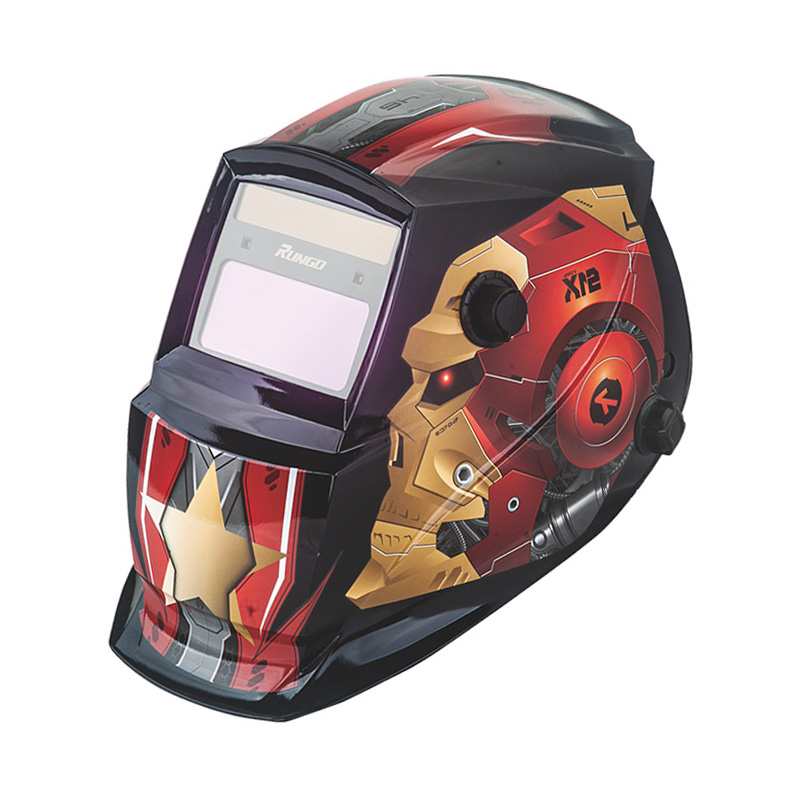
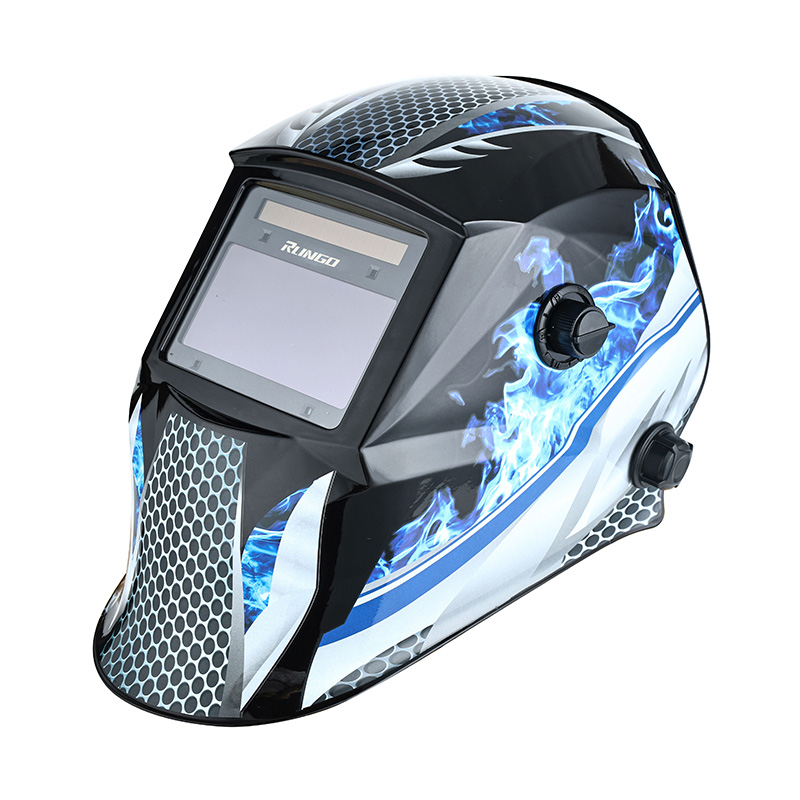
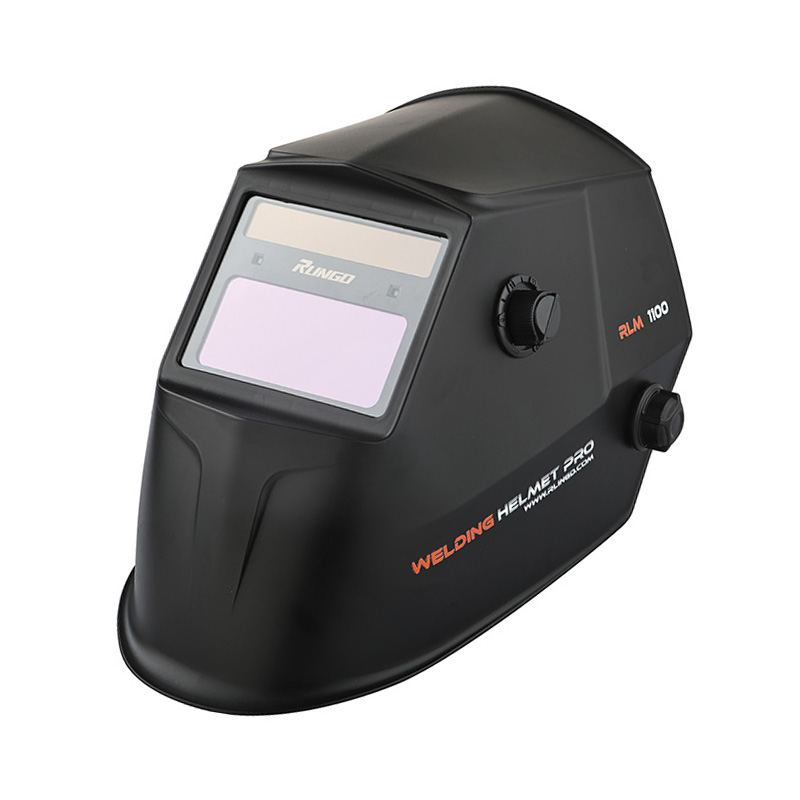
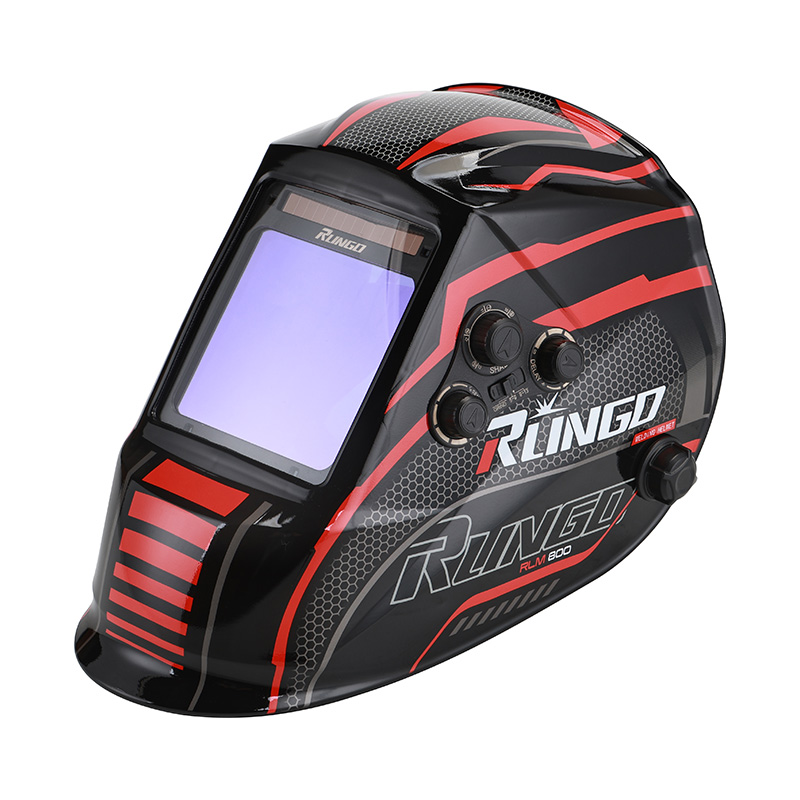
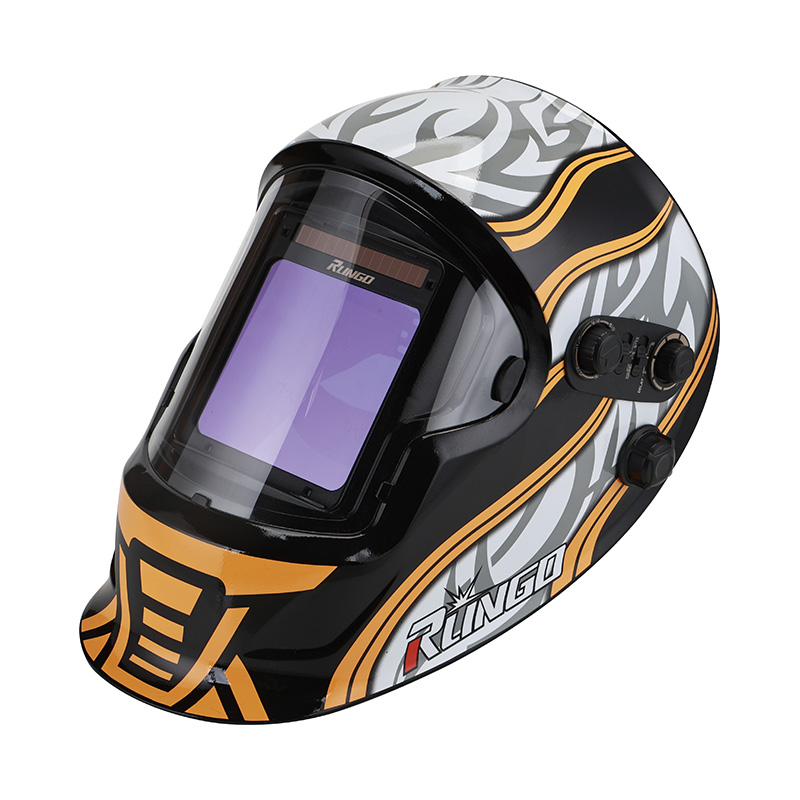
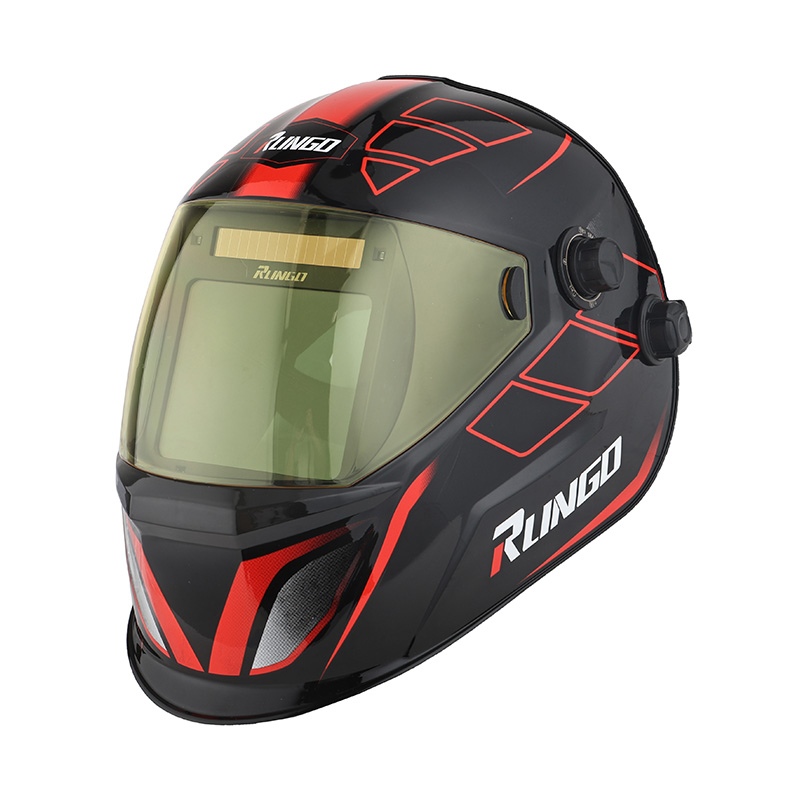
Full Face Auto Darkening Welding Helmets are critical for protecting welders from sparks, ultraviolet (UV) light, infrared (IR) radiation, and intense brightness during welding operations.
Choosing the right helmet can directly impact safety, efficiency, and comfort.
The Full Face Auto Darkening Welding Helmet has become increasingly popular, but traditional fixed-shade helmets are still widely used. Understanding the key differences helps welders make informed decisions.
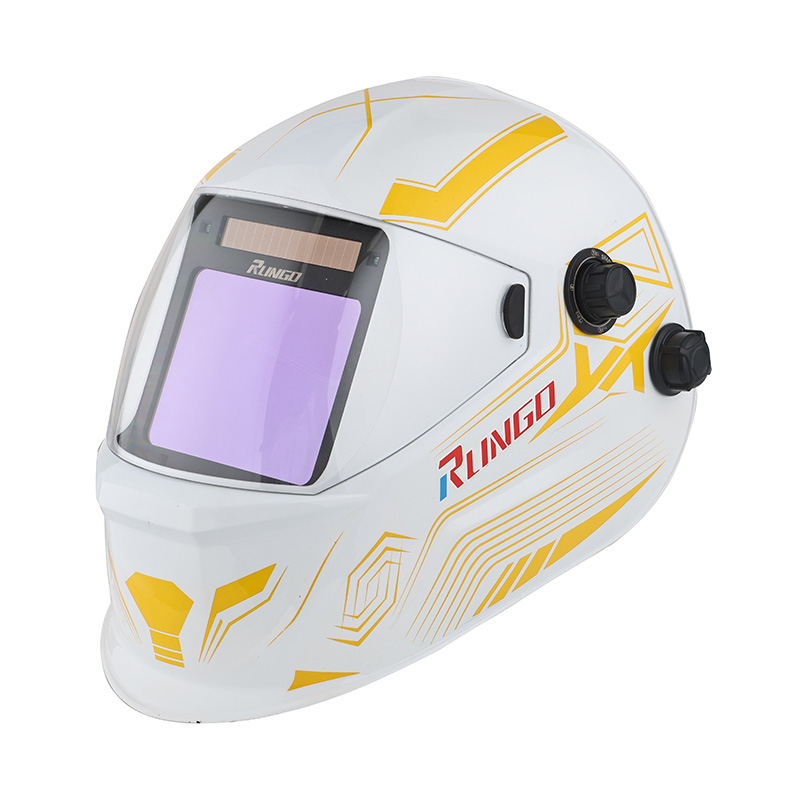
Lens Technology and Mechanism
Full Face Auto Darkening Welding Helmet:
- Equipped with electronic sensors that detect the welding arc.
- The lens automatically darkens within milliseconds to protect the eyes.
- Allows welders to see clearly when not welding, improving setup accuracy.
Traditional Welding Helmet:
- Uses a fixed-shade lens that does not adjust to changes in light intensity.
- Welders must flip the helmet up or down manually before and after welding.
- Less flexible for multi-step or repetitive welding tasks.
Visibility and Work Efficiency
Auto Darkening Helmets:
- Provide a lighter lens state when idle, giving welders a clear view of the workpiece.
- Reduce interruptions caused by lifting and lowering the helmet repeatedly.
- Enhance precision in alignment and welding small components.
Conventional Helmets:
- Dark lenses reduce visibility when positioning workpieces.
- Constantly flipping the helmet can slow down workflow and cause errors.
- May require additional protective eyewear when the helmet is up.
Eye and Face Protection
- Full Face Auto Darkening Welding Helmet:
Protects eyes from harmful UV and IR rays even when the lens is in light mode.
Adjustable delay and sensitivity settings allow customization for different welding processes, such as MIG, TIG, or Stick welding.
Only provide protection when the helmet is fully lowered.
No customization options for lens darkness or reaction speed.
May expose eyes during helmet flipping, posing a minor safety risk.
Comfort and Ergonomics
Auto Darkening Helmets:
- Reduce neck and shoulder strain since welders don’t need to flip the helmet constantly.
- Lightweight models improve comfort during long welding sessions.
- Some designs include padded headgear and balanced weight distribution for additional ease.
Traditional Helmets:
- Heavier models can cause fatigue over time.
- Repeated manual helmet movement adds to physical strain.
- Limited adjustment options may not fit all head sizes comfortably.
Productivity and Workflow
Auto Darkening Helmets:
- Increase efficiency in repetitive welding tasks by eliminating helmet repositioning.
- Ideal for assembly lines, fabrication shops, and professional welding environments.
- Faster transitions between welds reduce overall job time.
Traditional Helmets:
- Slower workflow due to manual helmet management.
- Less suitable for high-frequency welding or tasks requiring precise timing.
- May increase rework if positioning is inaccurate due to limited visibility.
Durability and Maintenance Considerations
Auto Darkening Helmets:
- Require batteries or solar-powered systems for operation, making regular maintenance important.
- Lenses and electronics can be sensitive to impacts or extreme conditions.
- Replacement lenses and parts may be more costly than standard helmets.
Traditional Helmets:
- Mechanically simple and extremely durable.
- Low maintenance requirements with fewer components that can fail.
- Cost-effective option for heavy-duty or rough working environments.
Cost and Investment Value
Auto Darkening Helmets:
- Higher upfront cost due to advanced technology.
- Offer long-term value by improving safety, efficiency, and comfort.
Traditional Helmets:
- More affordable and suitable for beginners or occasional users.
- May result in slower performance and higher physical fatigue, potentially increasing long-term costs.
Conclusion
Selecting between a Full Face Auto Darkening Welding Helmet and a traditional welding helmet depends on the welder’s needs, frequency of use, and working environment.
Auto-darkening helmets excel in visibility, comfort, and productivity, making them ideal for professional or frequent welding tasks.
Traditional helmets remain a reliable and durable option for infrequent welding or high-impact conditions.
Understanding these differences ensures welders can protect their eyes effectively while maintaining a suitable workflow and safety.


 English
 中文简体
中文简体 русский
 Español
 Inquiry