Viewing Area in Welding Helmets
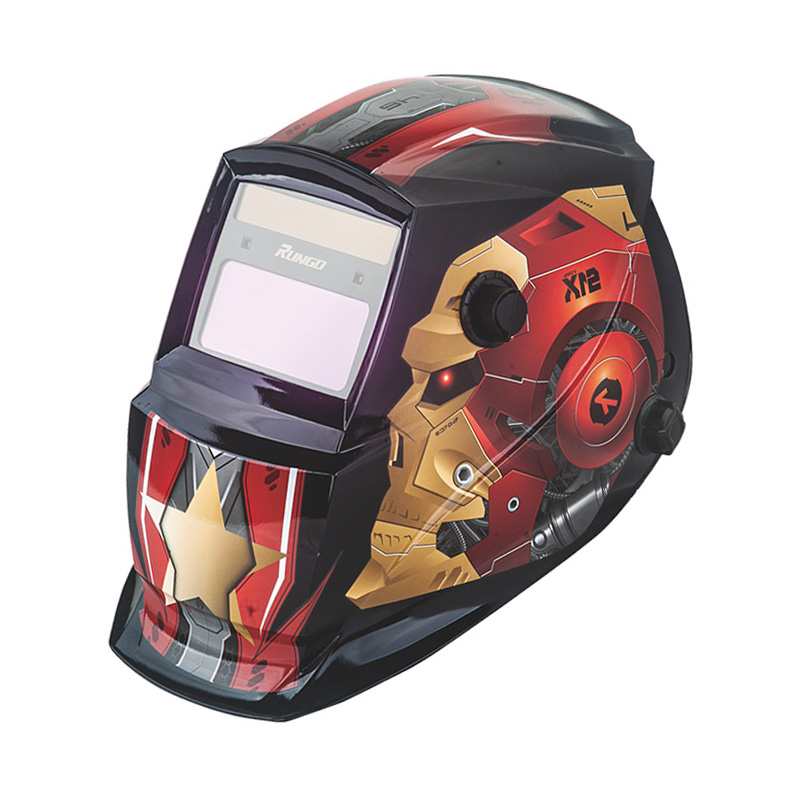
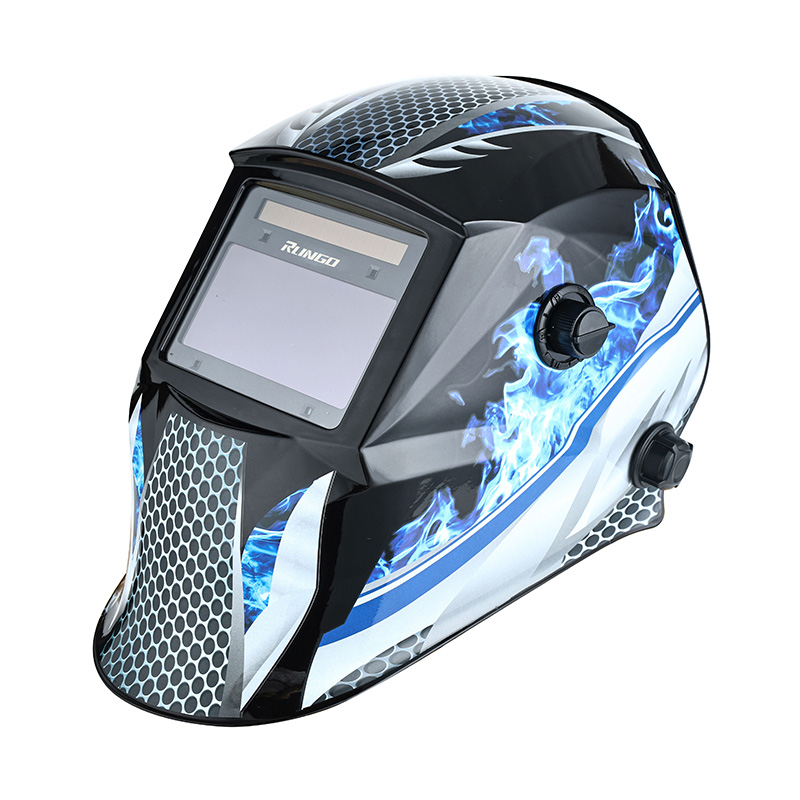
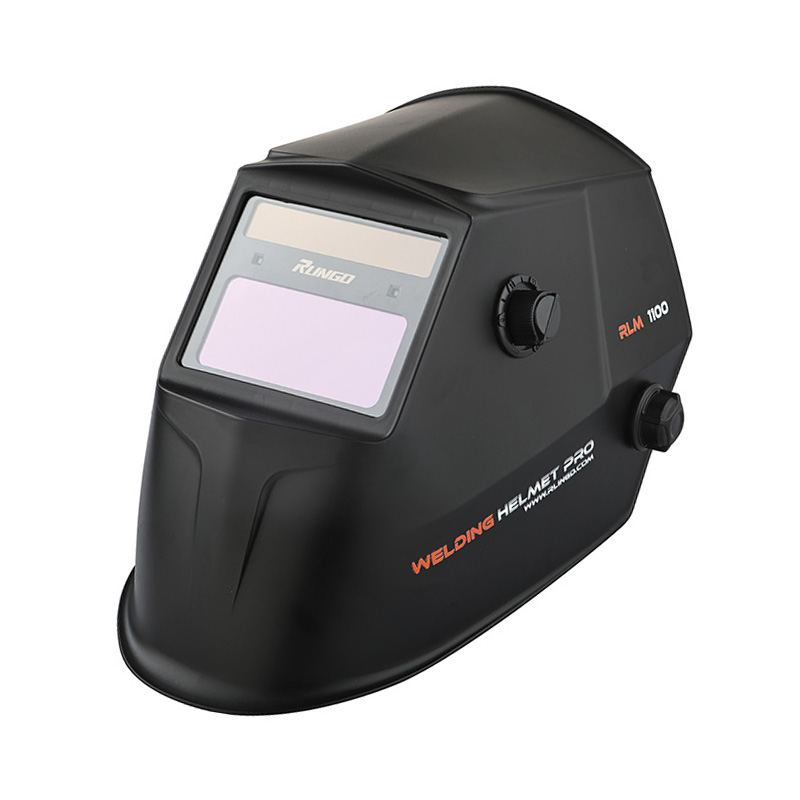
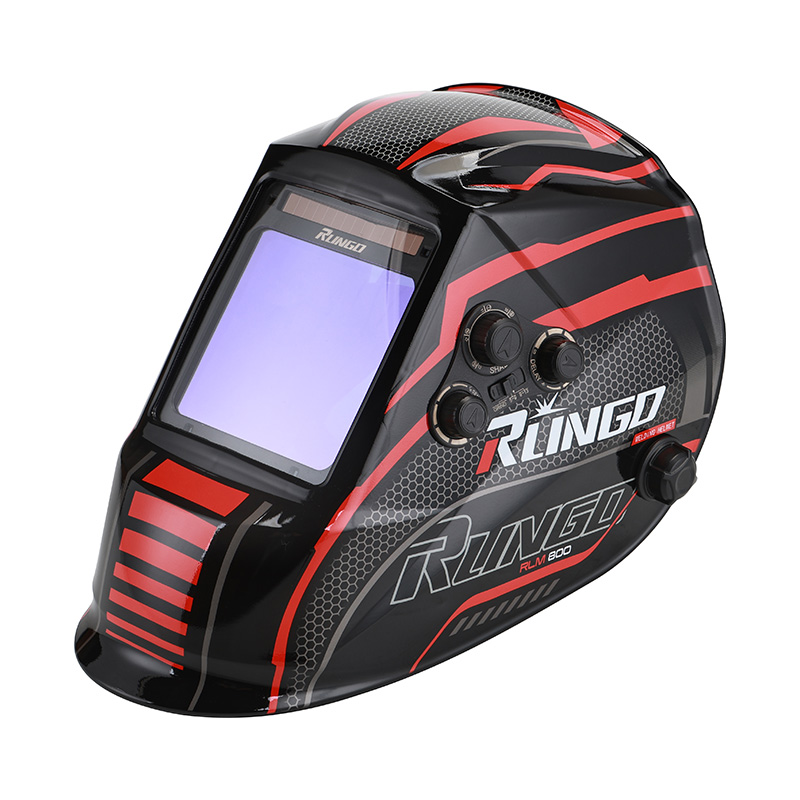
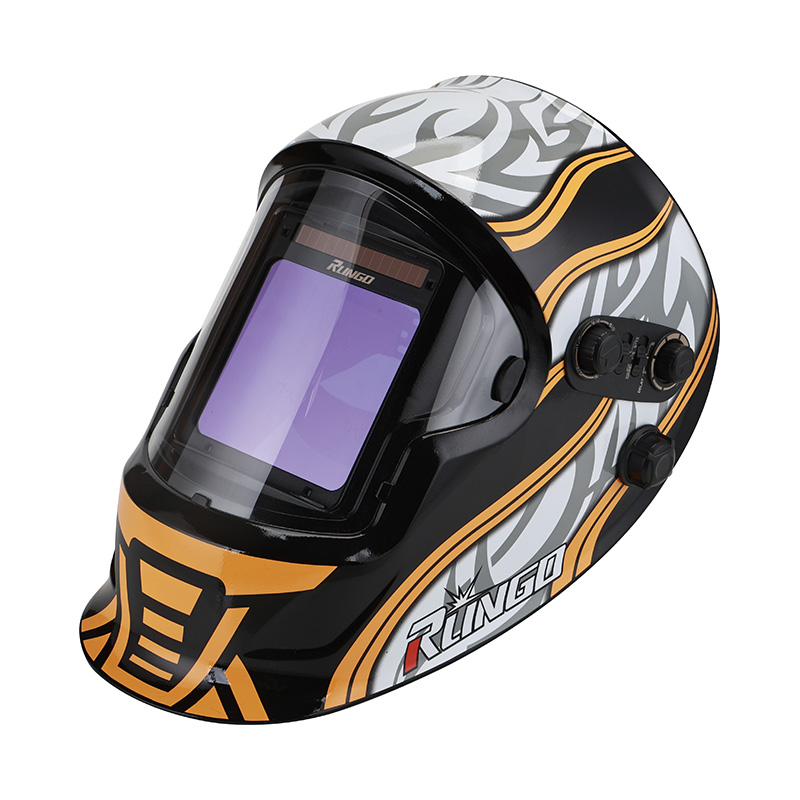
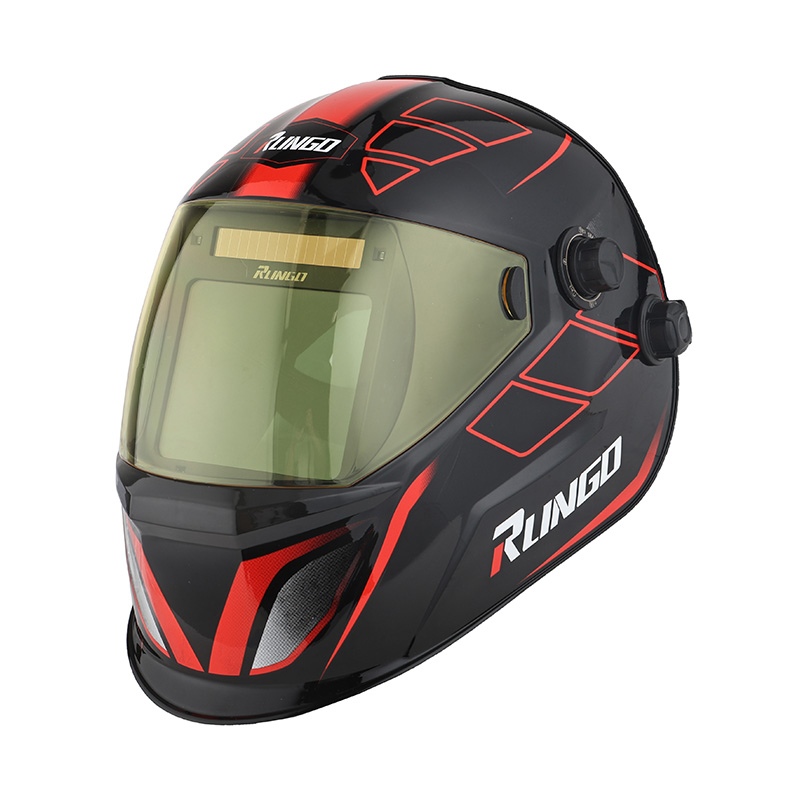
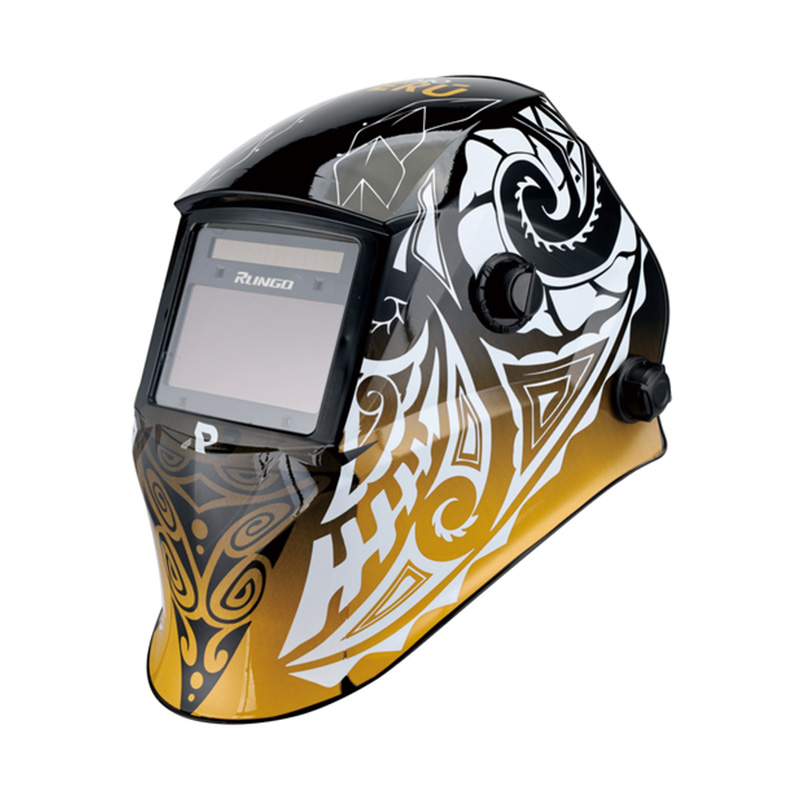
The viewing area of an Auto Flash Welding Helmet is one of the important factors affecting welding accuracy, comfort, and overall efficiency. The viewing area refers to the visible window size through which the welder observes the arc, weld pool, and surrounding workpiece. While many users initially focus on shade level or auto-darkening speed, the size of the viewing area directly influences how easily a welder can maintain focus and control throughout the welding process. Understanding this relationship helps welders choose equipment that improves both performance and safety.
Improved Visibility and Weld Pool Control
A larger viewing area provides a wider and clearer perspective of the weld pool and joint line. This expanded field of vision allows welders to better track bead placement, penetration depth, and arc stability without frequently adjusting head position. When visibility is limited, welders may struggle to maintain consistent movement, which can cause uneven welds or defects. A generous viewing area supports smoother hand-eye coordination, resulting in higher-quality weld seams and improved consistency, especially during long or complex welding tasks.
Reduced Head and Neck Movement
Viewing area size also affects physical comfort during welding. Smaller windows often require welders to tilt or reposition their head to maintain a clear view of the workpiece. Over time, this repetitive movement can cause neck strain and fatigue, particularly during extended welding sessions. A wider viewing area reduces the need for constant adjustment, allowing the welder to maintain a more natural posture. Reduced physical strain not only improves comfort but also enhances concentration and productivity.
Enhanced Peripheral Awareness
Peripheral vision plays a crucial role in maintaining situational awareness in the welding environment. A larger viewing area enables welders to see more of the surrounding workspace, including joint alignment, edges, and nearby obstacles. This broader awareness is especially valuable in industrial settings where multiple welds or components must be monitored simultaneously. By improving spatial awareness, a larger viewing area helps prevent mistakes and reduces the risk of accidental contact with hot surfaces or equipment.
Performance in Complex Welding Positions
In challenging welding positions such as overhead, vertical, or confined-space welding, viewing area size becomes even more critical. Limited visibility can make it difficult to maintain proper angles and travel speed. A helmet with an adequately sized viewing area allows welders to adapt more easily to awkward positions, ensuring better control of the arc and improved weld quality. For tasks that require precision and flexibility, the viewing area can significantly influence the outcome of the work.
Balancing Viewing Area and Optical Quality
While a large viewing area offers many advantages, optical clarity and lens quality must not be overlooked. A well-designed Auto Flash Welding Helmet combines a spacious viewing window with high optical ratings to ensure distortion-free and accurate color representation. Poor optical quality can negate the benefits of a large viewing area by causing eye strain or misjudgment of the weld pool. Therefore, the effectiveness of the viewing area depends on both size and lens performance working together.
Choosing the Right Viewing Area
The viewing area of a welding helmet has a direct and measurable impact on welding effectiveness. A larger viewing area enhances visibility, reduces physical strain, improves peripheral awareness, and supports better performance in demanding welding conditions. While personal preference and job requirements may vary, welders who prioritize both comfort and precision often benefit from helmets designed with wider viewing windows. By carefully evaluating viewing area size alongside optical quality and helmet features, users can select equipment that supports consistent, safe, and high-quality welding results.


 English
 中文简体
中文简体 русский
 Español
 Inquiry