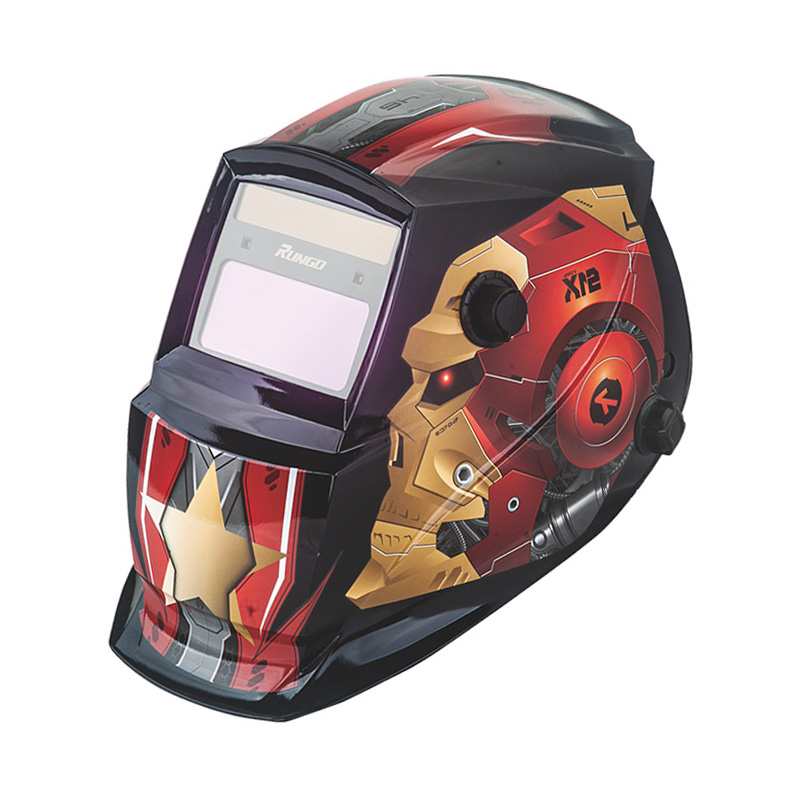
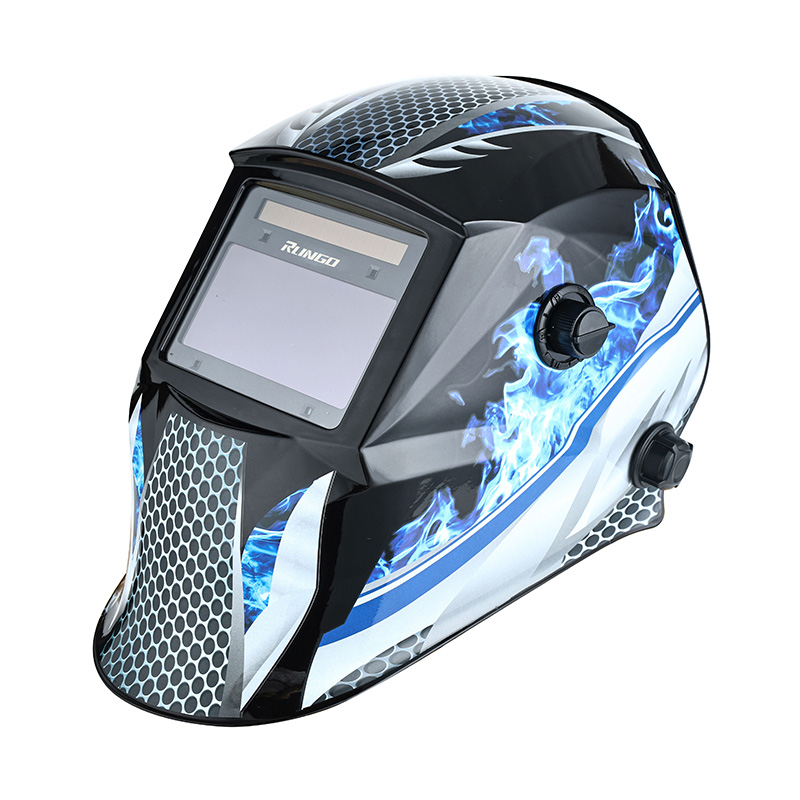
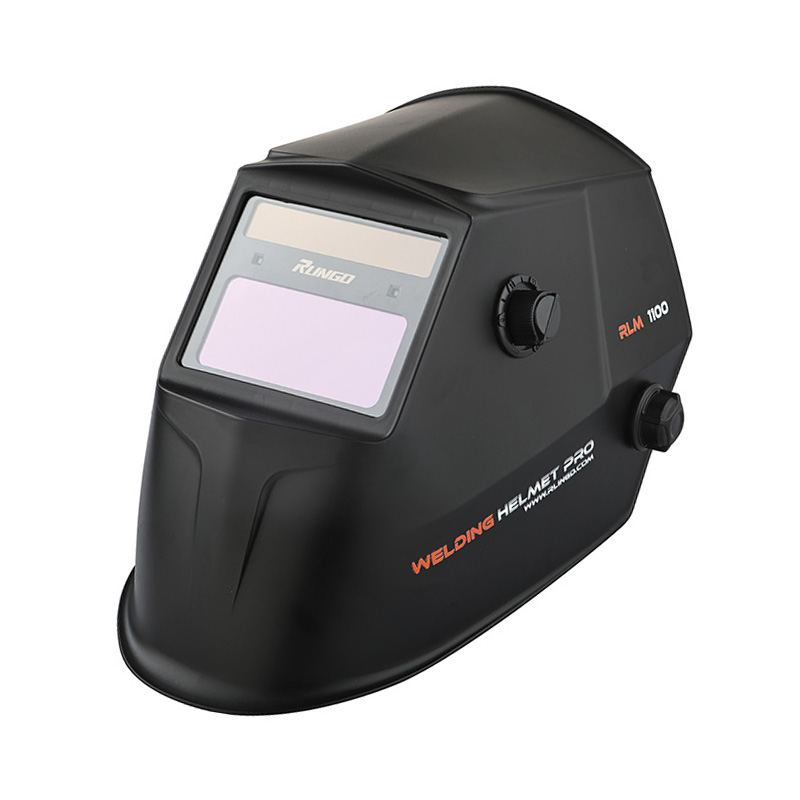
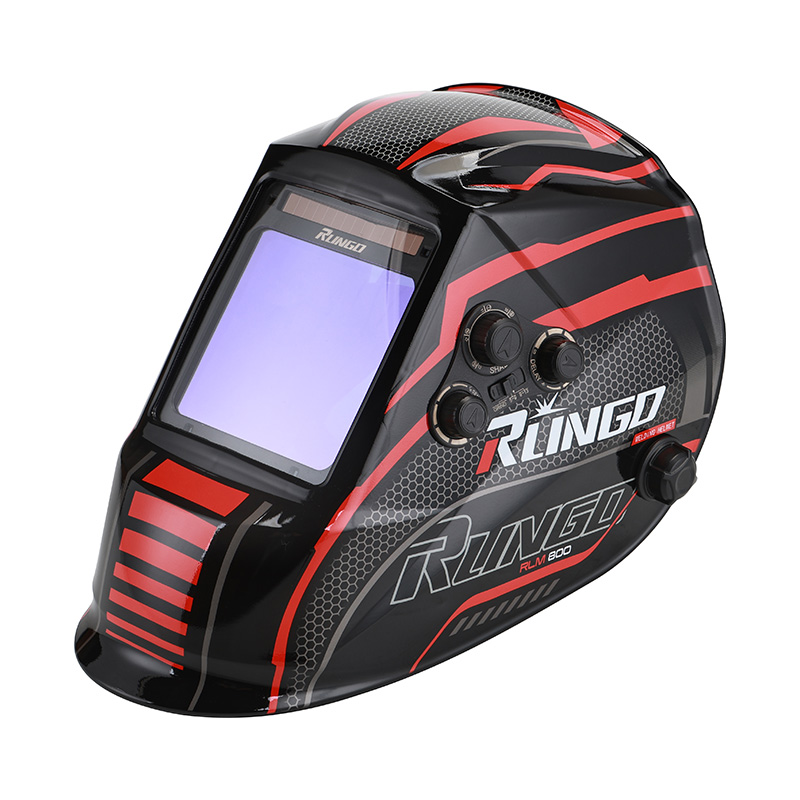
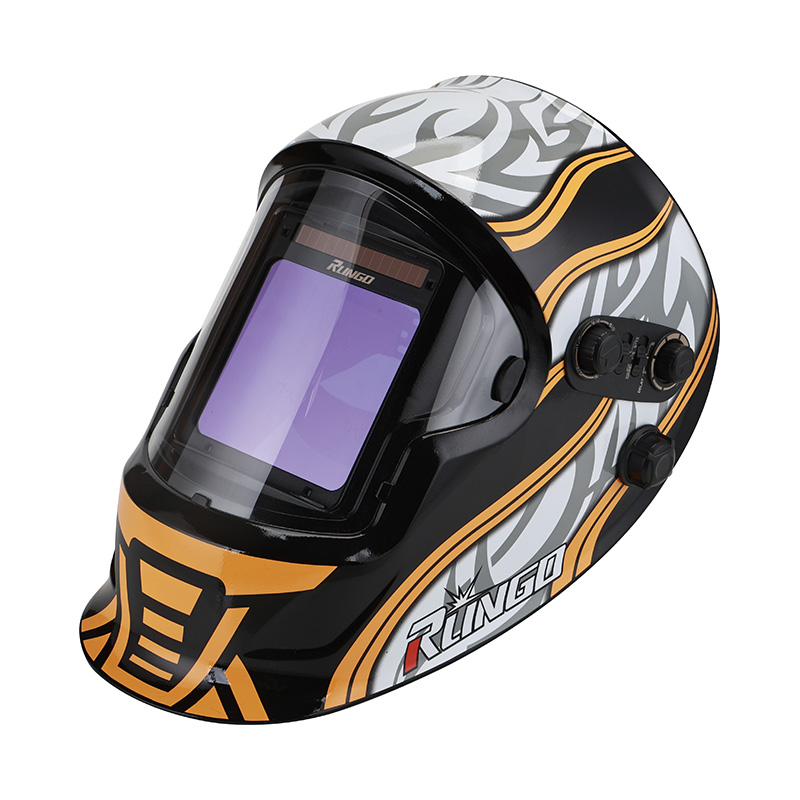
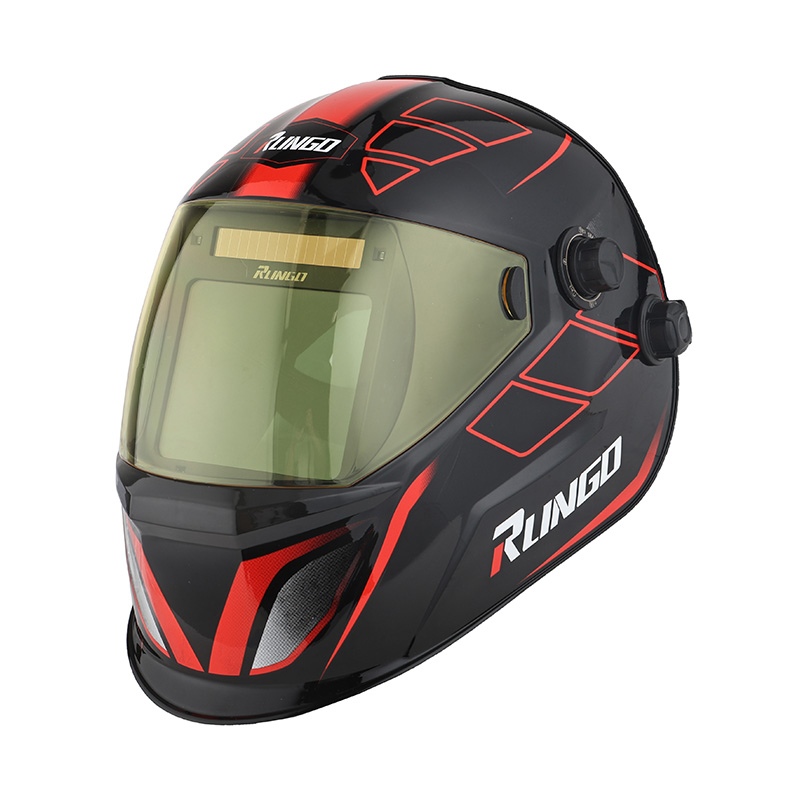
An Auto Change Welding Helmet is one of those tools that quietly becomes part of daily working rhythm. It sits on the head for long hours, reacts in fractions of a second, and protects the eyes from sudden brightness that the human eye cannot comfortably handle.
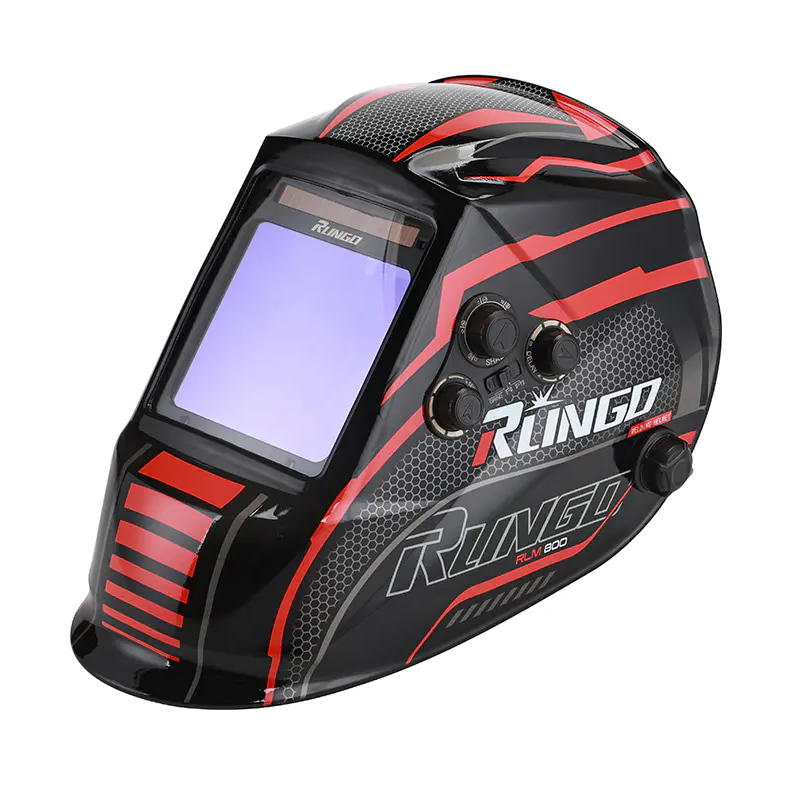
Even though it feels like a rugged piece of equipment, it still depends on regular care. Not complicated maintenance, not technical servicing, but small habits that keep it functioning the way it should.
When maintenance is ignored, the change is usually not sudden. It is gradual. A little delay in reaction. A slightly cloudy view. A strap that feels looser than before. These small shifts add up during work.
Why does maintenance matter more than people expect?
A welding helmet is not just a protective shell. It is a visual filter. Every task depends on how clearly the worker can see the welding area.
When dust gathers on sensors, or when the lens starts to dull, the helmet does not stop working completely. Instead, it starts reacting a bit slower or less smoothly. That delay is enough to affect focus.
In real working environments, conditions are rarely clean. Metal dust, sparks, smoke, and repeated handling all leave traces on the helmet.
Regular maintenance helps keep things stable:
- Clear and consistent visibility
- Smooth automatic light response
- Comfortable long-term wearing experience
- Reduced strain during repeated use
Nothing complex. Just consistency.
How should the outer shell be maintained in real use?
The outer shell takes most of the external impact. It is exposed to sparks, heat particles, and dust from grinding or cutting work nearby.
Over time, a thin layer of residue may build up on the surface. It does not always look serious, but it can slowly affect the material finish.
Most workers handle this in a simple way. After work, a quick wipe is usually enough. A soft cloth removes most dust without scratching the surface.
In heavier working conditions, cleaning may need a bit more attention, but strong chemicals are rarely necessary. In fact, aggressive cleaning products can do more harm than good.
A practical routine usually looks like this:
- Wipe surface dust after finishing work
- Remove visible residue before storage
- Keep away from oily or corrosive contact
- Avoid rough cleaning tools
It is less about deep cleaning and more about preventing buildup.
What about the lens area, which affects visibility most?
The lens is where everything matters most. It is the direct connection between the worker's eyes and the welding zone.
During work, small sparks or airborne particles may land on the lens surface. At first, it may not seem important. But over time, these marks can reduce clarity.
A slightly dirty lens does not always block vision completely, but it can create visual fatigue. The eyes work harder to compensate.
Cleaning the lens should always be gentle. Pressure is not needed. Most maintenance is done using a soft cloth or dedicated cleaning material.
Some users also replace outer protective layers when they become cloudy. This helps preserve the inner lens and extends its usable condition.
Common signs that attention is needed:
- Slight haze during viewing
- Small spots that don't wipe off easily
- Uneven brightness perception
- Eye fatigue after short use
None of these appear overnight. They build slowly.
Why do sensors need regular attention?
One of the most important features of an auto change welding helmet is its ability to react instantly to brightness changes. That reaction depends on light-sensitive sensors.
These sensors sit on the outer area of the helmet. They constantly monitor environmental light and adjust the shade automatically.
The issue is that sensors can easily collect dust. In workshop environments, this is almost unavoidable.
When dust blocks part of the sensor surface, the helmet may react slightly slower. Sometimes the change is subtle, sometimes more noticeable.
Maintenance here is simple but important:
- Light cleaning with dry cloth or air blow
- Checking sensor area before each use
- Avoiding obstruction during storage
- Keeping surface free from paint or metal dust
Even a thin layer of dust can affect performance more than expected.
How does headgear condition affect daily comfort?
The headgear is often overlooked because it does not directly affect visibility. But it controls how stable the helmet feels during long working hours.
When straps are too loose or uneven, the helmet shifts slightly during movement. That small movement can affect focus.
Over time, sweat and dust can make adjustment parts feel stiff or less smooth. This is normal in long-term use.
Basic care includes simple habits:
- Wiping straps after heavy use
- Adjusting fit before starting work
- Checking tension regularly
- Ensuring balanced pressure on the head
Comfort is not a luxury here. It directly affects precision work.
How should power or automatic systems be treated?
Auto change welding helmets rely on internal systems that support automatic shading. These systems are sensitive to environmental conditions.
If the helmet is stored in a damp or extremely hot environment, performance may gradually become inconsistent. It does not usually fail immediately, but changes can appear over time.
Before use, a quick function check is often enough to confirm everything is working properly.
Simple habits help maintain stability:
- Store in dry and stable temperature area
- Avoid long exposure to direct heat sources
- Check responsiveness before welding
- Keep contact points clean
It is more about prevention than correction.
What storage habits actually make a difference?
Storage is one of the easiest parts of maintenance, but also one of the most ignored.
A helmet left on a dusty workbench or exposed to sunlight for long hours will age faster, even if it is not used often.
A better approach is to treat storage as part of maintenance, not separate from it.
Practical habits include:
- Keeping helmet in a dry, clean space
- Avoiding heavy objects placed on top
- Covering lens area when not in use
- Preventing contact with oil or chemicals
Many long-term users find that good storage habits reduce most small issues before they even appear.
How can users recognize early signs of wear?
Most helmets do not fail suddenly. Instead, they show small signals first.
These signals are easy to miss if you are not paying attention, but they tend to repeat.
Some common ones include:
- Slight delay in shade switching
- Dust accumulation near sensors
- Reduced clarity in certain lighting
- Headgear feeling less stable
- Small scratches that gradually spread
At this stage, maintenance is usually enough. Replacement is not always necessary.
A practical overview of key maintenance areas
| Component |
What affects it most |
Simple maintenance habit |
| Outer shell |
Dust, sparks, handling marks |
Regular wiping after use |
| Lens |
Spatter, scratches |
Gentle cleaning, protective cover |
| Sensors |
Dust, blockage |
Keep clean and unobstructed |
| Headgear |
Sweat, wear |
Adjust and clean regularly |
| Internal system |
Heat, moisture |
Proper storage and checking |
Each part behaves differently, but none of them require complex care.
Why small habits matter more than deep cleaning?
In welding environments, tools are used repeatedly under stress. That means wear is gradual, not sudden.
Most performance issues do not come from a single failure. They come from small layers of dust, slight misalignment, or gradual loosening over time.
This is why maintenance is less about occasional deep cleaning and more about consistent small actions.
A quick wipe, a short check, or a simple adjustment often does more than a full cleaning session done once in a while.
What does proper maintenance actually achieve?
At the end of the day, maintenance is not about keeping the helmet looking new. It is about keeping its behavior predictable.
When the lens stays clear, sensors respond without delay, and the fit remains stable, the helmet becomes part of the workflow instead of an obstacle.
Work feels smoother. Visual strain is reduced. Focus stays on the welding task instead of the equipment.
That is what good maintenance quietly delivers—consistency, not complexity.


 English
 中文简体
中文简体 русский
 Español
 Inquiry