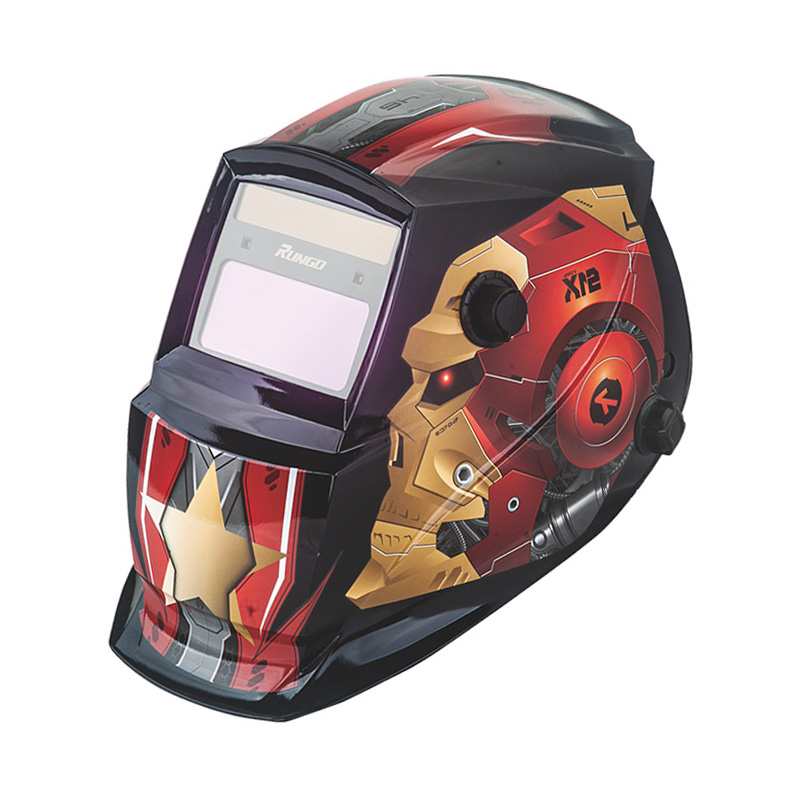
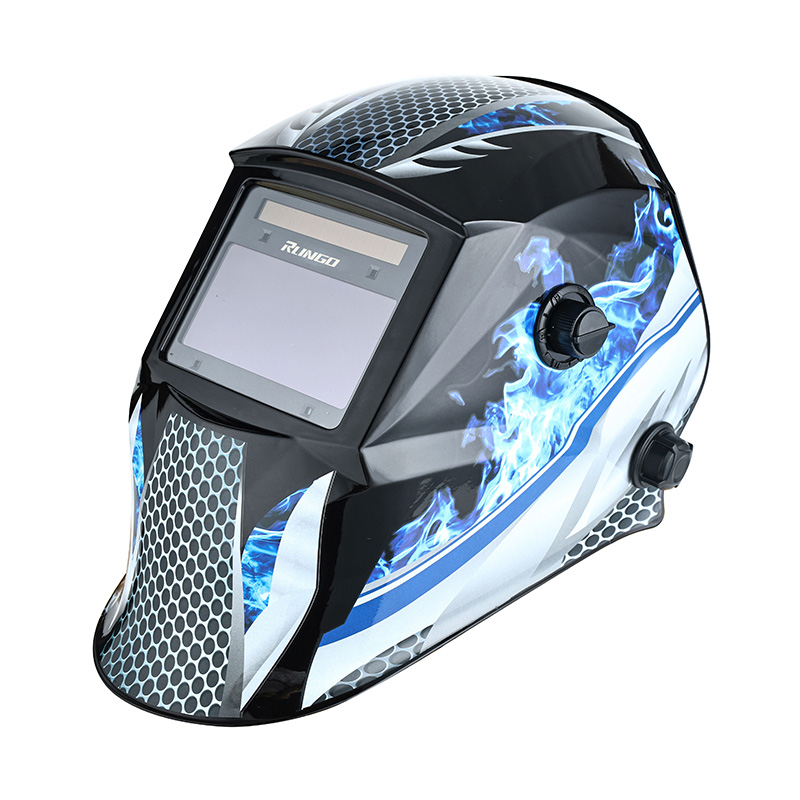
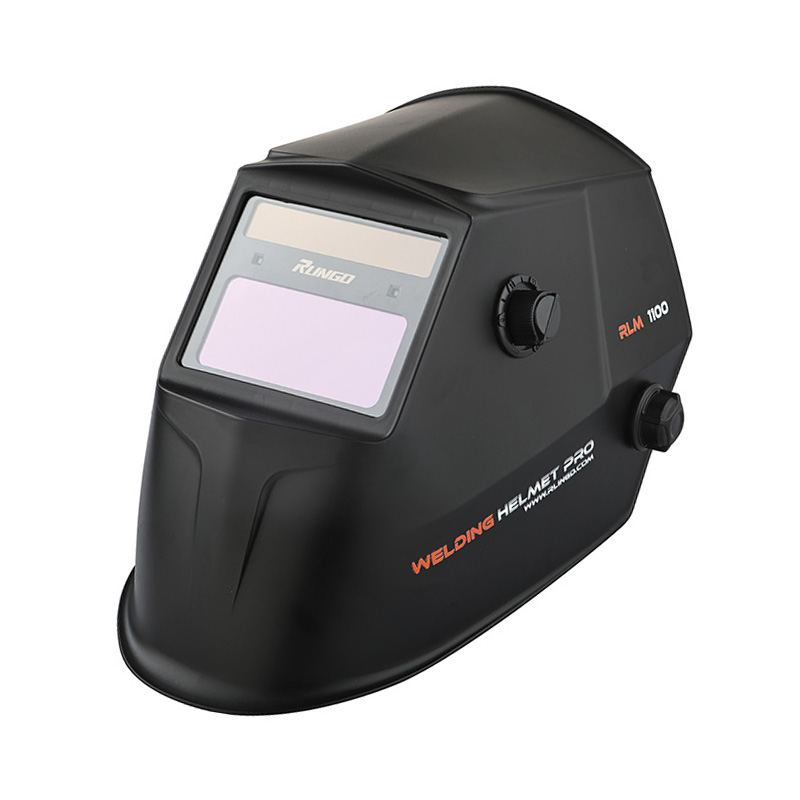
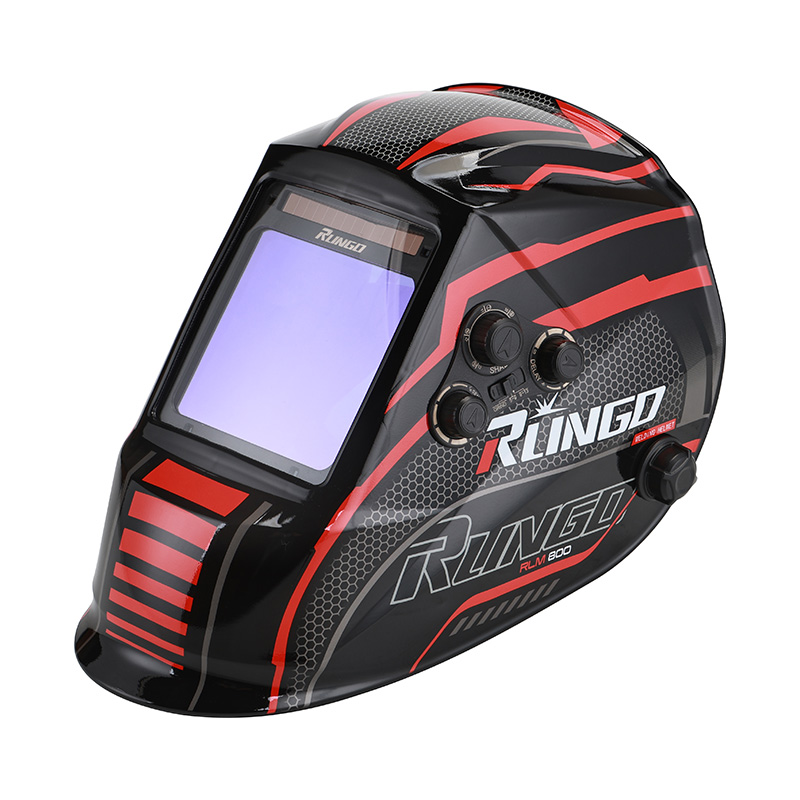
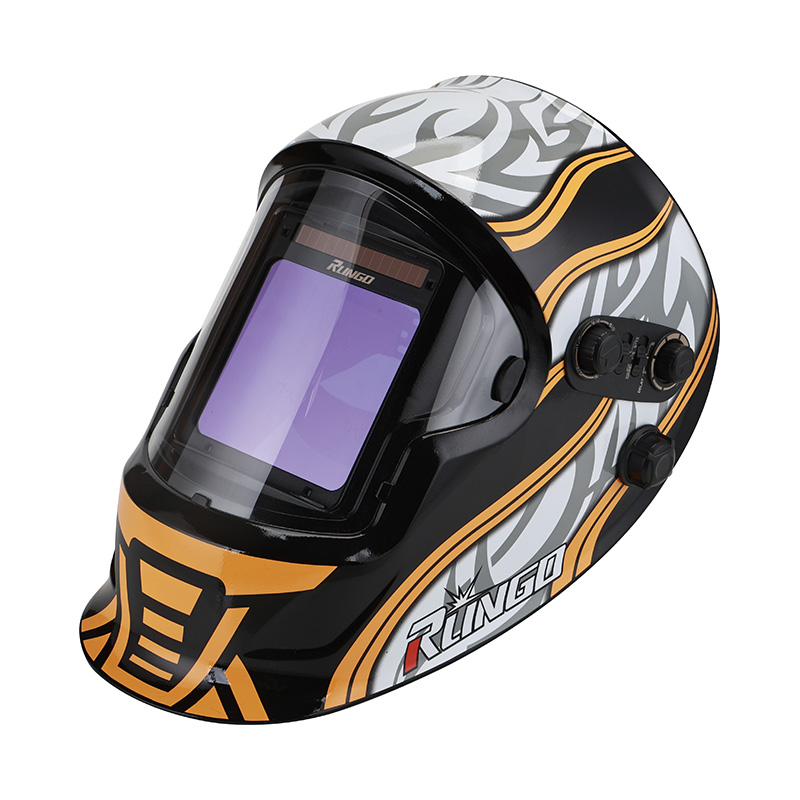
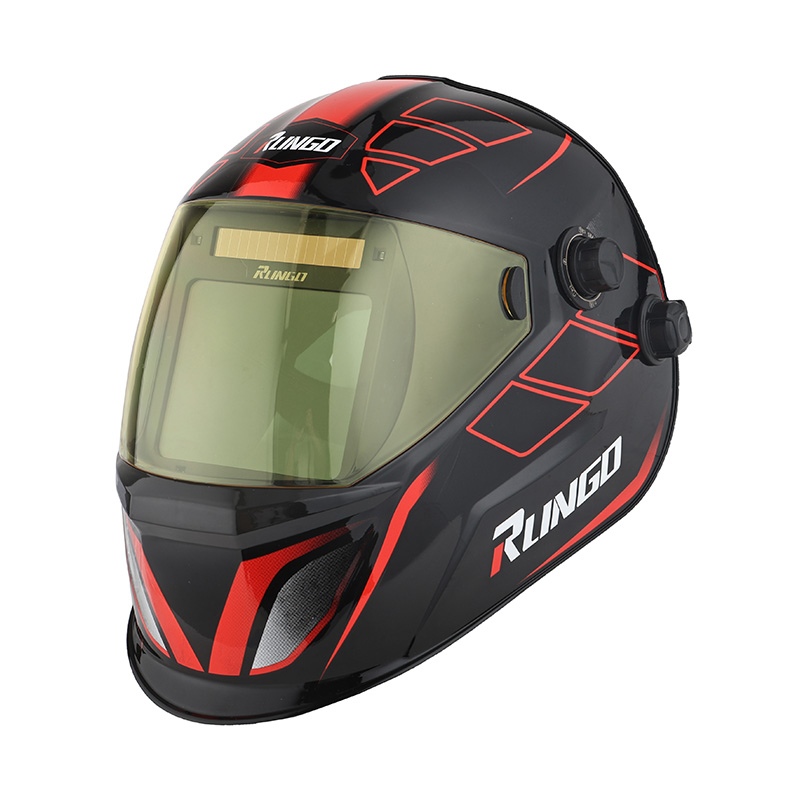
In many workshops, the welding helmet has changed from a simple shield into a more responsive piece of equipment. The adjustable auto darkening welding helmet reflects this shift. It is no longer just about covering the face. It is about how people work, how they move, and how they feel during long hours on the job.
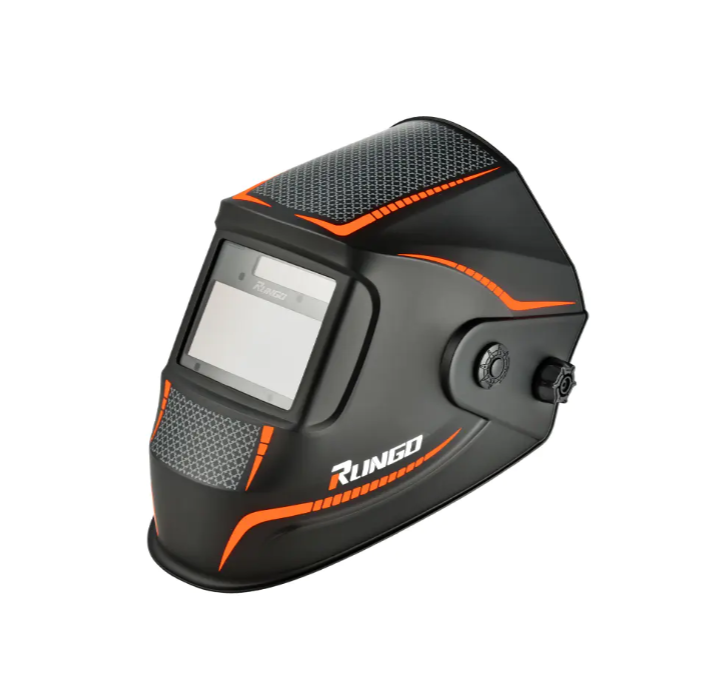
Across different work settings, users are paying closer attention to small details. These details shape daily experience more than large design claims. The conversation around welding helmets now centers on comfort, clarity, adaptability, and trust in consistent performance.
What Makes Adjustability So Important in Daily Work?
Adjustability is often discussed, yet users tend to describe it in practical terms. They focus on how easily the helmet fits into their routine. A helmet that adapts to different working positions reduces interruptions. Workers move between angles, materials, and lighting conditions. They do not want to stop and readjust constantly.
The idea of adjustability also extends to personal preference. No two users approach welding in exactly the same way. Some prefer a tighter fit. Others want more freedom around the neck and head. When a helmet allows simple and smooth adjustment, it supports different habits without forcing a single way of working.
There is also a subtle benefit. Adjustable features can reduce fatigue. When a helmet feels balanced, the strain on the neck becomes less noticeable. Over time, this makes a difference in how long a person can stay focused.
How Do Users View Comfort During Long Sessions?
Comfort is one of the most discussed topics among users. It is not described in technical terms. Instead, people talk about how the helmet feels after hours of use. Pressure points, uneven weight, and heat buildup often come up in conversation.
A comfortable helmet supports natural movement. It does not shift unexpectedly. It stays in place without needing constant correction. Users also value materials that feel neutral against the skin. Harsh textures or rigid edges can become distracting over time.
The following table outlines how comfort is often perceived in everyday use:
| Comfort Aspect |
What Users Notice in Practice |
| Weight balance |
Feels stable without pulling forward |
| Head support |
Even pressure without tight spots |
| Inner material |
Smooth, does not irritate skin |
| Heat management |
Does not trap excessive warmth |
| Movement freedom |
Allows easy head turning |
Comfort is rarely a single feature. It is the result of how different elements come together during use.
Why Is Visual Clarity a Common Concern?
Visual clarity shapes how confidently a person works. Users often describe the difference between a clear view and a slightly distorted one. Even small variations can affect how they approach a task.
The ability to see the work area clearly before, during, and after welding matters. A stable viewing experience reduces hesitation. It allows smoother hand movement and more precise positioning.
Users also mention the transition between light and dark states. They want this change to feel natural. Sudden or uneven shifts can interrupt focus. A consistent visual response helps maintain rhythm during repeated tasks.
Clarity is not only about sharpness. It is also about how the helmet supports awareness of the surroundings. Workers often operate in shared spaces. Being able to notice movement nearby adds a sense of control.
What Role Does Reaction Consistency Play in User Trust?
Trust doesn't form overnight. It largely depends on whether safety helmets act the same way every time they're used. Users count on the visor to work steadily whenever there's a need. If the helmet's reaction is unstable, people will hesitate to rely on it.
Stable performance makes equipment easy to get used to. When a helmet acts uniformly no matter what work you're doing, its operation becomes easy to guess. Workers don't need to waste brainpower worrying about the gear and can fully concentrate on their tasks.
There's also a mental factor at play. Gear that functions reliably makes users feel safe. They won't constantly second-guess whether the helmet can protect them when it matters.
How Are Users Thinking About Ease of Use?
Most users equate easy operation with simple design. They dislike confusing buttons or vague settings. They hope to tweak functions quickly, even when they're wearing work gloves.
The arrangement of control parts is key. If every adjustment feels natural, workers won't waste time learning how to operate it. They can adapt to changing work environments without pausing their job flow.
Simple maintenance is another big part of user-friendly design. Helmets that are quick to wipe clean and upkeep fit smoothly into daily work routines. People are far more willing to regularly maintain their gear if the process doesn't take extra effort.
Why Does Durability Still Matter in Everyday Discussions?
Long-lasting build quality is something users keep bringing up. They care more about how well a helmet holds up after months of use than how it looks brand new out of the box. Scuffs, loose fittings and general wear will hurt both how well the helmet works and how comfortable it is to wear.
Tough helmets can be used reliably for a long stretch. Workers won't have to fix or swap them out often, which makes daily work planning much simpler. Most staff prefer gear they can trust to last through long-term use.
Working surroundings also demand durability. Different job sites subject helmets to all kinds of impact and abrasion. Users need helmets that keep working properly even under harsh conditions.
What Do Users Expect from Design and Appearance?
Design has become more noticeable in recent conversations. While function remains central, appearance is no longer ignored. Users often prefer a design that feels modern but not distracting.
A clean and simple look is often mentioned. It reflects a sense of order in the workspace. Some users also see design as part of personal identity. The helmet becomes a visible part of their daily work routine.
At the same time, design should not interfere with usability. Decorative elements that affect balance or visibility are usually seen as unnecessary. Users tend to favor designs that support function rather than compete with it.
How Is User Feedback Shaping Current Preferences?
User feedback now spreads quickly across different channels. Conversations between workers, shared experiences, and informal discussions all influence perception. These exchanges shape what people look for in a welding helmet.
Common preferences often emerge from these shared insights:
- A helmet that feels natural to wear for long periods
- Clear and stable visibility during different tasks
- Simple adjustments that do not interrupt workflow
- Consistent response that builds confidence
- Durable construction that supports regular use
These points reflect practical experience rather than abstract expectations. They show how everyday use defines value more than promotional language.
How Are Work Environments Influencing Choices?
Different work environments bring different challenges. Some spaces require frequent movement. Others involve long, focused sessions in one position. These differences shape how users evaluate a helmet.
In dynamic environments, flexibility becomes important. Users need equipment that adapts quickly. In more stable settings, comfort over time may take priority.
Lighting conditions also vary across workplaces. This variation influences how users perceive the performance of an auto darkening feature. A helmet that responds smoothly in one setting may feel different in another.
The table below shows how environment factors relate to user concerns:
| Work Environment Factor |
Related User Concern |
| Frequent movement |
Need for stable fit |
| Long sessions |
Comfort over extended time |
| Changing light |
Consistent visual response |
| Shared workspace |
Awareness of surroundings |
| Physical demands |
Durability and balance |
These connections highlight how context shapes expectations.
What Trends Are Emerging in User Priorities?
Current discussions suggest a shift toward balance. Users are not focused on a single feature. They are looking at how different aspects work together.
There is a growing interest in equipment that feels intuitive. People value tools that fit naturally into their workflow. They also pay attention to how a helmet supports both safety and comfort without creating new challenges.
Another noticeable trend is attention to long-term experience. Users think about how a helmet performs after repeated use. They consider how it feels day after day, rather than how it appears at the start.
This focus on everyday experience reflects a broader change in how equipment is evaluated. Practical use carries more weight than surface impressions.


 English
 中文简体
中文简体 русский
 Español
 Inquiry