
 English
 中文简体
中文简体 русский
 Español
 Inquiry
Industry News
Home / News / Industry News / What Are the Benefits of Using a Auto Darkening Large View Welding Helmet for Professional Work
2026-07-17
In a busy welding workshop, a worker often needs to do more than simply follow the welding line. Before the work starts, there is usually a need to check the position of the material, understand the surrounding area, and make small adjustments during the process.
A auto darkening large view welding helmet is an important part of this daily routine. It protects the face and eyes while allowing the welder to focus on the task. However, visibility inside the helmet can affect how smoothly the work is carried out.
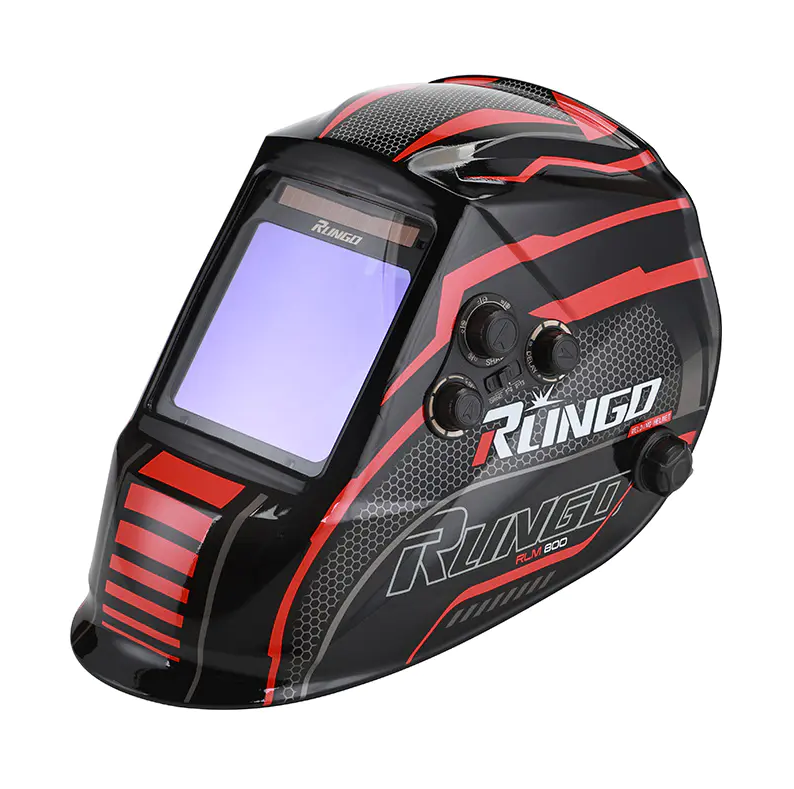
This is one reason large view welding helmets have attracted attention among professional users. Compared with traditional designs, they provide a wider viewing area, giving welders a more open view during operation.
For people working in fabrication, repair, construction, and manufacturing environments, a clearer view can influence comfort, accuracy, and overall working experience.
Welding work often requires careful observation. A worker may need to check the joint position, follow the material edge, or adjust hand movement while maintaining a steady working position.
A limited viewing area can make some tasks feel more difficult. The welder may need to move their head more often or change body position to see the surrounding area.
A large view welding helmet changes this experience by creating a wider field of vision. It gives users more information about the working environment instead of focusing only on one small area.
This can be useful in many situations:
| Working Situation | Why Visibility Matters |
|---|---|
| Metal fabrication | Helps workers follow different work areas |
| Repair tasks | Makes it easier to observe surrounding parts |
| Construction projects | Supports work in changing positions |
| Manufacturing lines | Helps maintain a steady workflow |
Professional welders often work on different projects throughout the day. Better visibility can make transitions between tasks easier.
The demand for wider viewing designs reflects a change in how users look at protective equipment. A helmet is no longer considered only a safety product. It is also a tool that affects daily performance.
The main difference is the amount of visible space available during use. Traditional welding helmets are designed to provide basic protection and a clear view of the welding area. Large view designs focus more attention on expanding what the user can see.
This difference becomes noticeable during tasks that involve movement, larger workpieces, or changing angles.
A wider viewing area may allow welders to observe:
The difference is not simply about making a helmet larger. It is about creating a more comfortable way for users to interact with their work environment.
| Comparison | Large View Welding Helmet | Traditional Welding Helmet |
|---|---|---|
| Visual experience | More open view during operation | More focused viewing area |
| Working style | Suitable for tasks requiring wider awareness | Suitable for basic welding needs |
| User feeling | Less restricted during movement | More traditional wearing experience |
| Application | Various professional environments | General welding applications |
The right choice depends on the work itself. Some jobs require more visibility than others.
Seasoned welders know tiny upgrades to their gear can make a huge difference on the job. A bigger viewing window won't alter core welding techniques, yet it makes every shift far more comfortable.
Better visibility simplifies prep work ahead of each weld. Welders can check material placement and scan their whole workspace without constantly twisting their neck or shifting their body around.
It also lets them move more naturally while laying beads.
Take big fabrication jobs as an example: welders have to keep track of multiple spots at once. They need to watch alignment, nearby parts, and where they'll work next.
A wide viewing panel takes all that extra strain out of the process.
The advantages show up in small, daily ways:
All these little perks add up to a much smoother experience for anyone wearing a welding helmet day in and day out.
Welding work is physically demanding. Many professionals spend long periods wearing protective equipment, which makes comfort an important part of equipment selection.
A helmet that feels restrictive may affect concentration over time. Visibility, balance, and wearing experience all influence how users feel during work.
Large view welding helmets are becoming popular because they offer a different wearing experience. The wider view can reduce the feeling of working through a narrow window.
For many welders, comfort is connected with productivity. When equipment feels easier to use, workers can focus more on the task itself.
Comfort considerations often include:
| Consideration | Why It Matters |
|---|---|
| Viewing space | Affects how users observe the work area |
| Wearing experience | Influences long-term use |
| Movement flexibility | Helps during different working positions |
| Daily convenience | Makes regular tasks easier to manage |
Professional users usually understand their own working habits. Their equipment choices often come from real experience rather than simple product comparisons.
Large view welding helmets are used across different industries because welding itself appears in many forms of production and repair work.
In metal fabrication, workers may handle large structures that require attention to multiple areas. A wider view can make it easier to understand the position of the workpiece.
In repair environments, visibility is often important because the working area may not always be easy to access. Technicians may need to observe nearby parts while completing a repair.
Construction projects also create different challenges. Workers may move between locations and deal with changing work conditions.
Common applications include:
| Industry | Typical Use |
|---|---|
| Metal fabrication | Welding structures and components |
| Construction | On-site welding work |
| Equipment repair | Maintenance and restoration tasks |
| Manufacturing | Production-related welding operations |
| Automotive work | Repair and assembly applications |
Different industries may have different expectations, but the need for clear visibility remains common.
Choosing a welding helmet requires more thought than simply selecting a larger viewing area. Buyers need to understand how the product matches the actual working environment.
A workshop handling small repair jobs may have different needs from a company managing large fabrication projects.
Before purchasing, buyers often review several areas.
Work Environment
The location where the helmet will be used can influence the selection. Indoor workshops, outdoor projects, and industrial areas may involve different working conditions.
Daily Usage
A helmet used occasionally may have different requirements from one worn throughout the working day.
User Preferences
Different welders have different habits. Some focus more on visibility, while others may pay closer attention to overall comfort.
Supplier Communication
Clear communication with suppliers can make purchasing easier. Sharing application details allows suppliers to better understand what type of product may fit the project.
A careful selection process can reduce problems after purchase.
For businesses purchasing welding equipment, supplier choice is an important part of the process.
A supplier is not only responsible for providing products. They also need to understand customer requirements and communicate clearly during cooperation.
Many buyers look at several aspects:
For companies that purchase regularly, stable cooperation can make future planning easier.
A supplier familiar with different welding environments may provide more useful suggestions. This can be valuable when buyers are comparing different helmet designs for different users.
Good communication helps both sides understand expectations before an order is confirmed.
The welding industry continues to focus on improving the working experience. Safety remains important, but users are also paying more attention to comfort, visibility, and convenience.
This change can be seen in the development of welding protection products. Modern users expect equipment that fits real working situations instead of only providing basic protection.
Large view welding helmets represent this shift. They reflect a growing interest in designs that consider how workers interact with their tools.
For businesses, choosing suitable protective equipment has become part of improving daily operations. Visibility, comfort, and practical use are all factors that influence purchasing decisions.
As welding applications continue to expand, equipment choices will continue to follow the changing needs of professional users.

Model: RLM 700
Model: RLM 1000
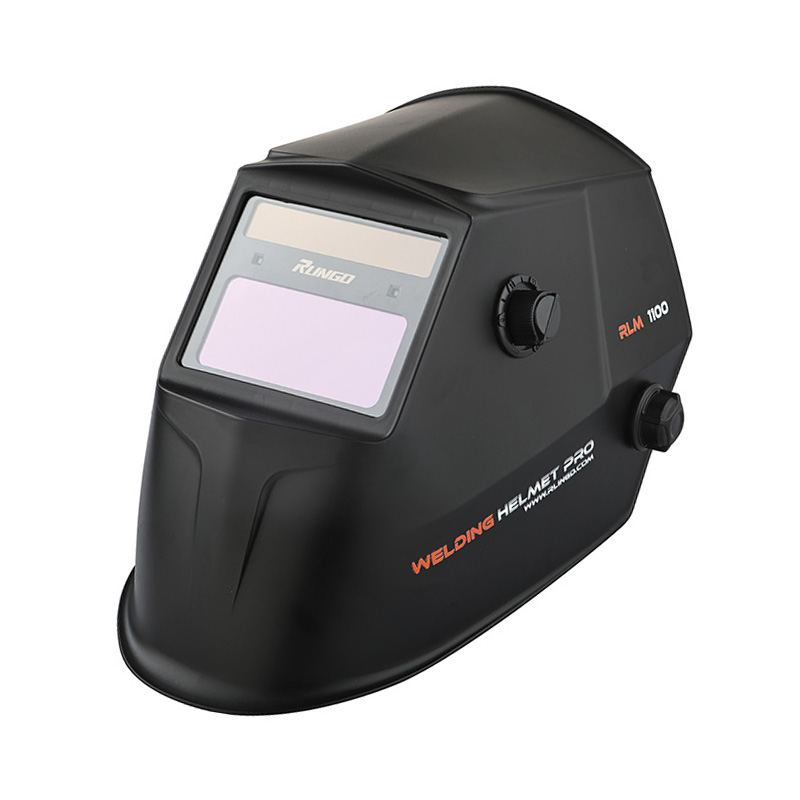
Model: RLM 1100
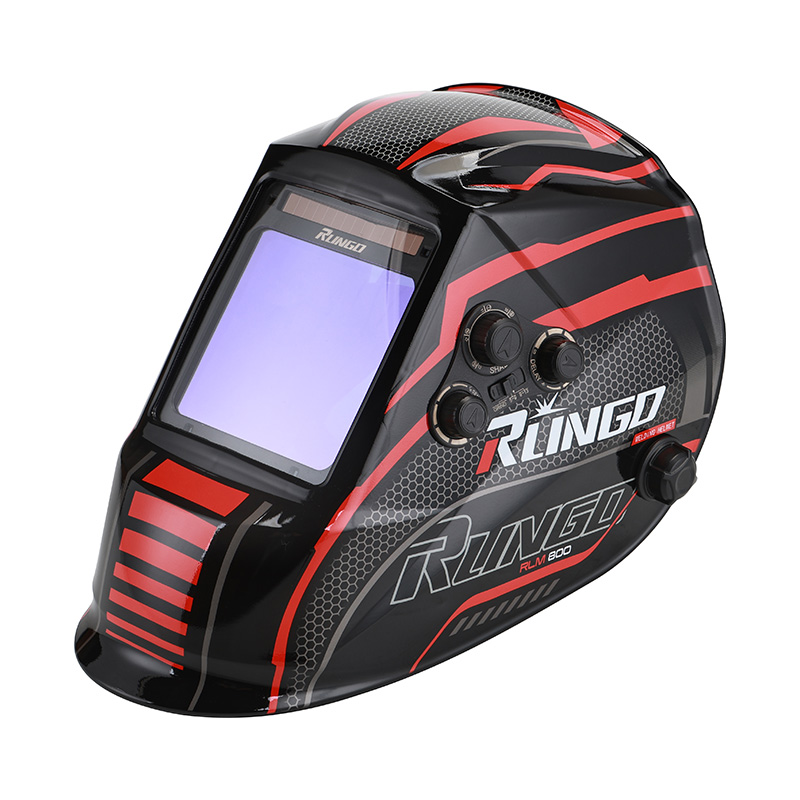
Model: RLM 800
Model: RLM 900
Model: RLM 1200

Building 7, Zeguo Electromechanical Pioneer Park, No.1 Park Road, Zeguo Town, Wenling,Taizhou City, Zhejiang Province, China
Tel: +86-0576-86442210
FAX: +86-0576-86442210
Phone: +86-15669702909
Copyright © Taizhou Ruiling Optoelectronics Technology Co., Ltd.
Auto Darkening Welding Helmet Factory