
 English
 中文简体
中文简体 русский
 Español
 Inquiry
Industry News
Home / News / Industry News / Full Face Auto Darkening Welding Helmet: What Matters Beyond Basic Protection
2026-07-31
In many workshops, the full face auto darkening welding helmet is no longer seen as a simple barrier. It has become part of how work is carried out each day. People are not only thinking about protection. They are looking at how the helmet fits into movement, vision, and comfort over time.
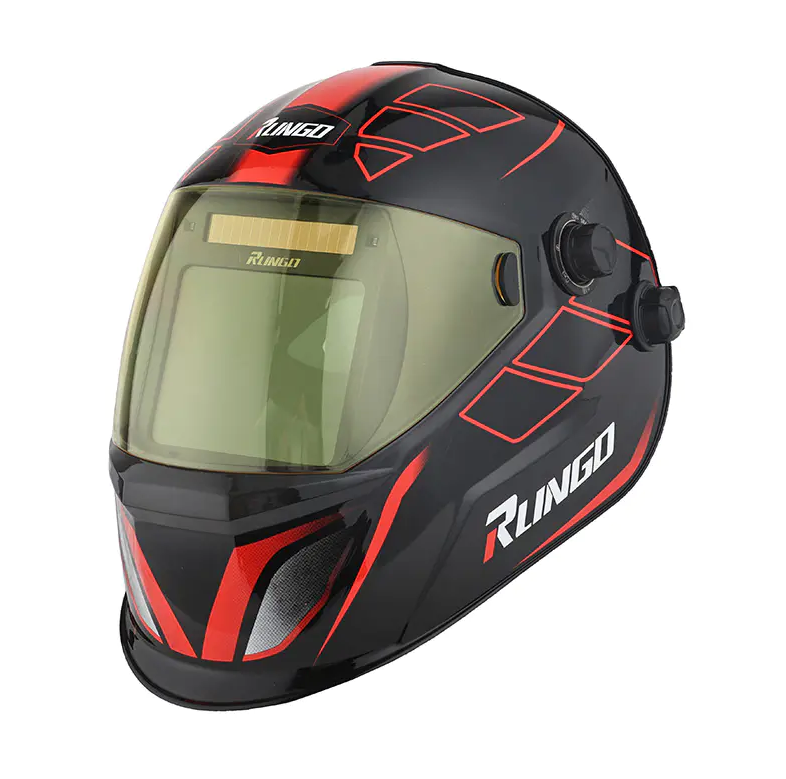
The shift is subtle. It does not come from a single feature. It grows from daily use, repeated tasks, and small frustrations that build up. Users now talk about balance, clarity, and ease. These ideas shape how helmets are chosen and used across different work settings.
Full face coverage changes how users feel during work. It extends protection beyond the eyes and adds a sense of enclosure. Many describe it as a more complete layer between themselves and the environment.
This added coverage is not only about safety. It also affects how users move. A wider shield can reduce distractions from sparks or light around the edges. It creates a more focused space in front of the user.
At the same time, full coverage must not feel restrictive. Users expect a balance. They want protection without losing awareness of what is happening nearby. This balance often shapes how people judge a helmet in real use.
Comfort is often mentioned early in any discussion. It is not treated as a luxury. It is part of basic usability. A helmet that feels heavy or uneven can affect posture and attention.
Users tend to notice comfort after long periods. Short use may feel fine, but extended sessions reveal pressure points or imbalance. This is when opinions form.
Several elements contribute to comfort in everyday use:
| Comfort Element | Everyday Experience |
|---|---|
| Weight balance | Feels stable without pulling forward |
| Head support | Even contact without tight pressure |
| Interior surface | Smooth feel against skin |
| Air flow | Does not trap excessive heat |
| Fit adjustment | Easy to adapt without interrupting work |
Comfort often works quietly in the background. When it is right, users do not think about it. When it is off, it becomes hard to ignore.
Good visibility isn't only about sharp sight. Workers need their helmet visor to deliver consistent sight no matter what job they're doing. What they want most is an unchanging, natural field of vision.
A wide, unobstructed view lets people coordinate their hands accurately. They can zero in on tiny details without second-guessing their movements. Even minor visual distortions throw off their work pace.
Smooth shifts between bright and dim lighting are another key demand. Harsh, sudden light changes pull workers'focus away from their tasks. If the visor adjusts steadily, users can keep working without distraction.
Side vision shouldn't be blocked off either. Even full-face protective gear needs to let workers spot motion nearby. This keeps them alert when working alongside other people.
Workers tweak their helmets all day long as they shift postures and move between different work zones. Helmets with fast, simple adjustments won't break their workflow.
Users judge adjustability by how straightforward the controls are. Dials and sliders need to sit within easy reach, and no one wants to take the whole helmet off just to make small changes. Quick, fluid adjustments fit right into their normal work habits.
Being able to adjust on the fly also boosts workers'confidence. Knowing they can reposition the helmet instantly removes hesitation and keeps work going steadily.
Stable fit directly impacts comfort and safety both. A helmet that slides around as you move breaks your focus, forcing constant readjustments that slow work down.
Workers naturally test how secure their helmet feels by tilting their heads up, down and side to side. Well-built helmets stay locked in position with no extra effort needed from the user.
A securely fitting helmet also builds long-term trust. When users don't have to keep fixing slipping gear, they can fully focus on their tasks, forming a steady, uninterrupted work rhythm day after day.
Durability is not always discussed in technical terms. Users talk about how a helmet holds up after repeated use. Scratches, loose parts, or worn areas become noticeable over time.
A durable helmet supports consistent performance. It reduces the need for frequent replacement or repair. This reliability becomes part of planning and routine.
Different environments place different demands on equipment. Some settings involve frequent movement. Others require long stationary work. Users expect the helmet to handle these variations without losing function.
Design is no longer just visual. It affects how the helmet feels and performs. A well-considered design supports balance, visibility, and ease of use.
Users often prefer a clean and simple look. It reflects a sense of order in the workspace. At the same time, design should not interfere with function.
There is also a personal aspect. The helmet becomes part of daily identity. While appearance is not the main concern, it still shapes how users relate to their equipment.
Design choices that support function tend to stand out. These include smooth edges, balanced structure, and intuitive layout. They contribute to a more natural experience.
Work environments vary widely. Some are busy and dynamic. Others are more controlled and steady. These differences influence what users value most.
In active environments, flexibility and stability become important. Users need equipment that adapts quickly. In quieter settings, long-term comfort may take priority.
Lighting conditions also play a role. Changing light can affect how users perceive visibility and response. A helmet that performs consistently across conditions is often preferred.
The table below shows how different environments connect to user concerns:
| Environment Factor | User Focus |
|---|---|
| Frequent movement | Stable fit and secure position |
| Long sessions | Comfort over extended periods |
| Changing light | Consistent visual response |
| Shared workspace | Awareness of surroundings |
| Physical demands | Durability and balanced structure |
These factors highlight how context shapes expectations in everyday work.
Beyond basic protection, users are looking for a complete experience. They want equipment that supports their workflow without adding complexity.
Common expectations often appear in daily conversations:
These points reflect practical needs rather than abstract ideas. They come from repeated use and shared experience.
The full face auto darkening welding helmet has become part of how work is shaped. It supports not only protection but also movement, clarity, and comfort. Users continue to refine their expectations based on real conditions, and these expectations guide how such equipment evolves.

Model: RLM 700
Model: RLM 1000
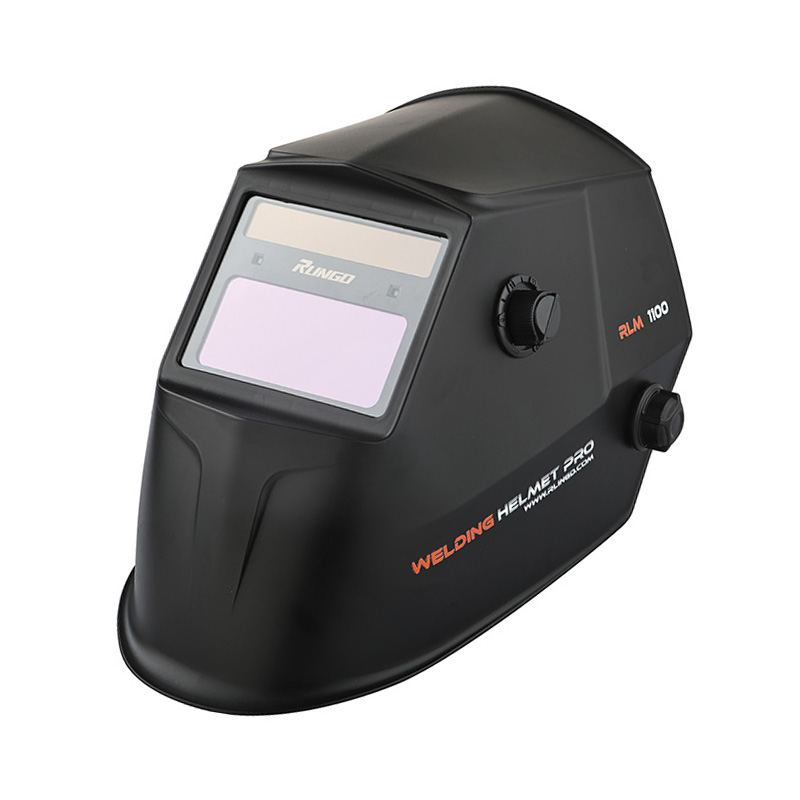
Model: RLM 1100
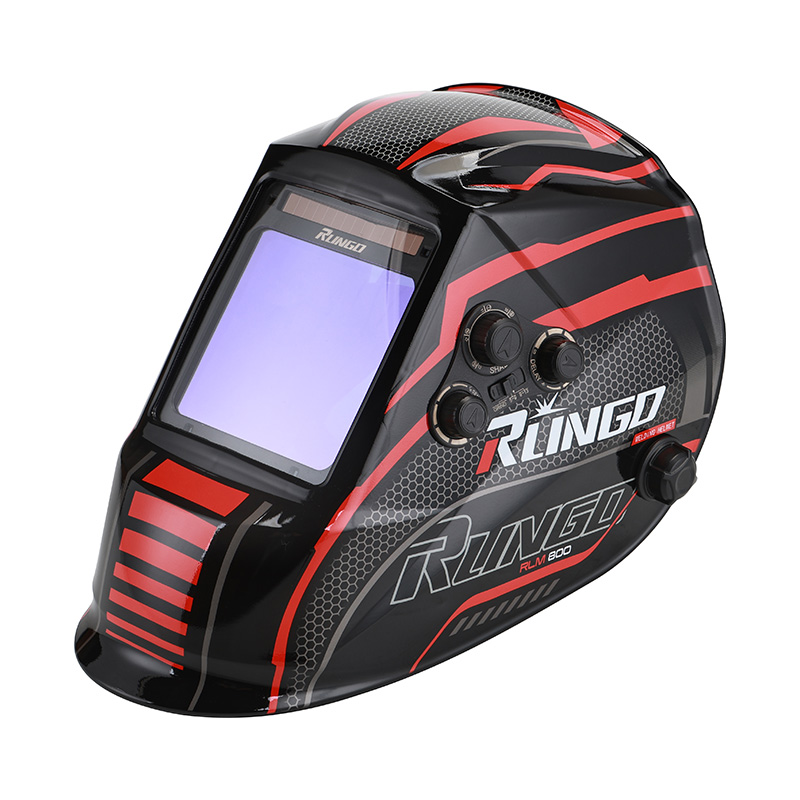
Model: RLM 800
Model: RLM 900
Model: RLM 1200

Building 7, Zeguo Electromechanical Pioneer Park, No.1 Park Road, Zeguo Town, Wenling,Taizhou City, Zhejiang Province, China
Tel: +86-0576-86442210
FAX: +86-0576-86442210
Phone: +86-15669702909
Copyright © Taizhou Ruiling Optoelectronics Technology Co., Ltd.
Auto Darkening Welding Helmet Factory