
 English
 中文简体
 русский
 Español

 Inquiry
Industry News
Home / News / Industry News / Why Are OEM Buyers Choosing a Custom Auto Darkening Welding Helmet for Their Welding Equipment Brands?
2026-11-06
A welding helmet has to do more than protect the user's face and eyes. It needs to provide a clear view of the work, stay comfortable during long shifts, and perform reliably under changing welding conditions. For equipment brands, these details affect how customers view the product and the brand behind it.
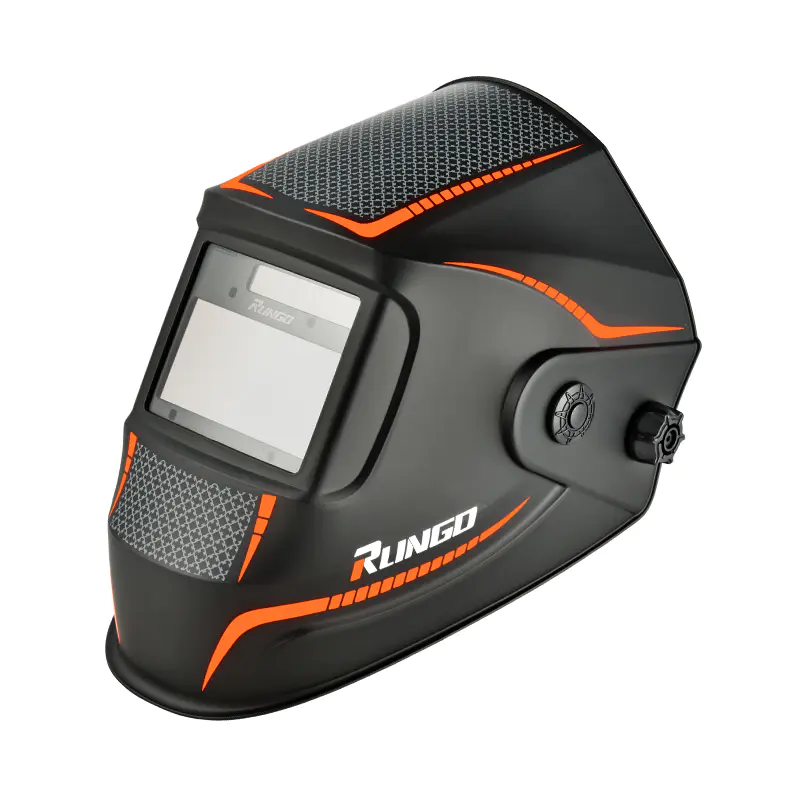
That is one reason OEM buyers are turning to customized welding helmets. Instead of taking a standard model as it comes, they can work with manufacturers on the filter, shell, headgear, appearance, and packaging. The result can be tailored to a particular customer group or welding application, rather than simply carrying a different logo.
Meet Different Welding Applications and User Requirements
A helmet used in an automotive repair shop may have different requirements from one used on a construction site or an industrial production line. Welding processes, current levels, working positions, and surrounding conditions all influence the choice of filter and helmet design.
An auto-darkening filter changes from its light state to a darker shade when its sensors detect a welding arc. Once welding stops, it returns to the light state after the set delay. Welders can therefore position the torch or electrode without repeatedly lifting the helmet.
The settings need to suit the work. Someone who performs frequent tack welds may prefer adjustable sensitivity and delay controls, while larger fabrication jobs may call for a wider viewing area. OEM buyers should define the intended applications before settling on a filter configuration.
Customize Optical Performance and Filter Specifications
The filter has a direct bearing on what the welder can see and how the helmet responds to an arc. A supplier's specification sheet should cover more than switching speed. Buyers can compare the following details:
| Specification | What buyers should evaluate | Practical importance |
|---|---|---|
| Light-state shade | Visibility before and between welds | Helps users position materials |
| Dark-state shade range | Suitability for intended welding processes | Provides appropriate arc protection |
| Switching speed | Time required to enter the dark state | Affects filter response |
| Viewing area | Filter dimensions and field of vision | Influences visibility while working |
| Optical quality | Clarity, uniformity, and angular dependence | Affects visual accuracy |
| Sensitivity control | Response to different arc conditions | Accommodates different work environments |
| Delay control | Time before returning to the light state | Helps manage residual brightness |
A fast switching figure by itself does not establish the filter's overall protective performance. Shade range, optical classification, and compliance documentation need to be considered together.
Improve Comfort Through Helmet Design
A helmet can have suitable filter specifications and still be uncomfortable to wear. Excessive weight, poor balance, or pressure around the forehead can become tiring during a long shift.
OEM buyers can discuss headgear adjustments, padding, and shell dimensions with the manufacturer. Other details worth reviewing include:
The shell material also needs to suit the working environment. Heat, sparks, and regular handling place demands on the outer shell, so material claims should be backed by relevant testing.
Strengthen Brand Identity With OEM Customization
For equipment brands, customization is not limited to printing a logo on an existing helmet. Shell appearance, filter options, headgear, and accessories can all be adjusted to suit a particular product range.
| Customization option | OEM value |
|---|---|
| Shell color and graphics | Creates recognizable product styling |
| Logo printing | Builds brand visibility |
| Filter configuration | Matches application requirements |
| Headgear design | Accommodates user preferences |
| Packaging and labels | Keeps product presentation consistent |
| Accessories | Addresses different customer segments |
Evaluate Power Supply and Product Reliability
Auto-darkening helmets may run on replaceable batteries, solar-assisted power, or a combination of the two. Battery life is worth checking, along with replacement access, low-battery indicators, and the reliability of the filter's power supply.
Arc detection also needs attention. Sensor number and placement affect how reliably the filter responds when the welding position or nearby equipment blocks part of the arc. A sample should be tried in different positions and with the welding processes for which it is intended.
Other checks may cover:
Ask the manufacturer how these checks are carried out and whether inspection records are available for production batches. An approved sample is useful, but it does not show by itself how consistently later units will be made.
Select an OEM Manufacturer With Strong Technical Support
Custom projects involve more than choosing colors and approving artwork. Filter specifications, shell materials, tooling, compliance documents, and production controls all need to be discussed before an order moves ahead. The manufacturer's ability to handle these details can affect both development and later production.
Samples should be tested under representative welding conditions. Check the view through the filter, switching behavior, fit, weight, control layout, and general construction. Warranty coverage and the availability of replacement parts are also worth settling before placing a bulk order.
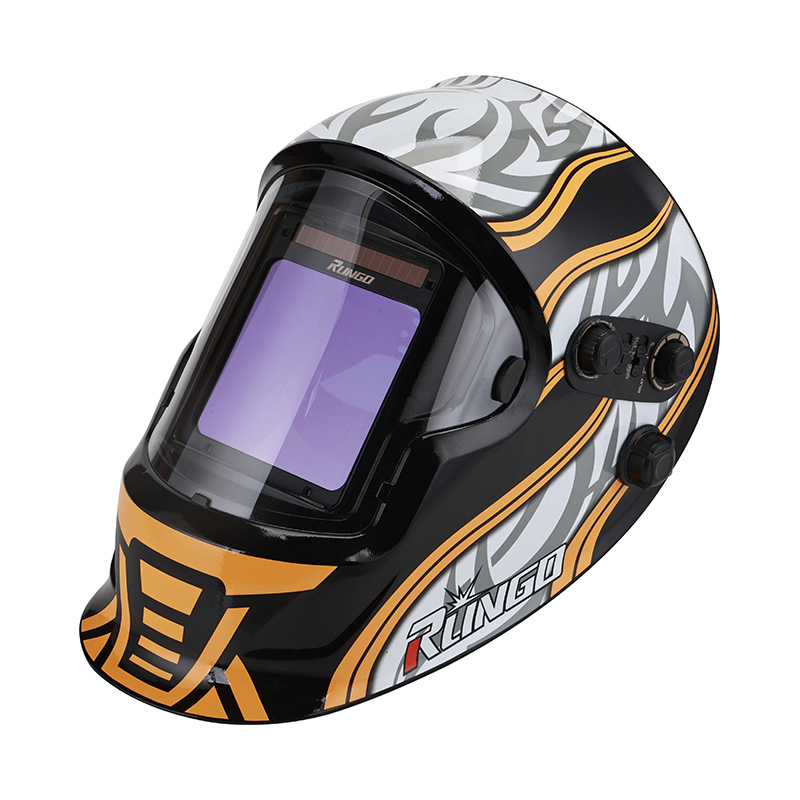
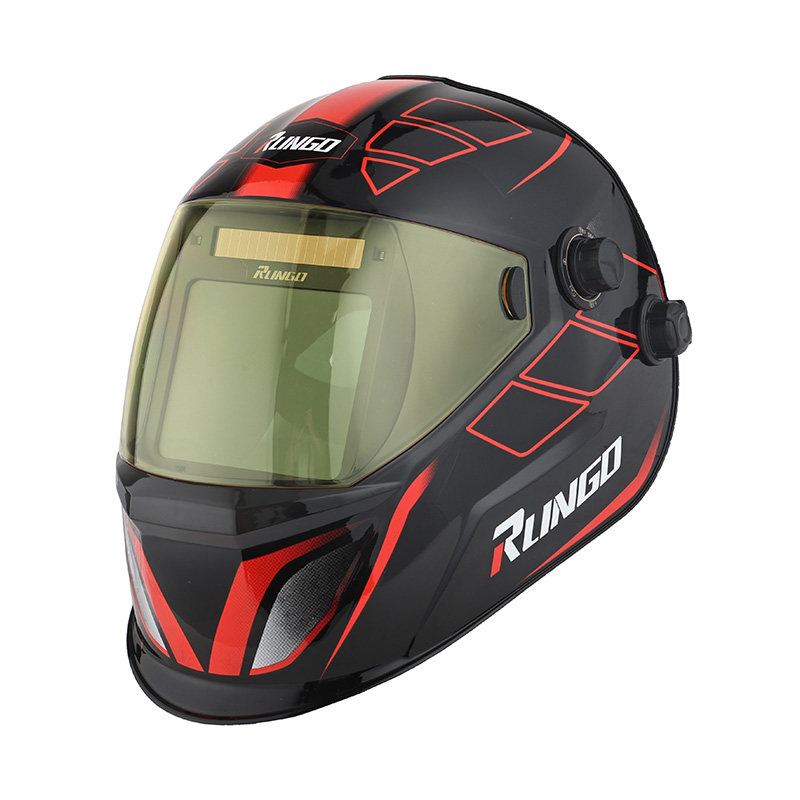
For OEM buyers, a Custom Auto Darkening Welding Helmet offers room to adapt a product to a particular market without overlooking its practical requirements. The key is to make design choices alongside technical checks, rather than treating customization as an appearance-only exercise.

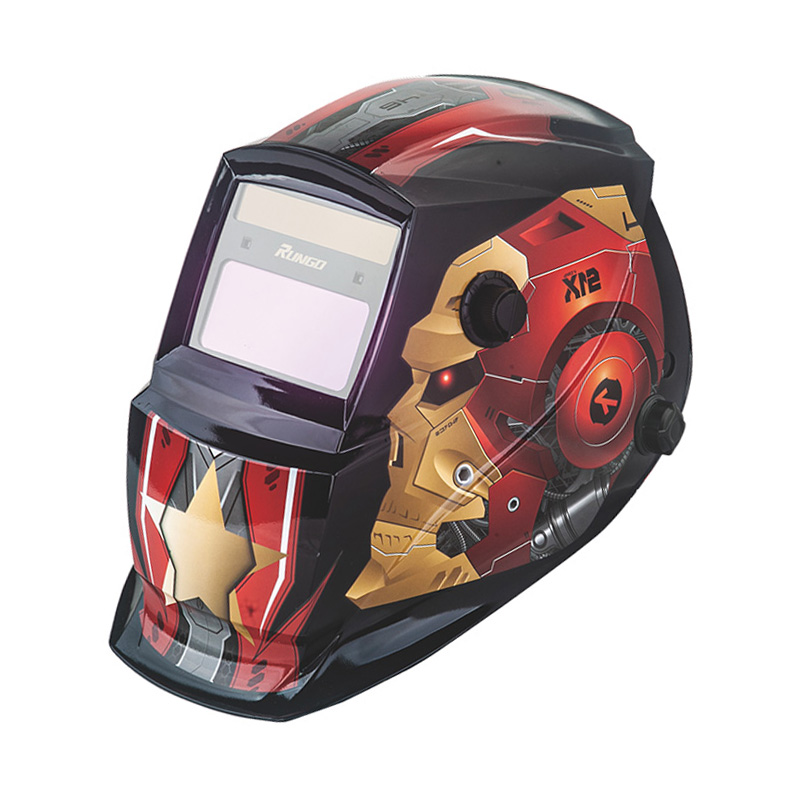
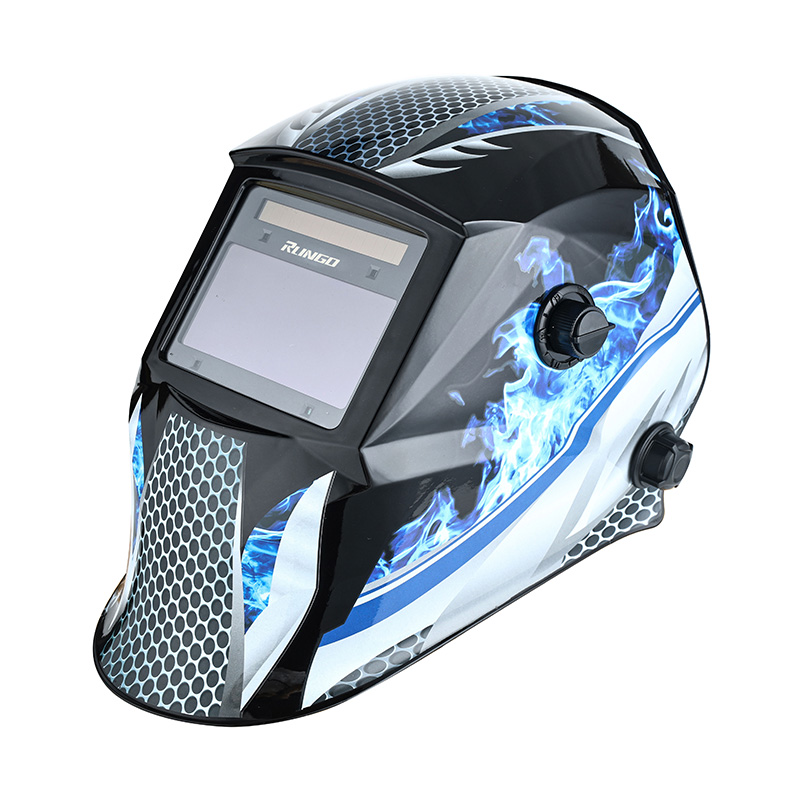
Model: RLM 700
Model: RLM 1000
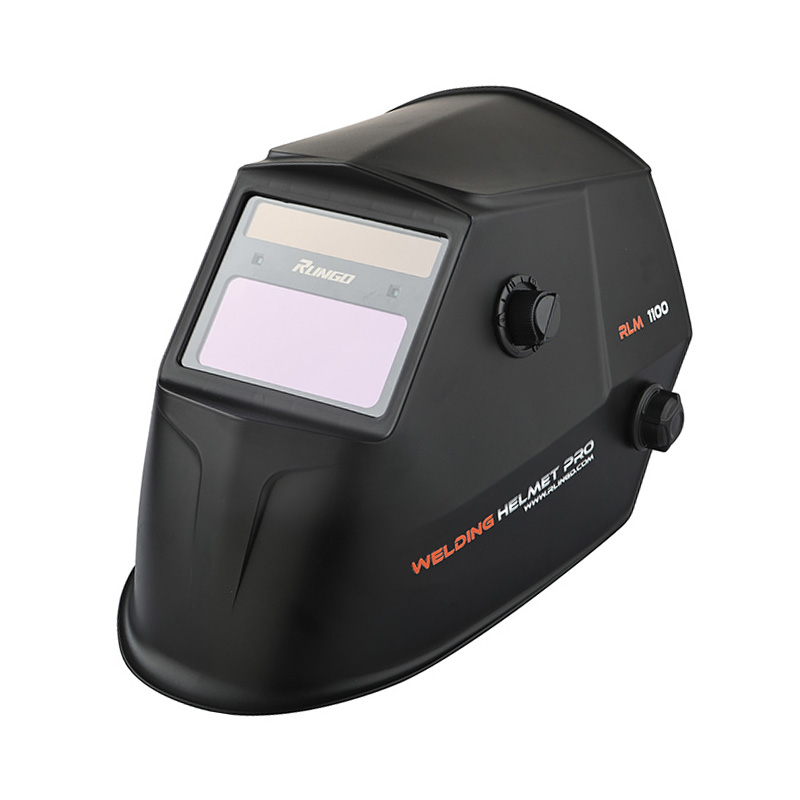
Model: RLM 1100
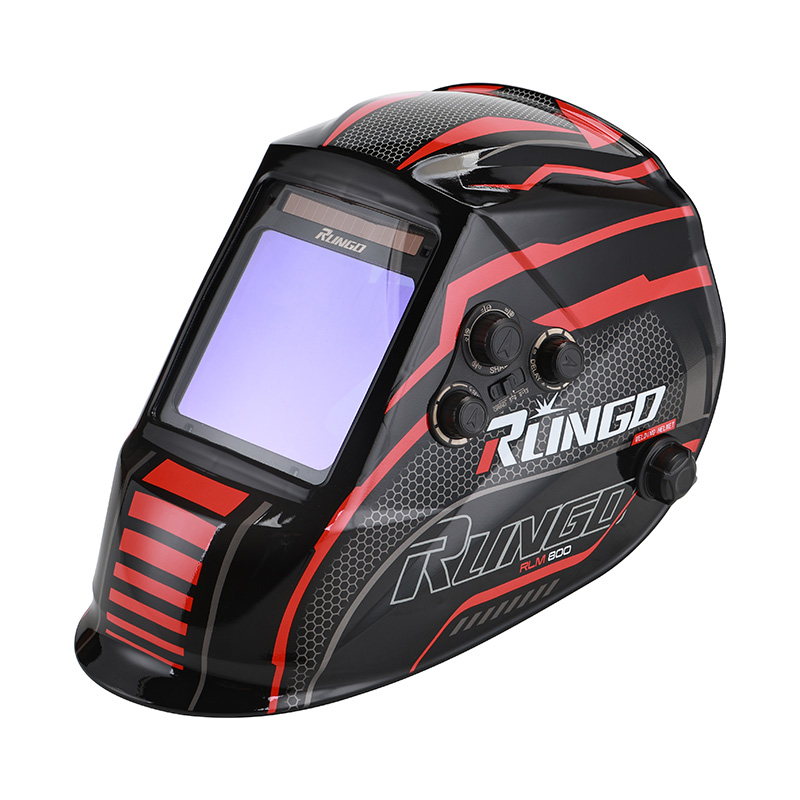
Model: RLM 800
Model: RLM 900
Model: RLM 1200

Building 7, Zeguo Electromechanical Pioneer Park, No.1 Park Road, Zeguo Town, Wenling,Taizhou City, Zhejiang Province, China
Tel: +86-0576-86442210
FAX: +86-0576-86442210
Phone: +86-15669702909
Copyright © Taizhou Ruiling Optoelectronics Technology Co., Ltd.
Auto Darkening Welding Helmet Factory