
 English
 中文简体
 русский
 Español

 Inquiry
Industry News
Home / News / Industry News / What Durability Tests Should an Auto Lens Welding Helmet Pass for Heavy-Duty Welding?
2026-10-30
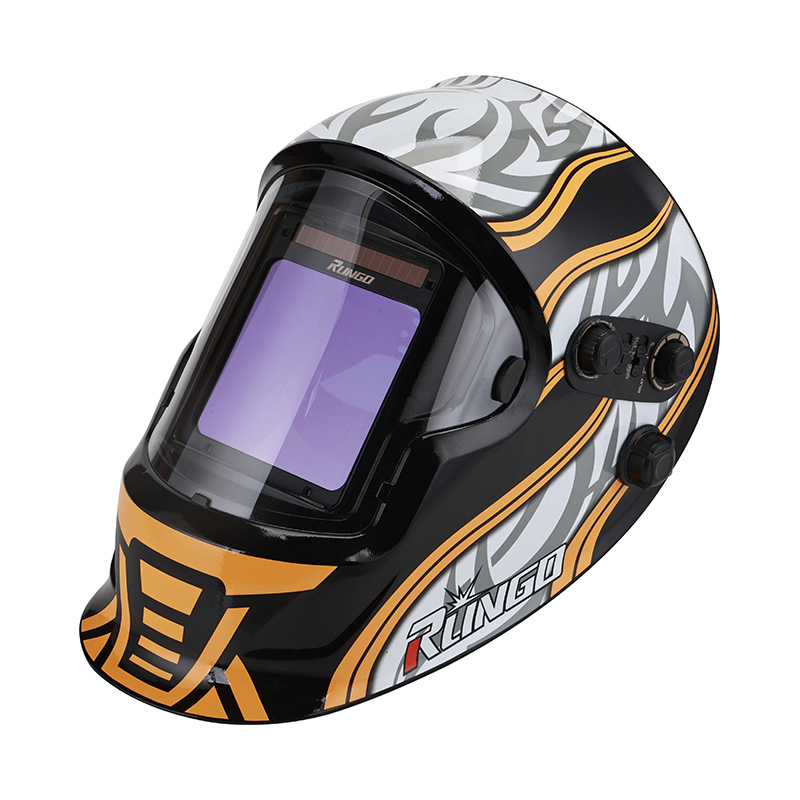
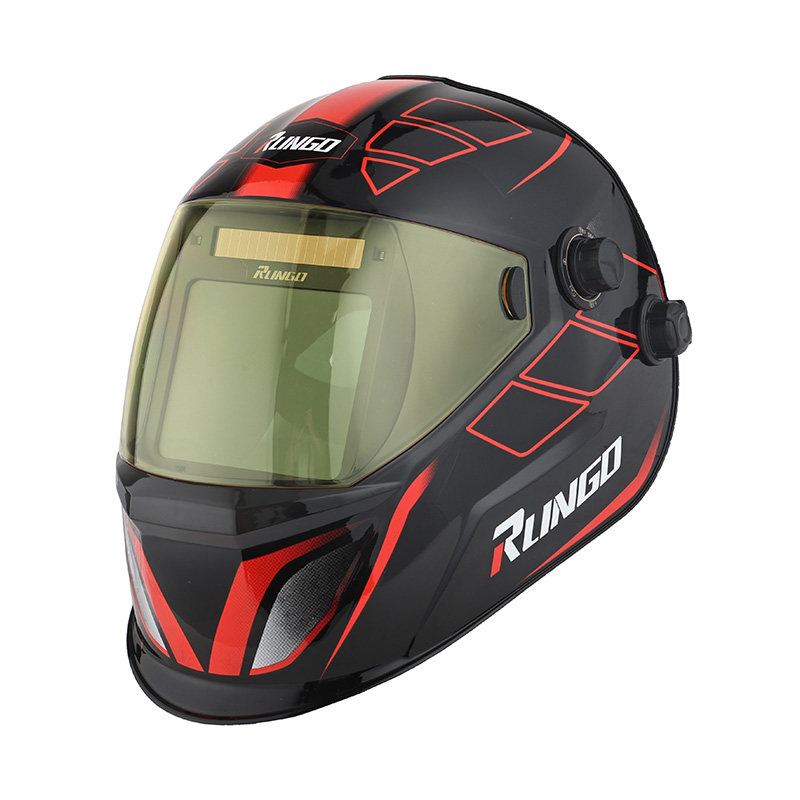
Heavy-duty welding exposes protective equipment to heat, sparks, impact, dust, and repeated daily handling. An Auto Lens Welding Helmet must withstand these conditions while maintaining reliable eye and face protection. Buyers should evaluate both physical strength and the performance of the auto-darkening filter, because damage to either can reduce the helmet’s suitability for industrial work.
Durability tests help manufacturers identify weak points and help industrial buyers compare products using evidence instead of marketing claims. Test methods should match the helmet’s intended use and the requirements of the market where it will be sold.
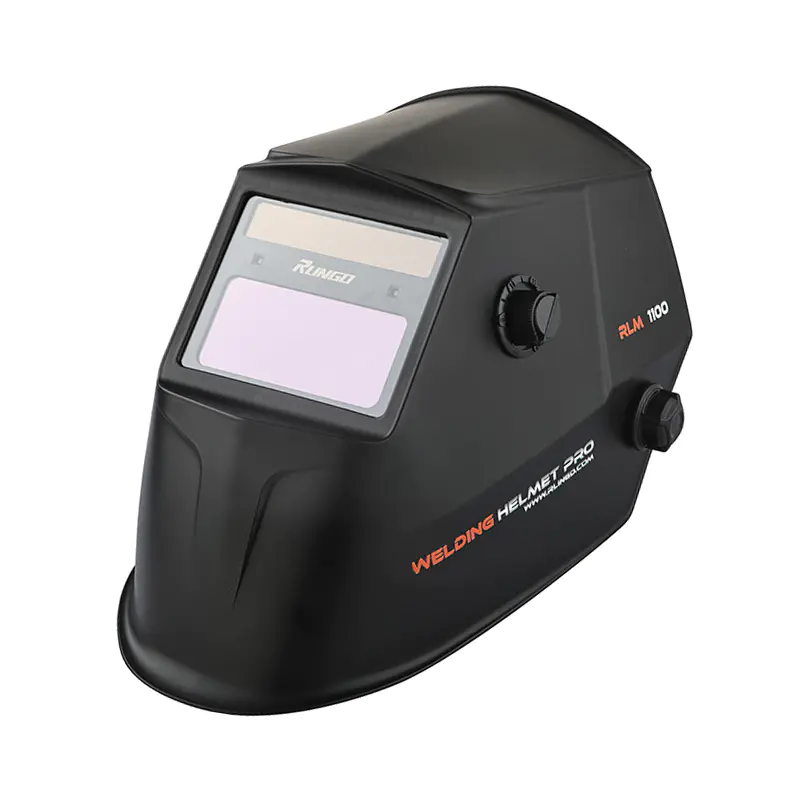
A helmet may be struck by tools, bumped against equipment, or exposed to flying particles. Impact testing checks whether the shell, viewing window, lens retainers, and attached parts resist the specified mechanical loads without cracking, detaching, or deforming in a way that affects protection.
After testing, inspect the shell and lens assembly for cracks, loose parts, and changes in fit. Confirm that the filter remains securely seated. Buyers should request test records for the exact model and verify that any impact rating is appropriate for the intended task; a helmet’s appearance alone cannot establish its impact protection.
Welding can expose a helmet to radiant heat, sparks, and hot spatter. Heat and flame tests assess whether the shell and nearby components withstand defined exposure without unacceptable melting, ignition, or deformation. Hinges, adjustment parts, and the filter housing also need to remain secure.
The result should be considered in the context of the welding process and actual exposure. A general claim such as “heat resistant” does not show which conditions were tested. Look for documented results and follow the manufacturer’s limits for use, inspection, and replacement.
The filter is the helmet’s critical functional component. Testing should cover reliable light-to-dark switching, return-to-light behavior, shade performance, optical clarity, and consistent operation over repeated cycles. Where relevant, evaluations should also consider the specified operating-temperature range and sensor response under expected working conditions.
| Test | What it checks | Why it matters |
|---|---|---|
| Switching response | Consistency of light-to-dark activation | Helps confirm the filter responds as specified |
| Shade and UV/IR protection | Compliance with required filter performance | Supports appropriate protection for the welding process |
| Optical quality | Clarity, distortion, and uniformity | Helps the user see the work clearly |
| Repeated-cycle testing | Performance after repeated activation | Can reveal premature electronic or filter faults |
| Temperature testing | Operation within rated limits | Helps assess reliability in demanding workshops |
Switching speed alone does not prove complete eye protection. Buyers should check the shade range, UV/IR protection, optical ratings, and applicable conformity documents. Do not rely on a brief demonstration or a single advertised specification.
Dust, humidity, and temperature variation can affect sensors, controls, batteries, and electronic circuits. Depending on the design and intended environment, a test program may include dust exposure, humidity conditioning, temperature cycling, or moisture-resistance tests. The helmet should then be checked for physical damage and tested again for sensor and filter function.
An ingress-protection rating applies only to the enclosure and conditions covered by its test. It should not be interpreted as proof of resistance to every workshop contaminant or cleaning chemical. Follow the product’s specific care instructions, especially around sensors and battery compartments.
Industrial helmets are raised, lowered, adjusted, transported, and stored frequently. Drop and vibration tests can assess resilience during handling, while cycle tests examine headgear ratchets, pivots, hinges, and visor-positioning mechanisms. After testing, the helmet should remain stable on the wearer, hold its intended position, and allow normal adjustment.
Durable headgear matters because a loose or slipping helmet can interrupt work and expose the user to hazards. Replaceable straps, accessible adjustment parts, and available spare components can also reduce downtime over the product’s service life.
The outer cover lens helps protect the auto-darkening filter from spatter, scratches, and debris. Inspect whether the cover can be replaced securely and whether replacement parts are readily available. Testing may assess scratching, haze, and damage after exposure to cleaning products specified by the manufacturer.
Sweat, oils, and unapproved solvents can affect plastics or coatings. Buyers should confirm approved cleaning methods and avoid chemicals that may cloud the lens or damage the shell. A replaceable cover lens is a useful wear component, but it does not remove the need to inspect the filter beneath it.
Ask suppliers for reports that identify the exact helmet and filter models, the standards and methods used, test conditions, and pass/fail criteria. In the United States, ANSI/ISEA Z87.1 is a key occupational eye and face protection standard; products sold in other markets may need to meet different or additional requirements for welding helmets and filters. Verify the current applicable edition and the scope of any certification or marking.
Also request care instructions, recommended inspection intervals, replacement criteria, and information about available cover lenses, batteries, and headgear parts. A certificate is useful only when it applies to the exact product configuration being purchased.
Start by matching the helmet to the welding process, expected heat and impact exposure, work environment, and daily usage. Prioritize verified protective performance, consistent auto-darkening operation, secure headgear, durable construction, and replaceable wear parts. Compare documented test results and service support alongside price.
A well-evaluated Auto Lens Welding Helmet should demonstrate both mechanical durability and continued filter performance after relevant testing. Clear documentation gives procurement teams a practical basis for selecting equipment suited to demanding industrial work.

Model: RLM 700
Model: RLM 1000
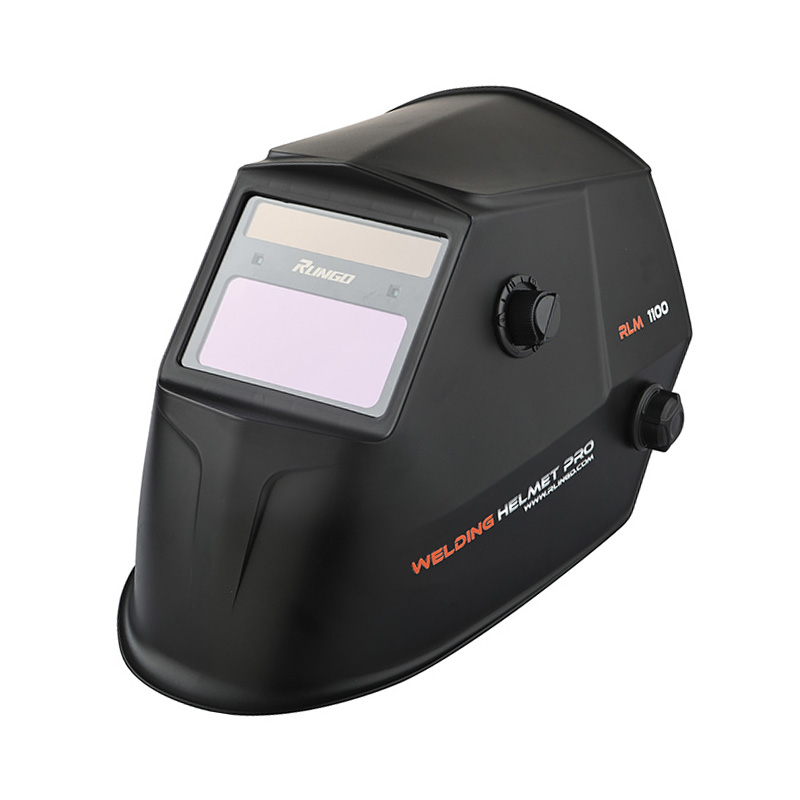
Model: RLM 1100
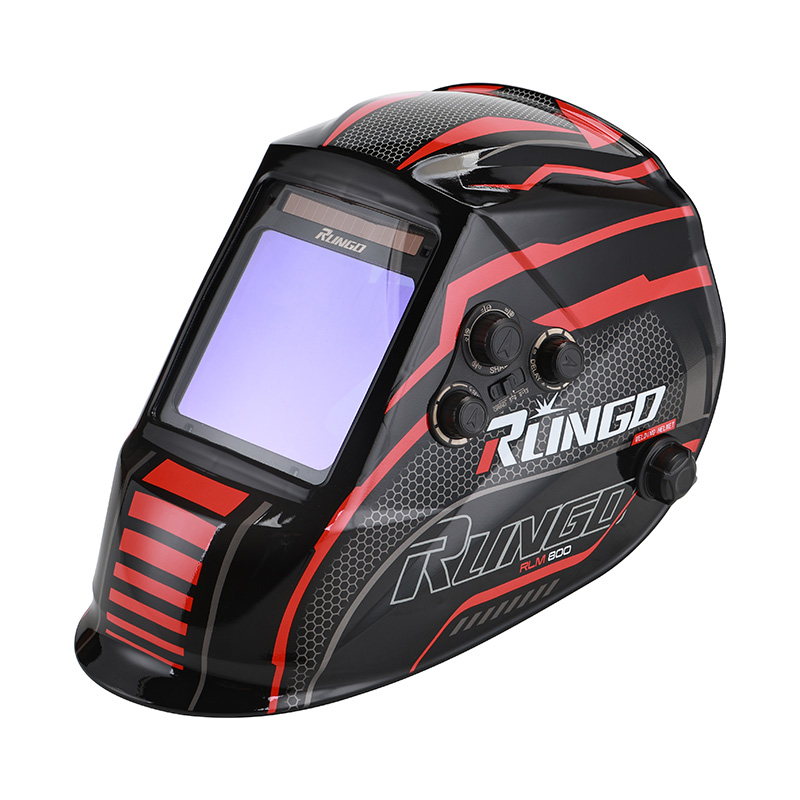
Model: RLM 800
Model: RLM 900
Model: RLM 1200

Building 7, Zeguo Electromechanical Pioneer Park, No.1 Park Road, Zeguo Town, Wenling,Taizhou City, Zhejiang Province, China
Tel: +86-0576-86442210
FAX: +86-0576-86442210
Phone: +86-15669702909
Copyright © Taizhou Ruiling Optoelectronics Technology Co., Ltd.
Auto Darkening Welding Helmet Factory