
 English
 中文简体
 русский
 Español

 Inquiry
Industry News
Home / News / Industry News / What Large View Auto Darkening Welding Helmet Compliance Standards Should B2B Buyers Check
2026-11-20
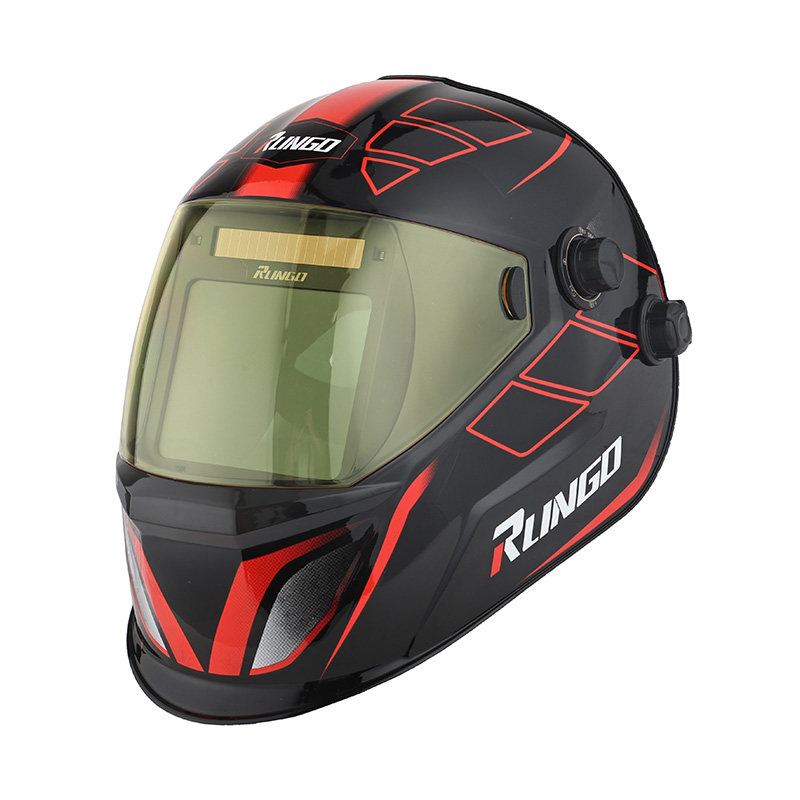
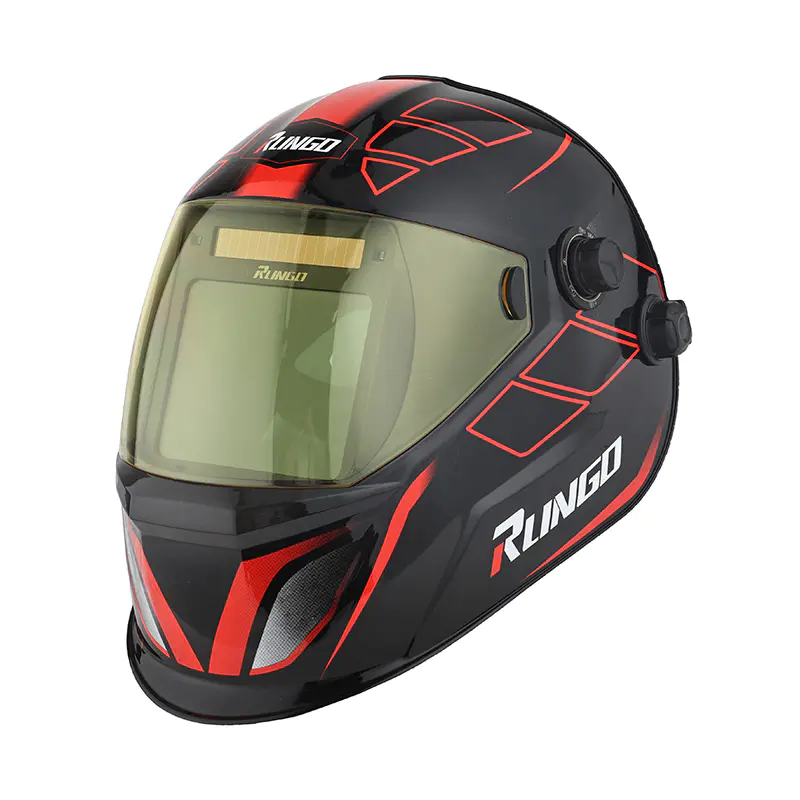
A large viewing window is useful when welders need to keep an eye on the weld pool, joint position, and surrounding work area. It is often a selling point for professional welding helmets, particularly in industrial and fabrication markets. But a wider window also gives buyers another detail to check: does the helmet maintain the required level of protection across the entire viewing assembly?
For distributors and OEM buyers, appearance and advertised specifications are not enough. A Large View Auto Darkening Welding Helmet needs appropriate eye and face protection, a dependable automatic darkening filter, and documentation that matches the actual product being supplied.
Why Compliance Standards Matter for Large View Welding Helmets
A welding helmet is a complete protective system. Its shell, viewing window, automatic darkening filter (ADF), sensors, and power supply all contribute to how it performs. A problem with one component can affect the protection or usability of the finished helmet.
The larger viewing area deserves particular attention. Increasing the window size changes the design of the front assembly, including how the filter and protective lens are supported. Buyers should not assume that a helmet offers the same protection simply because it uses an ADF already found in another certified model.
Compliance documents help establish what was actually tested. The model number, filter configuration, protective components, and standard referenced in the report should all correspond to the product under consideration.
Major Welding Helmet Standards Buyers Should Understand
The standards that apply depend on where the helmet will be sold. A certificate prepared for one market should not be treated as automatic approval for another.
1. ANSI/ISEA Z87.1 for the US Market
ANSI/ISEA Z87.1 covers occupational and educational eye and face protection in the United States. For welding helmets, buyers should check the relevant impact and optical protection requirements, along with the product markings and supporting test evidence.
There is also a distinction between product testing and workplace regulations. OSHA sets requirements for employers providing eye and face protection, while ANSI/ISEA Z87.1 provides performance criteria for protective equipment.
If a supplier claims Z87.1 compliance, ask for the test documentation and confirm that it identifies the exact helmet model. A general statement on a catalog page is not sufficient evidence.
2. EN 175 and EN ISO 16321-2 for European Markets
European product documents may refer to EN 175 or EN ISO 16321-2. EN 175 covers personal protective equipment used in welding and related processes, while EN ISO 16321-2 sets additional requirements for eye and face protectors used in welding applications.
Buyers may still encounter older EN 175 documentation from established suppliers. That does not mean every older certificate is invalid, but its status needs to be checked against the applicable conformity assessment and current EU requirements. The standard edition and certificate details matter more than simply seeing an EN number printed on a document.
3. EN 379 for Automatic Welding Filters
EN 379 is associated specifically with automatic welding filters. It covers filter performance characteristics such as optical quality and light transmission.
This distinction matters when reviewing supplier certificates. An ADF may have supporting test documentation, but that alone does not prove that the complete helmet assembly has met all relevant requirements. Buyers should request documents for both the filter and the finished protective product where applicable.
4. EU PPE Regulation 2016/425
For products placed on the EU market, Regulation (EU) 2016/425 establishes the legal framework for personal protective equipment.
Depending on the product and conformity assessment route, buyers should review:
Check the model numbers carefully. A certificate covering a standard-size viewing window does not necessarily cover a larger-window version with a different shell or filter arrangement.
Comparison of Important Welding Helmet Compliance Requirements
| Standard or Regulation | Main Scope | Documents and Details to Check |
|---|---|---|
| ANSI/ISEA Z87.1 | US occupational eye and face protection | Impact protection, optical requirements, markings, and test reports |
| EN 175 | Protection during welding | Performance of the complete welding helmet assembly |
| EN ISO 16321-2 | Welding eye and face protectors | Applicable conformity assessment and product requirements |
| EN 379 | Automatic welding filters | Optical quality and ADF performance |
| EU PPE Regulation 2016/425 | EU PPE regulatory framework | CE marking, Declaration of Conformity, and applicable certificates |
These documents are not interchangeable. A filter test report, for example, cannot replace evidence relating to the complete helmet. Buyers should also check whether the cited standard edition is appropriate for the destination market.
ADF Performance Requirements Beyond Basic Certification
Certification is only part of the evaluation. The ADF specifications should match the welding processes and working conditions expected in the target market.
Switching time is one specification worth examining closely. It describes how quickly the filter changes from its light state to the selected dark state. Ask for the rated response time and supporting test information for the exact filter model rather than relying on a general product description.
Shade range is equally relevant. The available dark shades should cover the intended welding processes. Buyers supplying helmets for different types of welding should check whether the selected configuration is suitable for those applications.
UV and IR protection also need attention. The filter should maintain its specified ultraviolet and infrared protection even when the automatic darkening function is in the light state. This protection should not depend on whether the filter has switched to dark mode.
Sensor placement, sensitivity, and detection reliability affect how consistently the ADF responds to the welding arc. Optical characteristics matter too. Clarity, light diffusion, luminous transmittance variation, and viewing-angle performance all influence what the welder can see through the window.
A wider viewing area is useful only if these characteristics remain satisfactory across the expanded field of view.
How B2B Buyers Should Verify Supplier Compliance Documents
Document checks are best completed before sample approval or bulk ordering. A few details deserve particular attention:
Private-label orders need another level of attention. If the OEM buyer changes the ADF supplier, viewing window, shell material, or internal structure, the original conformity documents may no longer cover the revised design. Design changes should be reviewed before production, not after the goods have been manufactured.
Why Large Viewing Area Design Requires Additional Quality Control
A larger window affects more than visibility. It can change the helmet's weight distribution, front-shell structure, and the way the ADF is held in place. Poor component fit may cause movement or gaps, while an awkward balance can make the helmet uncomfortable during extended shifts.
During sample inspection, check the viewing-window dimensions, filter positioning, lens retention, shell strength, and headgear adjustment. Electrical functions should also be tested, including sensor response and power reliability.
Wear testing is useful here. Have users move their heads, change working positions, and wear the helmet for realistic periods. A technically compliant product can still be difficult to sell if it feels front-heavy or the headgear does not stay secure.
Building a Reliable Welding Helmet Sourcing Strategy
When comparing suppliers, ask for documents tied to the exact large-view model rather than accepting certificates from a similar product. Check the ADF separately, inspect the complete helmet, and test samples before approving the production design.
For OEM projects, keep the approved sample, technical specifications, and conformity documents linked to the same model revision. If the factory later changes the filter, shell, or viewing assembly, review the change before accepting the next batch. This simple control helps prevent a common sourcing problem: receiving a product that looks identical to the approved sample but no longer matches its original test documentation.

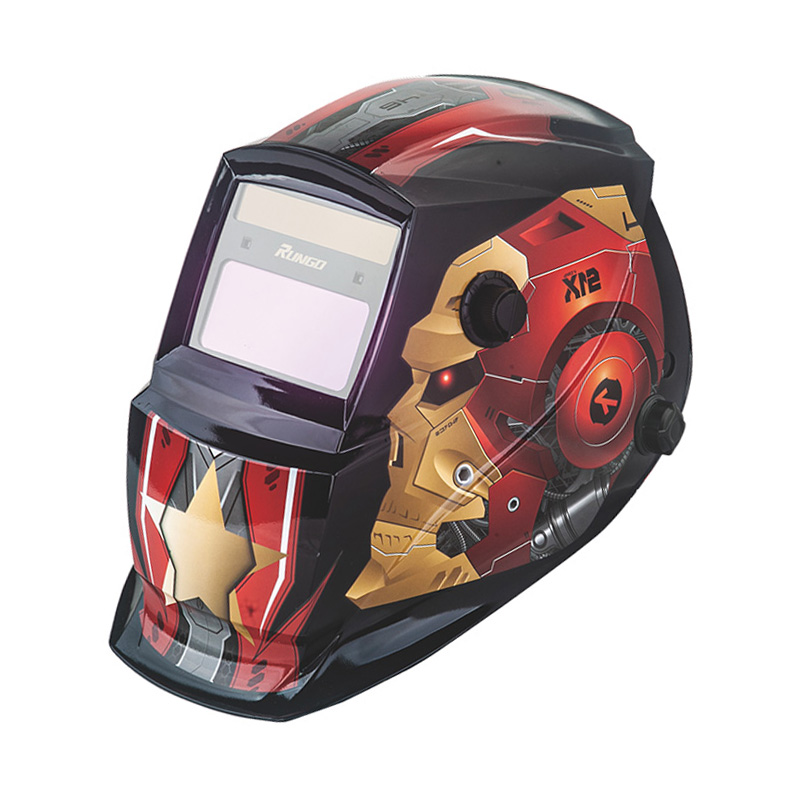
Model: RLM 700
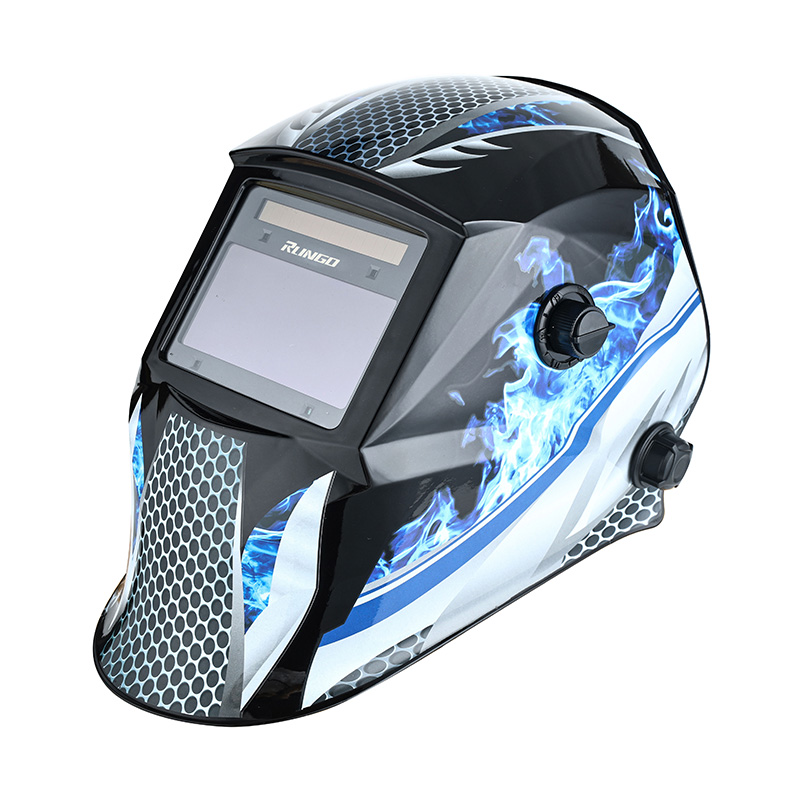
Model: RLM 1000
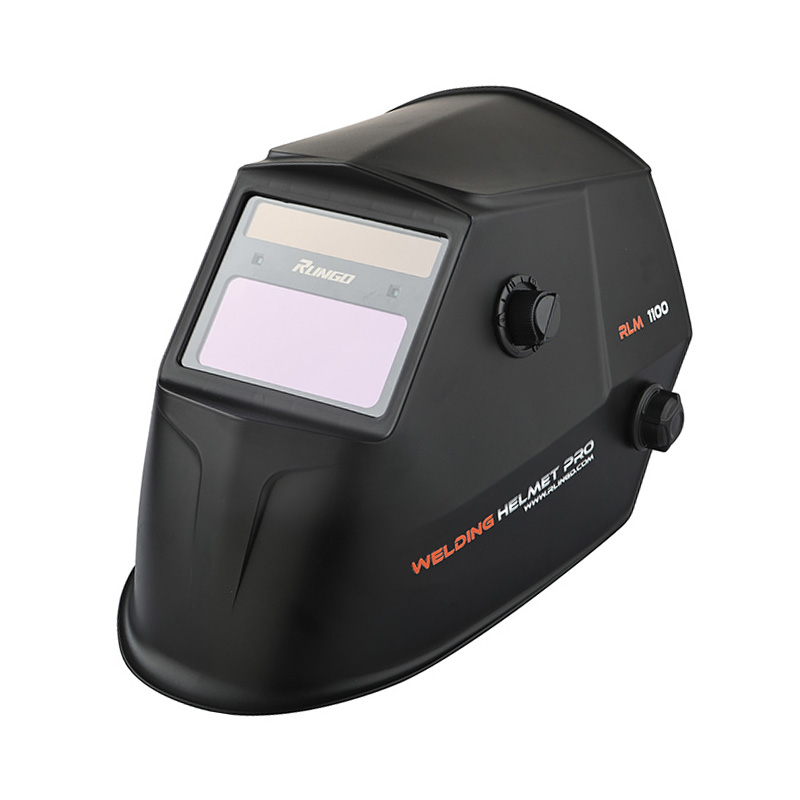
Model: RLM 1100
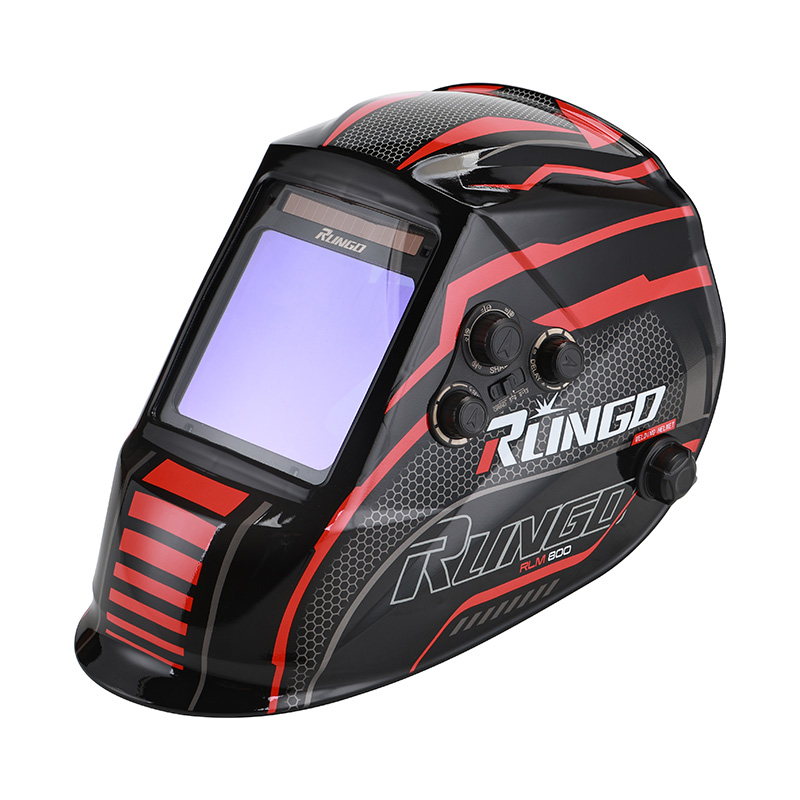
Model: RLM 800
Model: RLM 900
Model: RLM 1200

Building 7, Zeguo Electromechanical Pioneer Park, No.1 Park Road, Zeguo Town, Wenling,Taizhou City, Zhejiang Province, China
Tel: +86-0576-86442210
FAX: +86-0576-86442210
Phone: +86-15669702909
Copyright © Taizhou Ruiling Optoelectronics Technology Co., Ltd.
Auto Darkening Welding Helmet Factory