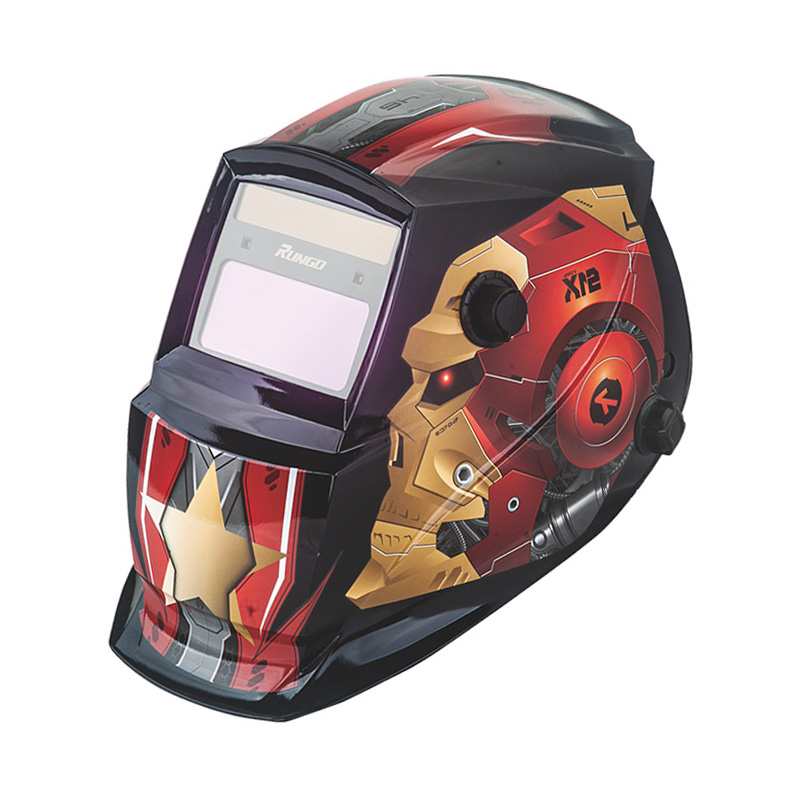
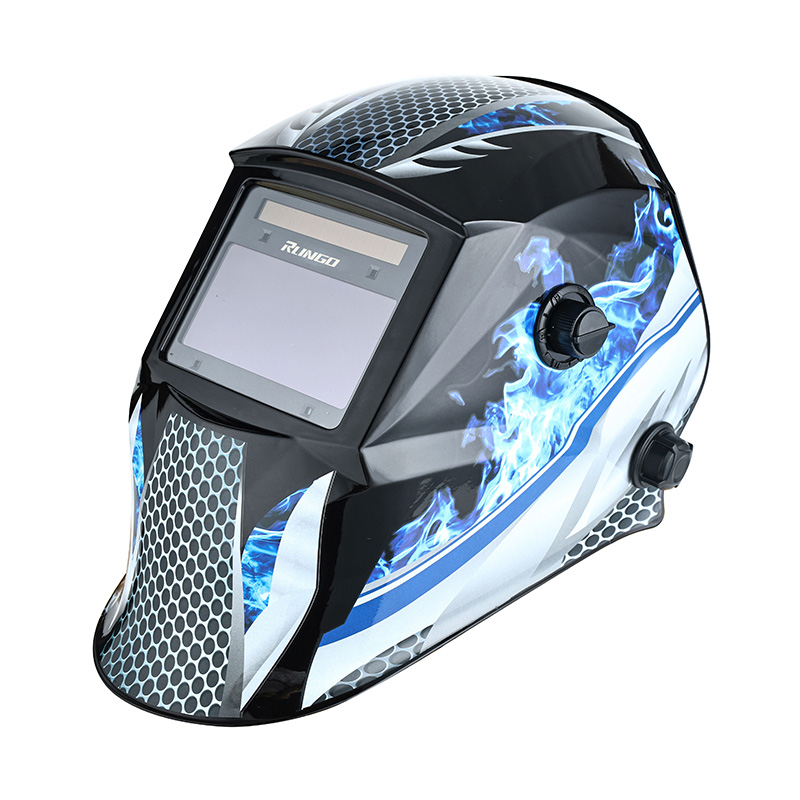
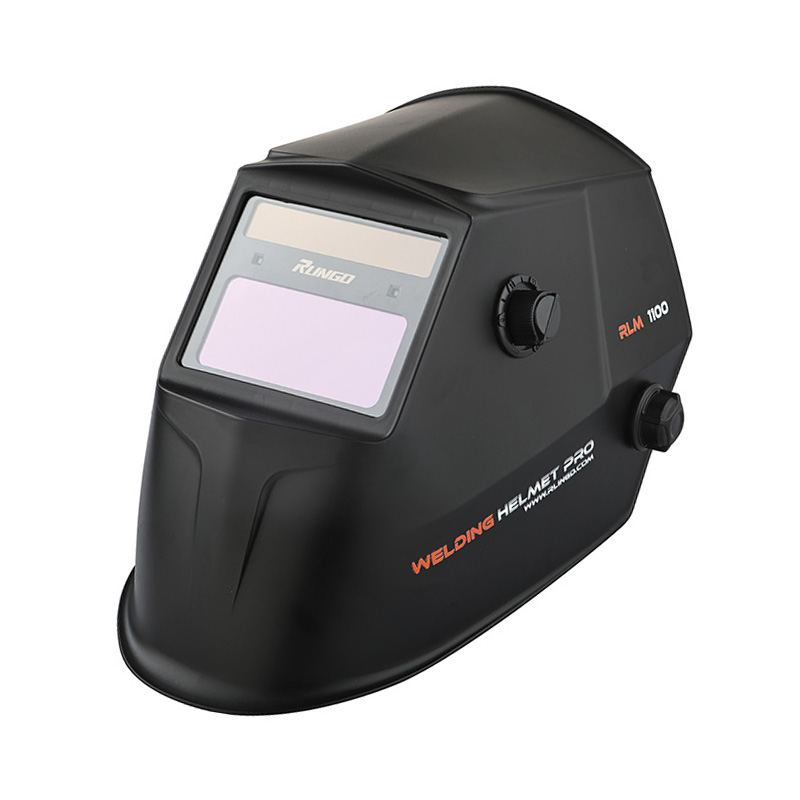
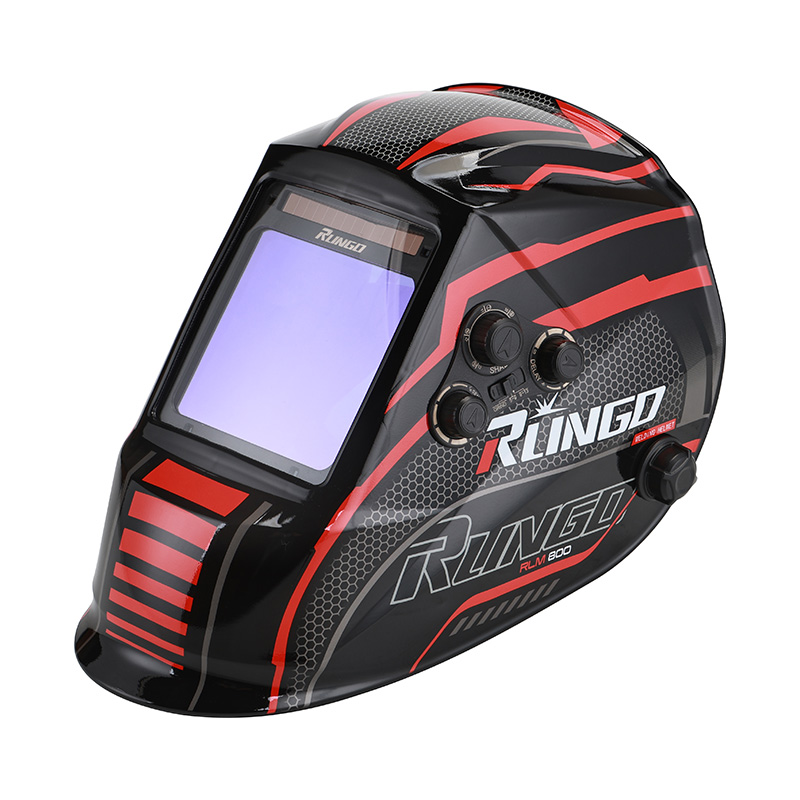
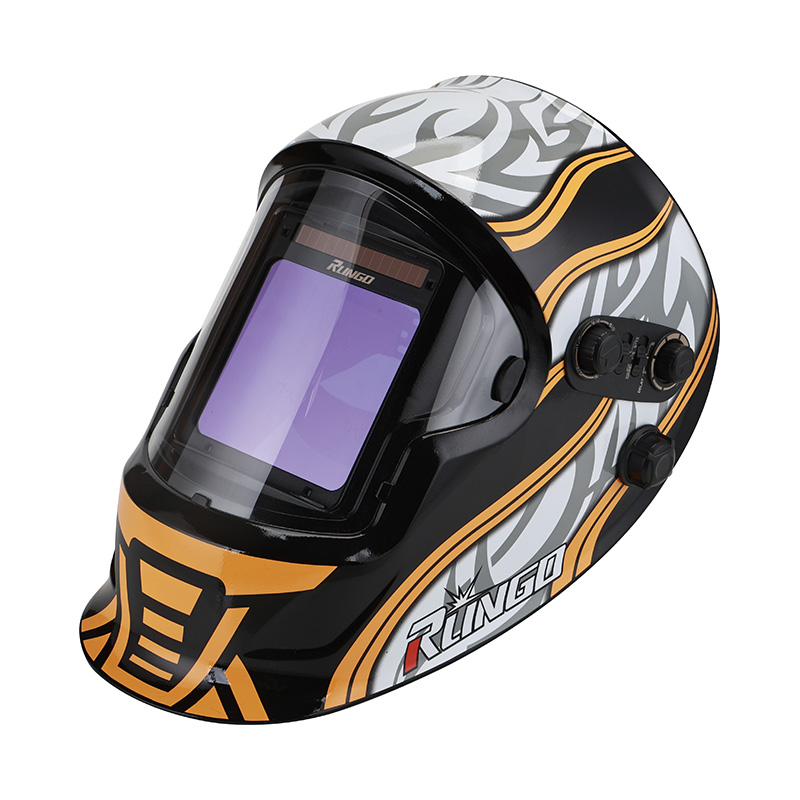
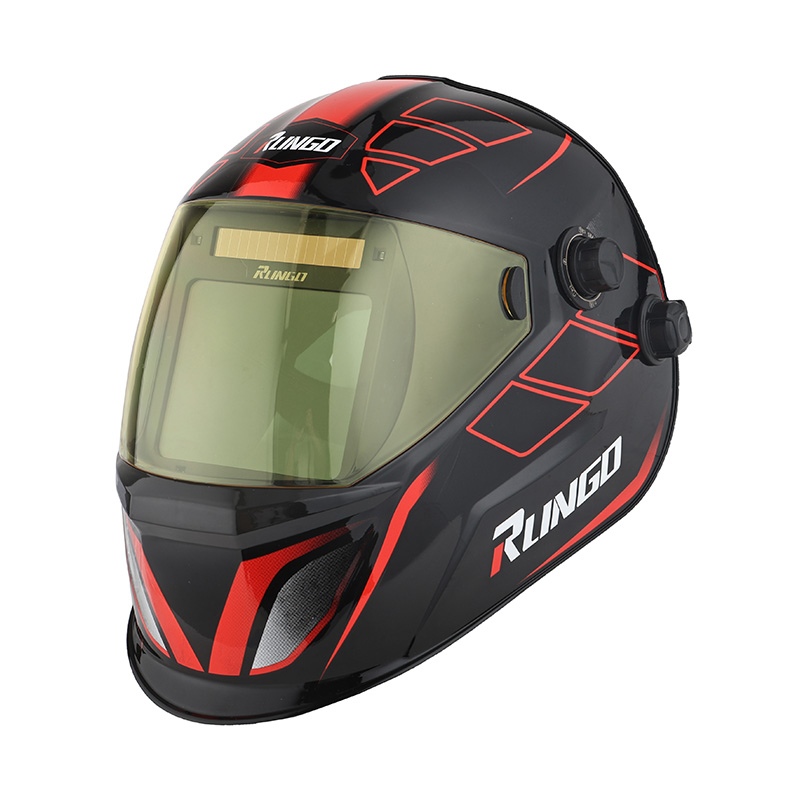
In many working spaces where lighting is not steady, the eyes are constantly dealing with change. A surface can look clear in one moment and become too bright the next. This back-and-forth shift may seem small at first, but over time it shapes how comfortable and stable a task feels. An auto dimming helmet visor is built around this problem. It reacts to changes in light on its own, so the wearer does not need to stop, adjust, or think about visibility every few minutes.
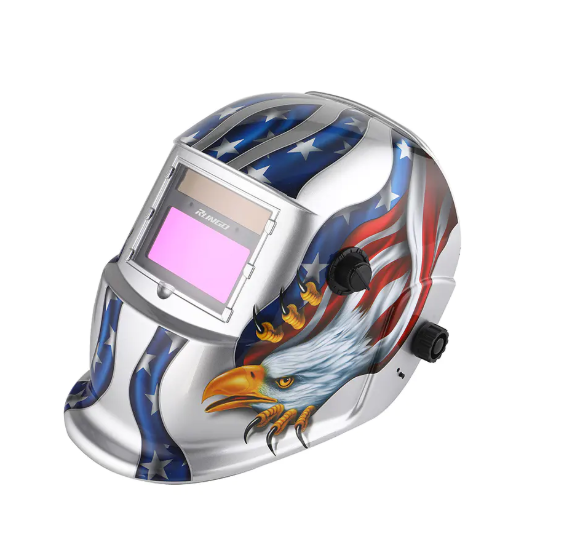
What makes it interesting is not only the technology itself, but the way it changes daily experience. The user stays focused on the work while the visor quietly handles light variation in the background. That simple idea has a strong effect on comfort, attention, and workflow.
Why does changing light matter so much during work?
Light is not always predictable in real environments. Even in controlled spaces, brightness can shift because of movement, reflection, or surrounding activity. When that happens, the eyes need time to adapt. If it happens too often, the adjustment process starts to feel tiring.
A traditional visor usually stays at one fixed shade. That means the user either accepts darker vision all the time or deals with sudden brightness changes without any help. In contrast, an auto helmet visor reacts as light changes. It adjusts the shading level so the visual field stays closer to a comfortable balance.This does not remove variation completely. It simply softens the impact of those changes, so the shift feels less abrupt.
How does automatic adjustment change the way the eyes work?
The human eye is good at adapting, but it prefers stability. When brightness keeps changing, the eyes are forced into repeated adjustment cycles. That constant switching can create a feeling of strain, especially during longer sessions.
An auto helmet visor reduces how often the eyes need to "reset." Instead of reacting sharply to every change, the visor absorbs part of that transition. The change in brightness still happens, but it is less sudden.
Over time, this can make viewing feel more even. The eyes are not working against sharp jumps in light, which helps reduce that "tired eye" feeling that often appears after extended focus.
What does it feel like in daily use?
The difference is easier to understand in real use than in description. When the environment brightens, the visor darkens without delay. When the light drops, it becomes clearer again. The change is not dramatic or noticeable in a distracting way. It feels more like a background adjustment that quietly follows the environment.
There is also less need for interruption. With a fixed visor, users often pause to reposition or lift the helmet when visibility becomes uncomfortable. With auto dimming, those small pauses happen less often.That creates a smoother working rhythm. Tasks continue without frequent breaks caused by light changes.
What are the practical benefits in real environments?
In real working conditions, the value of an auto helmet visor shows up in small details rather than large dramatic differences. These small improvements build up over time.
- Less frequent adjustment of helmet position
- More stable visibility when lighting shifts
- Reduced distraction from sudden brightness
- Easier continuation of long tasks without breaks
- More natural transition between different light zones
- Lower need to consciously manage visual comfort
- More consistent awareness of surroundings
Each point may seem simple on its own, but together they create a noticeable change in how the work feels. Instead of reacting to light, the user stays focused on the task itself.
Comparison of traditional visor and auto dimming visor
| Aspect |
Traditional Helmet Visor |
Auto Dimming Helmet Visor |
| Light response |
Fixed shade, no change |
Adjusts based on brightness |
| User involvement |
Manual adjustment needed |
Works automatically |
| Visual comfort |
Depends on environment |
More steady in changing light |
| Interruptions |
More frequent pauses |
Fewer interruptions |
| Eye adaptation |
Fully handled by eyes |
Assisted by visor response |
| Workflow rhythm |
Can feel uneven |
More continuous |
This comparison shows a clear shift in how control is handled. One relies heavily on user action, while the other reduces that need and lets the system respond in real time.
How does it affect focus and attention?
Focus is often more fragile than it seems. Small interruptions, even if they last only a second, can break concentration. Brightness changes are one of those subtle interruptions that often go unnoticed until they accumulate.
With an auto helmet visor, the visual field stays more stable. Since brightness changes are handled automatically, the mind does not need to switch attention toward adjusting vision. That mental space stays with the task instead.The effect is not about working faster. It is more about reducing small breaks in attention. Over longer periods, that stability can make the work feel less fragmented.
Can it reduce long-term visual tiredness?
Visual tiredness usually builds slowly. It is not caused by a single moment of strain, but by repeated adjustment over time. Constant shifts between bright and dim conditions force the eyes to keep adapting.
An auto helmet visor helps reduce how often those adjustments are needed. The shading changes smoothly instead of suddenly, which lowers the pressure on the eyes.
Users often notice that after long sessions, their eyes feel less "overworked." The difference is subtle during short use, but more noticeable after extended periods.
How does it fit into different working environments?
One of the practical advantages of this type of visor is flexibility. Lighting conditions are rarely the same from one environment to another. Even within a single space, brightness can change depending on time, movement, or reflection.
An auto helmet visor does not need reconfiguration when the environment changes. It responds automatically. That means it can be used in different settings without much adjustment.This adaptability also reduces preparation steps. Instead of planning for specific lighting conditions, the user can rely on the visor to handle variation during use.
Why does consistency matter more than intensity?
When people talk about visual comfort, they often think about how bright or dark something is. But consistency is often more important than intensity. A steady medium level of brightness is usually easier to handle than frequent changes between extremes.
An auto dimming helmet visor focuses on that idea. It does not try to eliminate brightness. Instead, it reduces how sharply it changes. That creates a more predictable viewing experience.Predictability matters because the brain does not need to constantly re-evaluate what it is seeing. That reduces small cognitive interruptions that build up over time.
What changes over long periods of use?
Short-term use may not feel dramatically different. The visor works quietly in the background, and the adjustment can seem subtle. But over longer periods, patterns become clearer.
The most noticeable change is not in visibility itself, but in how often the user is interrupted by lighting conditions. There are fewer moments where attention shifts away from the task due to sudden brightness changes.
Work feels less segmented. Instead of stopping and restarting attention repeatedly, the flow stays more continuous. That continuity is where much of the practical benefit appears.The experience becomes less about reacting to the environment and more about staying engaged with what needs to be done.


 English
 中文简体
中文简体 русский
 Español
 Inquiry