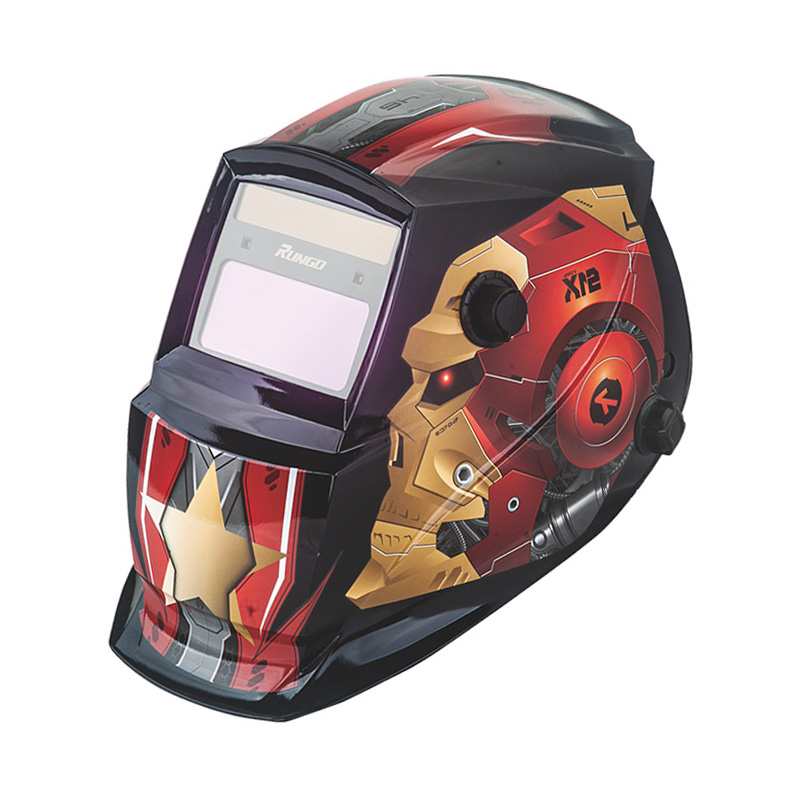
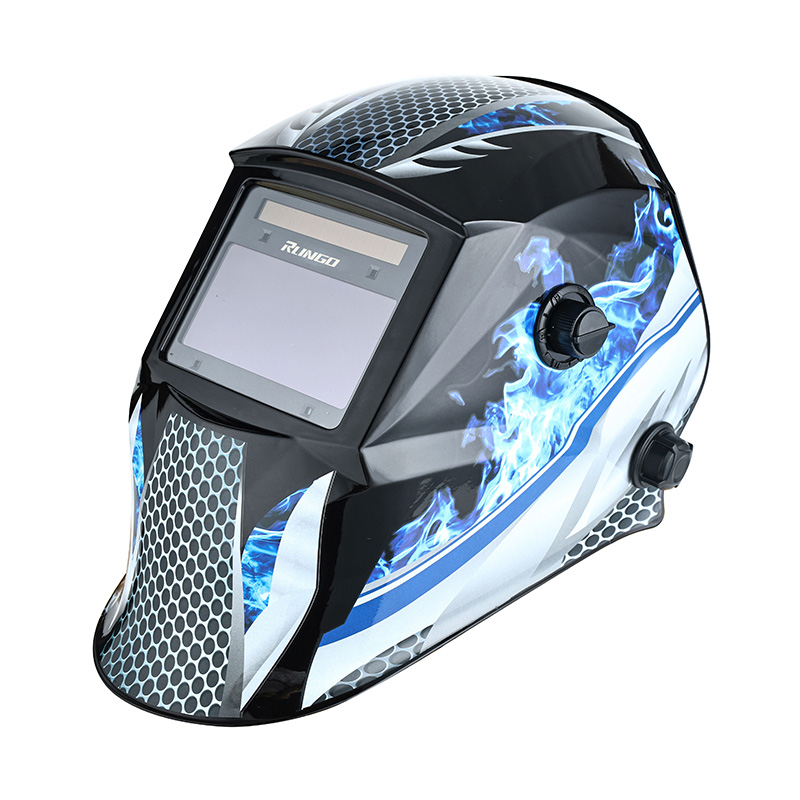
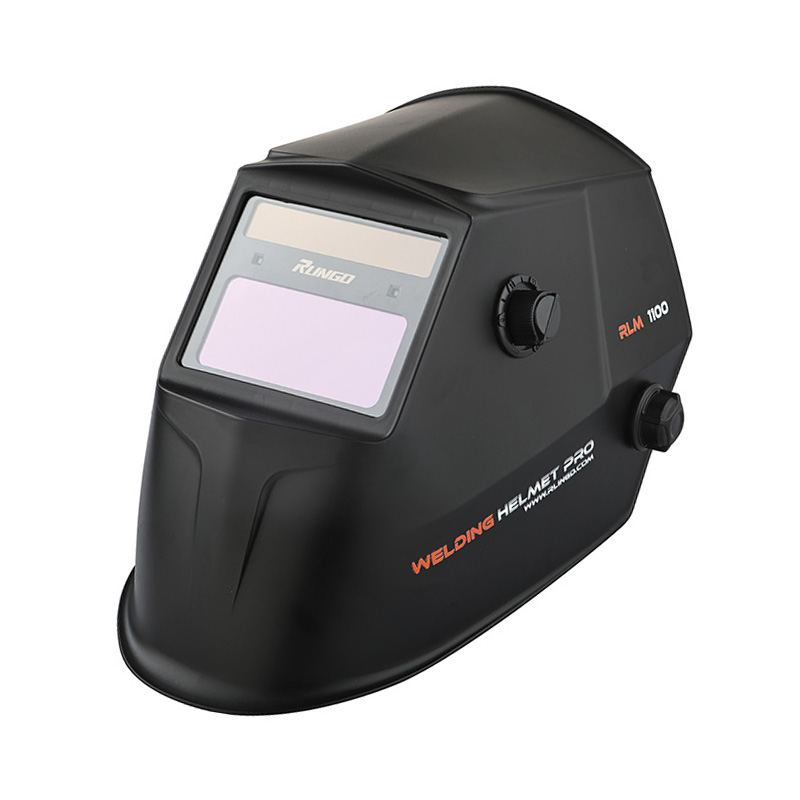
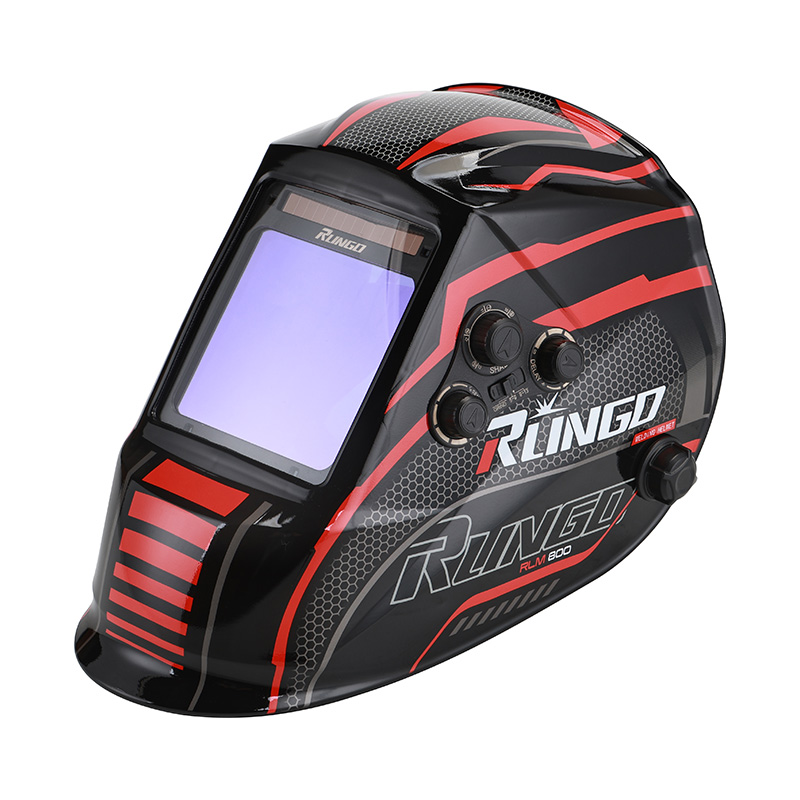
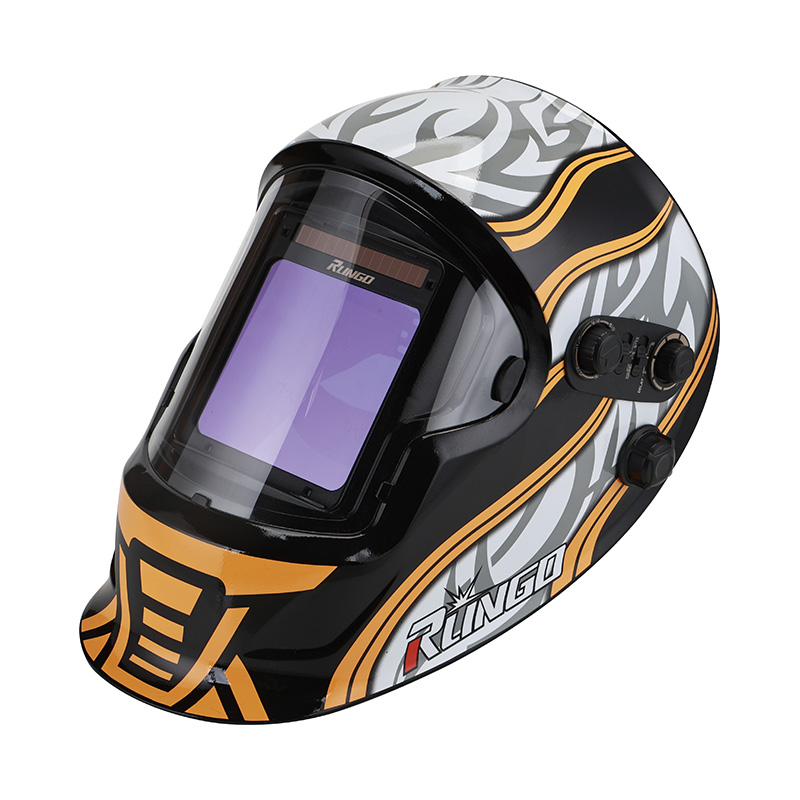
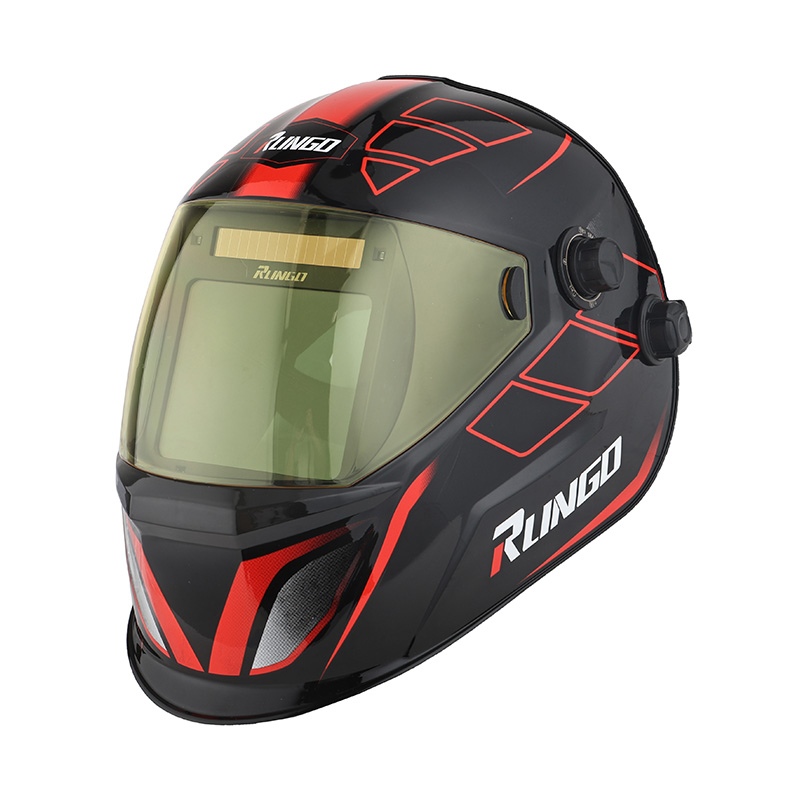
Welding helmets are essential for protecting the eyes and face from ultraviolet (UV) light, infrared (IR) radiation, and sparks generated during welding.
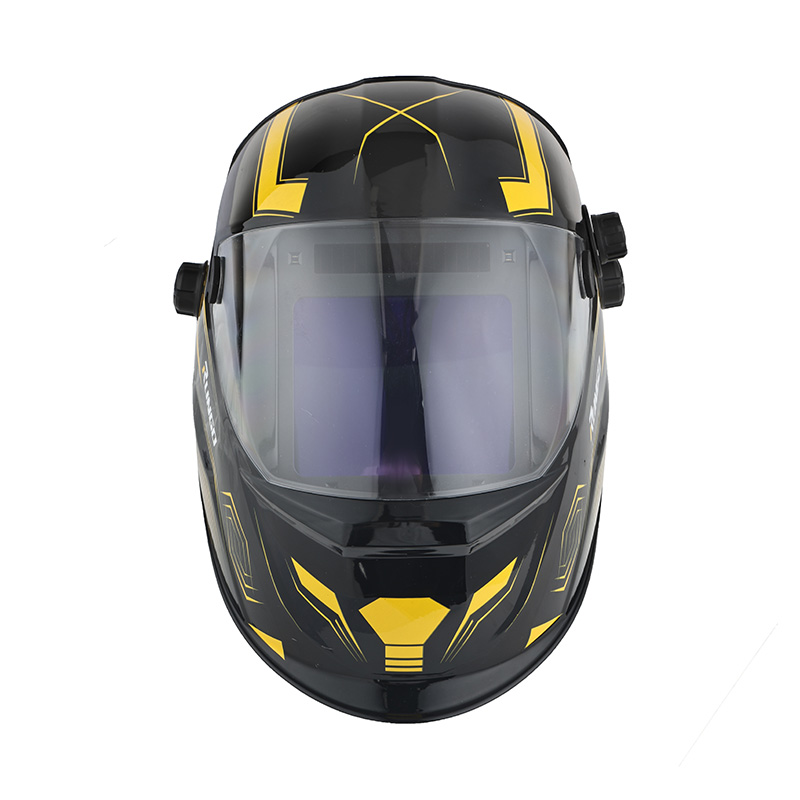
The Auto Dimming Helmet Visor has become a popular feature in modern helmets, allowing the lens to darken automatically when an arc is struck.
Understanding its performance in low-current welding environments is crucial for welders working with TIG, micro-MIG, or delicate welding tasks.
Functionality of Auto-Dimming Helmet Visor
Light-to-Dark Transition:
- The visor uses electronic sensors to detect welding arcs and transition from a light state to a dark state in milliseconds.
- Protects against sudden bright flashes that can cause eye strain or injury.
Sensitivity Adjustment:
- Many visors include adjustable sensitivity settings to detect different levels of light intensity.
- This adjustment is particularly important in low-current welding, where the arc may not emit as much light as in high-current welding.
Delay Settings:
- Delay controls determine how long the lens remains dark after the arc stops.
- Helps protect the eyes from lingering brightness, especially useful for precise or small welds.
Challenges in Low-Current Welding
Lower Arc Brightness:
- Low-current welding produces a less intense arc, which may be harder for sensors to detect.
- Some auto-dimming visors may fail to darken completely or react slowly in these conditions.
Sensor Sensitivity Limitations:
- Standard visors designed for high-current welding may not perform well with weak arcs.
- Welders may need to adjust sensitivity or select a visor specifically rated for low-current operations.
Impact on Precision Work:
- Inconsistent visor darkening can cause brief periods of eye strain or reduced visibility.
- Critical when performing delicate TIG or micro-MIG welds where accuracy is essential.
Advantages of Auto Dimming Visors in Low-Current Settings
Continuous Protection:
Even at lower currents, the visor offers better protection than fixed-shade lenses because it reacts to arc detection, reducing the risk of overexposure.
Improved Visibility Between Welds:
- A light lens state allows welders to see the workpiece clearly before striking the arc.
- Reduces the need to manually lift the helmet, enhancing efficiency.
Reduced Fatigue:
- Less neck and eye strain compared to constantly flipping a traditional helmet up and down.
- Supports longer working periods without discomfort.
Factors Affecting Performance
Quality of Sensors:
- High-quality sensors can detect even low-intensity arcs, ensuring consistent darkening.
- Lower-quality visors may struggle in low-current welding environments.
Battery Life and Power Source:
Auto-dimming visors rely on batteries or solar power. Low battery levels can reduce performance or delay response.
Environmental Light:
- Bright ambient light can sometimes interfere with arc detection.
- Proper calibration and sensitivity adjustment can mitigate this issue.
Tips for Suitable Use in Low-Current Welding
- Adjust Sensitivity Properly: Increase sensitivity to ensure the visor reacts to weak arcs without false triggers.
- Select Appropriate Lens Shade: Choosing a lens shade compatible with low-current welding enhances visibility and protection.
- Maintain Battery and Sensors: Regularly check batteries and clean sensors to ensure reliable performance.
- Test Before Critical Work: Practice on sample welds to confirm the visor responds consistently in low-current settings.
Conclusion
The Auto Dimming Helmet Visor offers significant advantages over traditional helmets, even in low-current welding environments.
Proper adjustment of sensitivity, lens shade, and delay settings is critical to maintain consistent protection and visibility.
While some visors may struggle with very weak arcs, high-quality auto-dimming helmets designed for precision welding can provide good performance, reduce eye strain, and improve workflow efficiency.
Understanding the unique challenges of low-current welding ensures welders can improve the benefits of auto-dimming technology while maintaining safety and accuracy.


 English
 中文简体
中文简体 русский
 Español
 Inquiry