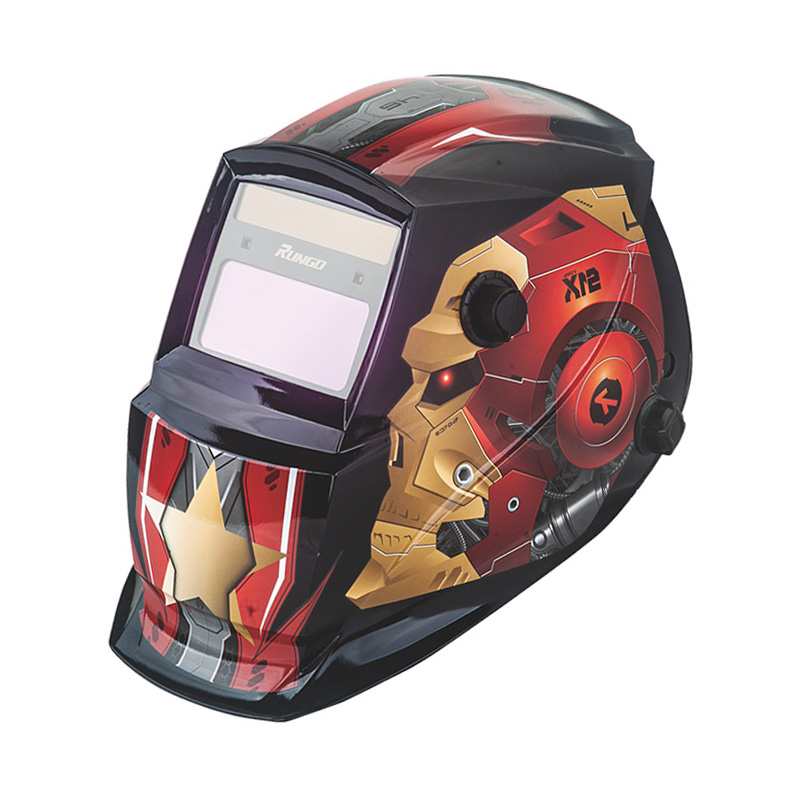
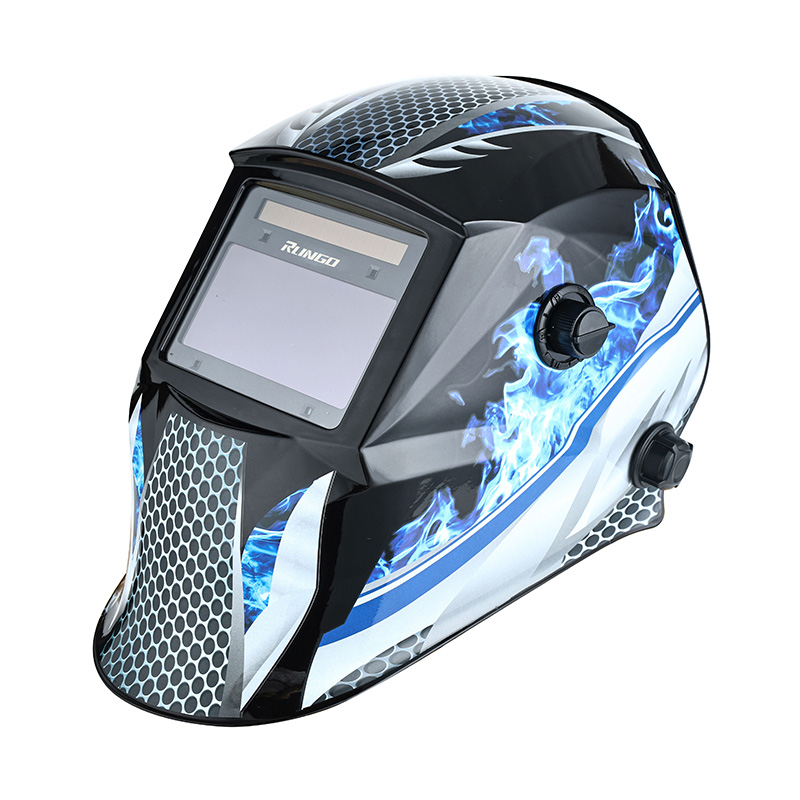
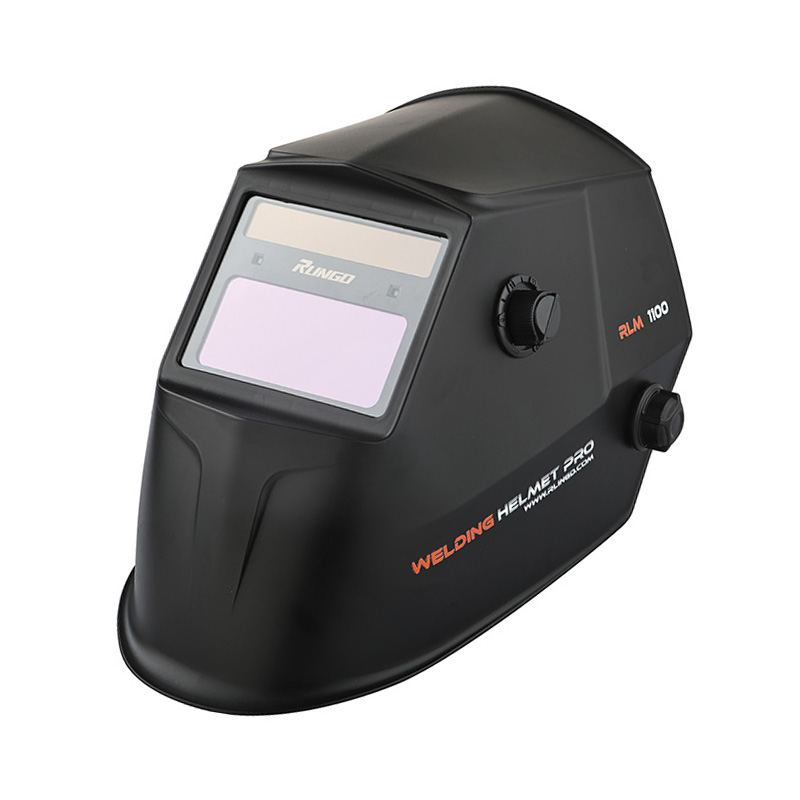
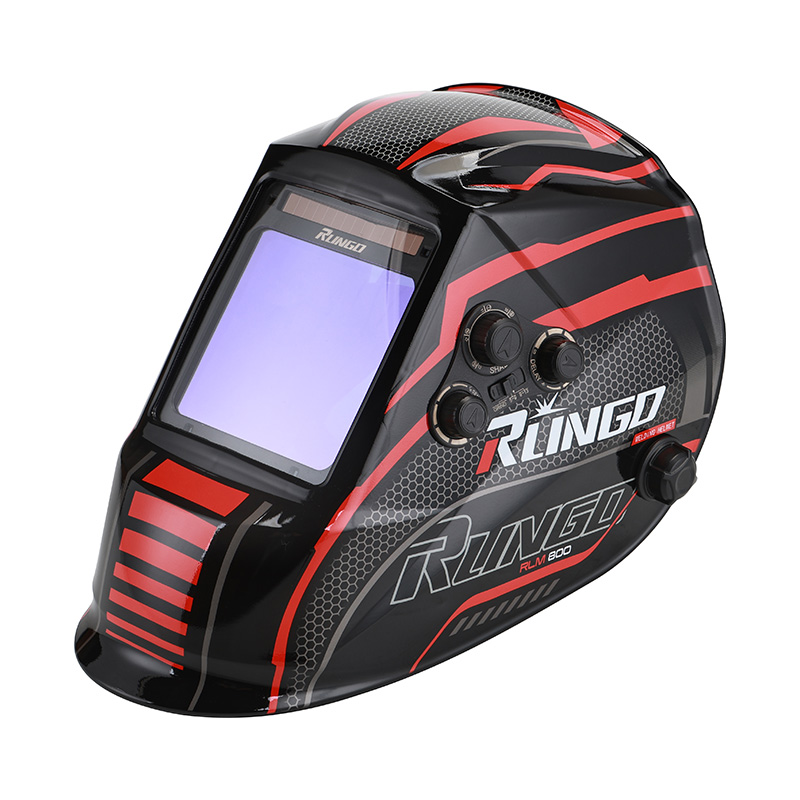
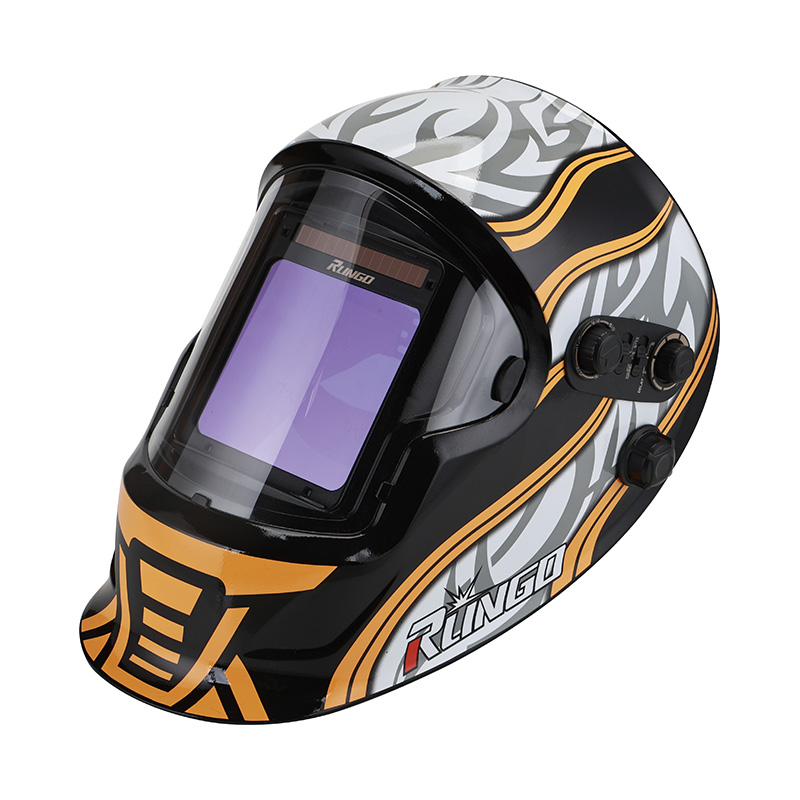
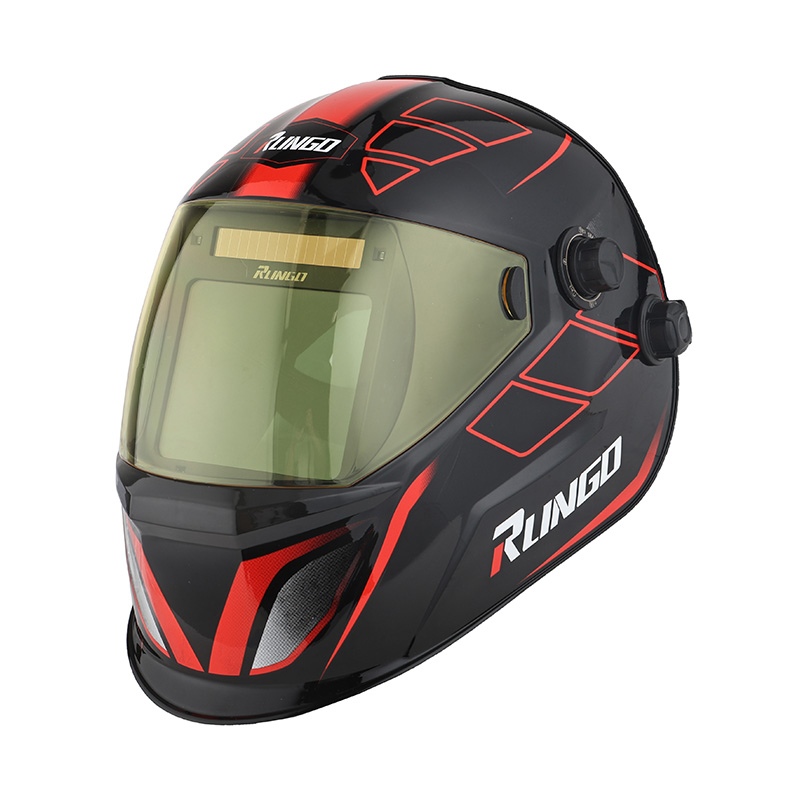
The Auto Darkening Filter Welding Helmet is a critical tool for welders, providing protection from ultraviolet (UV) and infrared (IR) radiation while maintaining visibility during operations. Two of the important performance factors are the helmet’s field of view (FOV) and optical clarity. These factors directly affect welding precision, safety, and overall efficiency.
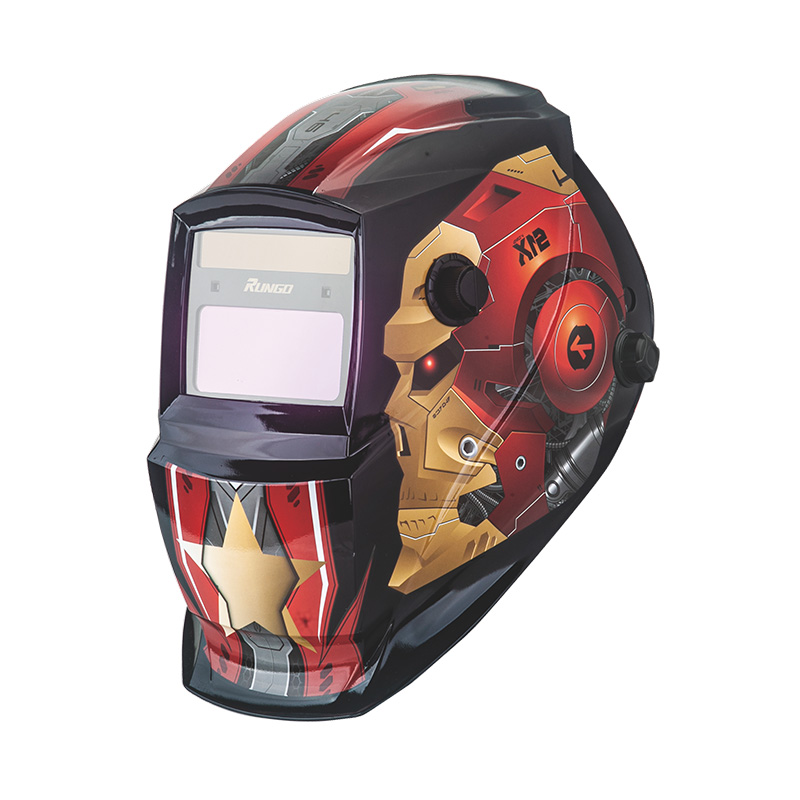
1. Importance of Field of View
- Wide Visibility: A broader FOV allows welders to see the workpiece, surrounding equipment, and workspace without needing to reposition their head constantly.
- Precision Welding: Accurate alignment of the welding torch and workpiece requires an unobstructed view to reduce errors.
- Safety Considerations: Peripheral vision is essential for detecting hazards or changes in the environment, reducing the risk of accidents.
2. Factors Affecting the Field of View
- Lens Size: Larger auto darkening lenses increase horizontal and vertical visibility.
- Helmet Shell Design: Slimmer side frames and ergonomic shell shapes reduce obstruction at the edges of the lens.
- Viewing Angle: Some helmets allow adjustable lens positioning to optimize FOV for individual user preference.
3. Optical Clarity and Its Importance
- Clear Image: High optical clarity ensures welders see the arc, molten pool, and joint with distortion.
- Reduced Eye Strain: Clear lenses prevent squinting and fatigue, especially during extended welding sessions.
- Consistency Across Conditions: Optical clarity must remain stable under various arc intensities, light conditions, and environmental factors.
4. Lens Quality Considerations
- Lens Ratings: Industry standards, such as ANSI Z87.1, define optical clarity ratings from 1 to 4, with 1 being high quality.
- Color Distortion: High-quality lenses reduce color distortion, allowing accurate perception of materials and weld quality.
- Anti-Fog and Anti-Scratch Coatings: Protective coatings maintain clarity over time and reduce maintenance requirements.
5. Impact of Auto Darkening Function on Visibility
- Rapid Transition: The auto darkening filter switches from light to dark in milliseconds, allowing welders to view their work before and after the arc is struck.
- Shade Adjustments: Adjustable shade levels ensure the lens remains clear under different arc intensities without compromising protection.
- Sensor Accuracy: Properly aligned sensors prevent delay or uneven darkening, which can impair visibility.
6. Comfort and Ergonomics
- Helmet Positioning: A stable, well-fitted helmet ensures the FOV remains consistent and the lens stays properly aligned with the welder’s eyes.
- Adjustable Headgear: Helmets with adjustable headgear allow users to position the lens at a suitable distance for clarity.
- Weight Distribution: Balanced weight reduces helmet tilt and reduces movement that could obstruct the FOV.
7. Testing and Evaluation
- Field Tests: Welders can evaluate FOV and clarity by observing welds from different angles and distances.
- Professional Standards: ANSI, CE, and ISO standards provide testing criteria to verify optical clarity, lens consistency, and FOV coverage.
- User Feedback: Collecting feedback from welders about lens clarity and visibility helps manufacturers improve helmet design.
8. Maintenance Practices
- Regular Cleaning: Remove dust, dirt, and welding residues to maintain clear visibility.
- Lens Replacement: Replace scratched or damaged lenses promptly to avoid visual distortion.
- Sensor Maintenance: Ensure auto-darkening sensors are unobstructed and functioning properly to maintain quick response and consistent clarity.
The field of view and optical clarity of an Auto Darkening Filter Welding Helmet are crucial for both welding quality and operator safety. Helmets with a wide, unobstructed view and high-quality lens material enable welders to work with precision, reduce eye strain, and maintain situational awareness. Proper fit, stable positioning, and maintenance practices further enhance visibility and performance.


 English
 中文简体
中文简体 русский
 Español
 Inquiry