
 English
 中文简体
中文简体 русский
 Español
 Inquiry
Industry News
Home / News / Industry News / Environmental Temperature EffEnvironmental Temperature Effects on Welding Helmet Performanceects on Welding Helmet Performance
2025-12-05
A Full Face Auto Darkening Welding Helmet is engineered to protect the eyes and face while maintaining clear visibility under varying welding conditions. However, temperatures can influence the performance of its optical sensors, liquid crystal layers, and power system. Both low and high environmental temperatures alter the behavior of electronic components, which may affect reaction speed, shade consistency, and viewing clarity. Although modern helmets are designed to function in a wide range of temperatures, understanding how the environment impacts their behavior helps welders ensure safety and proper operation.
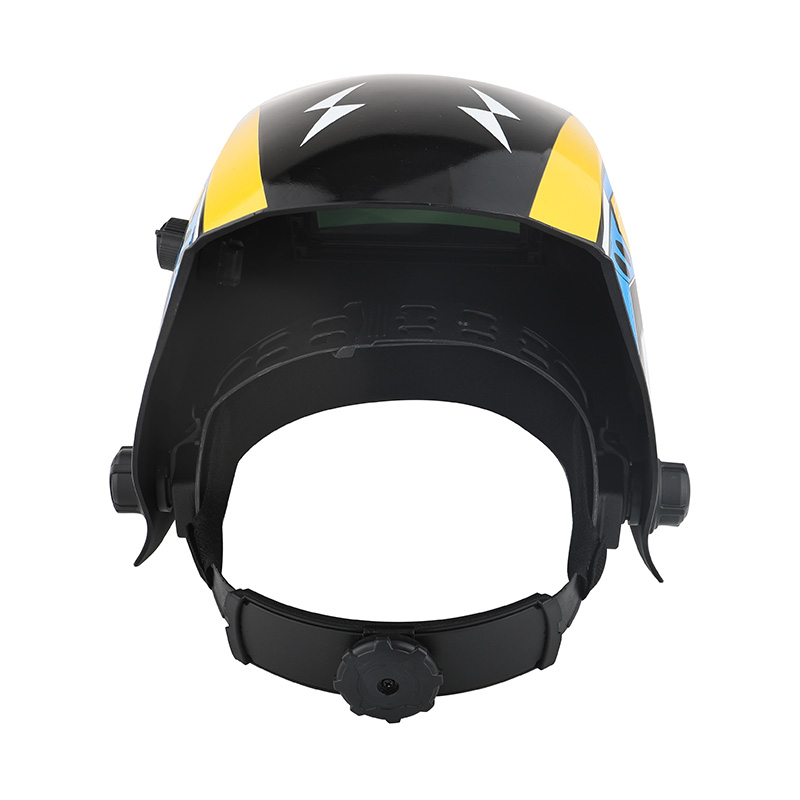
Cold environments can significantly affect the liquid crystal display responsible for darkening the lens. Liquid crystals become more sluggish when exposed to low temperatures, which may result in slower switching times. A slight delay in darkening can be uncomfortable or even pose a risk during high-intensity welding tasks. Additionally, batteries lose capacity when exposed to cold conditions, especially lithium cells commonly used in solar-assisted helmets. A weakened battery can cause inconsistent darkening or reduced sensor sensitivity. The external shell and internal padding can also harden or become less flexible, affecting comfort and fit for long work sessions. Welders operating in cold workshops or outdoor winter environments often notice these changes more prominently.
Excessive heat can also alter the performance of the auto-darkening system. The liquid crystal elements in the lens may become overly responsive or may not return to their lighter state as quickly after welding stops. The control electronics, including the sensors and circuit board, can experience thermal stress if exposed to heat beyond recommended operating ranges. High temperatures may also soften the protective shell or cause the headband components to deform slightly, affecting stability. Prolonged exposure to heat can accelerate the aging of the lens and reduce the clarity of the viewing area. In some cases, high temperatures can cause warping of the outer protective lens if it is regularly near radiant heat sources, such as preheated metal surfaces or industrial furnaces.
Most quality helmets integrate materials and electronics that can handle a broad temperature spectrum. Manufacturers choose liquid crystals rated for stability in subfreezing and high-heat conditions and use electronics designed to maintain consistent switching speeds. The solar-assist function helps reduce battery strain in cold temperatures, while multi-sensor layouts ensure reliable triggering even if one sensor experiences reduced sensitivity. Insulated shells and heat-resistant coatings also protect the internal components. Some helmets include replaceable inner padding made from materials that remain flexible across different temperatures, ensuring consistent comfort. These built-in features help preserve performance, but proper use still depends on environmental awareness.
Welders working in cold temperatures should store the helmet indoors when not in use, keeping it warm before starting work. Allowing the lens and battery system to stabilize can prevent delayed darkening. In hot environments, the helmet should be shielded from direct radiant heat whenever possible. Avoid leaving the helmet in hot vehicles or near welding furnaces for extended periods. Regularly inspecting the protective lens, headgear components, and control knobs ensures they remain in ideal condition despite temperature exposure. When the environment is frequently reached, replacing external protective lenses more frequently may help maintain visibility and safety.
While a Full Face Auto Darkening Welding Helmet can function across a broad temperature range, both low and high environmental conditions can influence its performance. Liquid crystal speed, sensor responsiveness, and overall durability are all affected by temperature fluctuations. With thoughtful handling, proper storage, and routine inspection, welders can maintain reliable protection and consistent visibility even in challenging climates.

Model: RLM 700
Model: RLM 1000
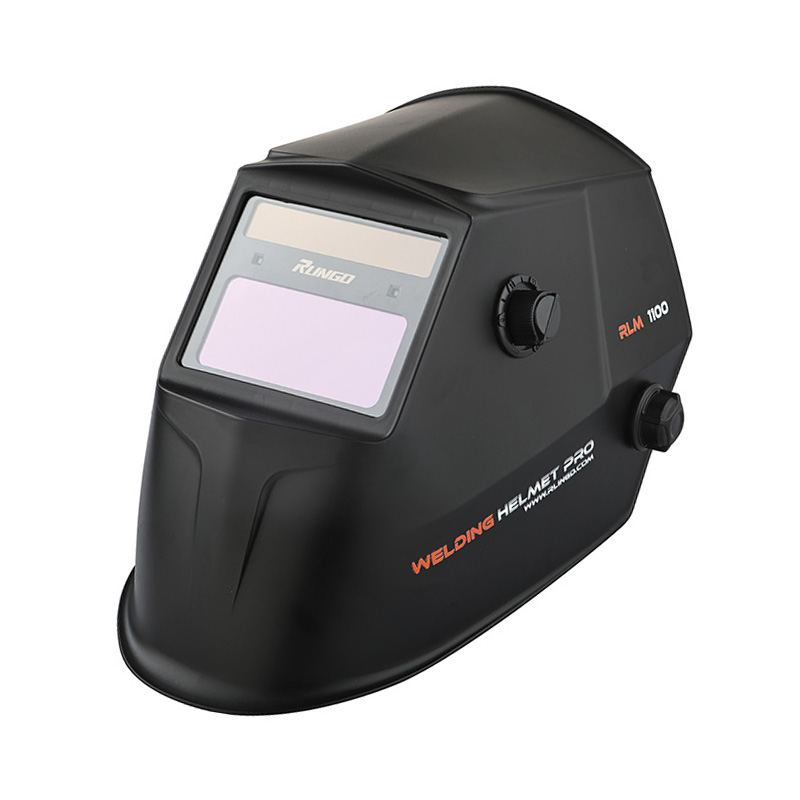
Model: RLM 1100
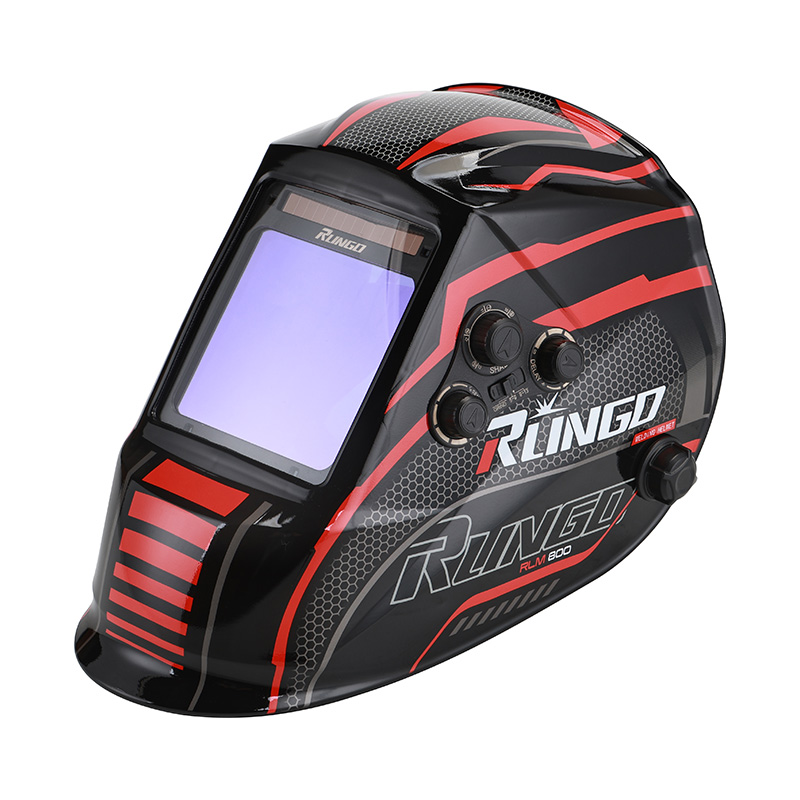
Model: RLM 800
Model: RLM 900
Model: RLM 1200

Building 7, Zeguo Electromechanical Pioneer Park, No.1 Park Road, Zeguo Town, Wenling,Taizhou City, Zhejiang Province, China
Tel: +86-0576-86442210
FAX: +86-0576-86442210
Phone: +86-15669702909
Copyright © Taizhou Ruiling Optoelectronics Technology Co., Ltd.
Auto Darkening Welding Helmet Factory