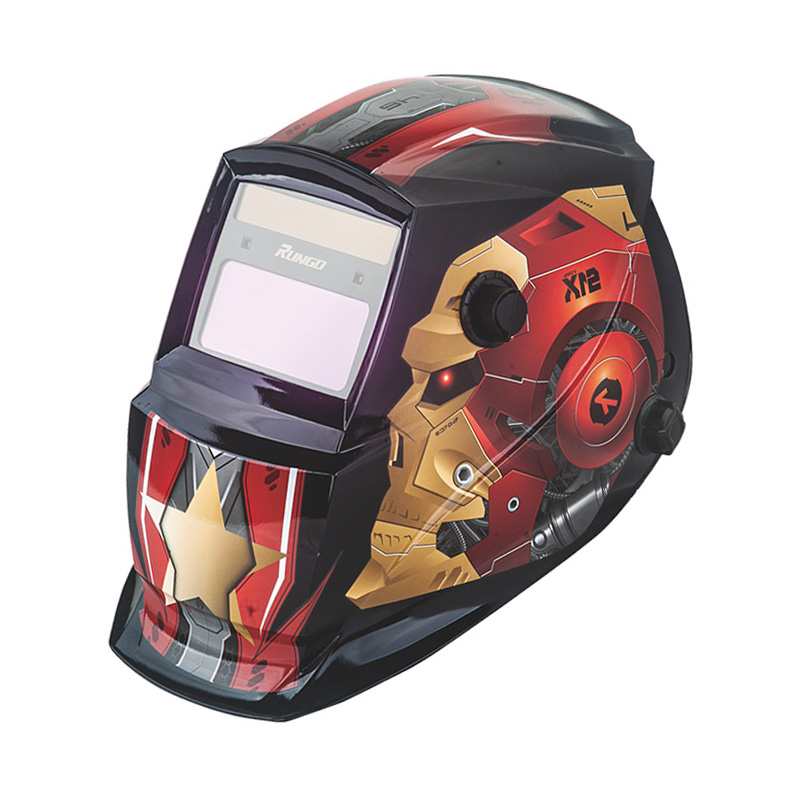
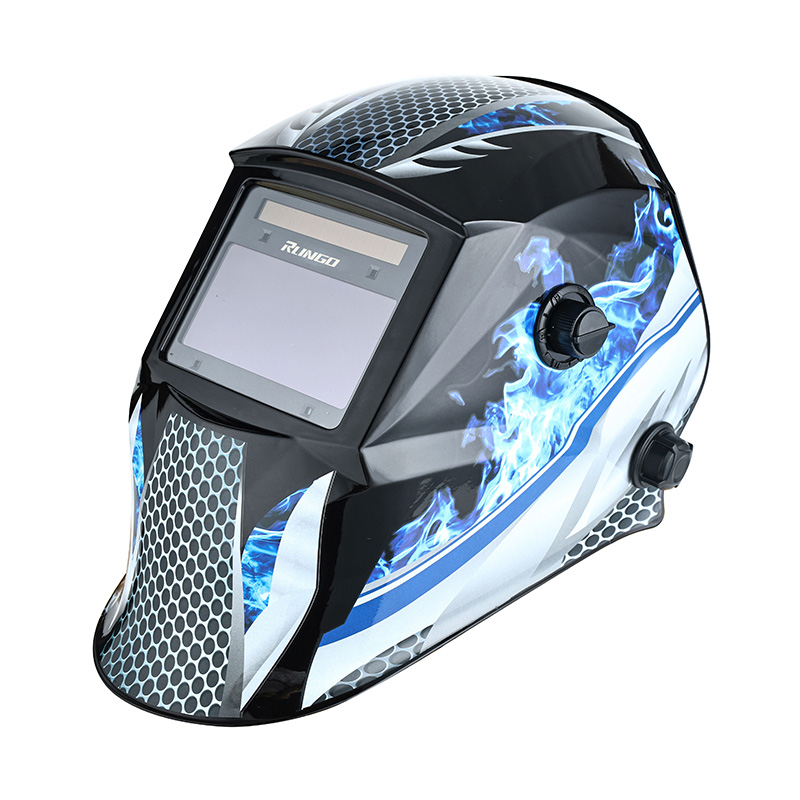
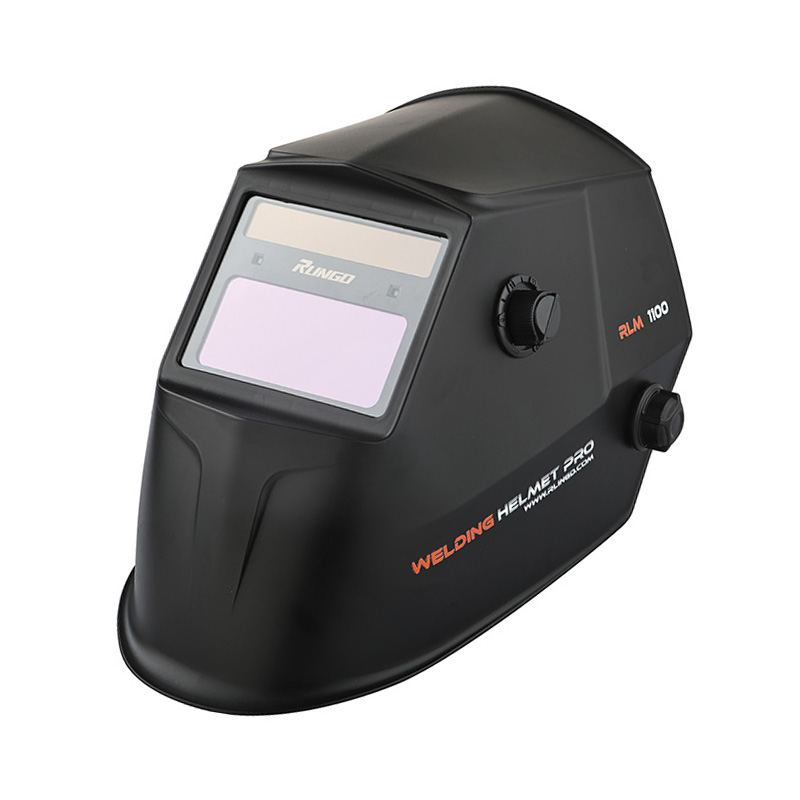
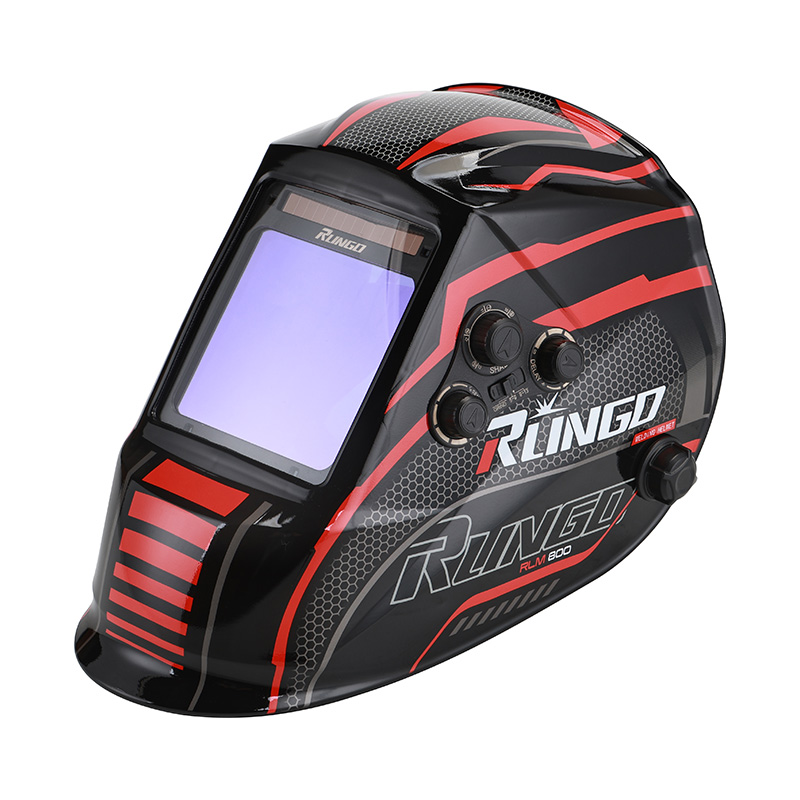
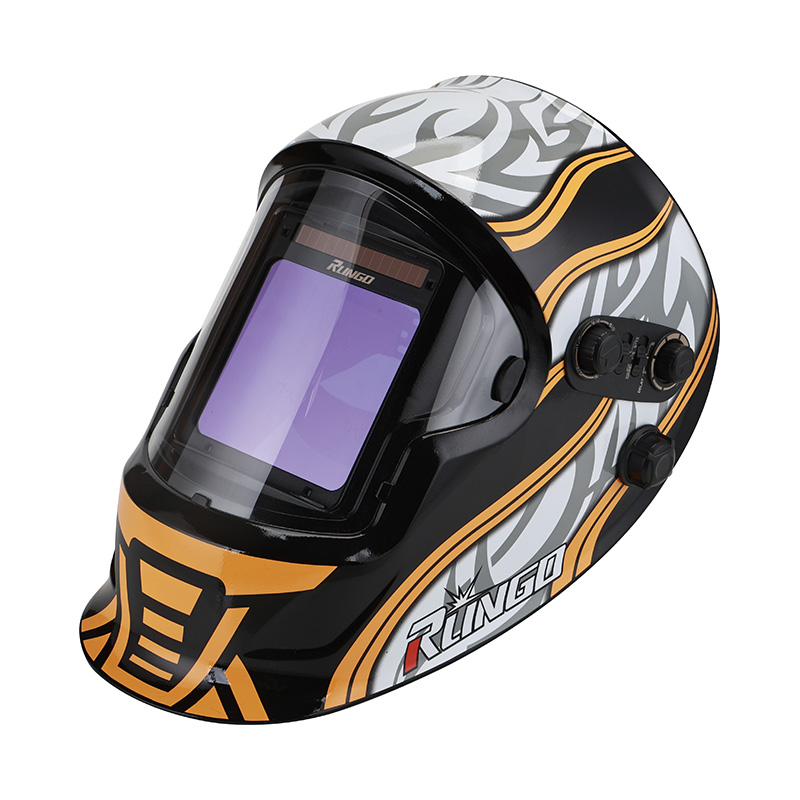
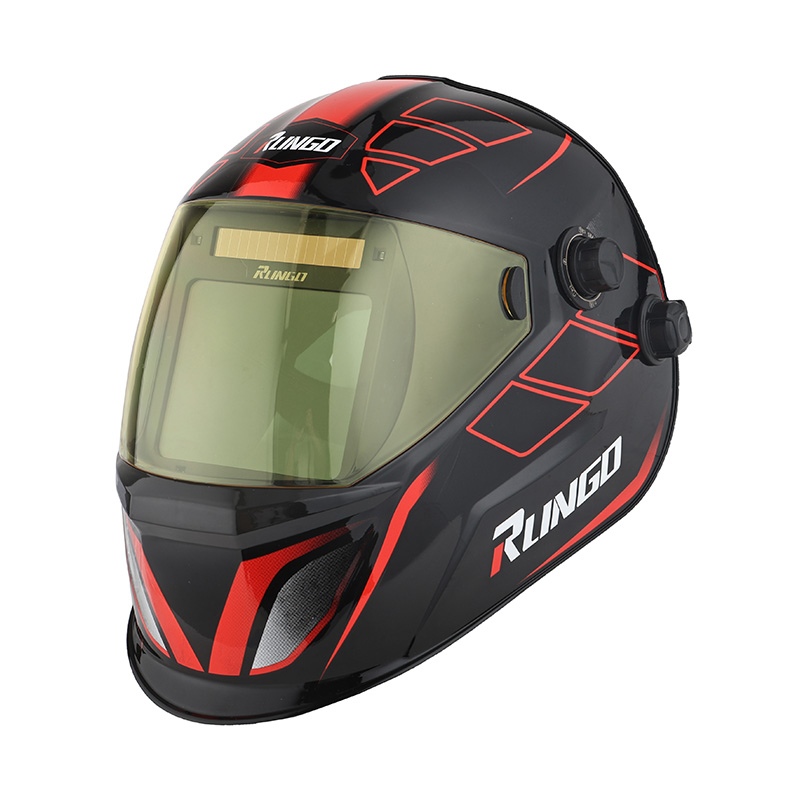
Welding helmets are essential for protecting the eyes, face, and neck from sparks, ultraviolet (UV), and infrared (IR) radiation during welding operations.
High-temperature welding environments, such as stainless steel fabrication or heavy industrial applications, place additional stress on protective gear.
The Auto Adjusting Welding Helmet is designed to improve safety and comfort in these conditions, adapting automatically to changing light levels during welding.
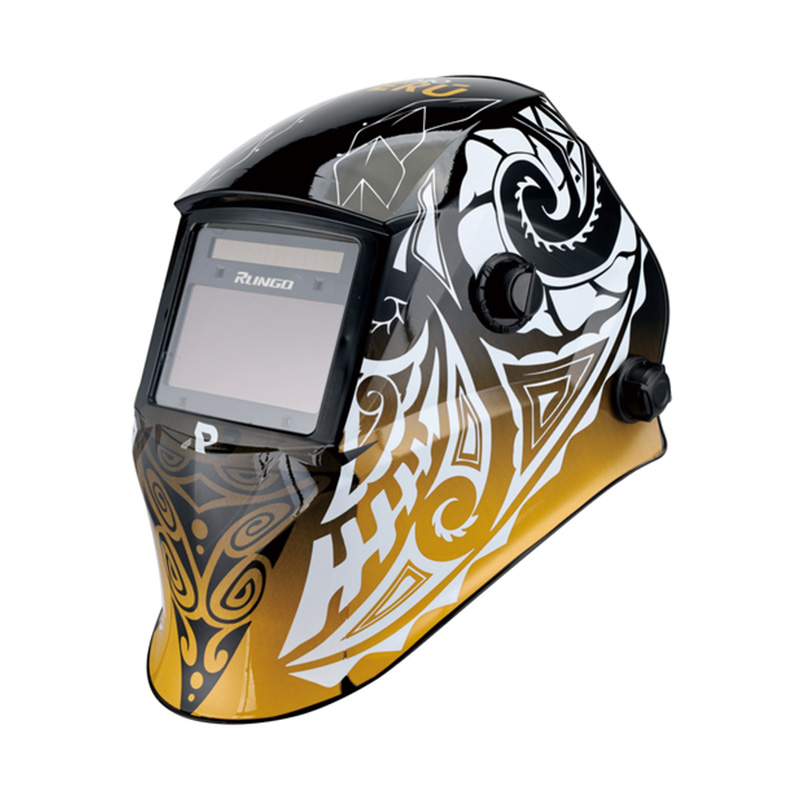
Mechanism of Auto Adjusting Welding Helmets
Automatic Lens Adjustment:
- Sensors detect the welding arc and instantly adjust the lens shade to protect the eyes.
- Reduces exposure to intense brightness and UV/IR radiation.
Adjustable Sensitivity and Delay:
- Sensitivity controls allow detection of different arc intensities, which is crucial for high-heat welding, where arcs may fluctuate.
- Delay settings determine how long the visor remains dark after the arc stops, protecting eyes from residual brightness.
Comfort Features:
Many helmets include lightweight materials and ergonomic headgear, reducing strain during prolonged welding in hot environments.
Challenges of High-Temperature Welding
Heat Exposure:
- High-heat welding produces bad temperatures that can make helmet materials uncomfortable or even hazardous if not heat-resistant.
- Sweat accumulation and discomfort can reduce focus and performance.
Lens Durability:
- Excessive heat may affect the electronic components of auto-adjusting visors.
- Poor-quality visors may darken inconsistently or fail in bad conditions.
Ambient Light and Reflection:
- High-temperature environments often involve bright reflections from metal surfaces.
- Proper sensor calibration is necessary to prevent false lens darkening or inadequate protection.
Advantages of Auto-Adjusting Helmets in High-Heat Conditions
Consistent Eye Protection:
Protects eyes from UV and IR radiation, even during fluctuating arc intensities.
Reduces the risk of eye fatigue or temporary blindness caused by sudden arc brightness.
Improved Visibility and Accuracy:
The light lens state when idle allows welders to see the workpiece clearly before striking the arc.
Enhanced precision is particularly important when working on high-temperature metals that require exact weld placement.
Reduced Physical Strain:
Eliminates the need to flip the helmet up and down repeatedly.
Ergonomic designs help manage fatigue during long hours in hot conditions.
Material and Build Considerations
Heat-Resistant Shells:
- Premium auto-adjusting helmets are made of high-temperature-resistant plastics or composites.
- Ensures the helmet maintains shape and structural integrity under bad heat.
Durable Electronics:
- Components such as sensors and auto-dimming lenses must withstand high temperatures without malfunctioning.
- Solar-powered or hybrid battery systems often provide more reliable operation in heat-intensive environments.
Comfort and Ventilation:
- Some helmets include ventilation slots or sweat-absorbing headgear to improve comfort in hot settings.
- Prevents excessive perspiration from affecting focus and performance.
Selecting the Right Auto-Adjusting Welding Helmet
Check Heat Ratings:
Ensure the helmet is rated for high-temperature applications, including arc welding and industrial fabrication.
Verify Lens Quality:
Look for high optical clarity and fast response times to prevent eye strain.
Adjustability and Fit:
Proper headgear adjustment is crucial for both comfort and safety in bad heat.
Maintenance Considerations:
- Regular cleaning of sensors and lens surfaces ensures consistent performance.
- Monitor battery or solar panel performance in hot environments to prevent sudden failures.
Conclusion
The Auto-Adjusting Welding Helmet is an effective solution for high-temperature welding applications, offering good protection, comfort, and efficiency.
Proper selection, adjustment, and maintenance ensure that the helmet performs reliably under bad conditions.
Welders benefit from consistent eye protection, reduced fatigue, and improved visibility, which are critical in maintaining precision and safety in high-heat environments.
Understanding the specific challenges of hot welding operations helps welders choose the right auto-adjusting helmet and improve both performance and safety.


 English
 中文简体
中文简体 русский
 Español
 Inquiry